
What Is a CNC Textile Cutting Machine?
Quick answer — A CNC textile cutting machine is a computer-controlled flatbed cutter that cuts fabric with an oscillating knife — not a laser, not a stamping die — following a nested path from your DXF, PLT or HPGL pattern file. One CNC platform carries four interchangeable tools (oscillating knife, drag blade, wheel and router), so a single machine cuts woven, knit, denim and coated technical fabric with clean, scorch-free edges and zero tooling cost.
Engineering-wise, a vacuum adsorption table holds the fabric flat while a servo drive (Inovance) carries the tool head along the nested path on linear guides. Each tool has one job: the oscillating knife slices woven and knit fabric with a near-zero kerf, so cut pieces stay dimensionally exact; the drag blade handles flexible material under 3 mm; the wheel tool cuts technical textiles such as carbon and glass fabric; the router machines rigid sheet up to 50 mm. And because the blade cuts cold, there is no heat-affected zone — no scorching, yellowing or smell on cotton, wool or denim, which is why knife cutting beats laser for natural fibres. MNT machines are CE-marked per EU Machinery Directive 2006/42/EC and built under an ISO 9001 quality system.
Cutting knit and mesh for footwear uppers specifically? The shoe upper cutting machine takes the same textile hold-down and nesting problems into the shoe cutting room, where the parts are uppers, linings and reinforcement kitted for the closing room.
Machine specifications compared. Woven and knit goods are thin enough that neither machine is limited by depth — throughput comes from feeding. Both cut continuously off a belt, so the fork is table size against footprint: the C6090 suits pattern and grading work in a sample room, the C2516T takes full roll width in production.
| Specification | C6090 | C2516T |
|---|---|---|
| Cutting area | 600 × 900 / 600 × 1200 / 900 × 1200 mm | 2500 × 1600 mm |
| Leather, felt, technical textile | ≤ 10 mm | ≤ 10 mm |
| Rotary wheel tool | Optional | Optional |
| Standard tools | EOT electric oscillating, creasing | EOT, drag tool (UCT), milling spindle |
| Cutting speed | 300–1800 mm/s | 300–1800 mm/s |
| Hold-down | Aluminium honeycomb, vacuum | Vacuum adsorption |
| Continuous belt feeding | Yes | Yes |
| Typical textile job | Pattern samples, grading, single-ply trials | Production runs off the roll |
Textile Materials Classified by Cutting Behavior
Different textile materials do not cut in the same way. The right CNC textile cutting machine configuration depends on how the material behaves during feeding, vacuum holding and knife cutting. MNT classifies textile materials by cutting behavior, then recommends the suitable tool, table system and process settings.
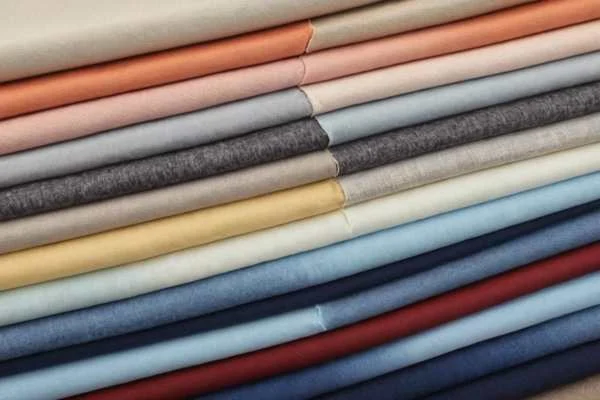
Soft & Flexible Materials
- Typical Materials: Cotton fabric, polyester fabric, light garment fabric, lining fabric
- Cutting Behavior: Easy to move, fold or shift during cutting
- Recommended Configuration: Oscillating knife with vacuum table
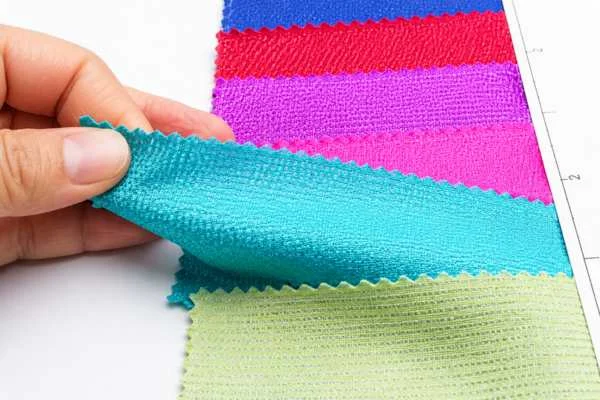
Elastic & Stretchable Materials
- Typical Materials: Spandex fabric, sportswear fabric, jersey, elastic knit textile
- Cutting Behavior: Stretches during feeding and may deform after cutting
- Recommended Configuration: Conveyor table, vacuum adsorption and controlled cutting speed
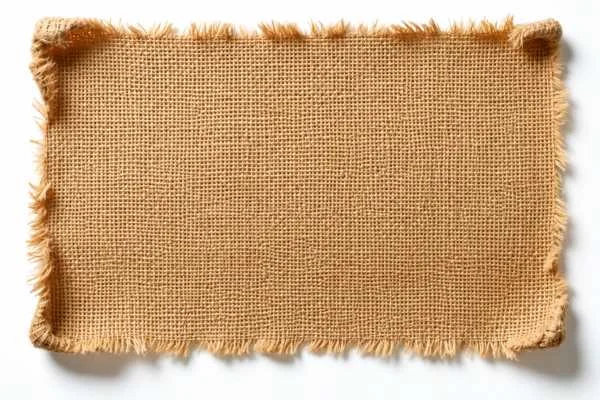
Loose & Fraying Materials
- Typical Materials: Loose woven fabric, linen, canvas, some decorative textiles
- Cutting Behavior: Yarn may loosen, fray or pull at the cutting edge
- Recommended Configuration: Oscillating knife with suitable blade angle and stable vacuum holding
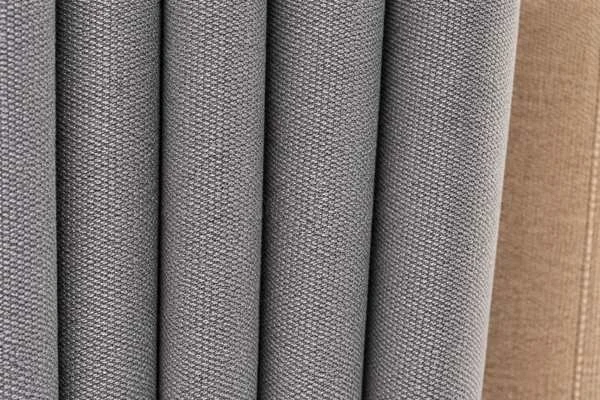
Thick & Dense Materials
- Typical Materials: Denim, heavy cotton, felt, carpet, multi-layer garment fabric
- Cutting Behavior: Requires higher cutting force and may resist blade penetration
- Recommended Configuration: Strong oscillating knife, reinforced table and proper blade depth
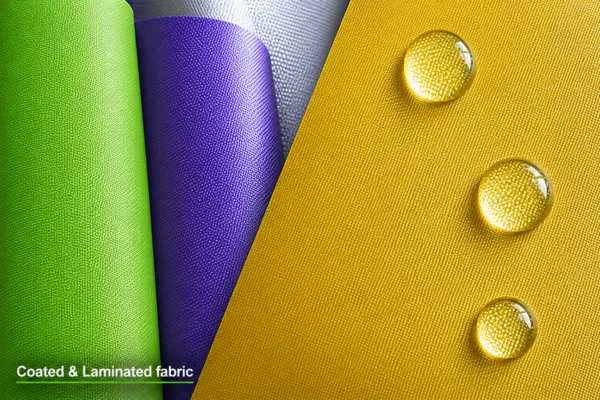
Coated & Laminated Materials
- Typical Materials: PU-coated fabric, PVC-coated fabric, laminated textile, synthetic leather
- Cutting Behavior: Surface coating may lift, stick, mark or separate from backing
- Recommended Configuration: Oscillating knife or drag knife depending on coating and backing
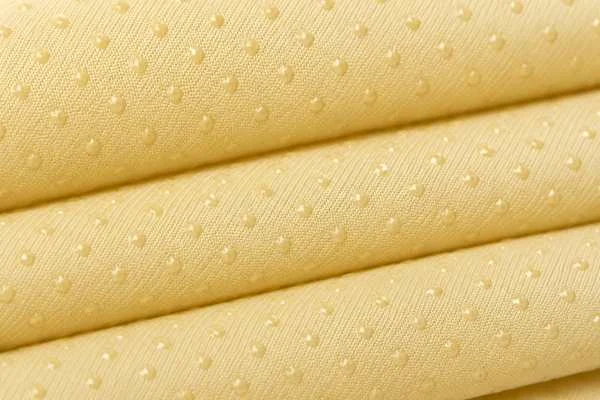
Slippery & Low-Friction Materials
- Typical Materials: Nylon fabric, satin-like fabric, smooth polyester, lightweight synthetic textile
- Cutting Behavior: Slides easily on the table and may shift during fast cutting
- Recommended Configuration: Strong vacuum table, controlled acceleration and optimized nesting
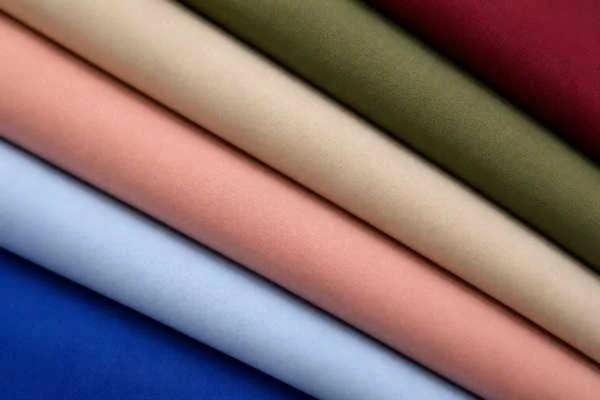
Porous & Air-Permeable Materials
- Typical Materials: Mesh fabric, nonwoven fabric, breathable textile, filter fabric
- Cutting Behavior: Vacuum may pass through the material, reducing holding force
- Recommended Configuration: Vacuum zoning, suitable underlay and adjusted adsorption setting; round knife (rotary wheel) for breathable and mesh fabric
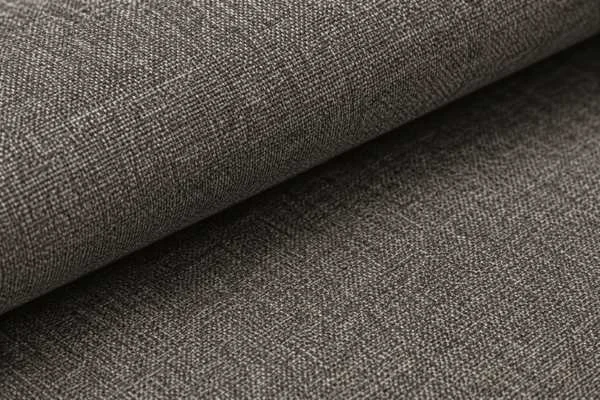
Abrasive & High-Strength Materials
- Typical Materials: Fiberglass fabric, carbon fiber fabric, aramid fabric, industrial technical textile
- Cutting Behavior: Causes faster blade wear and may create fiber pull-out
- Recommended Configuration: Wheel knife or strong oscillating knife with wear-resistant blades
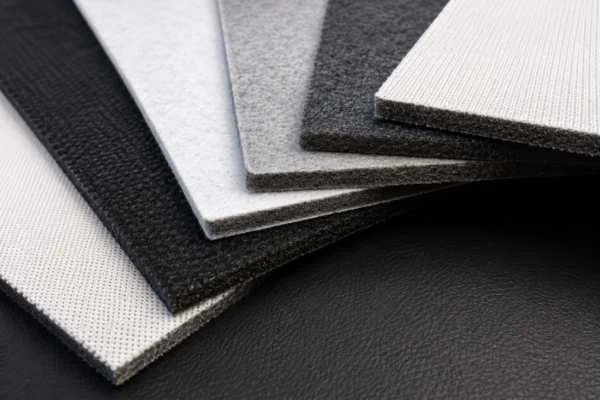
Multi-Layer & Composite Materials
- Typical Materials: Foam-backed textile, quilted fabric, reinforced fabric, laminated bag material
- Cutting Behavior: Different layers may compress, separate or cut unevenly
- Recommended Configuration: Oscillating knife with controlled pressure and proper blade depth
Not sure which setup fits? Send your material, roll width and daily volume — MNT will recommend the right cutting configuration.
What a CNC Textile Cutting Machine Cuts — Fabrics & Applications by Industry
One CNC textile cutting machine covers many fabric families and industries. Match the fabric to the tool head — oscillating knife for woven and knit, wheel for technical textiles, drag for thin flexible material — and the C2516T handles apparel, home, technical and automotive textiles on the same bed.

Garment & Apparel Cutting

Home & Upholstery Textiles
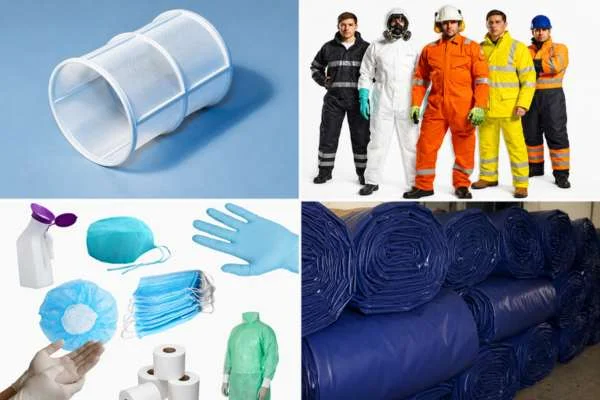
Technical & Industrial Textiles

Automotive Interiors

Soft Signage & Advertising
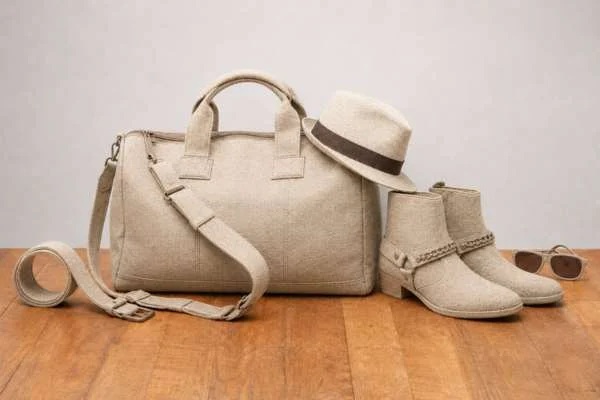
Bags, Footwear & Accessories
Not seeing your application here? Send your material and cutting layout — MNT will recommend the right textile cutting solution.
Textile Cutting Machines in This Range
MNT provides different textile cutting machine options for sampling, small-batch production, automated single-ply cutting and customized fabric processing. Buyers can choose the right machine according to fabric type, roll width, cutting volume, feeding method, nesting requirement and factory workflow.
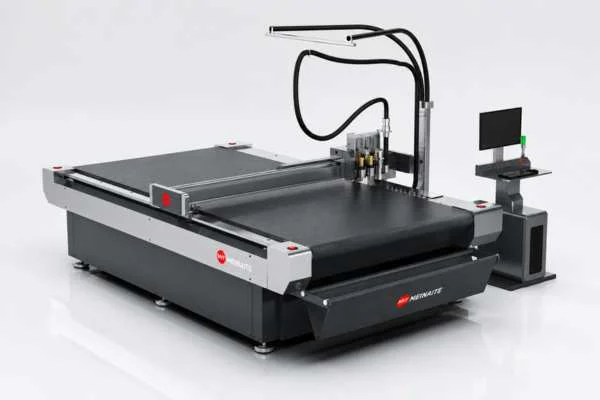
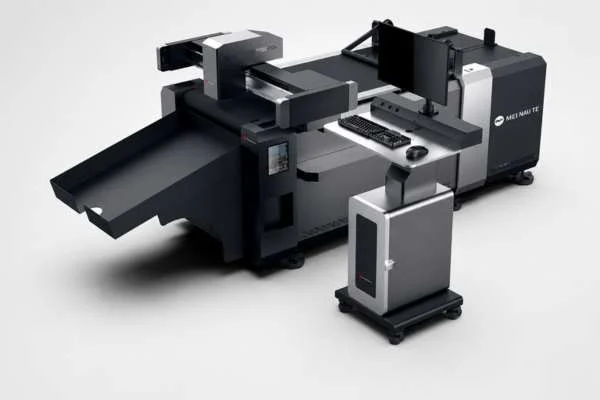
C2516T — 2.5 × 1.6 M Digital Flatbed Cutter
- Suitable for fabric samples, small-batch cutting and on-demand textile production
- Works for woven fabric, printed panels, coated textile and flexible sheet materials
- Supports knife cutting, vacuum holding and CCD edge detection
- Recommended for buyers who need flexible cutting before scaling production
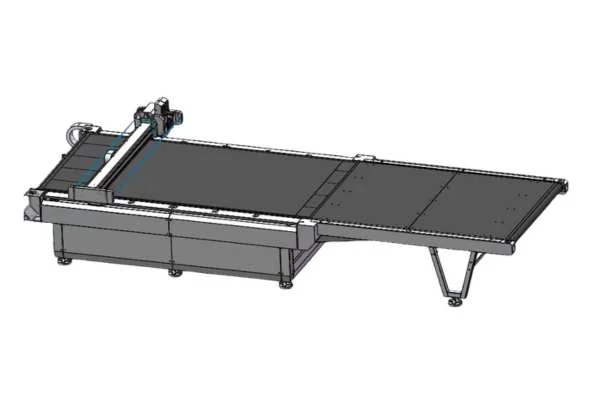
C6090 — Automated Single-Ply Line
- Designed for higher-volume textile and garment production
- Integrates feeding, nesting, cutting, unloading and sorting into one workflow
- Helps reduce manual handling and improve cutting consistency
- Suitable for factories moving from manual cutting to automated single-ply cutting
Custom Textile Cutting Machine
- Built for special fabric width, technical textiles or non-standard cutting layouts
- Can be configured with roll feeding, CCD alignment, conveyor table or custom working size
- Suitable for printed textile, coated fabric, industrial fabric and special material projects
- Recommended when standard models cannot fully match your material or workflow
Need a different bed size or setup? Tell us your material and layout — MNT will recommend a custom C-series configuration.
How Does a CNC Textile Cutting Machine Work?
From pattern file to sorted fabric bundles: one operator loads the roll, while the MNT CNC textile cutting machine imports, nests, feeds, aligns and cuts automatically.
Step 1 · Import Pattern Files
Import DXF, PLT or HPGL files from your existing CAD or pattern system.
Human touch: operator selects the file.
Step 2 · Auto-Nest Markers
Nesting software arranges pattern pieces across the fabric width and can improve material utilisation by about 5–10%.
Human touch: runs unattended.
Step 3 · Load Fabric Roll
The operator places the fabric roll on the feeding system for continuous cutting.
Human touch: operator loads the roll.
Step 4 · CCD Alignment
CCD reads marks, edges or reference points to match the cutting path with the real fabric position.
Human touch: runs unattended.
Step 5 · CNC Knife Cutting
The cutting head follows the nested path with the selected knife tool. Speed is adjusted by fabric type and edge requirement.
Human touch: runs unattended.
Step 6 · Sort Cut Pieces
Finished pieces are removed and sorted by size, style, order or bundle requirement.
Human touch: operator collects and sorts.
Knife vs Laser vs Die Cutting: Which Suits Textile Work?
| Comparison Point | Digital knife (CNC) | CO2 laser | Die / press cutting |
|---|---|---|---|
| Edge on cotton, wool, denim | Clean, cold cut — no scorch, no smell | Scorches and yellows natural fibre; fume extraction needed | Clean |
| Tooling per new style | None — cut from file, change styles instantly | None | New die per shape; cost and lead time per style |
| Smallest viable batch | 1 piece | 1 piece | Only pays off at high volume |
| Printed / patterned fabric | CCD camera follows the print | Possible, with HAZ risk on edges | No registration to print |
| Synthetic edge sealing | Not sealed; clean mechanical cut | Heat-seals polyester edges — laser wins here | Not sealed |
| Consumables | Blades; low cost, quick swap | Laser tube, lenses, gas | Dies |
Why Choose MNT for Your CNC Textile Cutting Machine Project
Before ordering a CNC textile cutting machine, buyers can verify MNT by factory scale, owned technology, configuration method and pre-shipment inspection.
Distributor or OEM partner? Territory, spare-parts commitment and technical training are what decide whether a machine is worth carrying. Talk to us about partnership.
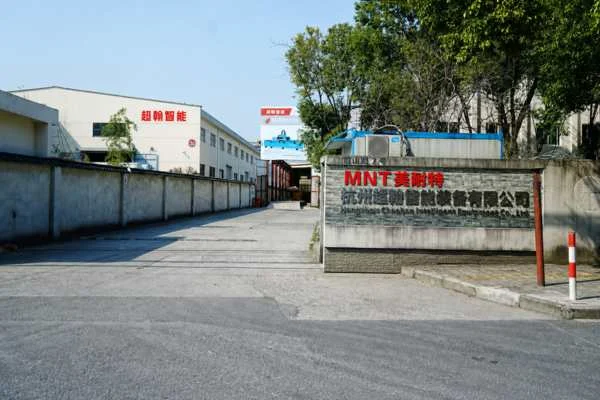
Factory-Direct Supply
- For distributors: garment and home-textile plants cluster in the same industrial parks — land one and the next three are a referral away, and they replace cutting equipment far more often than metal shops do
MNT builds CNC cutting machines in its own 10,000 m² factory, established in 2010, with 700+ machines produced each year.
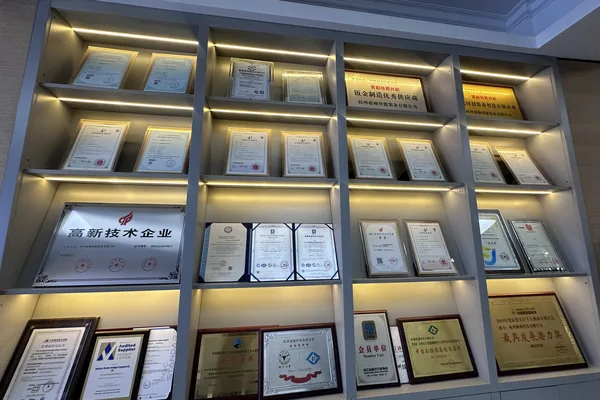
Patents and Software Copyright
- For distributors: spare-parts commitment, territory and technical training are the three things that decide whether a machine is worth carrying — all three are set out on our partnership page
MNT holds 8 patents, including 1 invention patent and 1 software copyright, supporting machine structure, control and cutting workflow development.
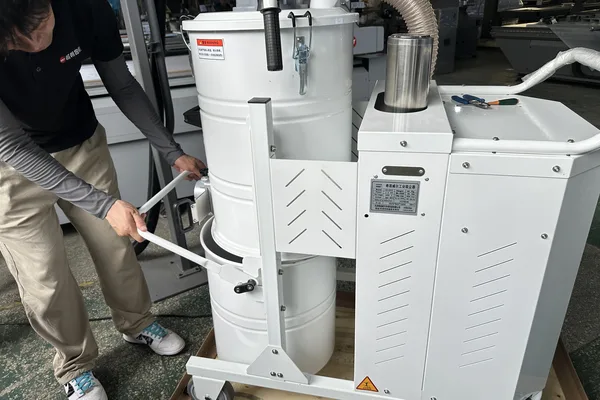
Configuration Matched to Your Needs
MNT recommends the table size, knife tool, feeding method, CCD option and vacuum system according to your fabric type, width, thickness and production workflow.
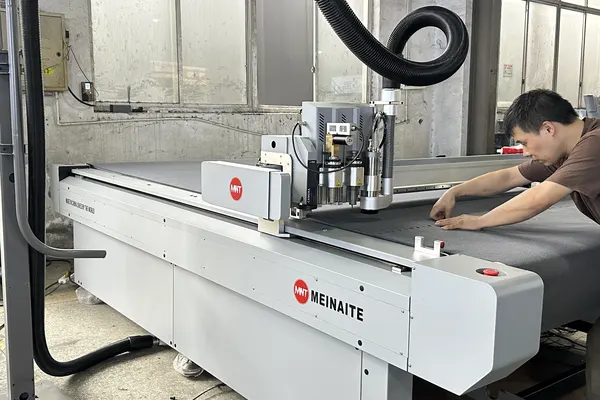
Pre-Shipment Test Before Delivery
Each machine is tested before shipment with motion check, cutting test, vacuum holding, CCD alignment and software operation.
Content on this page is reviewed by the MNT (MEINAITE) engineering team — manufacturer in Hangzhou since 2010.
FAQ about CNC Textile Cutting Machine
How do I choose between C2516T and C6090 for textile cutting?
Choose C2516T for samples, small batches and flexible fabric cutting; choose C6090 for automated single-ply production. C2516T has a 2500 × 1600 mm working area, while C6090 connects feeding, nesting, cutting, unloading and sorting into one workflow for higher-volume textile factories.
Can a CNC textile cutting machine cut denim, knit and coated fabric?
Yes. A CNC textile cutting machine can cut denim, knit, woven, coated and technical textile when the knife, vacuum and speed are configured correctly. MNT checks the material against 9 textile cutting behavior groups before recommending the tool and table setup.
Is a knife cutter better than laser cutting for cotton, wool and denim?
Yes, for natural fibres. A digital knife cuts cold, so cotton, wool and denim have no laser scorch, yellowing or smell. Laser is useful when synthetic fabric needs heat-sealed edges, but knife cutting is safer for mixed garment fabrics and natural textile work.
Can it cut printed fabric and follow registration marks?
Yes. CCD registration can read printed marks, fabric edges or reference points before cutting. This helps the cutting path follow the actual fabric position, which is useful for printed panels, patterned textile, sublimation fabric and placement designs.
What files should I send before a textile cutting test?
Send 1 pattern file and 1 real fabric sample before final machine selection. DXF, PLT and HPGL files are preferred, together with fabric width, thickness, stretch direction, roll form, daily cutting volume and the edge result you expect.
How many operators are needed to run the cutting workflow?
Usually 1 operator can run the basic single-ply cutting workflow. The operator selects the file, loads the roll and collects cut pieces, while nesting, feeding, CCD alignment and knife cutting run automatically. Larger lines may add workers for unloading and sorting.
What cutting speed can I expect on fabric?
The cutting speed range is 300–1800 mm/s, depending on fabric type, thickness, knife tool and edge quality requirement. Light woven fabric can run faster, while denim, coated textile and abrasive technical fabric usually need lower speed and a stronger blade setup.
CNC Textile Cutting Glossary — Key Terms
| Term | Definition |
|---|---|
| Single-ply cutting | Cutting one layer of fabric at a time instead of spreading 20–100 plies — enables on-demand runs down to a single garment and per-piece print registration. |
| Oscillating knife (EOT/OET) | A blade that vibrates rapidly up and down while moving, slicing textiles cleanly with near-zero kerf; the C2516T’s primary tool for woven and knit fabric. |
| Drag (non-oscillating) tool | A fixed blade that drags through flexible material under 3 mm — film, thin coated fabric and paper patterns. |
| Wheel cut tool (rotary wheel / round knife) | A rotary wheel — also called a round knife — that rolls continuously through the material instead of chopping at it. Used for technical textiles such as UV, carbon and glass-fibre fabric, and for breathable, mesh and nonwoven fabric where an oscillating blade tends to drag the weave out of shape. |
| Nesting / auto-typesetting | Software that packs pattern pieces tightly onto the fabric to raise material utilisation, typically by 5–10% versus manual layout. |
| CCD edge detection | A camera that reads printed registration marks so the cut path follows the artwork, keeping printed and patterned panels aligned. |
| Vacuum adsorption table | A perforated bed that uses suction to hold a single ply of fabric flat and still during the cut. |
| Kerf | The width of material removed by the cutting tool; a knife’s kerf is near zero versus a laser’s 0.1–0.3 mm, so knife-cut pieces stay dimensionally exact. |
| Heat-affected zone (HAZ) | The scorched or yellowed band a laser leaves at the cut edge of natural fibre; a knife has no HAZ, giving clean cotton, wool and denim edges. |
| HPGL / PLT / DXF | Standard vector pattern-file formats the C2516T imports from CAD and pattern-making software. |
How a CNC Textile Cutter Compares: Knife vs Laser vs Die
For natural fibres and mixed short runs a digital knife wins; a laser only pays off when you need sealed synthetic edges; a die suits huge identical volumes.
| Method | Best for | Edge on natural fibre | Batch / setup |
|---|---|---|---|
| Digital knife (C2516T) | On-demand single-ply, mixed styles, printed panels | Clean — no scorch, no yellowing, no smell | No die; cuts from 1 piece, instant style change |
| CO2 laser | Sealing polyester / synthetic edges, engraving | Scorches & yellows cotton / wool; smoke & smell | No die, but heat-affected zone |
| Die / press cutting | Very high volume of one identical shape | Clean | Needs a die per shape; slow to change |
Round knife or oscillating knife — which for breathable and soft textiles?
Use the round knife (rotary wheel) when the fabric is breathable, open-weave, mesh or nonwoven, and when the job is long continuous contours. The wheel rolls through the material so the weave is never pushed sideways, and because the blade never lifts it will not pluck loose fibres out of an open structure the way a reciprocating blade can. Use the oscillating knife for tight curves, sharp internal corners, dense woven and knit fabric, and anything thick enough that a wheel would need repeated passes. Many textile jobs run both in one rotation — the wheel for the long outer contour, the oscillating blade for notches and internal detail.
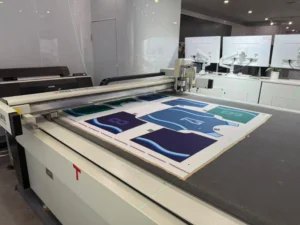
CNC Textile Cutting Machine Technical Support & Guides
Go deeper into fabric cutting methods, CCD registration and single-ply workflow before choosing a CNC textile cutting machine. These guides help engineers compare cutting methods, prepare test files and understand how MNT machines connect with real garment and textile production.
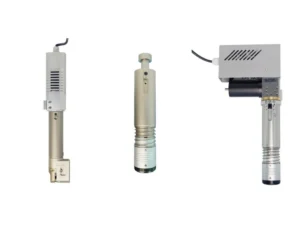
Oscillating Knife vs Rotary Knife vs Drag Knife: Which Tool for Which Material
Round knife against oscillating and drag blades — which tool the fabric actually wants, by weave, thickness and contour. The reasoning behind the tool-head choices on this page.
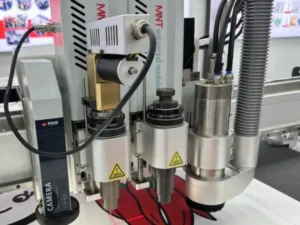
Oscillating Knife Blade Selection Chart by Material & Thickness
Blade type, angle and cutting depth by material and thickness — the working reference once the tool head is settled.
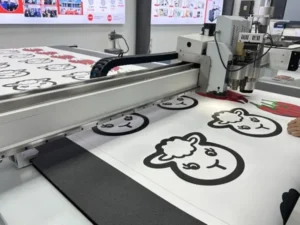
How to Choose a Digital Cutting Table: 12 Questions to Ask Before You Buy
Twelve questions to settle before quoting: vacuum zoning, roll versus sheet feed, tool-head options, vision registration and changeover time.
Let's Start Your Textile Cutting Project
Tell us your fabric, daily volume and layout — our engineer replies within one business day with spec and pricing.