Compare Machine Types
Router vs laser vs digital cutter vs machining center — by material and application.
Compare the machines
A practical guide to buying a CNC router, machining center, digital cutter or fiber laser — what to evaluate, how to spec it, and how to vet the supplier before you commit.
Where to Start
The machine type follows your material — see the machine comparison first; then evaluate these six factors before you buy.
| What to evaluate | What to check | Why it matters |
|---|---|---|
| Material & thickness | Every material you cut and the maximum thickness | Decides the machine type and power |
| Throughput | Sheets or parts per day, number of shifts | Sizes table, automation and spindle/laser power |
| Precision & repeatability | Required tolerance (our machines publish ±0.01–0.05 mm depending on model) and edge quality | Critical for parts, LED letters and gaskets |
| Automation | ATC, CCD vision, auto-feed, nesting, zoned vacuum | Cuts labor and lifts material yield |
| Power & specs | Laser kW (1.5 / 3 / 6 kW), spindle kW (3–11 kW), drive type — direct drive, rack and pinion or ball screw | Sets cutting speed and capacity |
| Supplier & after-sales | Real factory, CE/ISO, patents, spare parts, warranty | De-risks the purchase and protects uptime |
Start from the material, literally. The six checks above size the machine, but the first question — which process even applies — is answered material by material. These pages each cover one stock type: what it does under a blade or a cutter, where it fails, and which of our machines is specified for it.
That is a shortlist; the full product index groups all of them by material family.
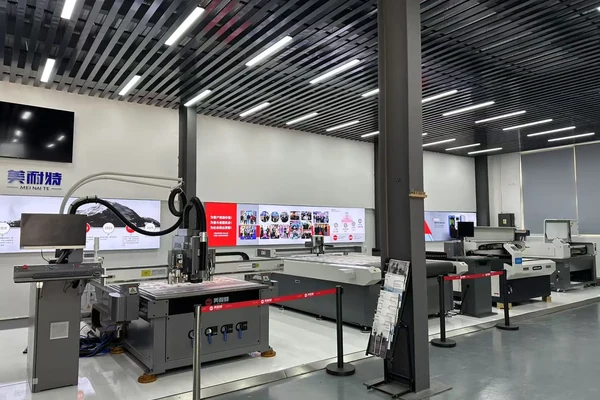
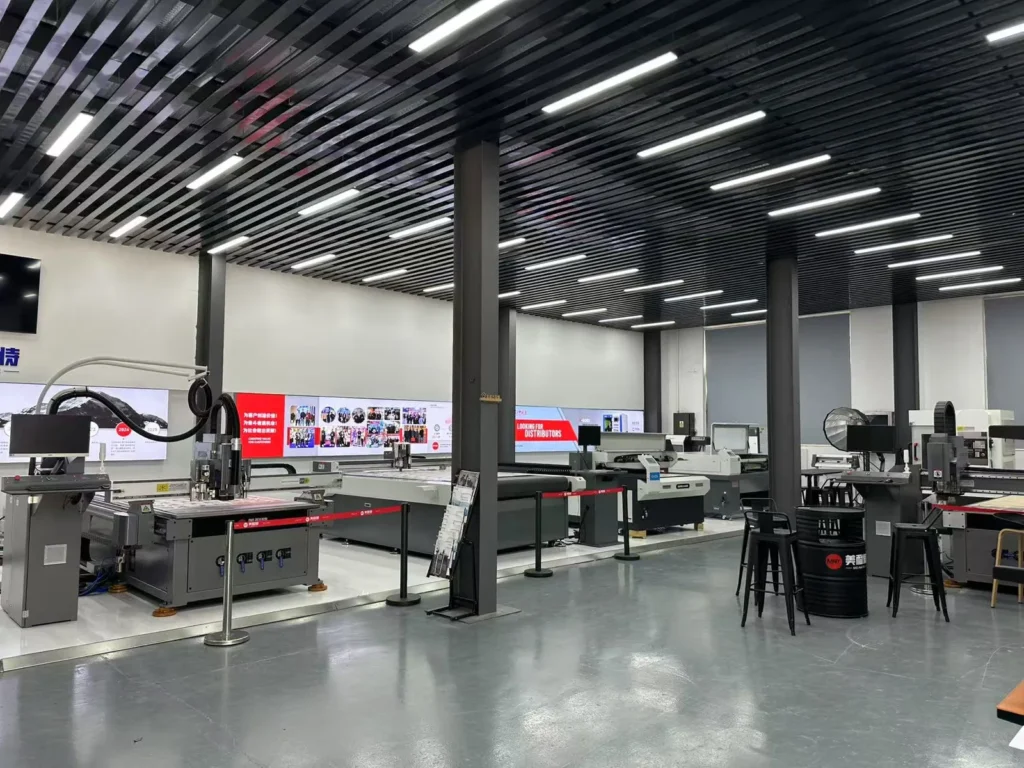
Half of a good purchase is the supplier — confirm you are buying from a real factory, not a trading company.
Ask for a factory video and a verifiable address, third-party CE and ISO 9001 certificates, registered patents, and a sample cut of your own material. Check spare-parts availability and warranty terms up front — they decide your long-term uptime. MNT (MEINAITE) is the export brand of Hangzhou Chaohan, a National High-tech Enterprise that builds every machine in its own 10,000 m² Hangzhou factory.
Next Steps
Once you know your material and specs, compare the machine types, browse the range, or vet our factory.
Router vs laser vs digital cutter vs machining center — by material and application.
Compare the machines
Browse every MNT CNC router, machining center, digital cutter and fiber laser.
Browse the range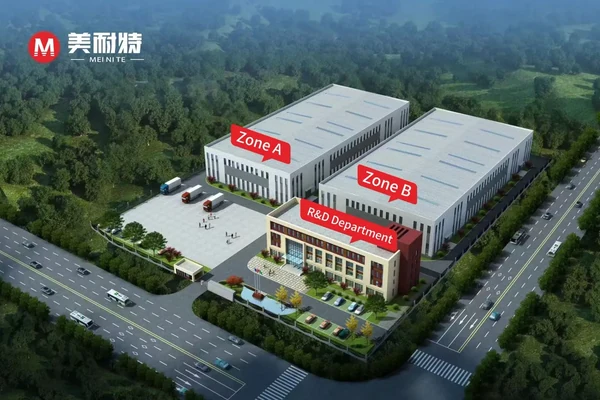
Confirm we are a real source factory — 10,000 m² plant, ISO 9001, CE, 8 patents.
Tour the factoryIt depends on your metal and thickness — roughly 1.5–3kW for thin sheet, 6kW+ for thicker plate or faster output. Send your material and max thickness and we size the right fiber laser.
Match table size to your panel size, add ATC for multi-tool jobs, and choose zoned vacuum for nesting throughput. The T-series routers work a 1300 × 2500 mm bed from single spindle to nine-station ATC; the M-series industrial routers take oversized sheet on a cast-iron gantry.
Choose ATC (automatic tool change) for complex jobs that need several tools without stopping; choose single-head for simpler, budget-focused work. Tell us your parts and we advise.
Ask for a factory video and address, CE/ISO certificates, patents and a sample cut. MNT (MEINAITE) is a real source factory — see our Hangzhou plant and certifications and patents.
Yes. Send your material spec and the parts you cut; our engineers run a sample cut and share a video so you can judge speed and edge quality before ordering.
Expect remote and on-site technical support, readily available spare parts, operator training and a clear warranty. Confirm parts lead time and support hours before you buy.
Send your material, thickness, parts and volume; an MNT engineer will recommend the machine and specs, and run a sample cut within one business day.
All Buying Guides
The six checks above are the short version. These work each one through for a specific machine family or material — including the maintenance load, which is the part most quotes leave out.
Power is the wrong first question — format, thickness band and edge requirement come first.
Where rigidity, tool stations and sheet format decide the spec, not spindle kilowatts.
Flexible material, no die, MOQ of one — what to check before you commit to a table size.
The numbers behind the spec sheet — tooling, feeds, yield and the failure modes to plan around.
Consumables and part design decide the running cost long after the machine is paid for.
What the machine asks of you every week — worth reading before the quote, not after.