
Packaging Industry Cutting Machine for Samples, Short Runs and Printed Packaging
If you run a packaging sample room, a prototyping studio, a POP display shop or a print business that has started taking packaging orders, your work is many designs in small quantities — and a steel-rule die for each one costs more than the job. MNT (MEINAITE) C-series digital cutters cut, crease and V-cut packaging straight from the dieline, on one vacuum table.
- A new structure is a new file — cut the sample the same day, no die to order
- Corrugated, folding carton, honeycomb, foam inserts and display board on one table
- The approved sample and the short run come off the same file
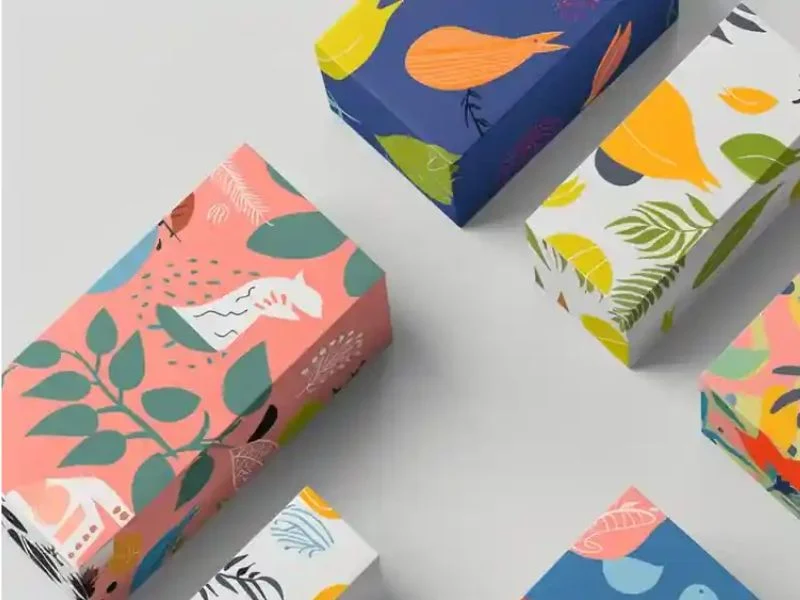
Why Packaging Samples and Short Runs Moved Off the Die
This page is written for the people who cut packaging in small numbers: sample rooms inside corrugated and carton converters, packaging prototyping studios and design agencies, POP and retail display makers, digital printers who now print boxes and cartons, and custom-box and foam-insert shops selling short runs online.
They share one problem. The traditional route — a steel-rule die on a platen press — is built for volume: a die is made per shape, takes days to arrive, and only pays for itself once you run roughly a thousand identical pieces. A brand approval cycle is the opposite: three structures, two revisions each, five samples of the winner. Cut those by hand with a knife and a ruler and the sample does not look like the production box; order dies and the project stalls for a week per revision.
Where a digital cutter fits. A flatbed knife table reads the same dieline your structural designer draws — in ArtiosCAD or any CAD that exports DXF or PLT — and cuts, creases and V-cuts it on vacuum. The sample is the production structure, not an approximation of it, and the approved file goes straight into the short run. The corrugated industry’s own technical standards, published by the Fibre Box Association, are the reference for the board grades you will be cutting.
If you already know your material, the cardboard cutting, digital die cutting and flatbed cutter pages cover the machine side. This page is about running the packaging business around it: who buys, what the line looks like, and where a knife table stops being the right answer.
Packaging Materials We Cut — and Where Each Is Covered
Each card says what the material does under a knife in a packaging shop, and links to the page where that material is covered in depth.
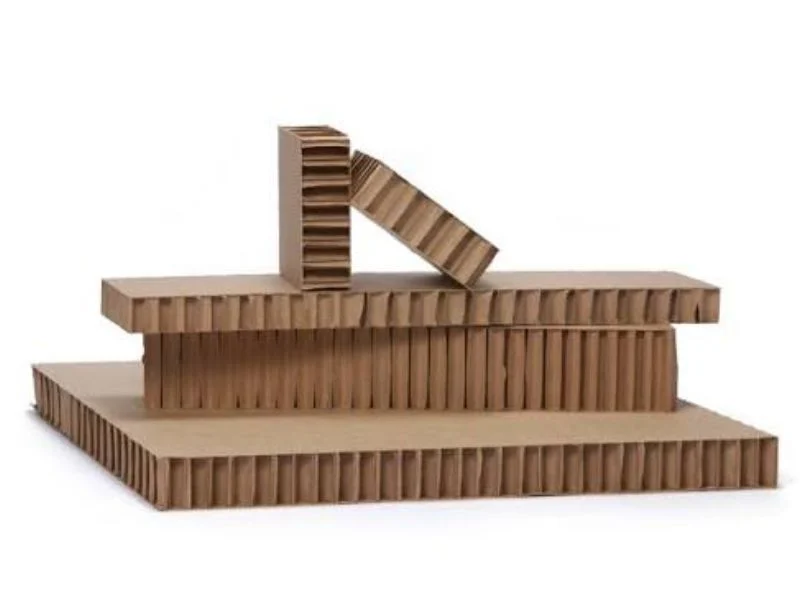
Corrugated and Honeycomb Board
- Formats: E, B, C and double-wall flute, triple-wall and honeycomb panels to 50 mm
- Watch out: a crease that is too deep cracks the liner on the fold, one too shallow springs back — the crease is harder than the cut
- How we cut it: oscillating knife plus creasing wheel set per flute; board-by-board detail on the cardboard page
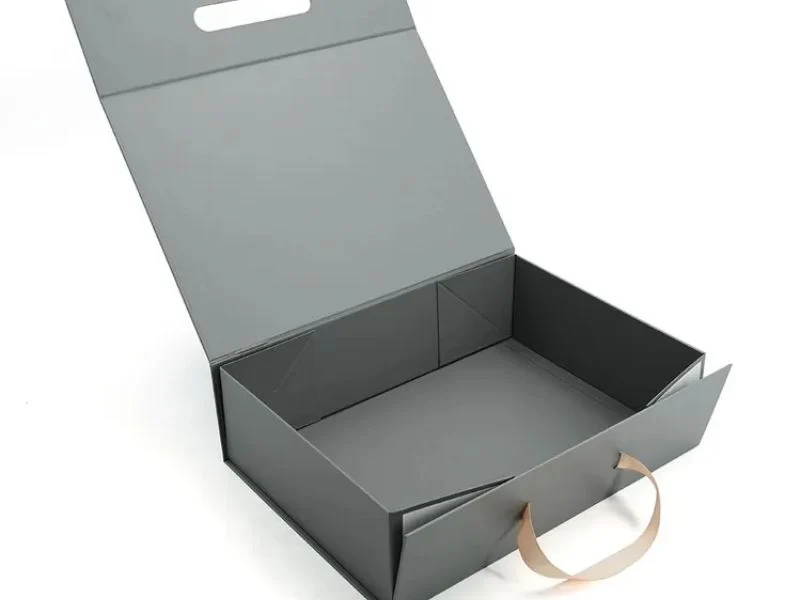
Folding Carton and Grey Board
- Formats: SBS, FBB and recycled carton board, chipboard and grey board for rigid boxes
- Watch out: thin carton board shows every wobble in a crease line, and a brand manager will notice it
- How we cut it: drag knife and creasing tool from the dieline; tooling detail on the digital die cutting page
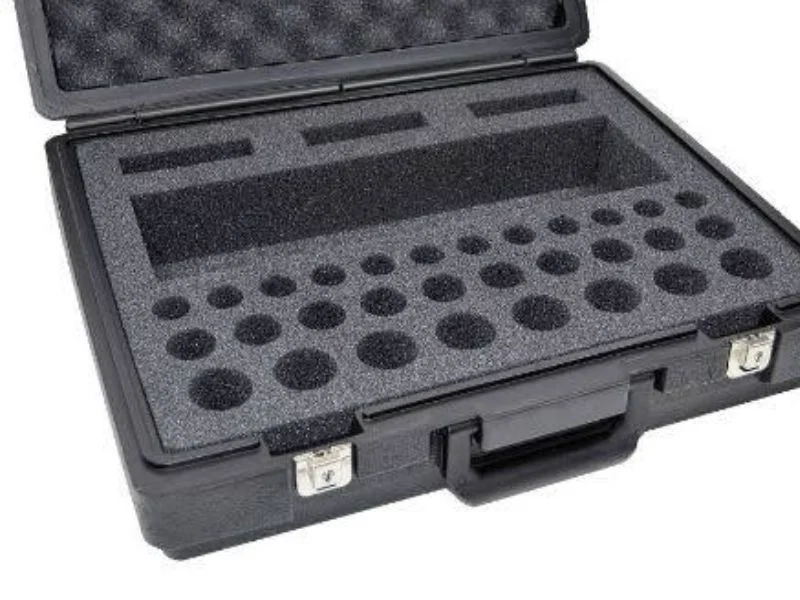
Foam Inserts and Case Liners
- Formats: EPE, EVA and PE foam inserts, layered case foam and cushioning pads
- Watch out: hot-wire and laser melt the pocket walls, so the product fits loose and the edge looks cheap
- How we cut it: cold knife, square pocket walls; foam grades on the EVA and PE foam page

Foam Board and PVC for Displays
- Formats: foam core, KT board, PVC foam board and printed display board
- Watch out: foam core crushes at the edge under a dull or dragging blade
- How we cut it: oscillating knife with bevel option; display board detail on the foam board page
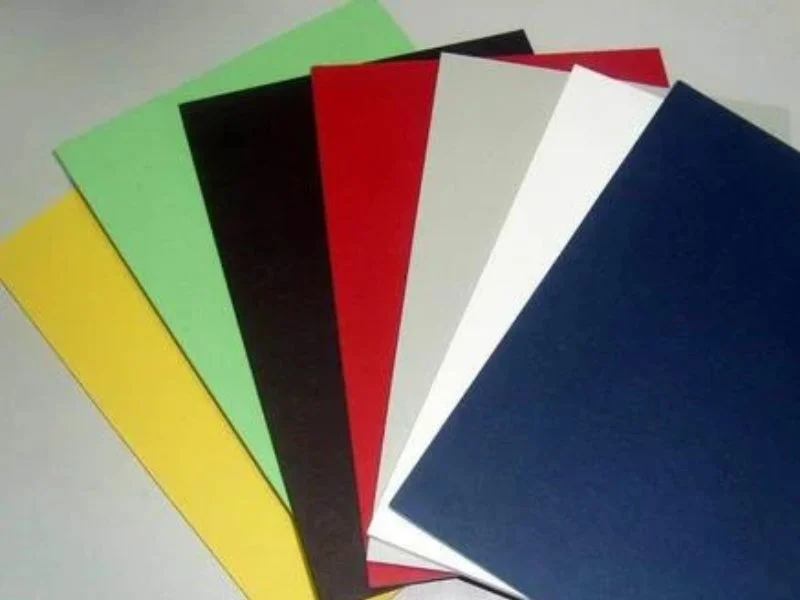
Printed Sheets and Print-to-Cut
- Formats: digitally printed corrugated, carton and display board
- Watch out: a printed sheet is never exactly where the file says it is — cut blind and the crease misses the print
- How we cut it: camera reads registration marks and shifts the cut to the print; registration detail on the flatbed cutter page

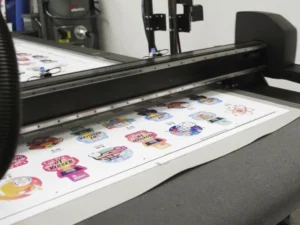
Labels and Kiss-Cut Stickers
- Formats: self-adhesive label stock on sheet or roll
- Watch out: cut through the liner and the labels fall out of the sheet
- How we cut it: kiss-cut on the flatbed, or print and cut labels from the roll on the C4235
Cut and crease behaviour verified on MNT C-series tables at Hangzhou Chaohan; material detail on each linked page.
Packaging Businesses That Cut Without a Die
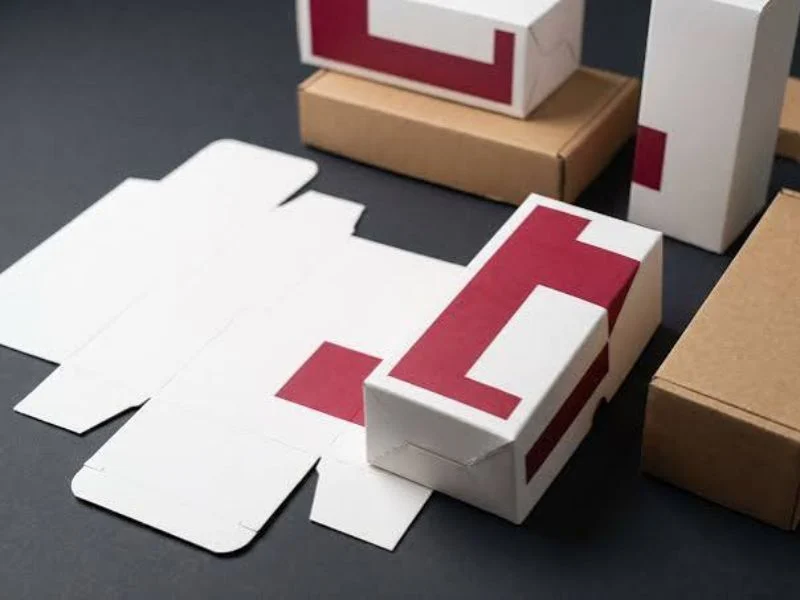
Converter Sample Rooms
- Parts: structural samples for brand approval, trial boxes for line tests, sales samples
- The hard part: the sample is due before the die would arrive, and it must fold like the production box
- What you get: the production structure cut the day the dieline is signed off
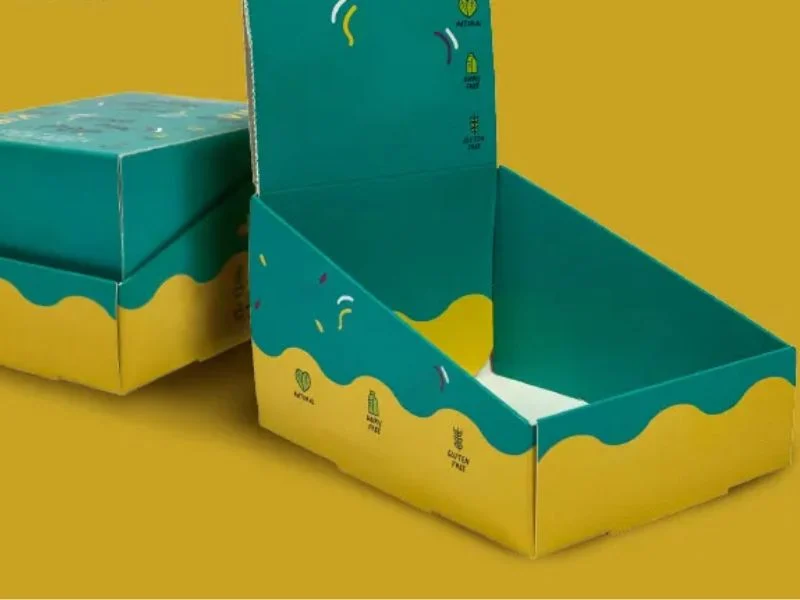
Packaging Prototyping Studios
- Parts: presentation mock-ups, printed prototypes, retail-ready packaging concepts
- The hard part: three concepts, two revisions each, all due for one client meeting
- What you get: every revision cut from the file within the hour — no die, no hand-cut edges
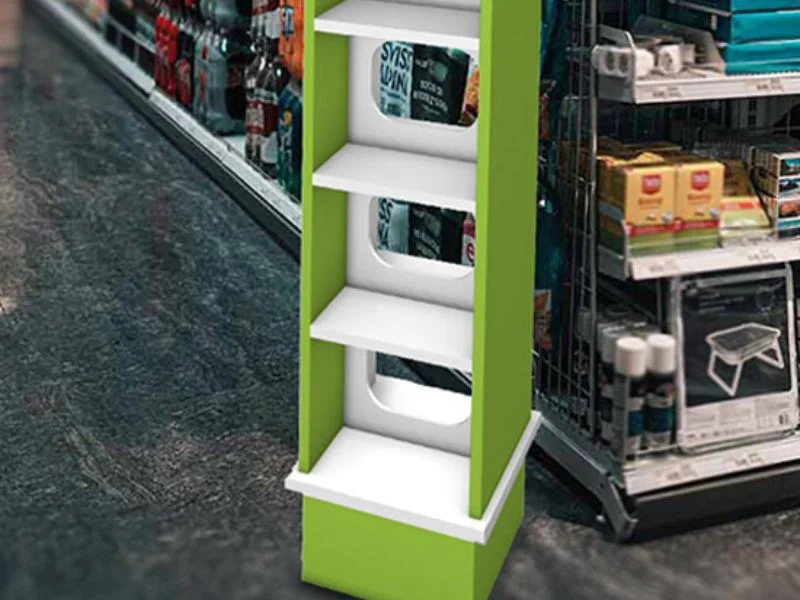
POP and Retail Display Makers
- Parts: counter and floor displays, shelf trays, standees, dump bins
- The hard part: large printed panels in corrugated and foam board, a few hundred of each design
- What you get: panels cut in register with the print, creased to fold flat for shipping
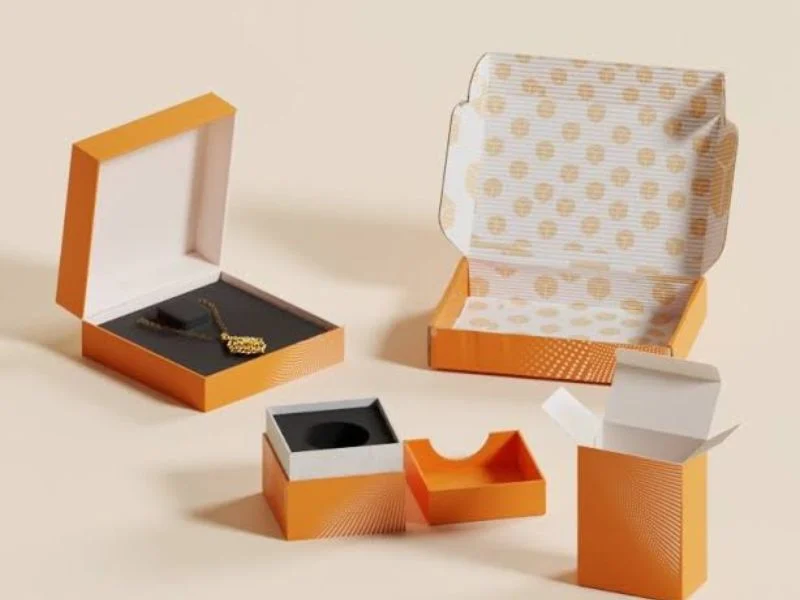
Custom Box and E-Commerce Packaging
- Parts: mailer boxes, custom-size shipping boxes, subscription and gift boxes
- The hard part: hundreds of SKUs ordered in tens and hundreds, never in thousands
- What you get: any size on demand from a parametric dieline — the die rack never gets built
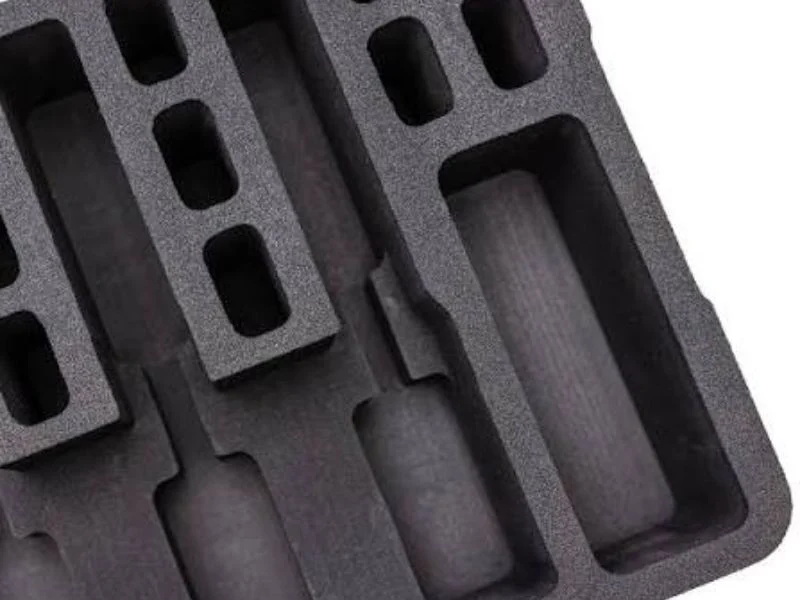
Foam Insert and Case Shops
- Parts: tool-case foam, instrument inserts, protective packaging for electronics
- The hard part: each insert is a one-off shaped around one product
- What you get: layered foam cut pocket-by-pocket from the product outline
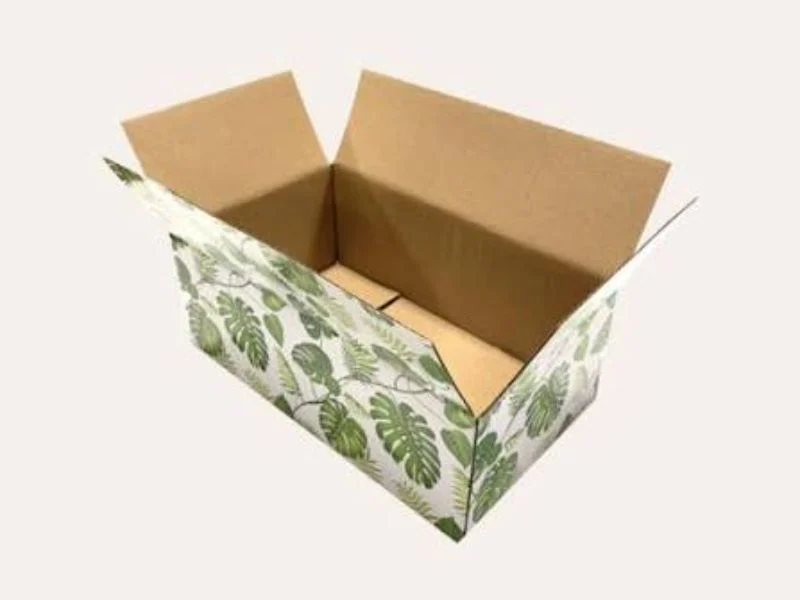
Print Shops Taking Packaging Orders
- Parts: short-run printed cartons, labels and printed display packaging
- The hard part: the printer is digital but finishing is still a guillotine and a hand knife
- What you get: a finishing step that matches the flexibility of the press
Buyer mix drawn from MNT installs in converters, display makers and print shops; tooling per C-series build sheets.
Recommended MNT Packaging Cutting Machines
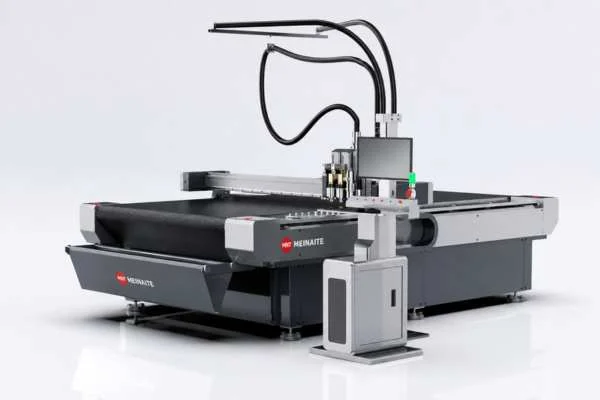
C2516T Digital Cutting Machine
- Cuts: corrugated, carton, honeycomb, foam inserts and printed board
- Specs: 2500 × 1600 mm · EOT oscillating + drag + milling spindle · creasing and V-cut options · belt auto-feed
- Best for: sample rooms and short-run production in one
- Price: From $16,900
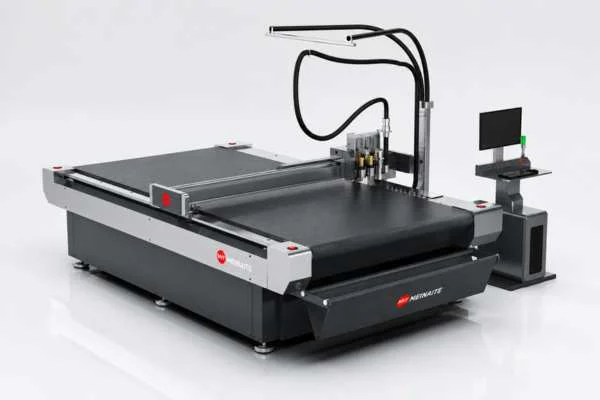
C3232 Digital Cutting Machine
- Cuts: full-size corrugated sheets, honeycomb panels and large POP displays
- Specs: 3200 × 3200 mm · POT pneumatic + EOT oscillating · vacuum · belt auto-feed
- Best for: POP display makers and board wider than 1600 mm
- Price: From $11,555
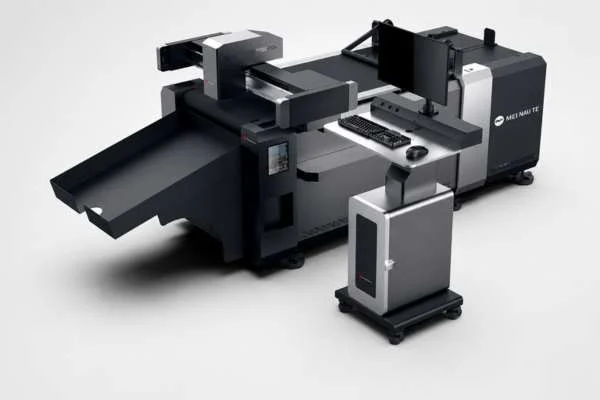
C6090 Digital Cutting Machine
- Cuts: folding carton samples, small boxes and foam inserts
- Specs: 600 × 900 / 600 × 1200 / 900 × 1200 mm · EOT + creasing standard · vacuum
- Best for: design studios and sample rooms with limited floor space
- Price: From $12,000
Specifications from MNT C-series build sheets; one platform, software and tool range — Hangzhou Chaohan.
From Dieline to Short Run on a Packaging Cutting Table
Four steps, and the first and last are where a digital line earns its money — the cutting in the middle is the fast part.
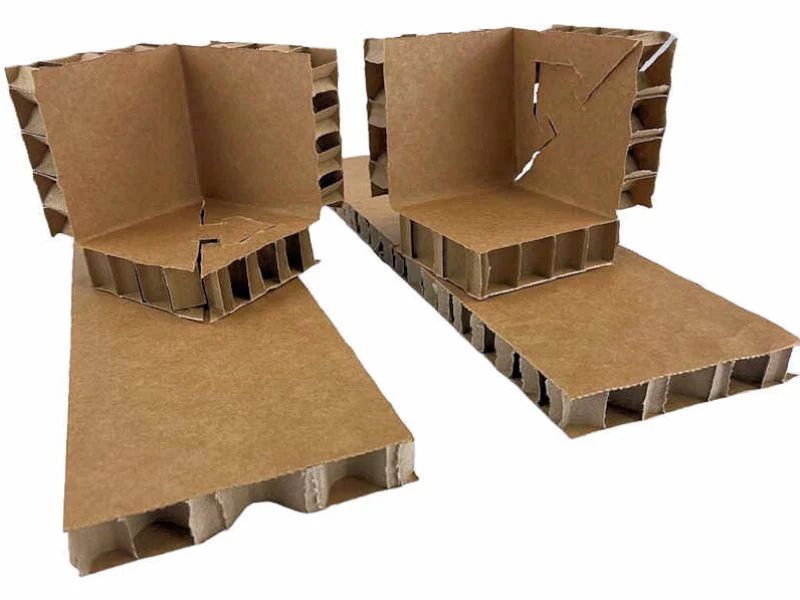
Dieline From Your Design Software
The structural designer’s dieline is the cut file — cut lines, crease lines and V-cut lines on separate layers. No redrawing for the machine, so the sample is exactly the structure that was designed.
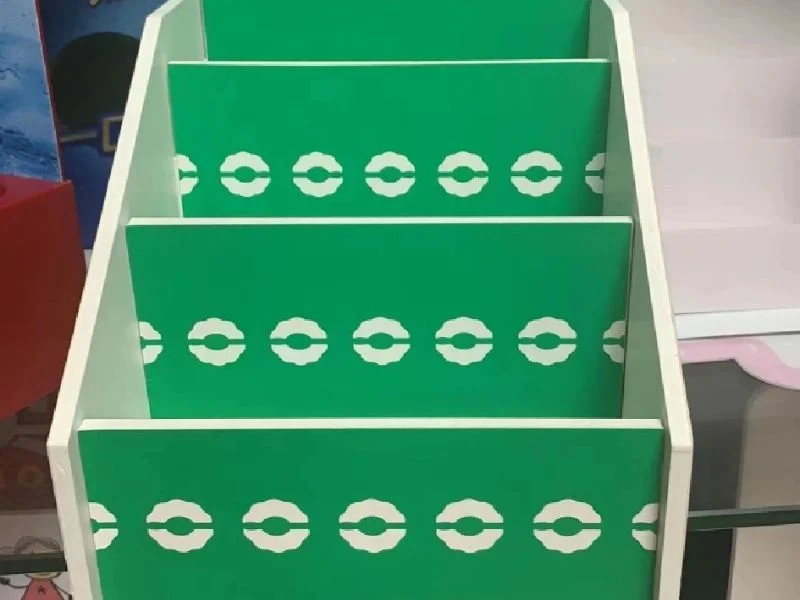
Cut, Crease and V-Cut in One Pass
The head carries more than one tool and switches by layer. The crease matters more than the cut: set crease depth per flute and board, and the sample folds like a die-cut production box.
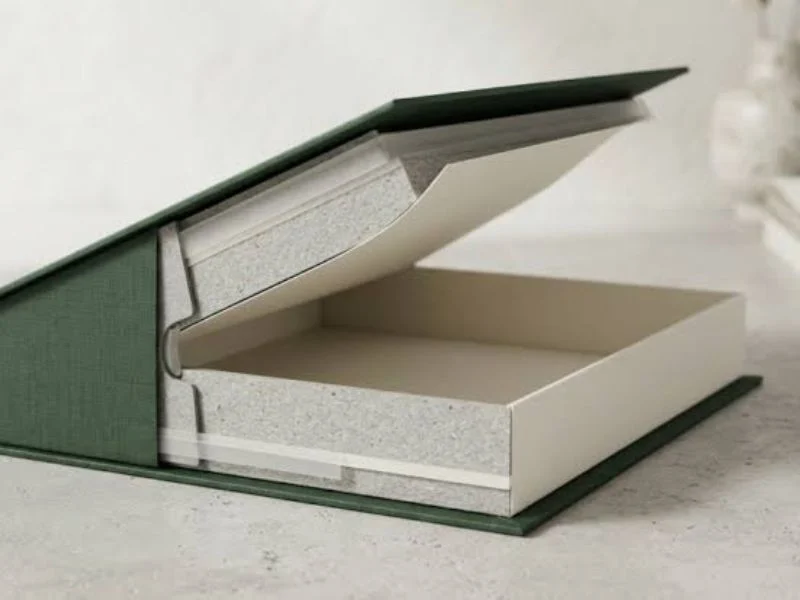
Registration on Printed Sheets
Digitally printed board never lands exactly where the file expects. The camera finds the registration marks and moves the whole cut path to match, so the crease sits on the printed fold line.
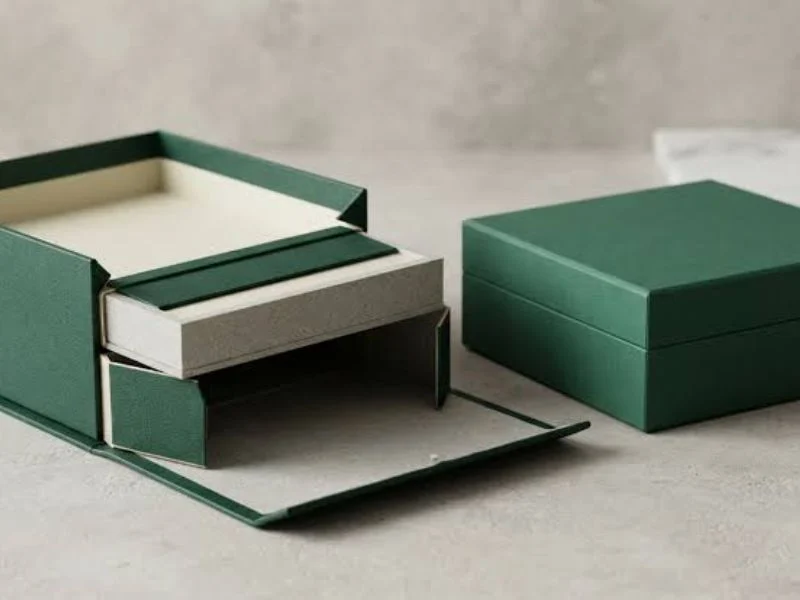
From Approved Sample to Short Run
Once the client signs off, the same file is nested across full sheets and run. There is no second tooling step between the sample and the order — which is where a die-based workflow loses the most time.
When a Packaging Job Needs a Die Press or a Different Machine
A flatbed cutter is the right tool for samples and short runs. It is not the right tool for everything in a packaging plant, and we would rather say so now.
One Carton at High Volume
Once a single structure runs unchanged from roughly a thousand pieces upward — and decisively at tens of thousands — a steel-rule die on a platen or rotary press is cheaper per piece. Cut the samples and the first short runs digitally, then make the die when the order is proven.
Box-on-Demand Fulfilment Lines
Machines that turn fanfold corrugated into finished shipping boxes inside a warehouse are a different category, priced and sized for fulfilment volume. A flatbed cutter makes samples, displays and short runs; it is not a replacement for a box-making line.
Flexible Packaging Film and Pouches
Printed film, pouches and bags are converted on slitting, laminating and pouch-making lines running from the roll. A vacuum knife table can cut a film sample, but it is not how flexible packaging is produced.
Why Packaging Shops Choose the C-Series
In packaging the machine earns its keep on turnaround, not headline speed — the job you win is the one where your sample arrives first and folds like the real box. About MNT (MEINAITE) — who builds it and where. Carrying the line? Territory and spare-parts terms are on our partnership page.
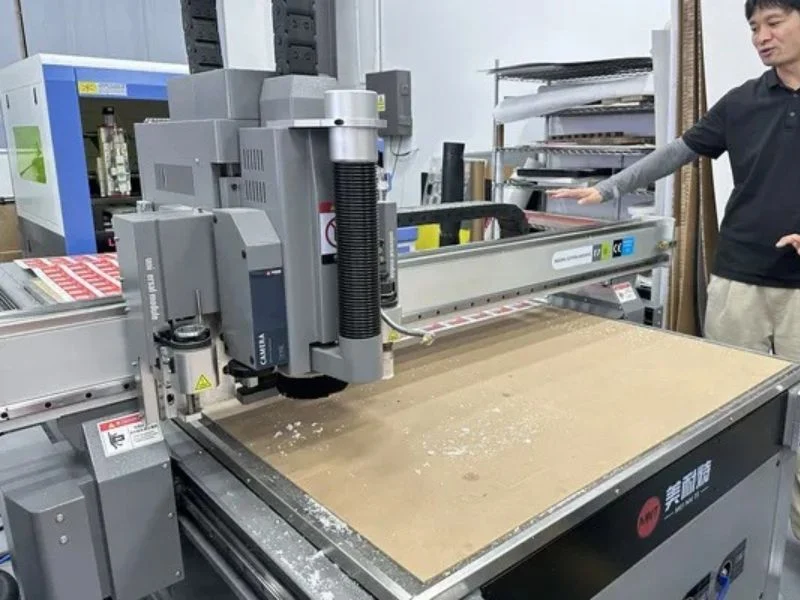
Sample Room and Short-Run Line in One Table
- Cut, crease, V-cut and kiss-cut on one carriage — board, foam and label stock without changing machine
- The approved sample file becomes the production file with no retooling
- For distributors: print buyers already pay die makers every month — you are replacing an outsourced cost they can see on their invoices, not selling a new idea, and creasing wheels and blades are a steady repeat order
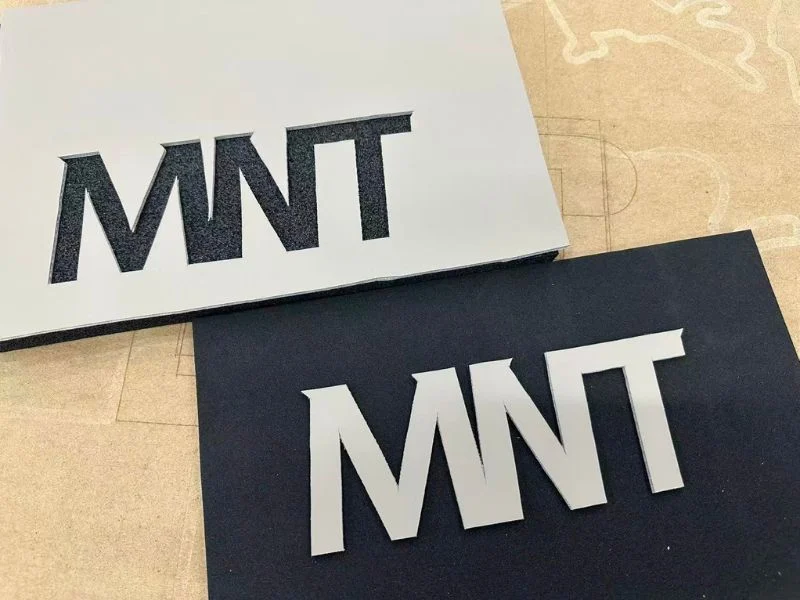
Revisions Measured in Minutes, Not Die Lead Times
- A revised dieline is cut as soon as it is saved — no die to reorder
- Camera registration keeps printed samples in register with the artwork
- Distributors: territory, spare-parts stock and training terms are set out on our partnership page
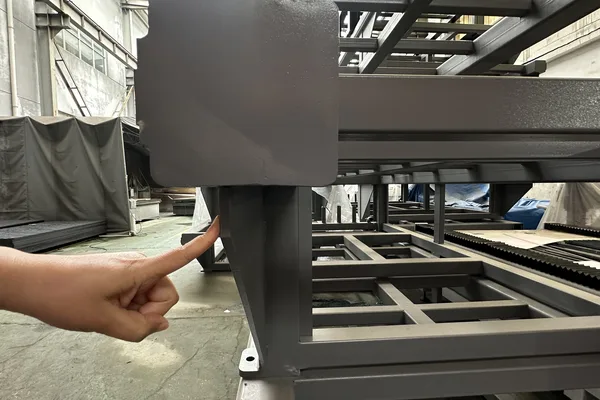
The Factory That Builds Your Packaging Cutting Table
- Frames are welded and machined in our Hangzhou plant, not bought in and badged
- A flat, stiff frame is what keeps crease depth even across a full corrugated sheet
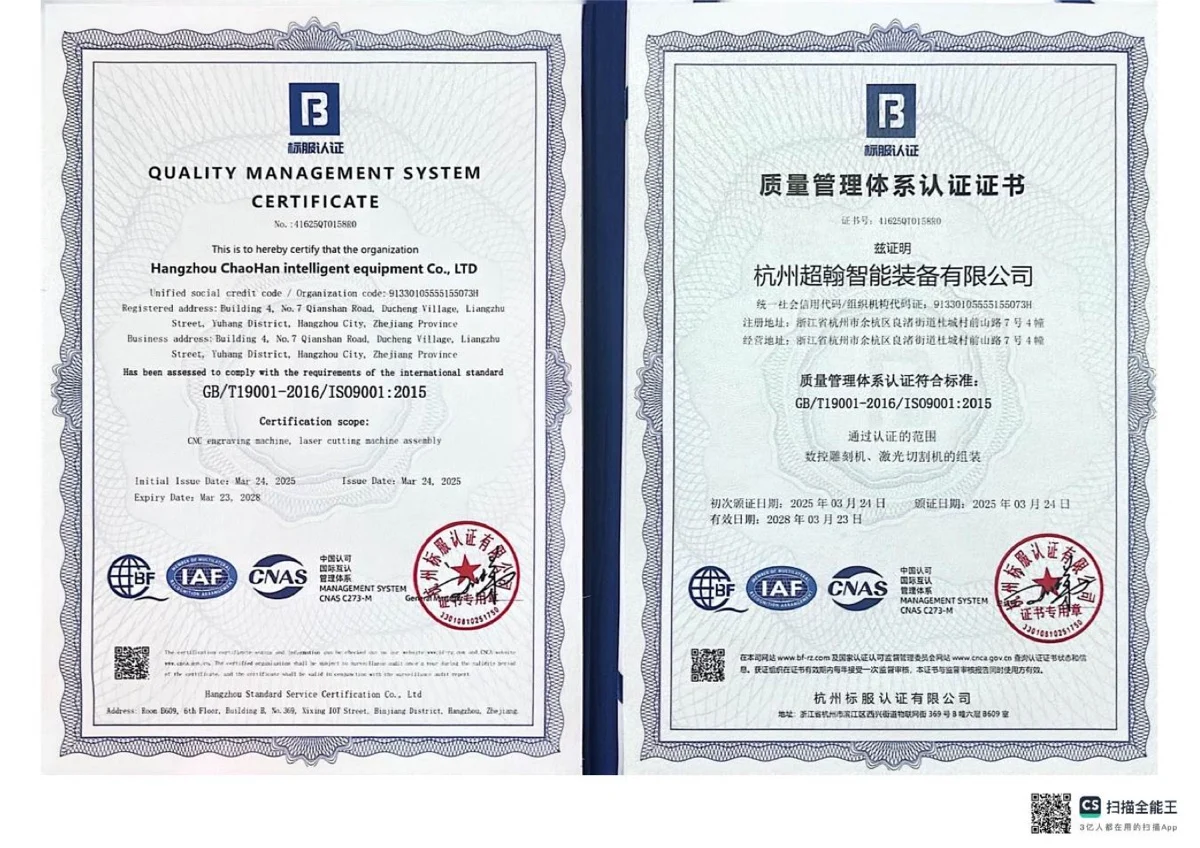
CE + ISO — Send a Dieline for a Free Sample
- CE marked and built under an ISO 9001:2015 certified quality system
- Send a dieline and your board grade — we cut and crease a sample and send back the part and the cycle time
CE-marked (EU 2006/42/EC), ISO 9001:2015; 8 patents incl. 1 invention patent; built by Hangzhou Chaohan, not traded.
Frequently Asked Questions
How much does a packaging cutting machine cost?
MNT C-series digital cutters start from about $11,500 to $17,000 depending on table size and tooling: the C3232 from $11,555, the C6090 from $12,000 and the C2516T from $16,900. Creasing, V-cut and camera registration are configured to your work — send your board types and typical sheet size and we quote the exact configuration.
When is a digital cutter cheaper than a steel-rule die for packaging?
Below roughly a thousand identical pieces of one structure, and whenever the design is still changing. A die costs money and days per shape; the digital cutter costs neither, so samples, revisions and short runs are cheaper without a die. Above that volume on a fixed carton, the die and press win per piece.
How fast can I turn a dieline into a physical sample?
The same day — usually within the hour. The dieline is the cut file, so there is no tooling step: load the board, run the file, fold the sample. Revisions are just as fast, which is why sample rooms and prototyping studios move to digital first.
Can one machine cut corrugated, folding carton, honeycomb and foam inserts?
Yes. The head carries a knife, a creasing wheel and optional V-cut and kiss-cut tools, switched by layer in the file. Corrugated, carton board, honeycomb panels and foam inserts up to 50 mm are cut on the same table in the same shift.
Which design software and file formats does it work with?
Any packaging design software that exports DXF, PLT or HPGL — including ArtiosCAD and most general CAD packages. Cut, crease and V-cut lines are kept on separate layers so the machine assigns the right tool to each.
Can it cut digitally printed packaging in register with the print?
Yes, with camera registration. The camera reads registration marks on the printed sheet and shifts the cut path to match, so creases land on the printed fold lines even when the sheet was placed slightly off.
Can a digital cutter replace a box-making machine?
No — they do different jobs. Box-on-demand machines make shipping boxes from fanfold corrugated at fulfilment volume; a digital cutter makes samples, displays and short runs of any structure. Most packaging businesses that buy one do not need the other.
Packaging Cutting — Technical Guides
The guides behind the recommendations on this page.
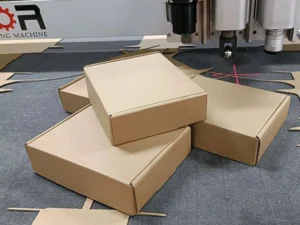
Cardboard Cutting for Packaging Sampling and Prototyping
How sample rooms run cardboard sampling and prototyping on a digital cutter, from dieline to folded sample.
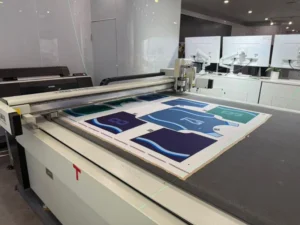
Digital Die Cutting vs Steel-Rule Die: Cost, Speed, and When to Switch
The cost and lead-time comparison behind the break-even on this page — and when to switch to a die.
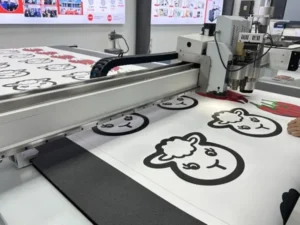
How to Choose a Digital Cutting Table: 12 Questions to Ask Before You Buy
The twelve questions to ask before you buy a packaging cutting table.