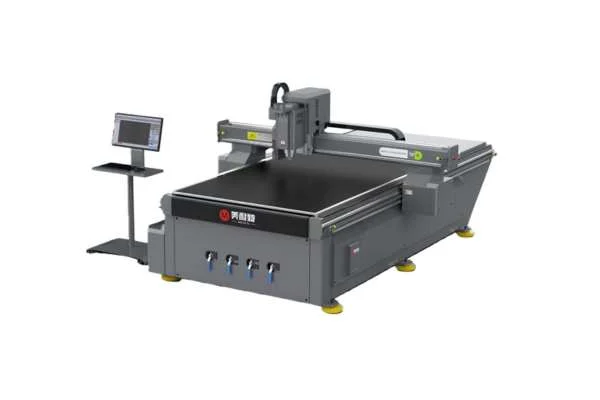
CNC Router
Choose for non-metal sheet and 3D engraving. Best for acrylic, PVC, wood and aluminum-composite signage — not for cutting metal.
Explore CNC routers
Compare MNT (MEINAITE) machines by material and application — CNC router, machining center, digital cutter and fiber laser. The right choice follows what you cut, and our engineers help you confirm it.
Compare at a Glance
MNT machines split two ways: by material, and by how much frame stands behind the cutter. Routers and digital cutters handle non-metals, fiber lasers handle metal, and the heavy industrial routers — sold as machining centres — take the oversized sheet and the part that has depth.
| Machine | Cuts | How it cuts | Best for | Key models |
|---|---|---|---|---|
| CNC Router | Wood, acrylic, PVC, ACP, foam | Rotating spindle (mill & engrave) | Signage, furniture, doors | T2–T7 |
| Industrial CNC Router (Machining Centre) | Acrylic, aluminium sheet, engineering plastics, composite panel | Cast-iron gantry, 9–11 kW ATC spindle, ±0.01–0.025 mm | Oversized sheet, multi-tool production, parts with depth | M-series |
| Digital Cutter | Leather, fabric, PTFE, foam, packaging board | Oscillating knife, die-less + CCD | Packaging, apparel, gaskets, advertising | C-series |
| Fiber Laser | Stainless, carbon steel, aluminum, copper | Fiber laser beam (sheet & tube) | Sheet-metal & tube fabrication | X-series |
Already know your material? The full product index groups every application page we have written by material family — rubber and sealing, textile and leather, composites and engineering plastics, board and packaging, metal — so you can skip straight to the page that covers your stock rather than working down from the machine type.
Choose by Application
Pick by what you cut most: non-metal sheet, soft materials, precision metal parts or metal sheet and tube.
Choose for non-metal sheet and 3D engraving. Best for acrylic, PVC, wood and aluminum-composite signage — not for cutting metal.
Explore CNC routers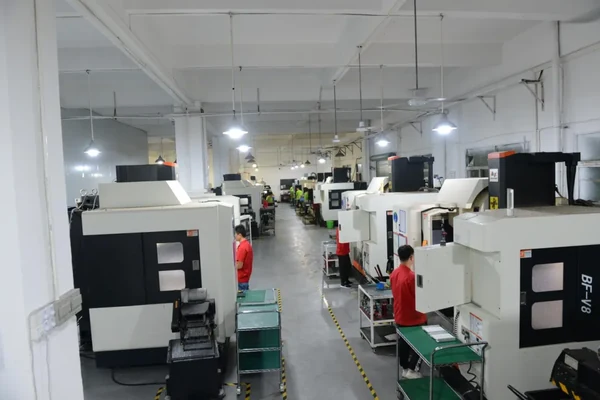
Choose when the sheet is oversized or the part has depth. Cast-iron gantry over a zoned vacuum bed, 9–11 kW ATC spindle, beds to 4000 × 2000 mm — panel material, not billet.
See industrial CNC routers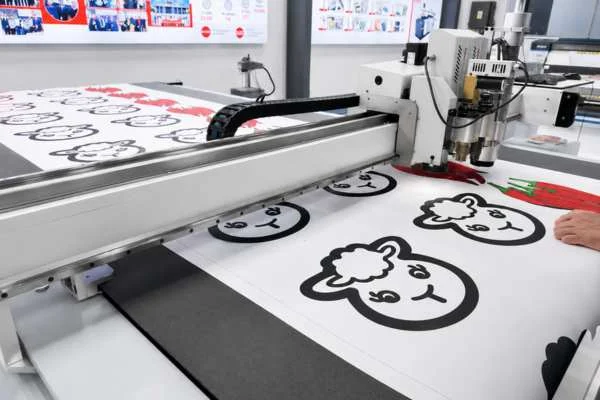
Choose for soft and flexible materials, die-less. Best for leather, fabric, PTFE, foam and packaging board with CCD contour cutting.
View digital cutters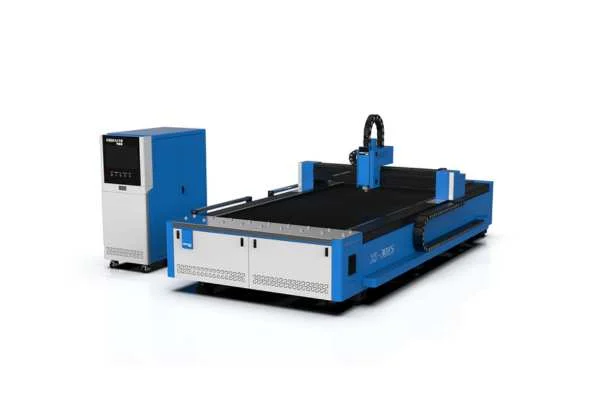
Choose for metal. Best for stainless, carbon steel, aluminum and copper sheet and tube — not for wood or acrylic.
Browse fiber lasersChoose a CNC router for non-metals — acrylic, PVC, wood and aluminum composite — and a fiber laser for metals such as steel, aluminum and copper. They cut different materials, so the choice follows your material, not the other way round.
Our X-series fiber lasers (1.5–6kW) cut stainless, carbon steel, aluminum and copper in both sheet and tube. For aluminium sheet and plate cut as panel work rather than billet, the M-series industrial routers are the better fit.
The C-series digital cutter handles soft and sheet materials die-less — leather, fabric, PTFE, foam, gaskets and corrugated packaging — using an oscillating knife and CCD contour cutting.
Usually no — routers and digital cutters handle non-metals, while fiber lasers handle metal. Many shops run a router plus a cutter or laser. Tell us your material mix and we will recommend the right combination.
It depends on the material: acrylic and PVC letters suit a CNC router, metal letters suit a fiber laser, and printed or soft media suit a digital cutter. Most sign shops pair a router with a cutter.
Both are CNC routers — the difference is how much frame stands behind the cutter. The T-series works a 1300 × 2500 mm bed; the M-series puts a cast-iron gantry over beds up to 4000 × 2000 mm, with a 9–11 kW ATC spindle and a zoned vacuum table, which is what holds tolerance across a full shift. Neither is a metal vertical machining centre — those clamp billet in a vice and cut steel, while these hold sheet on vacuum.
Send us your material, thickness and parts; an MNT engineer will recommend the right machine and run a sample cut within one business day.
All Comparisons
The table above settles which family you are in. These go one level deeper — process against process, model against model, and the configuration choices that change the quote.
Before you compare models, settle the process — a knife, a spindle and a laser fail on completely different materials.
Same family, different jobs — what actually changes between the models we would quote you.
The choices inside one machine — where the money goes and what it buys you.