
Sign Making Machines for Commercial Sign and Display Shops
A commercial sign shop cuts three kinds of material, and no single machine cuts all of them well: rigid board and letters, printed graphics and soft signage, and sheet metal. MNT (MEINAITE) builds a cutting machine for each — a CNC router, a digital knife cutter and a fiber laser — so you can plan the cutting side of the shop with one supplier.
- Router for acrylic, ACM, PVC and dimensional letters — with camera registration to printed panels
- Knife cutter for printed board, foam board, banner and soft signage
- Fiber laser for stainless and aluminium letters and metal sign faces
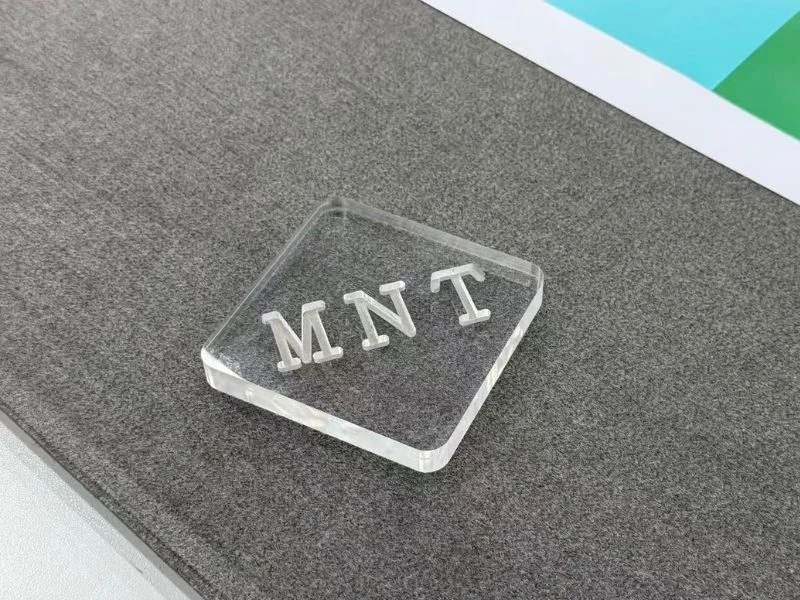
Which Sign Making Machine Cuts Which Part of the Job
This page is written for commercial sign shops, print service providers who have moved into rigid and dimensional signage, channel-letter and dimensional-letter fabricators, and exhibition and retail display builders.
Ask what a sign making machine is and you get a shopping list: a wide-format printer, a vinyl cutter, a router, a laser. The printer and the vinyl cutter are the easy part — most shops already own them. The expensive decisions are the cutting machines for everything that is not vinyl, and the usual mistake is to buy one of them and force every job through it: acrylic letters on a knife that cannot cut them, foam board on a router that crushes the edge, stainless letters sent out to a laser subcontractor at a margin you never see again.
The split that works. Rigid substrates — acrylic, ACM, PVC board, timber, HDU — are milled on a CNC router. Printed board, foam board, corrugated displays and textile signage are cut cold on a flatbed knife cutter with camera registration. Stainless steel, aluminium and brass letters and sign faces are cut on a fiber laser. Each machine is fastest and cleanest on its own material, and each pays for itself on the work you currently send out. The industry’s own trade body, the International Sign Association, is a good reference for what commercial sign work covers.
If the question is which router a sign shop should buy, our CNC router for sign making page answers it. This page covers the whole cutting side of a sign business — router, knife cutter and fiber laser — and which job goes to which machine.
Sign Making Materials — and Which Machine Cuts Each
Each card says which machine a sign material belongs on and why, and links to the page where that material is covered in depth.
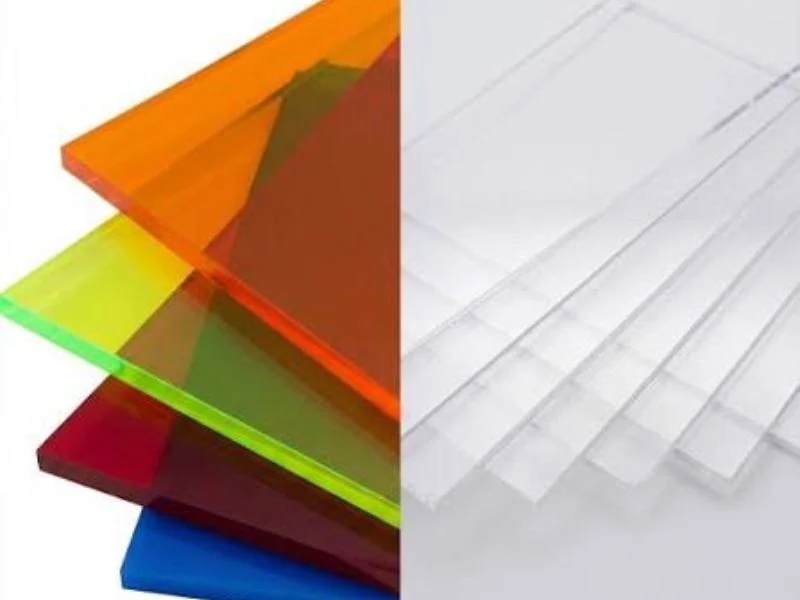
Acrylic and Polycarbonate
- Formats: cast and extruded acrylic, polycarbonate and PETG, 1–30 mm
- Watch out: the wrong feed melts acrylic onto the cutter and leaves a frosted, chipped edge that needs flame polishing
- How we cut it: router with single-flute tooling and the right chip load; detail on the acrylic page
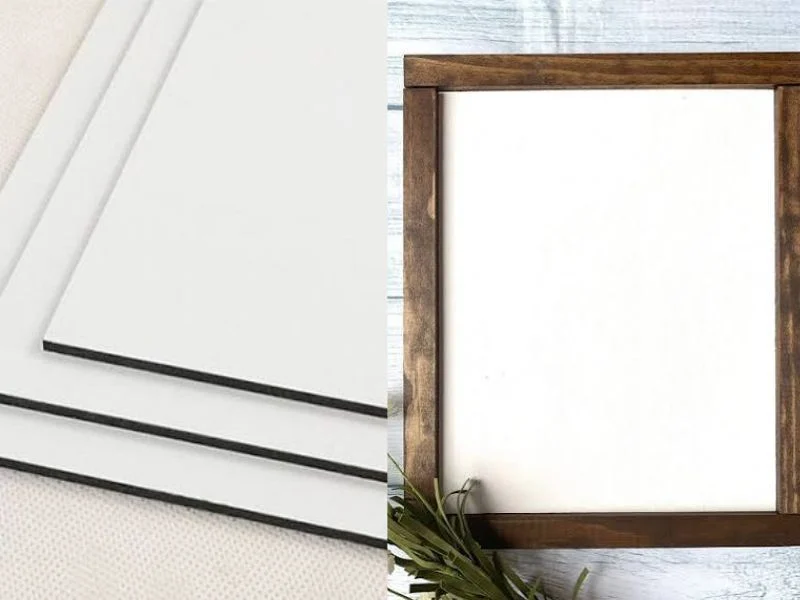
ACM, PVC Board and Sign Blanks
- Formats: aluminium composite panel, PVC foam board, HDU and timber sign blanks
- Watch out: ACM needs a V-groove to fold into returns, and the groove depth decides whether the skin cracks
- How we cut it: router with V-groove tooling for fold-up returns; detail on the sign-making router page
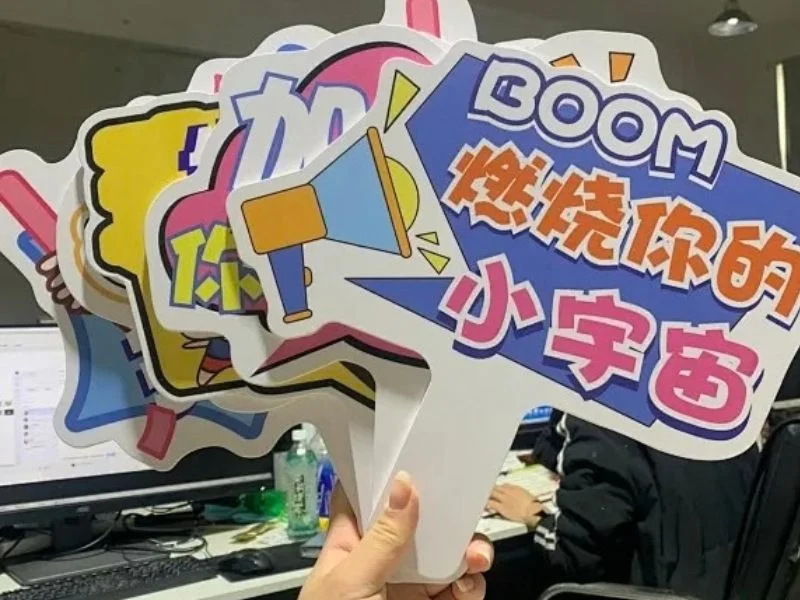
Foam Board and Display Board
- Formats: paper-faced foam core, Gatorboard, KT board and printed display board
- Watch out: a spinning router bit crushes and tears foam board at the edge
- How we cut it: cold oscillating knife, square edge, liner intact; detail on the foam board page
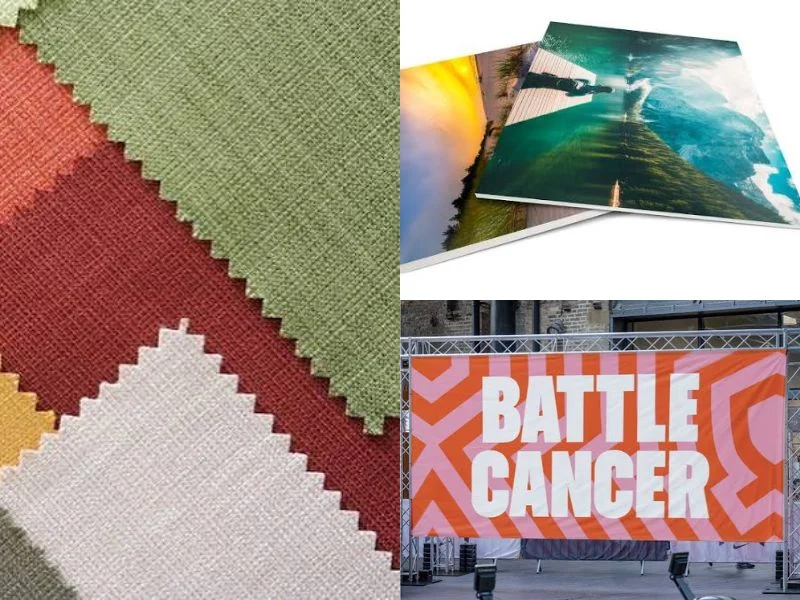
Printed Graphics, Banner and Textile
- Formats: printed rigid board, self-adhesive, PVC banner and SEG textile
- Watch out: the print is never exactly where the file says — cut blind and the white edge shows
- How we cut it: camera registration on a knife cutter; detail on the flatbed cutter page
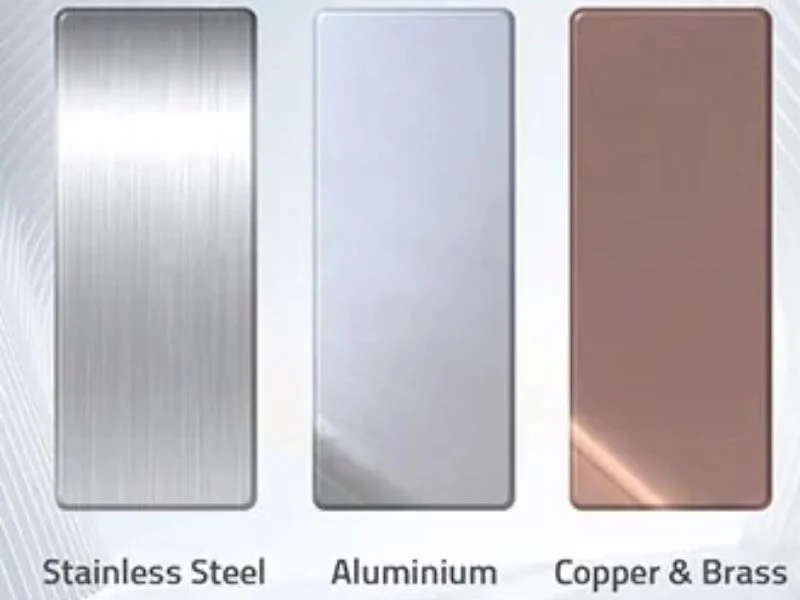
Stainless, Aluminium and Brass Sheet
- Formats: 0.5–3 mm stainless, aluminium and brass for letters, faces and plaques
- Watch out: stainless is the visible face of the sign — heat tint and dross on the edge show from the street
- How we cut it: fiber laser with nitrogen for a clean bright edge; detail on the sheet metal page
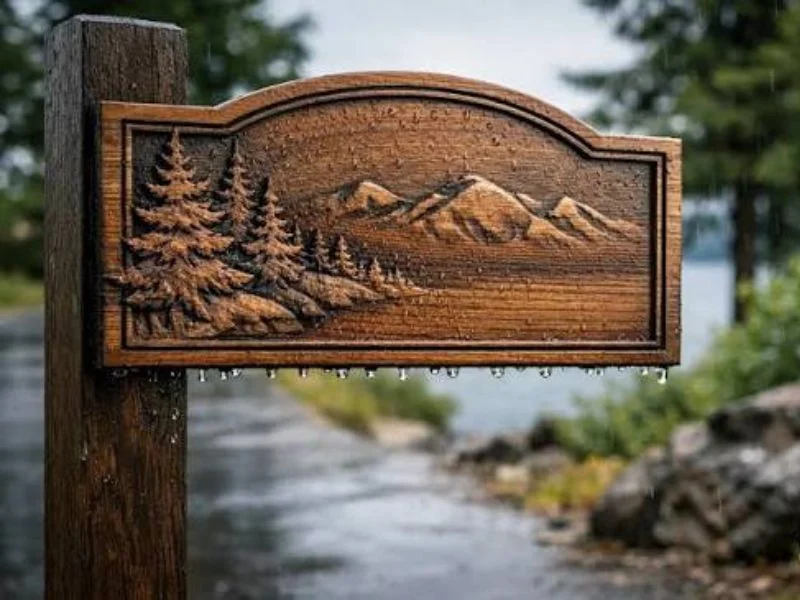
Timber and HDU for Carved Signs
- Formats: hardwood, cedar, MDF and high-density urethane sign board
- Watch out: carved and V-carved lettering needs depth control and tool changes a flat-cut machine does not have
- How we cut it: router with an automatic tool changer for rough, finish and V-carve in one program
Cut behaviour verified on MNT T-series routers, C-series knife cutters and X-series fiber lasers — Hangzhou Chaohan.
Sign and Display Businesses We Equip
Full-Service Commercial Sign Shops
- Parts: fascia panels, cut letters, wayfinding, vehicle-free rigid signage
- The hard part: every job mixes three materials, and the one the shop cannot cut gets outsourced
- What you get: a router and a knife cutter covering the non-metal work in-house, with metal letters on a laser when volume justifies it

Print Service Providers Moving Into Signage
- Parts: printed rigid boards, POP, exhibition graphics, contour-cut panels
- The hard part: the printer is fast and digital, but finishing is still a guillotine and a hand knife
- What you get: a camera-registered knife cutter that finishes at the speed the press prints
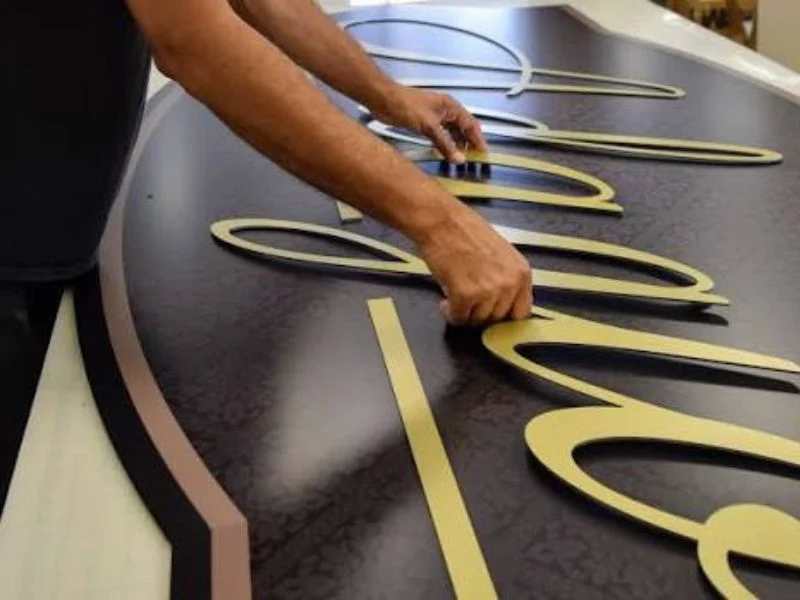
Channel-Letter and Dimensional-Letter Fabricators
- Parts: acrylic faces, ACM and aluminium backs, stainless and brass flat-cut letters
- The hard part: faces, backs and returns are three materials cut to the same outline
- What you get: faces on the router, metal letters on the laser, all from one artwork file
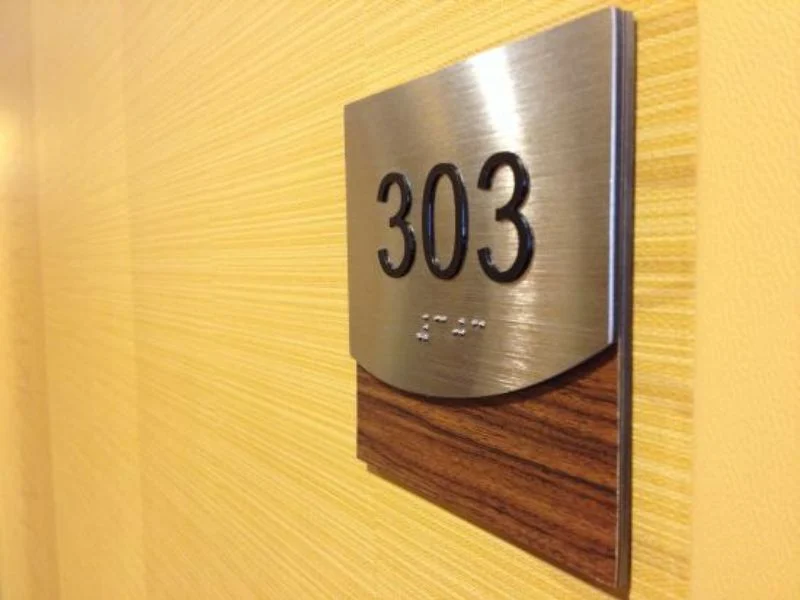
Architectural and Wayfinding Sign Makers
- Parts: room ID and directory signs, engraved plaques, tactile panels
- The hard part: small, precise parts in acrylic, ABS and metal, repeated across a whole building
- What you get: engraving and cutting on the router, metal plaques on the fiber laser
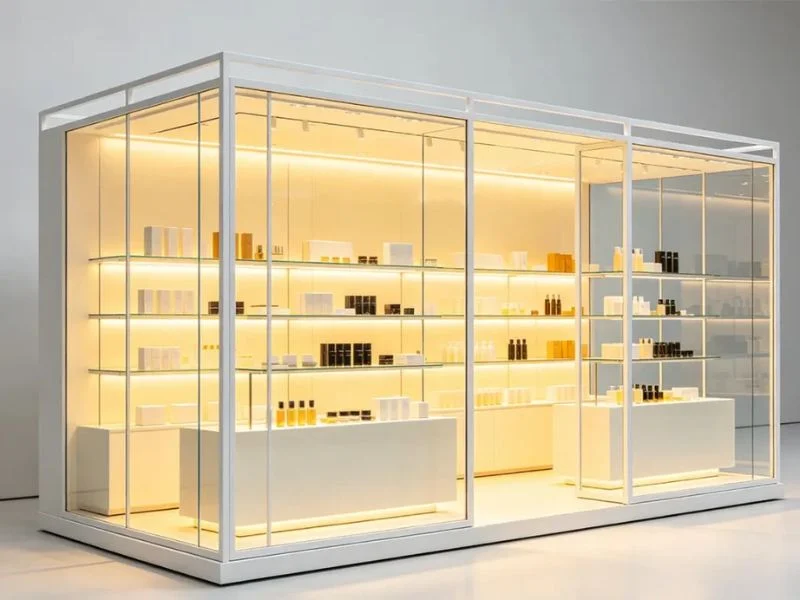
Exhibition and Retail Display Builders
- Parts: stand graphics, retail fixtures, POP displays, SEG frames and fabric
- The hard part: large printed panels on a deadline, in materials from foam board to acrylic
- What you get: knife and router both working from the same printed registration marks
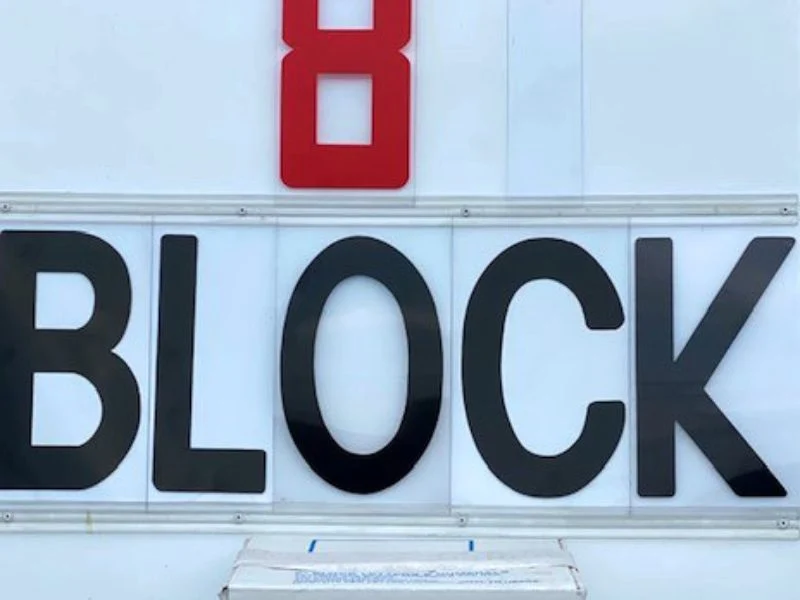
Trade Letter Suppliers to Other Sign Shops
- Parts: cut letters and logos supplied wholesale to smaller sign shops
- The hard part: hundreds of different letter sets a month, each a one-off
- What you get: nested letter sets cut from customers’ files with no setup between jobs
Buyer mix drawn from MNT installs in sign shops, print service providers and letter fabricators.
Recommended MNT Sign Making Machines
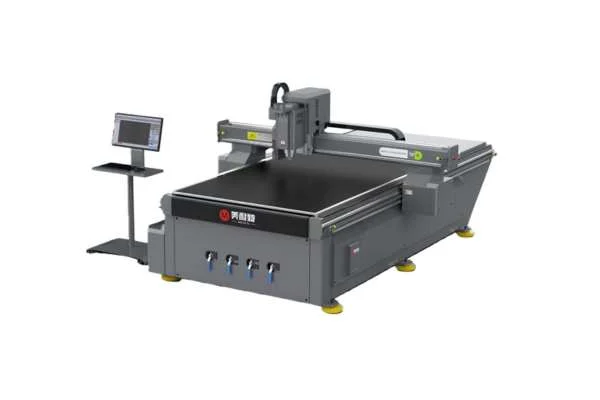
T2 Vision CNC Router
- Cuts: acrylic, ACM, PVC board, foam board and printed panels
- Specs: 1300 × 2500 mm · 3.0 kW spindle · industrial CCD camera with contour following
- Best for: the rigid-substrate machine in a sign shop whose work arrives printed
- Price: From $5,200
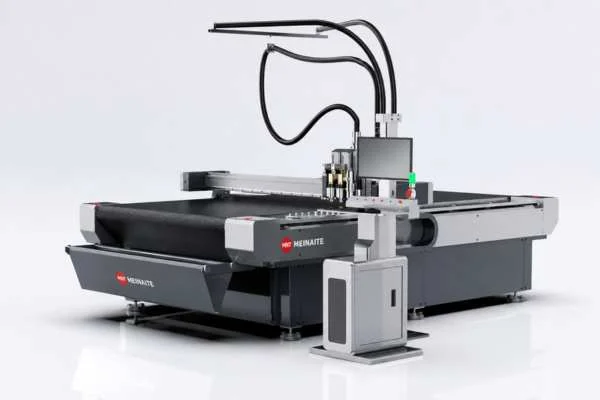
C2516T Digital Cutting Machine
- Cuts: printed board, foam board, corrugated displays, banner and textile
- Specs: 2500 × 1600 mm · EOT oscillating + drag + milling spindle · vacuum · belt auto-feed
- Best for: print service providers finishing printed graphics and soft signage
- Price: From $16,900
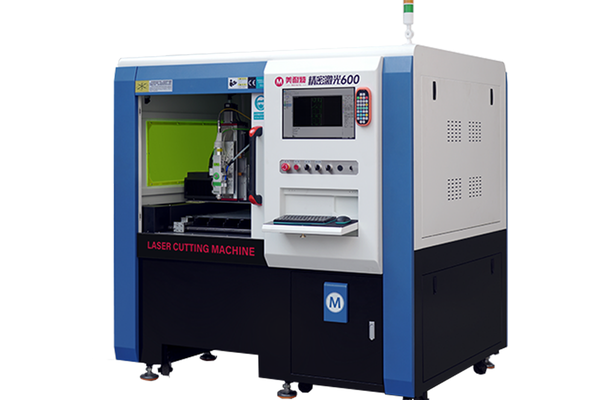
X6040 Precision Fiber Laser Cutter
- Cuts: stainless, aluminium, brass and copper sheet for letters and plaques
- Specs: 1500 W fiber · ±0.02 mm positioning · marble frame · optional vision positioning
- Best for: flat-cut metal letters and sign faces in thin gauge
Specifications from MNT T-, C- and X-series build sheets; prices from each product page — Hangzhou Chaohan.
How One Sign Job Moves Across Three Sign Making Machines
Take a typical fascia: printed ACM panel, acrylic push-through letters, stainless logo. One artwork file, three machines, no subcontractor.
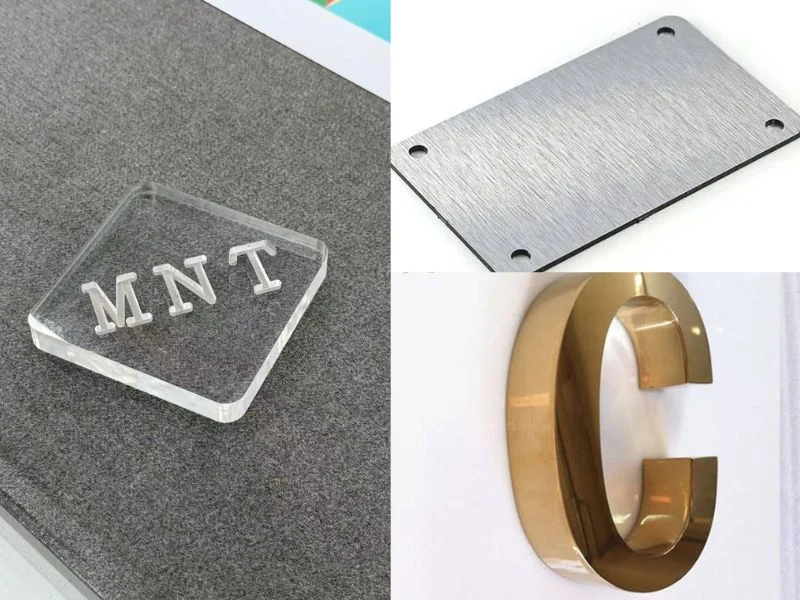
One Artwork File, Split by Material
The designer keeps one file and puts each material on its own layer. Each machine gets only the layer it cuts, so the acrylic letters, the ACM panel and the stainless logo are guaranteed to match.
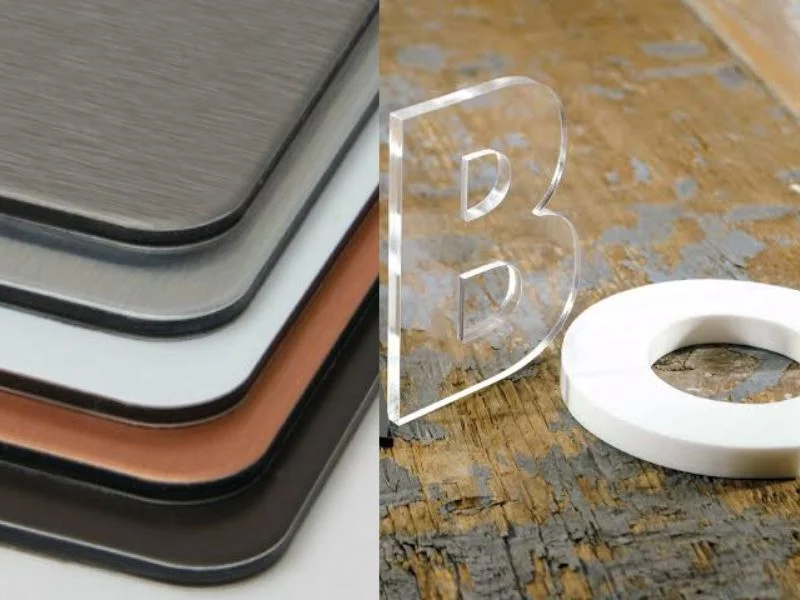
Rigid Panel and Letters on the Router
The printed ACM face is registered by camera so the cut follows the print; acrylic letters are milled from the same outline with the right tooling for a clean edge.
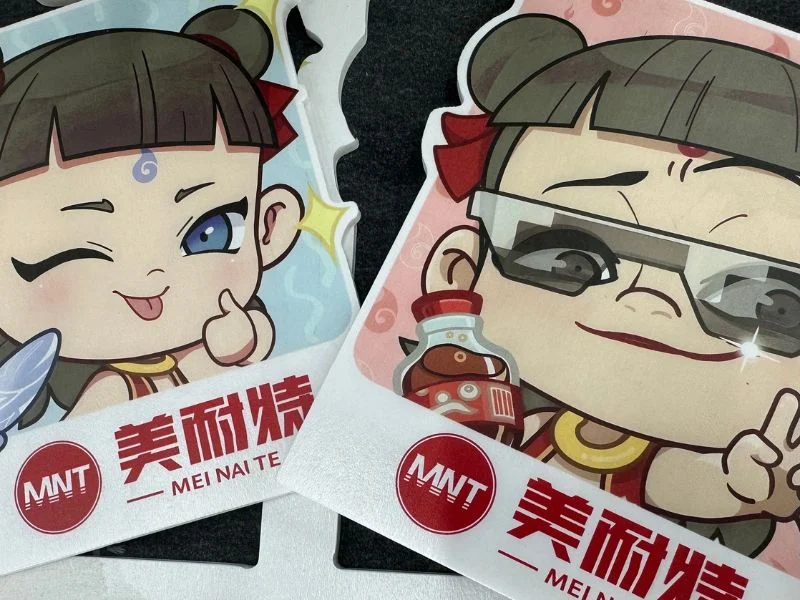
Printed Graphics on the Knife Cutter
Anything a spindle would crush or fray — foam board, corrugated POP, textile — is cut on the knife cutter, registered to the same printed marks.
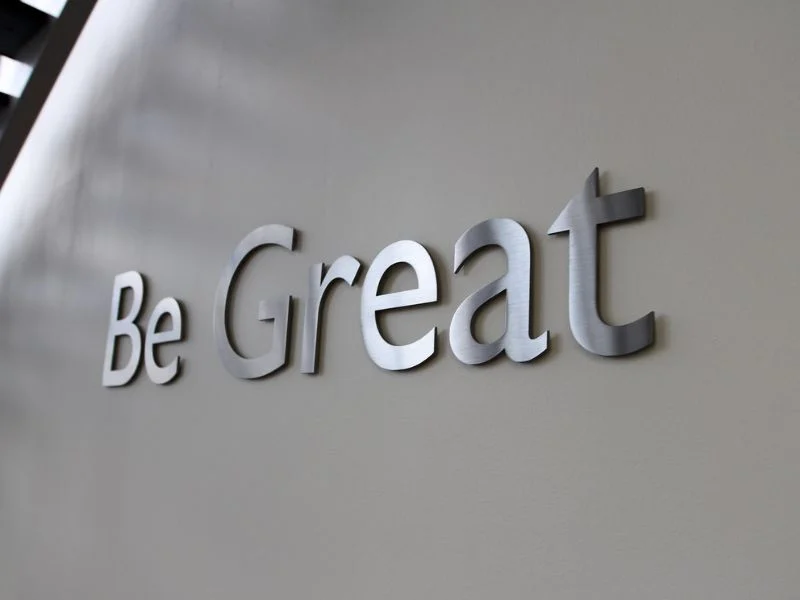
Metal Letters on the Fiber Laser
Flat-cut stainless or brass letters are cut in minutes instead of waiting a week for a subcontractor. This is usually the machine that pays for itself fastest in a shop that already routes and prints.
What a Sign Shop Needs That MNT Does Not Make
We make three of the machines in a sign shop. These are the others, and we would rather say so than let you assume otherwise.
Wide-Format Printers
Solvent, UV and latex printers are their own category. We do not make them; our cutters are built to register to what they print, whichever brand you run.
Vinyl Cutters and Vehicle Graphics
Cut vinyl lettering, window graphics and vehicle wraps are cut on roll-fed vinyl plotters. That is a different machine at a different price point, and a flatbed is the wrong tool for it.
Channel-Letter Return Benders
The aluminium coil returns of a channel letter are formed on an automatic letter bender. We cut the faces and backs on the router and flat metal letters on the laser — not the bent returns.
Why Sign Shops Buy Their Cutting Machines From MNT
In a sign shop the machines earn their keep on the work you stop sending out — and on artwork that moves between machines without being redrawn. About MNT (MEINAITE) — who builds it and where. Carrying the line? Territory and spare-parts terms are on our partnership page.
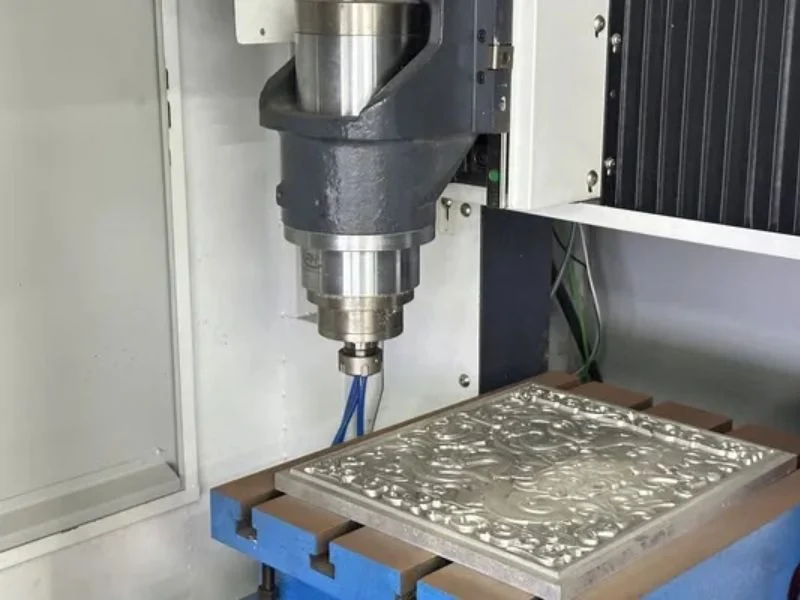
Router, Knife and Laser From One Supplier
- Three machine families, one service contact and one spare-parts source
- The same DXF and PLT files run on all three — no redrawing between machines
- For distributors: sign shops upgrade one machine at a time — a router sold this year is a knife cutter or a fiber laser sold into the same shop in the next, and you can carry all three
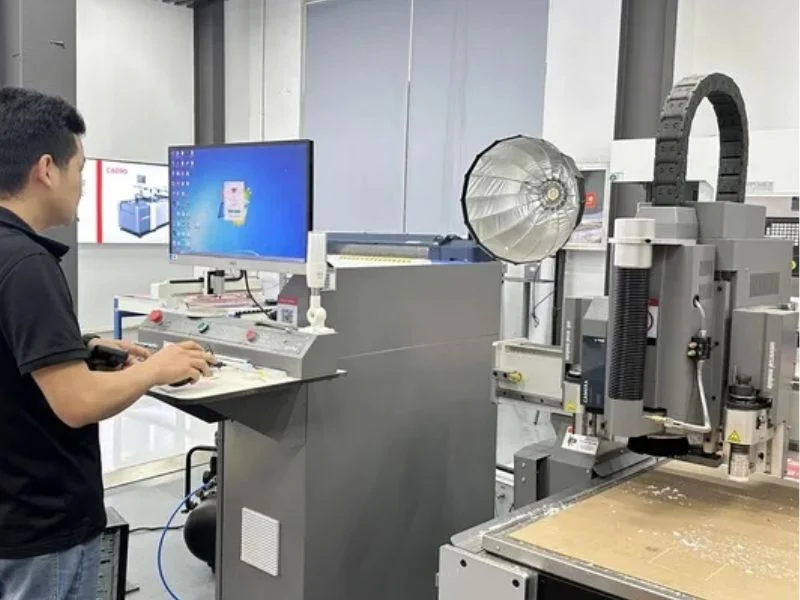
Camera Registration Built for Printed Signage
- Vision routers and knife cutters read the same printed registration marks
- Cuts follow the print, not the table, so no white edge on contour-cut panels
- Distributors: territory, spare-parts stock and training terms are set out on our partnership page
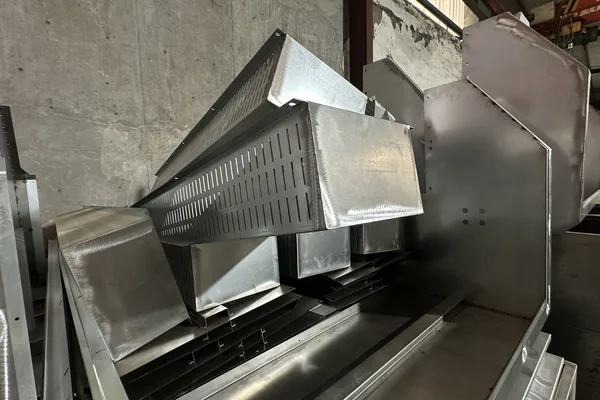
The Factory That Builds Your Sign Making Machines
- Sheet-metal parts and frames are made in our own Hangzhou press shop and workshop, not bought in and badged
- The same plant builds the router, the knife cutter and the fiber laser
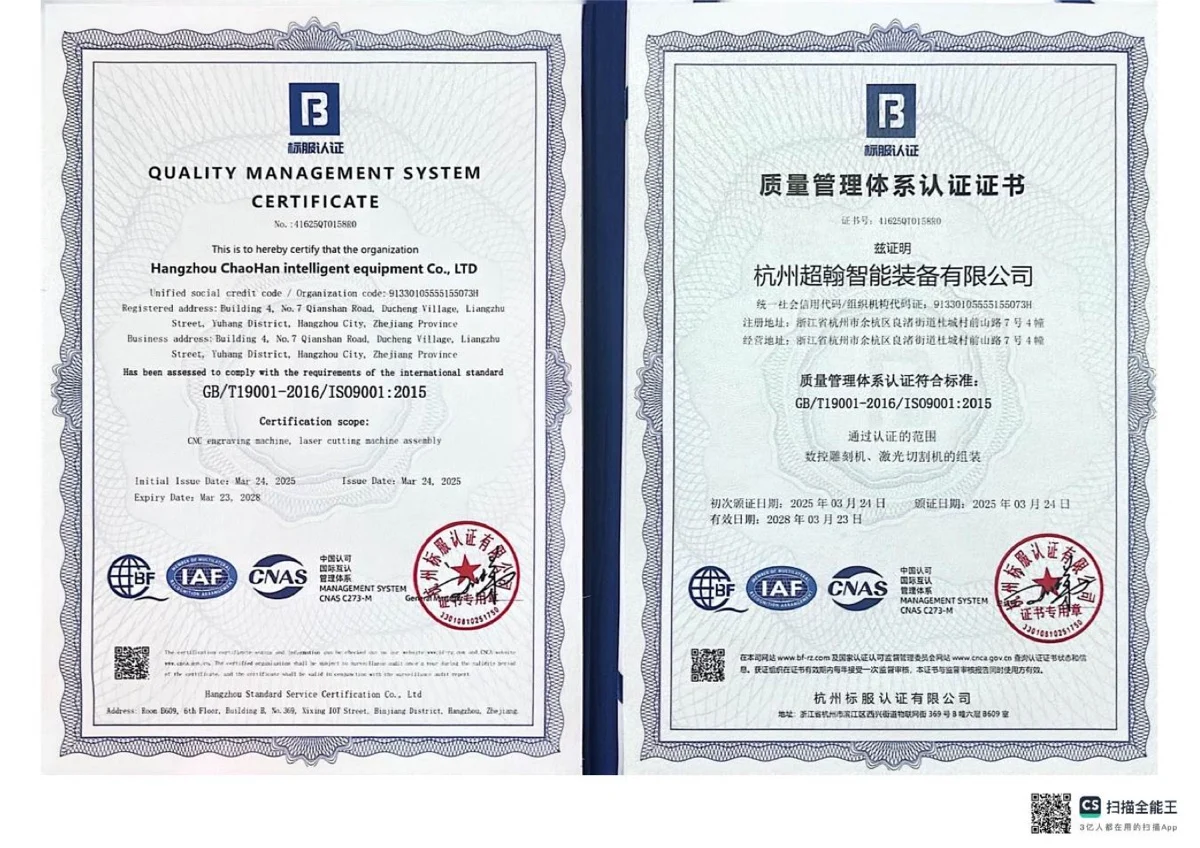
CE + ISO — Send Your Artwork for a Free Sign Sample
- CE marked and built under an ISO 9001:2015 certified quality system
- Send artwork and your substrate — we cut a sample on the right machine and send back the part and the cycle time
CE-marked (EU 2006/42/EC), ISO 9001:2015; 8 patents incl. 1 invention patent; built by Hangzhou Chaohan, not traded.
Frequently Asked Questions
What machines does a commercial sign shop need?
Usually four: a wide-format printer, a vinyl cutter, a CNC router and, as the shop grows, a flatbed knife cutter and a fiber laser. The printer and vinyl cutter handle graphics and lettering; the router cuts rigid board and letters, the knife cutter finishes printed and soft materials, and the fiber laser cuts metal letters. MNT makes the last three.
How much does a sign making machine cost?
MNT’s vision CNC router for sign work starts from $5,200 (T2) and $8,900 (T3); the C2516T knife cutter starts from $16,900. Fiber laser pricing depends on power and table size and is quoted per configuration. Send your materials and typical sheet size and we quote the machine that fits your mix, not the biggest one.
Router, knife cutter or laser — which should a sign shop buy first?
A CNC router, in most shops. It cuts the widest range of rigid sign materials — acrylic, ACM, PVC, timber — which is where most outsourced work sits. Add a knife cutter when printed foam board, POP and textile volume grows, and a fiber laser when you are sending stainless and brass letters out every week.
Can a CNC router cut foam board and printed graphics?
It can, but a knife cutter does it better. A spinning bit crushes foam board and frays textile; an oscillating knife cuts them cold with a square edge. That is why busy print and sign shops end up with both, each registered to the same printed marks.
Can I cut stainless steel letters in-house?
Yes, on a fiber laser. Thin stainless, aluminium and brass letters and plaques are cut on the X6040 or X5 with nitrogen assist for a bright, oxide-free edge that needs little finishing. A router can mill aluminium but cannot cut stainless steel efficiently.
Do you sell vinyl cutters or wide-format printers?
No. Vinyl lettering and vehicle graphics are cut on roll-fed vinyl plotters, and printing is done on wide-format printers — both are separate categories we do not make. Our routers and knife cutters are built to register to what those printers produce.
Can the machines read registration marks from my printer?
Yes. The T2 and T3 vision routers and the C-series knife cutters use a camera to read printed registration marks and shift the cut path to match the print, so contour-cut panels have no white edge regardless of which printer produced them.
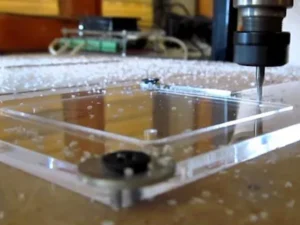
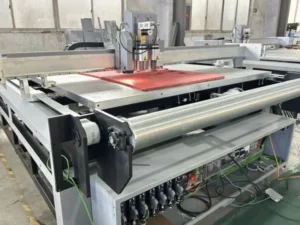
Sign Making Machines — Technical Guides
The guides behind the recommendations on this page.
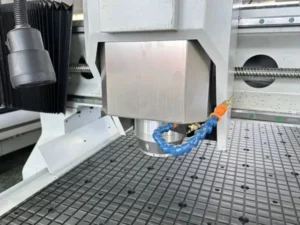
How to Choose a Vision CNC Router for Advertising Production
How to choose a vision router for advertising and sign production — bed size, camera and spindle.
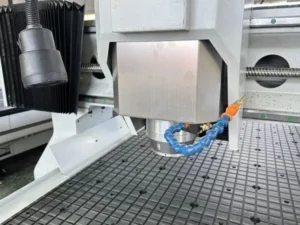
T3 Vision CNC Router Print-to-Cut Workflow Guide
The print-to-cut workflow step by step, from registration marks to a contour-cut printed panel.
How to Choose a Precision Fiber Laser Cutter for Thin Metal
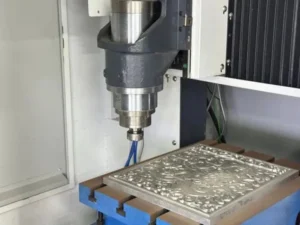
What to look for in a fiber laser for thin metal — the machine class behind stainless sign letters.