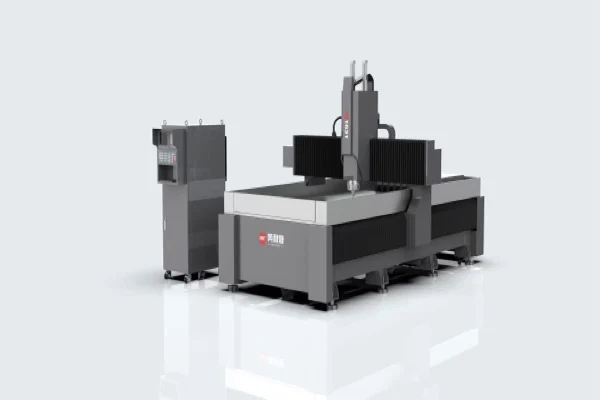
M1631 CNC Engraving & Machining Center
From $32,600
M1631 / MC1631 ATC machining centers for acrylic, aluminum, plastic and composites, with moving-table or moving-gantry options.
View details
Products
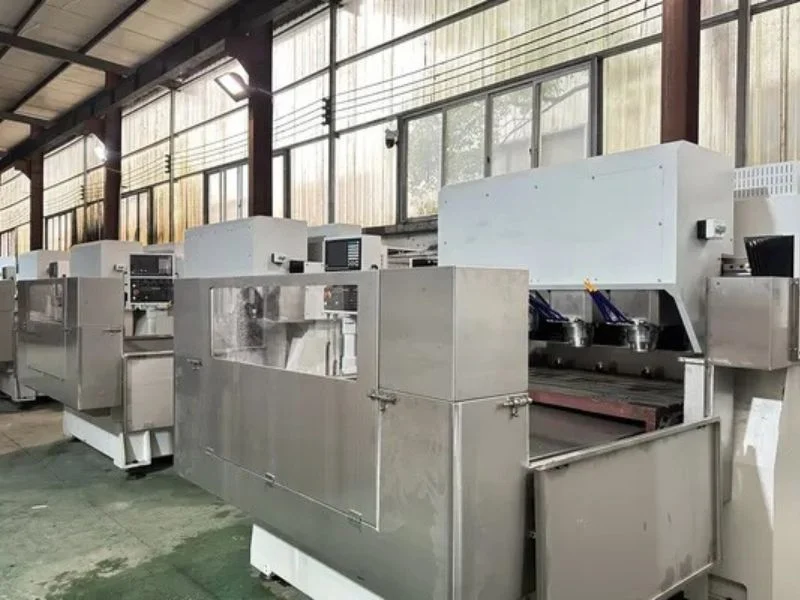
MNT industrial CNC routers — sold as machining centres because that is what they replace — handle acrylic, aluminium, plastics and composites on cast-iron gantry frames, with 9–11 kW ATC spindles and automatic tool changers for multi-tool production. Beds run 3000 × 1500 mm to 4000 × 2000 mm, stress-relieved and gantry-milled in one setup.
Lighter work on a 1300 × 2500 mm bed? Vision contour cutting, precision milling and 4-tool ATC are the MNT CNC router series — same process, a frame class down. This page is the heavy end: where the part has depth, the sheet is oversized, or the tolerance has to hold across a full shift.
Three ATC machining centres, $32,600 – $37,050.
From $32,600
M1631 / MC1631 ATC machining centers for acrylic, aluminum, plastic and composites, with moving-table or moving-gantry options.
View details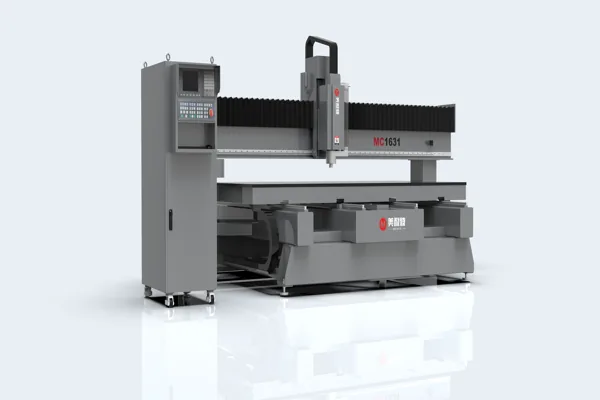
From $34,100
Machine acrylic, aluminum, plastics and composites. 9 kW ATC spindle, 8-tool changer and ±0.02 mm accuracy.
View details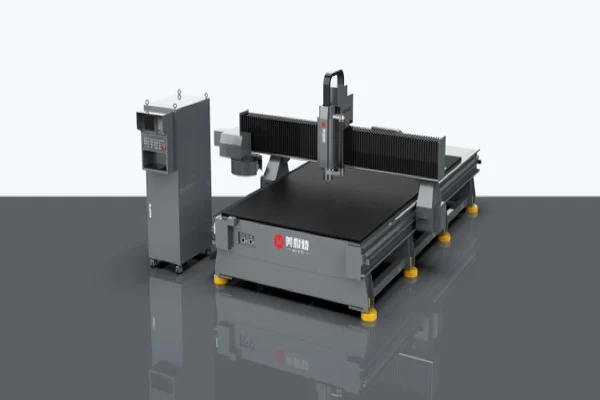
From $37,050
Cut large sheets on a 4000 × 2000 mm bed with a 9 kW ATC spindle and 8-tool changer.
View detailsThree things separate an industrial CNC router from a large one. The frame is welded, quenched and stress-relieved before the gantry ways are machined in a single setup — so the geometry it leaves the factory with is the geometry it keeps. The drive is either direct-drive or dual-drive rack and pinion rather than a belt, so position does not wander as the load changes. And the vacuum bed is split into independently controlled zones, because a half-empty nest on a single-zone table loses hold exactly when the last few parts need it most.
What these machines cut is panel material, not billet: cast and extruded acrylic, aluminium sheet and plate, engineering plastics, and composite panel such as aluminium composite board. That is the line worth drawing before anything else — a metal vertical machining centre clamps a block in a vice and cuts steel on box ways. These hold sheet on a vacuum bed under a moving gantry. The two share the words "machining centre" and almost nothing else: different hold-down, different spindle speeds, different tolerance targets, different price class.
Below the 3000 × 1500 mm bed the range moves to the lighter MNT CNC router series — same process, a frame class down, and the right answer when the part is small enough that gantry mass stops being the limiting factor.
Every figure below is from the machine's own specification sheet. Where a model does not publish a number, the cell is left empty rather than filled by inference.
| Specification | M1631 | M3015 | M4020 |
|---|---|---|---|
| Working area | 3000 × 1500 mm · Z 150 mm | 3000 × 1500 mm | 4000 × 2000 mm |
| Spindle | 11 kW ATC water-cooled | 9.0 kW air-cooled ATC | 9.0 kW air-cooled ATC |
| Max spindle speed | 18,000 RPM | — | — |
| Tool changer | 8-position disc · NBT40, tool ⌀ to 20 mm | 8-tool disc-type | 8-tool disc-type |
| Positioning accuracy | 0.025 mm over full travel | ±0.02 mm | ±0.025 mm |
| Repeatability | 0.025 mm/m | ±0.01 mm | ±0.01 mm |
| Max processing speed | X/Y 30 m/min rapid · Z 15 m/min | 35 m/min | 60 m/min |
| Drive | C5 ground ball screw · HIWIN MSA30 / MSA25 | Direct-drive XYZ, ground guides & ball screws | Rack-and-pinion dual-drive moving gantry |
| Control system | Syntec 6MA-E | Syntec bus + absolute encoder | Syntec bus + absolute encoder |
| Vacuum table | 2 independently controlled zones | 4 zones | Multi-zone |
| Table load | 800 kg | — | — |
| Net weight | 3500 kg frame | 4500 kg | 5000 kg |
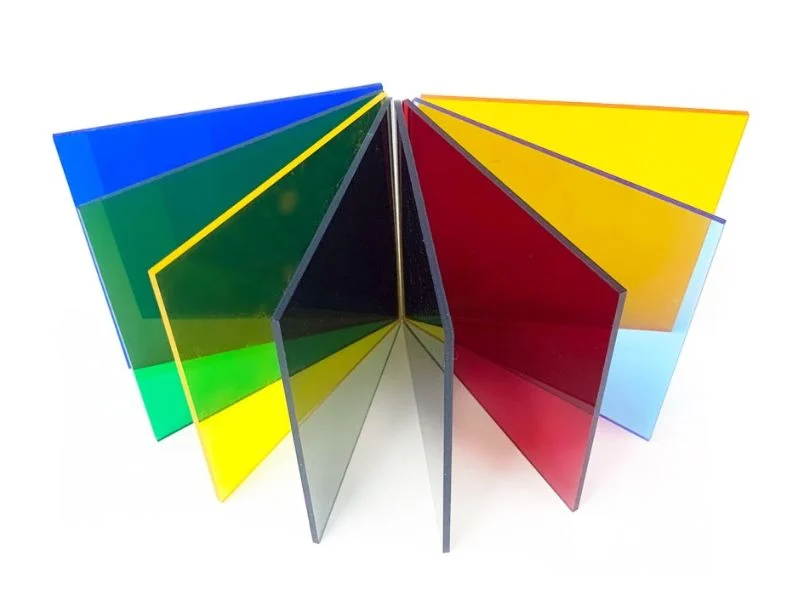
Cast and extruded acrylic, POM, PEEK, UHMW and PVC. The failure mode is heat, not force — too slow a feed welds the chip back into the kerf, so spindle speed and chip evacuation matter more than raw power.
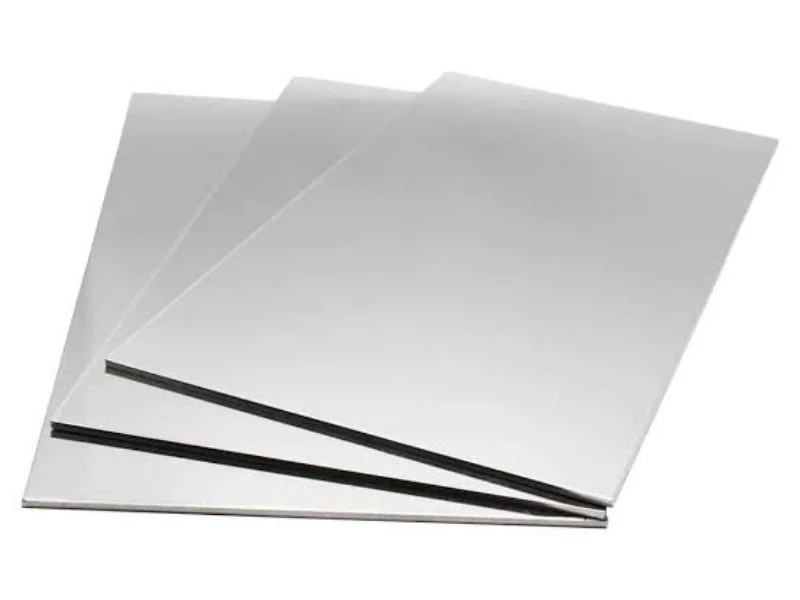
Chatter shows up as a poor finish long before it breaks a cutter, which is why the frame and drive decide the result here. Feeds, speeds and coolant strategy are covered in the guides below.
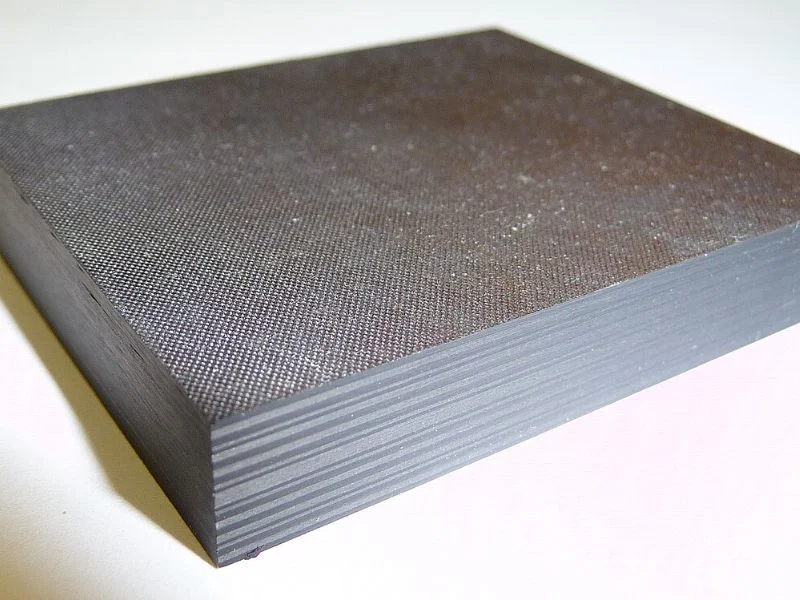
ACP, G10, FR-4 and cured laminate are abrasive rather than hard. Tool life, not spindle load, sets your cost per part — which is what the eight-tool magazine is really buying you.
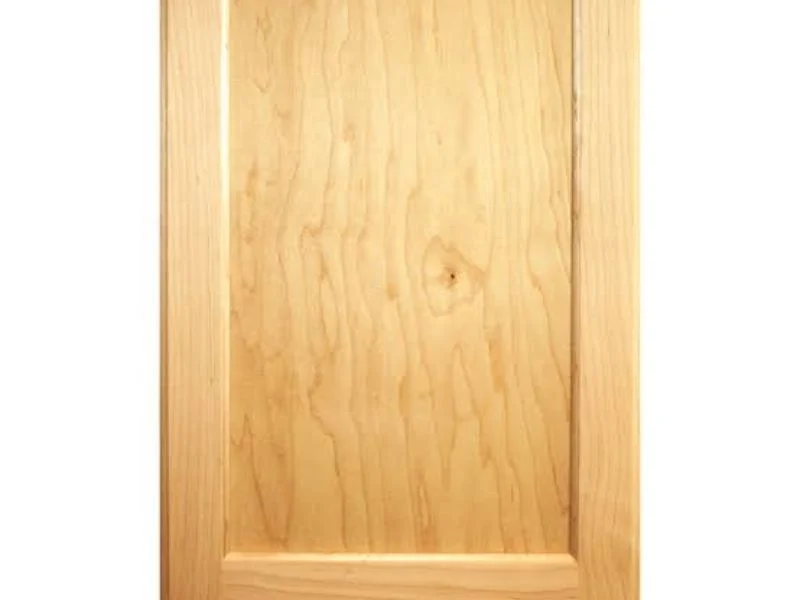
Nesting, drilling, grooving and profiling in one cycle. The constraint is how many operations you can run before someone has to touch the machine, so tool stations and vacuum zoning drive throughput.
A stress-relieved welded frame with gantry-milled ways, a servo direct-drive or dual-drive rack-and-pinion axis instead of a belt, an automatic tool changer, and a zoned vacuum bed. On this range that means 3500–5000 kg of machine and ±0.01–0.025 mm held across a full bed — figures a belt-driven frame cannot hold once it warms up.
The three machines on this page run $32,600 to $37,050 depending on bed size, spindle and tool magazine. What moves the number most is bed format: a 4000 × 2000 mm gantry needs more frame, more vacuum capacity and more floor space than a 3000 × 1500 mm one.
Yes — aluminium sheet and plate are standard work for all three. The limit is not spindle power but rigidity: chatter degrades the finish long before it threatens the cutter, which is why frame mass and drive type matter more here than kilowatts.
If the part starts as sheet or panel and is held by vacuum, it is a CNC router job. If it starts as billet clamped in a vice and the material is steel, it is a metal VMC job. The two are not interchangeable at any price, and a machine bought across that line will disappoint on both counts.
Count the distinct operations in one cycle, not the tools in your drawer. A cabinet part that is drilled, grooved, rebated and profiled needs four without stopping; eight covers that plus a spare for the cutter that dulls mid-run. Below four, the machine spends the shift waiting for a person.
A moving table carries the workpiece under a fixed bridge — steadier, but it needs floor space roughly twice the bed length. A moving gantry carries the spindle over stationary material, which is the only practical layout once the sheet gets to 4000 × 2000 mm. The M1631 offers both configurations; the M4020 is gantry only.
How to size the bed, read the drive architecture, and what the machine asks of you every week once it is installed.
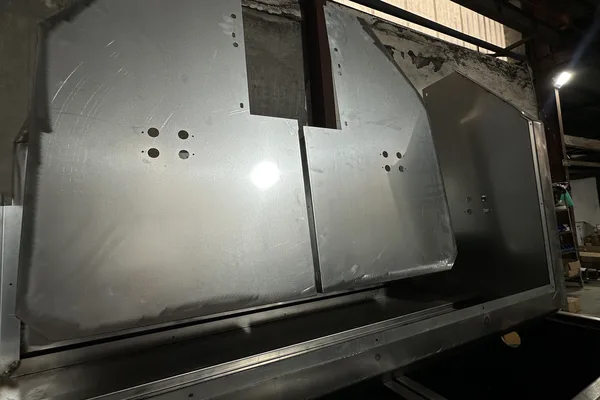
Working area, moving-gantry drive, ATC capacity, vacuum zoning and an RFQ checklist for a large-format industrial CNC router — beds to 4000 × 2000 mm.
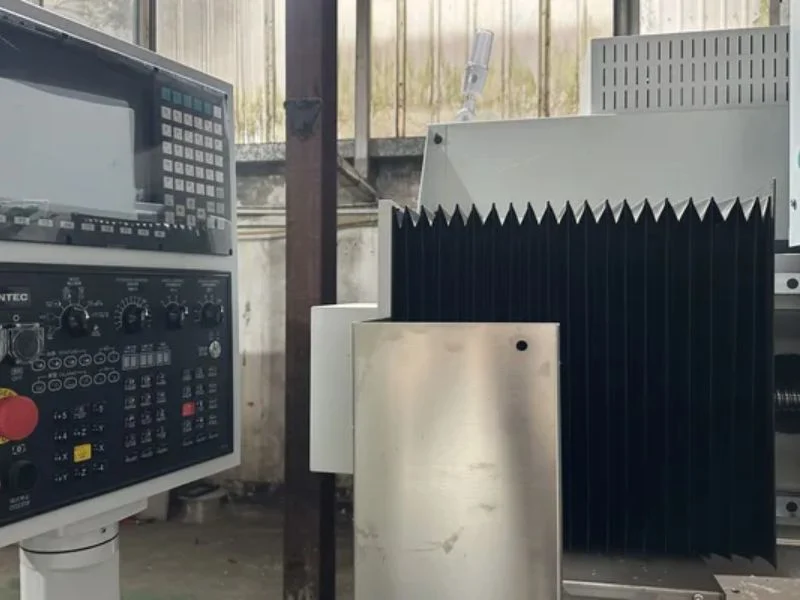
Bed size, spindle, tool magazine, table load and vacuum holding for a compact industrial CNC router — and why this is not the same machine as a metal VMC.
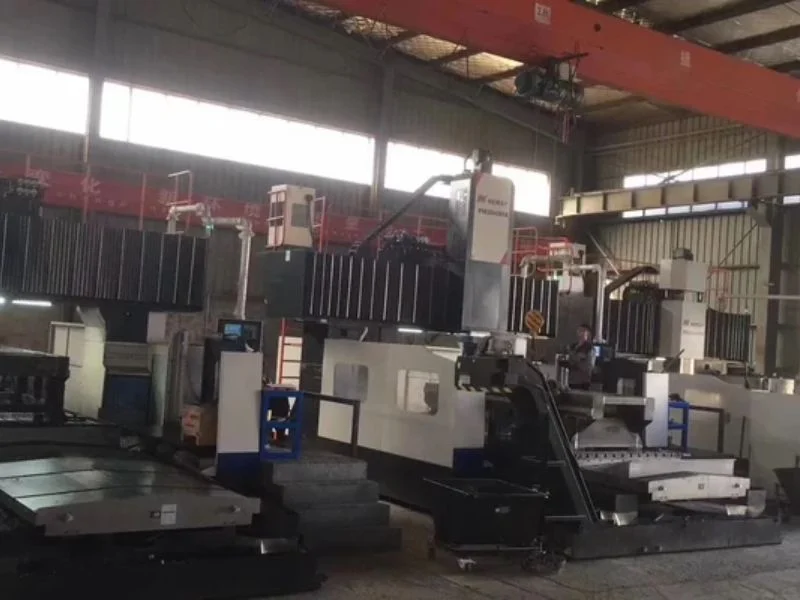
Load capacity, direct-drive precision and large-format bed size compared across the M1631/MC1631, M3015 and M4020 CNC machining centers.
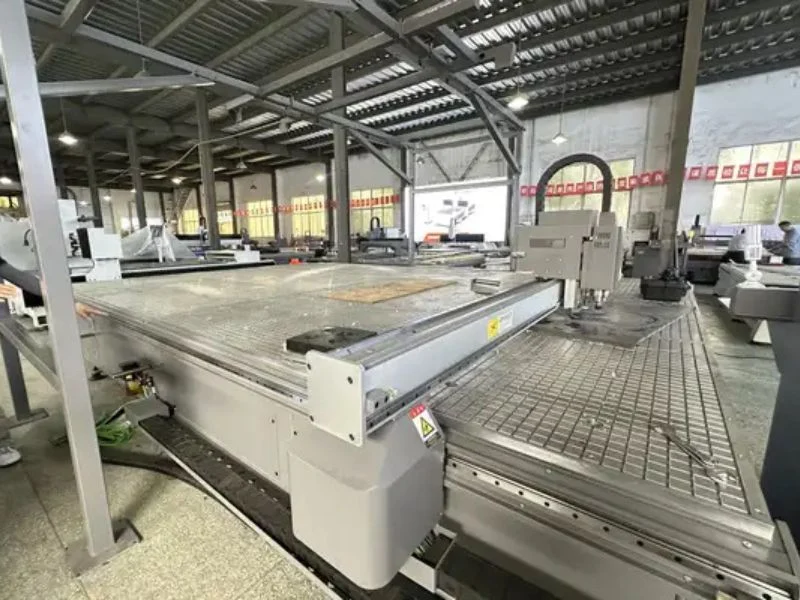
Why large-format CNC routers use a moving-gantry frame, how gantry synchronisation holds tolerance across a 4000 × 2000 mm bed, and when the format is worth it.
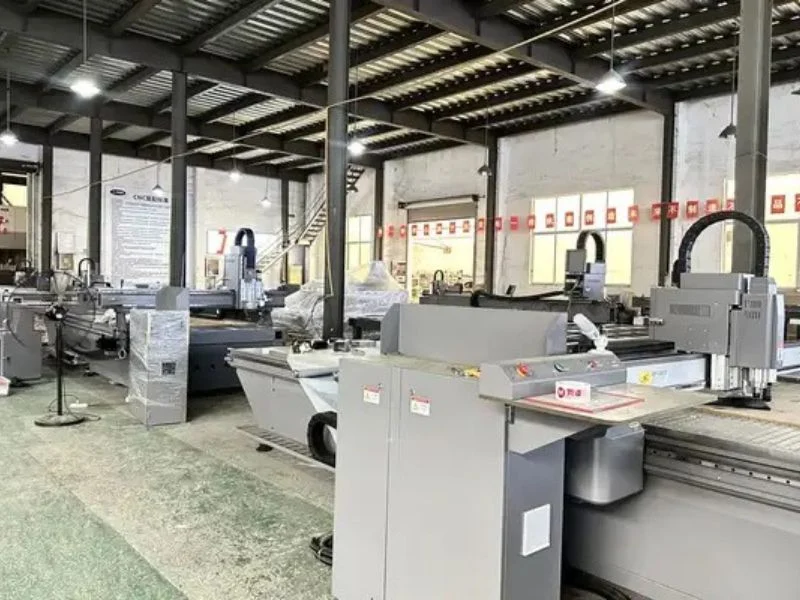
How backlash and gear wear affect rack-and-pinion accuracy over time, when direct drive is worth its cost, and when rack-and-pinion is genuinely enough.
CNC router maintenance checklist for spindles, guides, rack drives, ATC magazines, vision cameras, knife heads and vacuum tables, by daily, weekly and monthly.
Tell us the material, sheet size and the tolerance on the drawing. We will machine your part on the model we recommend and send it back with the measurements.