Cold-Knife Cutting for Hypalon and Marine Fabrics
Hypalon, Neoprene and PVC-coated boat fabrics need a cold cut. MNT digital oscillating-knife cutters slice them straight from your file with no die and no laser heat.
Because the blade never burns the material, the cut edge keeps its original bonding surface — critical for the glued and heat-welded seams that hold an inflatable boat together. See the full MNT digital cutting machine range.
PVC-coated tarpaulin, tents and banners are the tarpaulin cutting machine — the same cold-knife-for-coated-fabric logic (a laser carbonises the coating and kills the weld), but a different coating and market from Hypalon and marine cloth.
Marine & Inflatable Fabrics We Cut
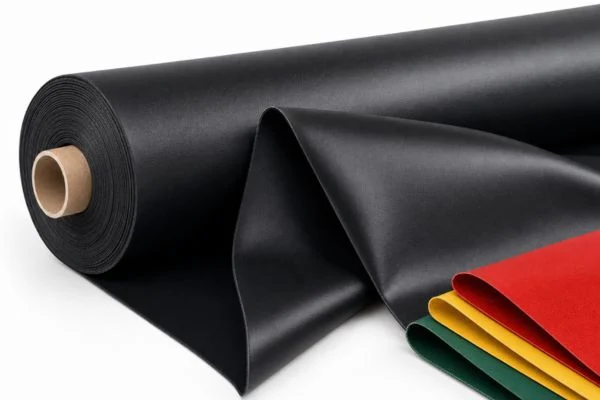
Hypalon (CSM)
A chlorosulfonated-polyethylene coated fabric — UV, saltwater and chemical proof. Cut cold so the coating and seam stay bondable.
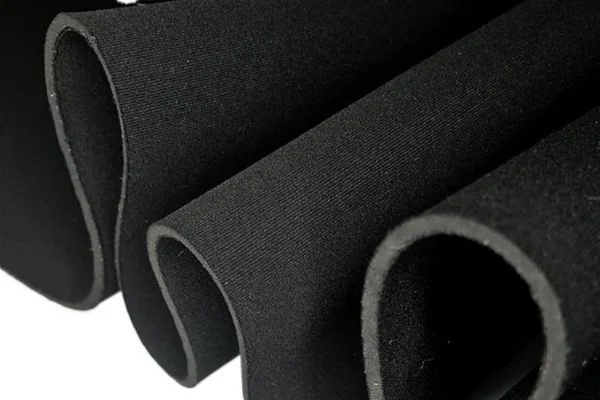
Neoprene
Chloroprene rubber for wetsuits, gaskets and padding. The knife keeps a clean, flexible edge with no melt or hardening.
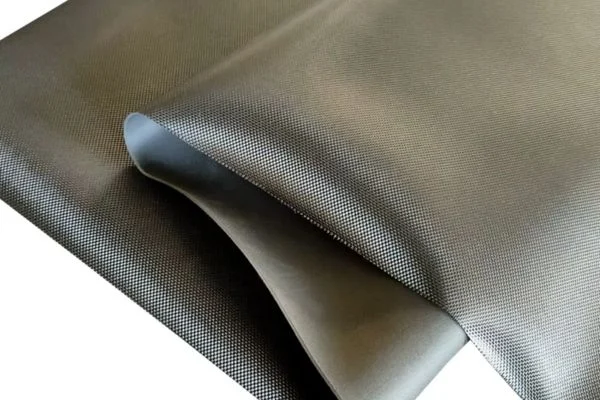
Hypalon-Neoprene Composite
The boat and RIB standard — Hypalon outer over a neoprene inner. Cold cutting protects both layers so panels glue and weld cleanly.
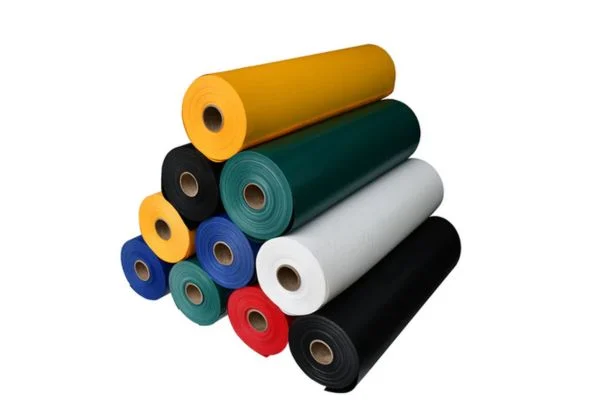
PVC-Coated Fabric & Tarpaulin
Banners, covers, tents and tarps cut and marked in one pass, with clean edges ready for RF or hot-air welding.
Inflatable Boats and Marine Covers Built From Coated Fabric
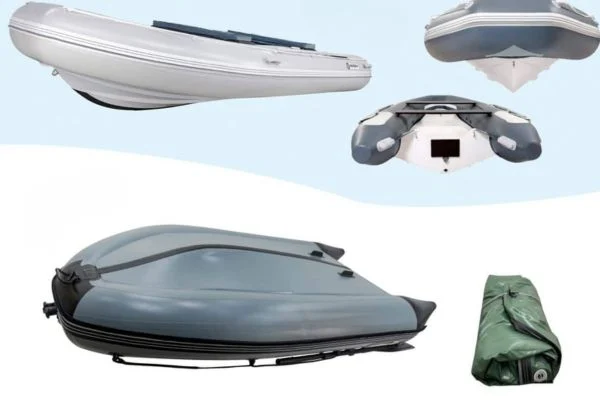
RIB & Inflatable Boats
Tubes, baffles and patches cut cold for airtight, bonded seams — the edge still takes glue and heat-weld.
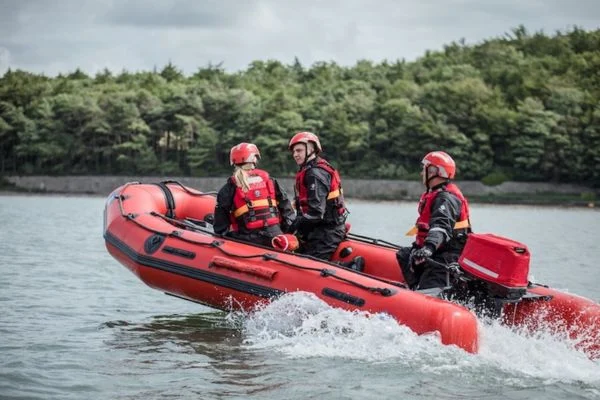
Military & Rescue Craft
Heavy-duty Hypalon parts cut and marked for fast, repeatable assembly of professional RIBs.
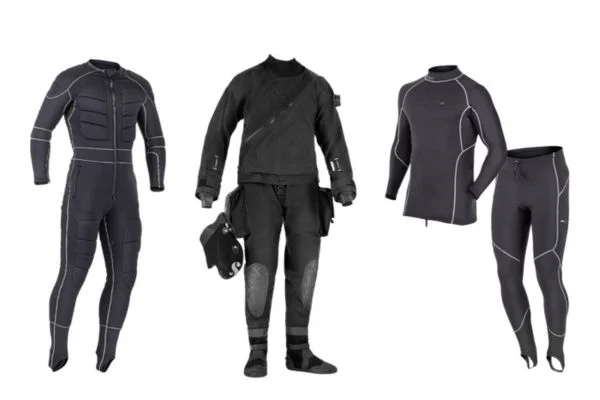
Drysuits & Wetsuits
Neoprene panels cut clean with no melted edge, ready for blind-stitch and glue.
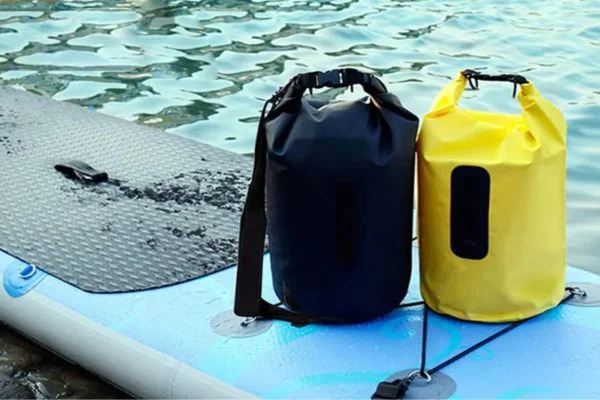
Waterproof Bags & Floats
Welded and glued dry bags, buoyancy tubes and containment bags need un-charred edges.
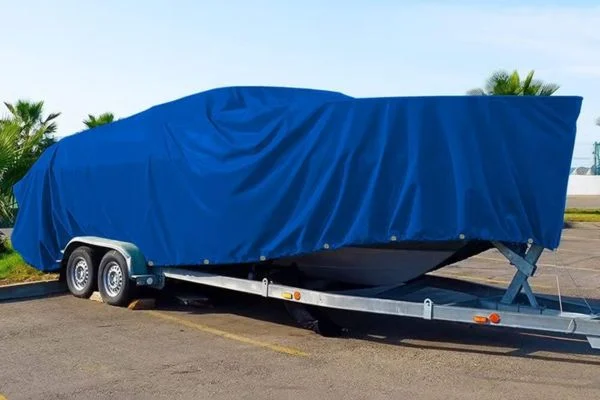
Tarpaulin & Marine Covers
PVC-coated tarps, biminis and boat covers cut to shape with weld-ready edges.
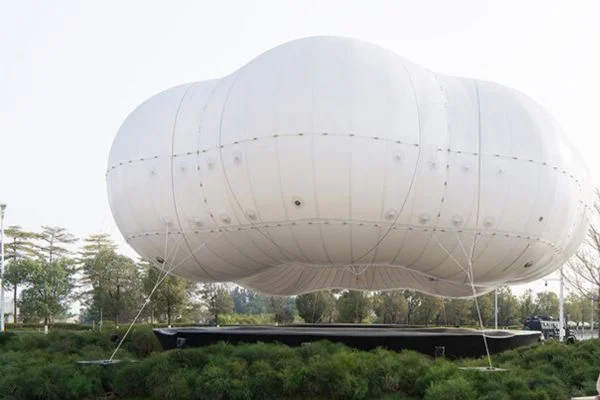
Inflatable Structures
Tents, buoys and inflatable structures from PVC and Hypalon, cut straight from your CAD file.
Recommended MNT Machines
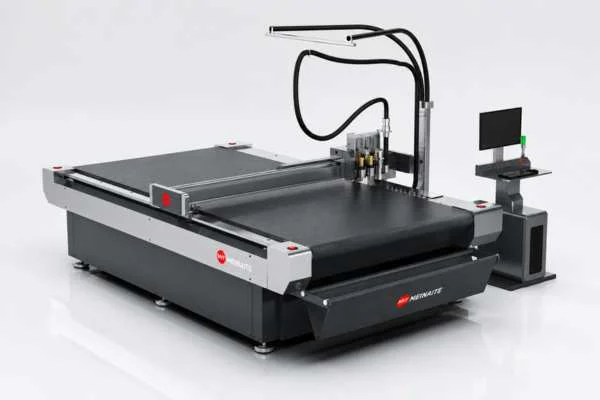
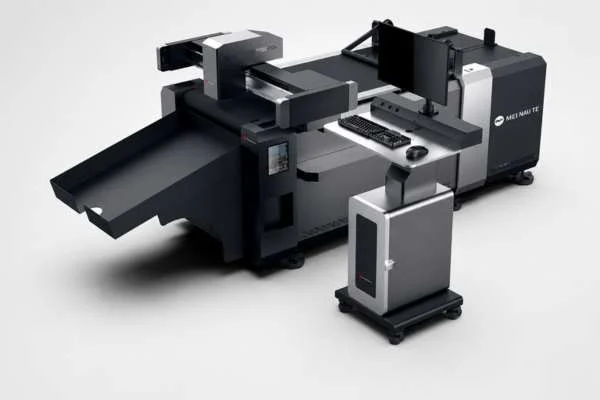
C2516 Digital Knife Cutter
- Cuts: Hypalon, Neoprene, PVC-coated fabric, tarpaulin
- Working area: 1600 × 2500 mm
- Best for: boat panels, covers, short runs
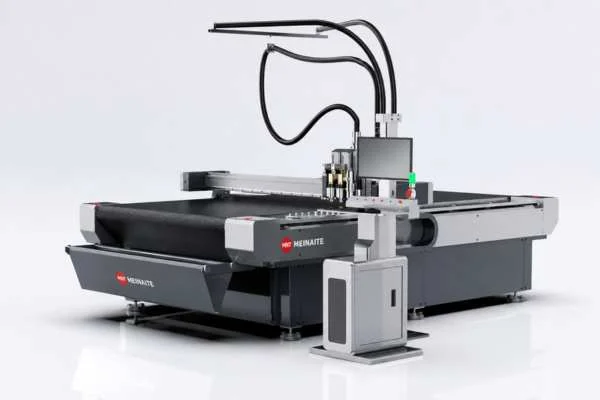
C6090 Compact Digital Cutter
- Cuts: Hypalon, Neoprene, coated fabric samples
- Working area: 600 × 900 mm
- Best for: samples, small parts, R&D
- Price: From $12,000
Custom Marine Cutting Solution
- Cuts: your Hypalon / composite spec
- Size: built to your table
- Best for: production lines, special tools
Why Cold-Knife Cutting Wins for Bonded Marine Fabric
Hypalon and neoprene both contain chlorine. Laser-cutting them chars the edge and releases hydrogen-chloride fumes — and that hard, carbonized rim is exactly where a glued or welded seam fails.
| Factor | CO₂ Laser | Digital Knife (cold) |
|---|---|---|
| Bonded / welded seam | Charred edge, seam fails | Edge stays bondable |
| Fumes | Chlorine / HCl gas | None |
| Edge | Hardened, yellowed | Clean, flexible |
| Fine detail / small text | Excellent | Good |
| Speed on thick composite | Slow, more burn | Fast |
Professional inflatable builders even buff the Hypalon surface before bonding — a laser-hardened edge defeats that entirely. Use the laser only for non-bonded decorative cuts and fine text; cut every bonded part cold.
Why Boat & Marine Makers Choose MNT
Distributor or OEM partner? Territory, spare-parts commitment and technical training are what decide whether a machine is worth carrying. Talk to us about partnership.
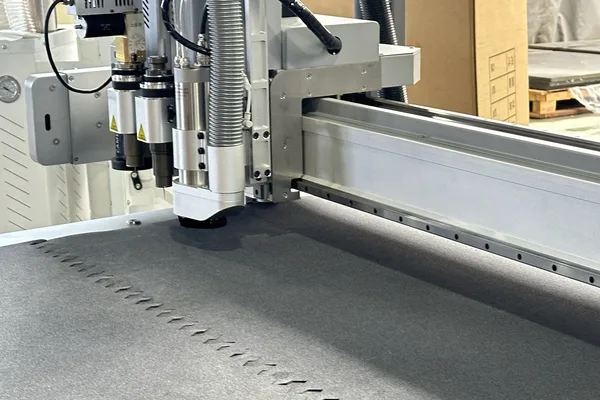
Bondable Cold-Cut Edges
- No heat, no charred rim — the edge still glues and welds
- Keeps the fabric’s original bonding surface
- For distributors: boat builders are a small, tightly connected trade — reputation travels fast, and one reference yard effectively hands you the rest of the marina
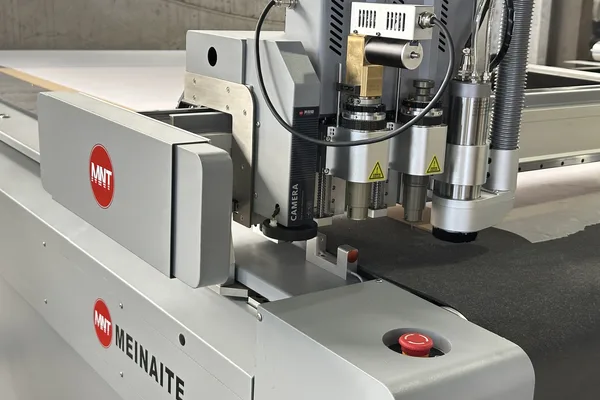
One Machine, Every Marine Material
- Hypalon, Neoprene, PVC-coated fabric and tarpaulin
- Knife, creasing and marking tools in one setup
- For distributors: spare-parts commitment, territory and technical training are the three things that decide whether a machine is worth carrying — all three are set out on our partnership page
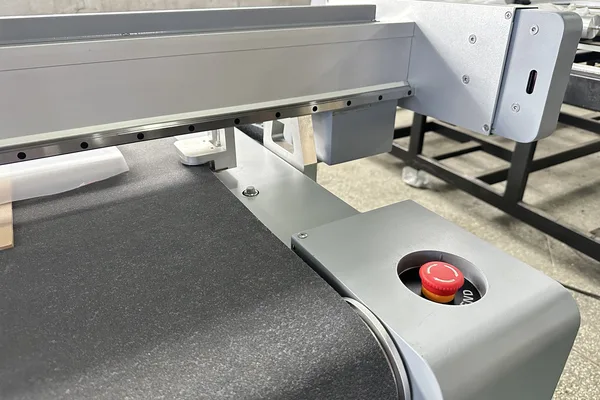
No Dies — Free Cut on Your Marine Fabric
- Cut from your file — no tooling cost, MOQ 1
- Send your material for a free sample cut
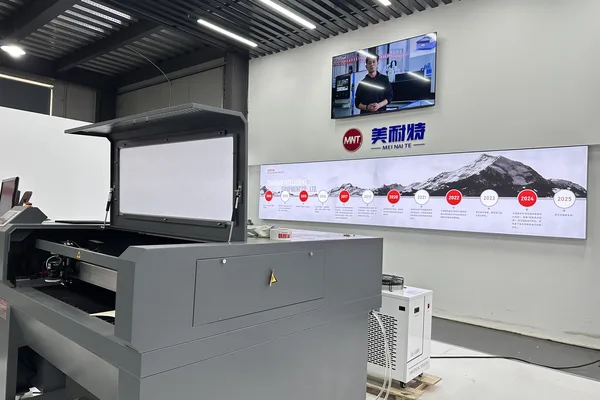
Factory-Direct + CE·ISO
- Hangzhou Chaohan, 10,000㎡ factory, CE + ISO9001
- About MNT — direct pricing, no middleman
Frequently Asked Questions
Can you laser cut Hypalon?
You can, but the beam chars the edge and releases hydrogen-chloride fumes, and the hardened rim ruins glued or heat-welded seams. For any bonded marine part, a cold knife is the safer choice; save the laser for non-bonded decorative cuts.
Does cutting affect the bond or weld seam?
With a knife, no — cold cutting keeps the fabric’s original bonding surface right to the edge. Laser cutting carbonizes the edge, which is the most common cause of seam failure on inflatable boats.
What marine materials can it cut?
Hypalon (CSM), Neoprene, Hypalon-Neoprene composite, PVC-coated boat fabric and tarpaulin — from thin coated cloth up to thick rubber composite, all from one machine.
How thick a fabric can it cut?
From thin PVC-coated cloth to roughly 8–10 mm rubber composite, cut with a square, bondable edge. Send a sample and we confirm the exact setup.
Do I need a die?
No. Parts cut straight from your CAD file with no die — no tooling cost and same-day design changes, ideal for prototypes and short marine runs.
How much does a Hypalon cutting machine cost?
Price depends on working size and tool set; there is no per-shape die cost. Send your material, size and volume and we quote within 24 hours.
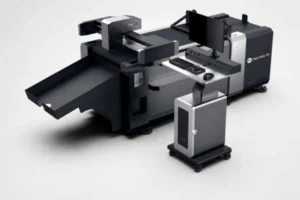
Hypalon & Marine Cutting — Technical Guides
Cutting Hypalon and marine fabrics raises real questions — whether a laser can be used, how to keep seams bondable, and which tool suits coated rubber. Our guides walk through cold-knife cutting so your glued and welded seams hold.
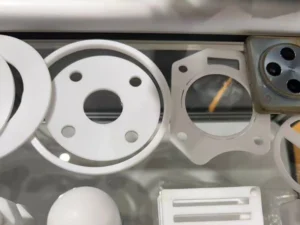
Digital vs Laser Gasket Cutting: Which One for Your Material?
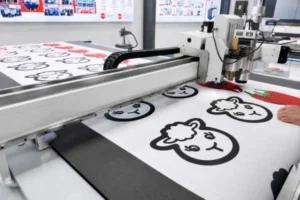
Oscillating Knife vs Laser Cutting for Leather: Which Should You Choose?
Start Your Marine Fabric Cutting Project
Send your material (Hypalon, Neoprene, PVC-coated), part shapes and volume — we recommend the right knife cutter and reply within 24 hours.