Picking between a digital knife cutter and a laser for gaskets is really a question about your material — because the two methods fail on opposite materials.
Both cut gaskets straight from a file with no die, so both are great for prototypes and short runs. The difference is heat. A laser is fast and cuts fine detail, but it burns, melts, or off-gasses on several common gasket rubbers. A digital knife stays cold, so it cuts those same materials clean — but it is slower on thin, intricate shapes.
This guide compares the two by material, edge quality, thickness, speed, cost, and safety, so you can match the method to the gasket you actually make.
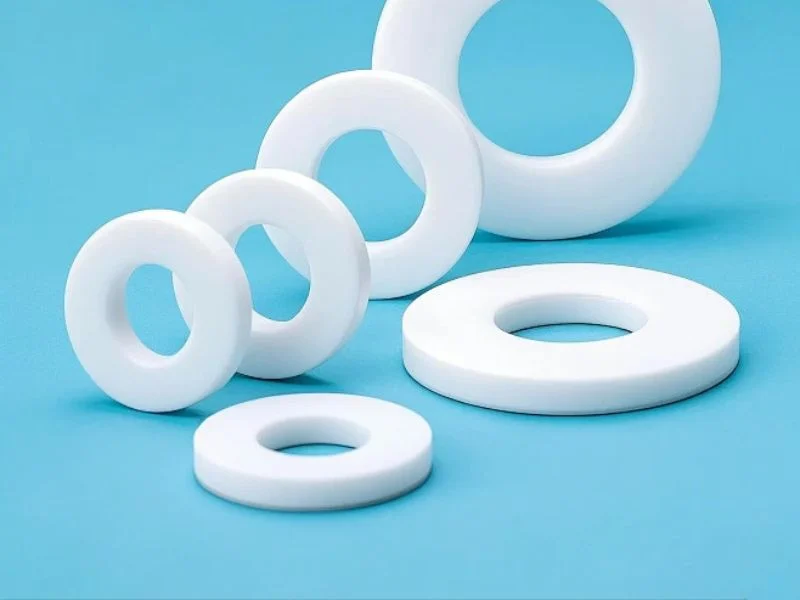
Digital knife vs laser gasket cutting: what’s the difference?
A digital cutter slices gaskets with an oscillating or drag knife; a laser burns through them with a focused beam. Knife cutting is cold and material-safe; laser is fast but adds heat. That heat is the whole story.
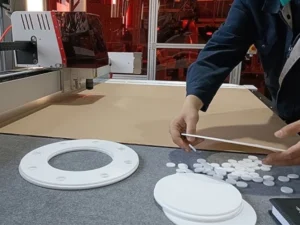
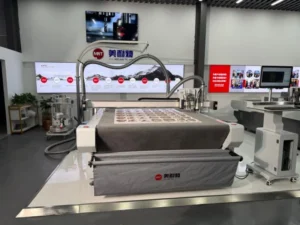
A digital die cutting machine drives a blade over the material from a CAD file. There is no die and no heat — the blade physically parts the material. A laser cutter, by contrast, vaporizes a narrow path with a focused beam, so every cut edge sees high temperature.
For a hard, laser-friendly material, that beam gives a fast, sealed edge. For rubber, foam, or PTFE, the same heat causes melting, charring, or hazardous fumes. The knife sidesteps all of it.
Neither is “better” in the abstract. The right choice depends on which gasket material you cut most, which is why the material table below matters more than any single spec.
Can You Laser Cut Gaskets? Material Compatibility by Method
Yes, you can laser cut gaskets — but only from materials that tolerate heat and do not off-gas. A digital knife cuts nearly every gasket material cleanly; a laser suits a short list. This is the single most important comparison for a gasket shop.
Gaskets come in a wide range of elastomers and fiber materials, and they react to heat very differently. Silicone and some foams laser reasonably well; PVC, neoprene, and many rubbers do not — they melt, char, or release harmful gas.
| Gasket material | Digital knife | Laser |
|---|---|---|
| Rubber (EPDM, neoprene) | Clean, cold cut | Charred edge, fumes |
| Silicone | Excellent | Cuts, some discoloration |
| Cork & cork-rubber | Excellent | Burn marks, smell |
| Foam (EVA, PE, PU) | Clean, square edge | Melts, rounds the edge |
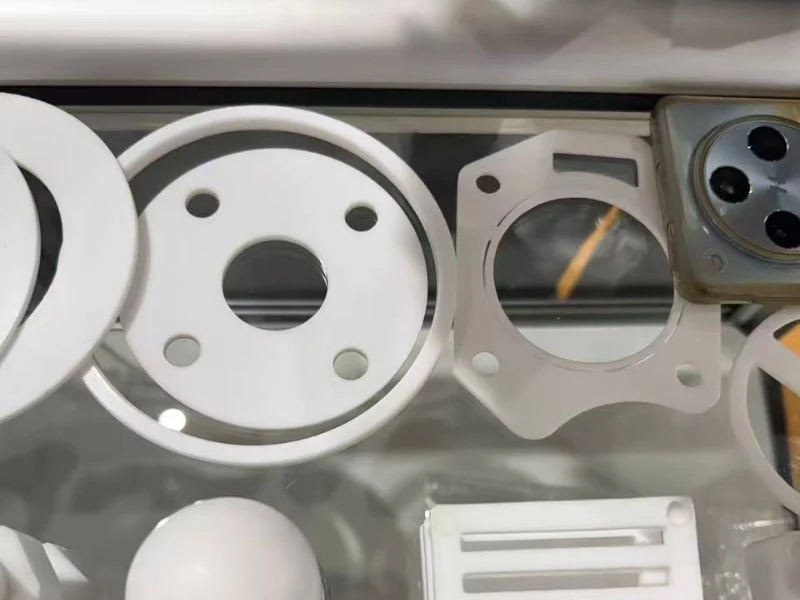
| PTFE | Clean, cold cut | Toxic fumes — avoid |
| PVC / vinyl | Clean | Releases chlorine gas — avoid |
| Non-asbestos fiber | Good | Good |
The pattern is clear: the knife’s material list is almost unlimited, while the laser’s is short and full of exceptions. If your gasket mix includes rubber, PTFE, PVC, or foam — which most do — the digital knife is the safer default.
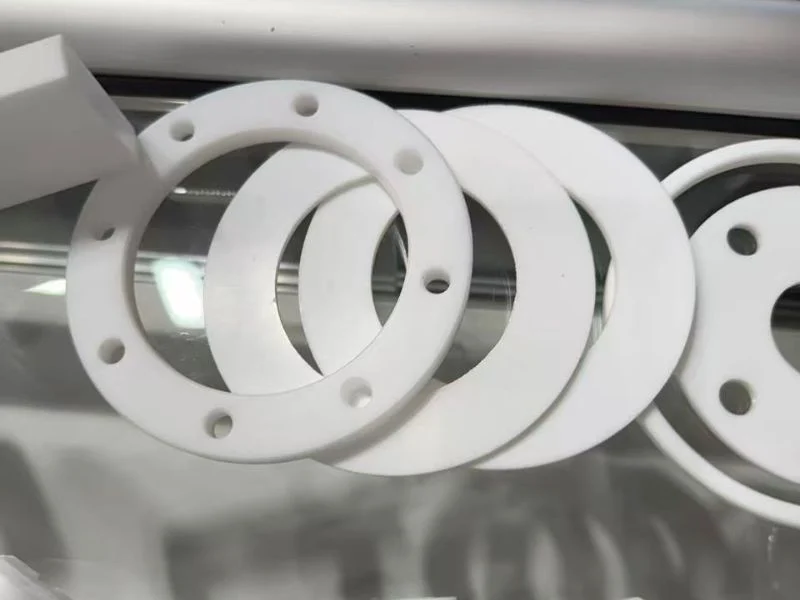
Edge quality and heat-affected zone
A knife leaves a clean, cold, dimensionally accurate edge; a laser leaves a heat-affected edge that can be sealed, melted, or charred depending on material. For sealing parts, edge quality is function, not cosmetics.
A gasket’s edge is where it seals. A ragged, melted, or hardened edge can leak or fail to compress evenly. Because the digital knife never heats the material, the cut face keeps the material’s original properties right up to the edge.
A laser’s heat-affected zone changes the material at the edge. On some plastics that means a clean sealed rim; on rubber and foam it means a hardened, discolored, or sticky edge that no longer compresses like the parent material.
For precision sealing — automotive, electronics, fluid systems — the cold knife edge is usually the safer engineering choice. Where a sealed plastic edge is actually wanted, the laser has an advantage.
Thickness and stacking
Digital knives handle thick and layered gasket stock better; lasers lose speed and edge quality as material gets thicker. Thickness is where the two methods separate again.
Oscillating knives cut thick rubber, cork, and stacked foam by slicing progressively, so a 6–10 mm gasket comes out with a square edge. Tooling depth is a setting, not a new die.
Lasers cut thin material fast, but thick rubber and foam force slower speeds, wider kerf, and more heat damage — the beam has to dwell, and dwell means burn. Very thick or dense gasket stock is knife territory.
If you cut a mix of thin and thick gaskets, the knife’s one-machine range saves you from splitting work across two processes.
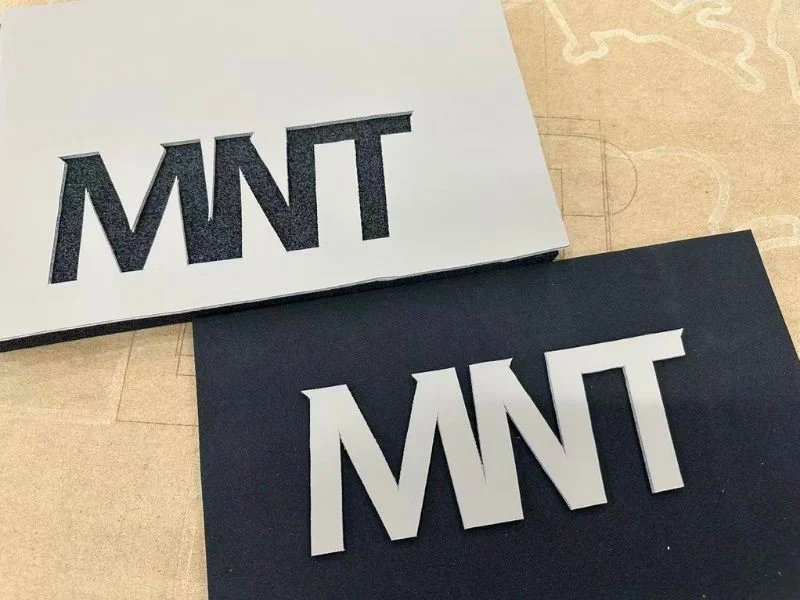
When Laser Cut Gaskets Make Sense
Laser cut gaskets make sense in three cases: thin film and paper-type gasket stock, fine detail in a heat-tolerant material, and metal gaskets. Outside those, the knife is the lower-risk method.
The first two are CO₂-laser work. Polyester film, aramid paper, thin non-asbestos fibre sheet and some silicones cut quickly on a CO₂ laser, and on very thin stock the beam holds small holes and tight internal corners that a blade has to steer around.
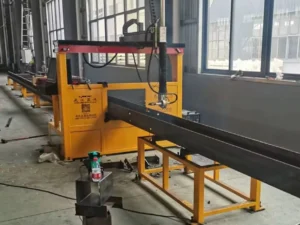
The third case is the one most gasket guides leave out. Flat metal gaskets, stainless shims and the steel cores of kammprofile and spiral-wound gaskets are cut on a fiber laser, not a knife and not a CO₂ laser. A precision fiber laser such as the MNT X6040 is built for exactly that thin-gauge, high-detail metal work.
So a laser gasket cutting machine is really two different machines depending on the material: a CO₂ laser for thin non-metal stock, a fiber laser for metal. The wider trade-off between the two is set out in our comparison of fiber laser vs CO2 laser. Neither replaces a knife for rubber, foam, cork or PTFE, which is where most soft-gasket volume sits.
Speed, detail, and volume
Lasers are faster on thin material with fine detail; knives are steadier across thick and heat-sensitive material. Speed only wins when the material cooperates.
On a thin, laser-safe gasket with intricate internal cutouts, a laser can outrun a knife — no blade to steer around tight corners. For high detail in a compatible material, that is a real edge.
But raw speed means little if the material chars or the edge fails. For most gasket rubbers, the knife’s clean cut at moderate speed beats a fast cut you have to scrap. Neither method matches a steel-rule die at very high volume on one shape — both shine at prototypes, short runs, and changing designs.
Cost, fumes, and safety
Both skip die tooling, but laser adds fume-extraction and material-safety costs that the knife avoids. Total cost isn’t just the machine.
Neither method needs a die, so both save the $500–$5,000 tooling cost per shape that a steel-rule die carries — a big reason shops move to die-less gasket cutting for samples and short runs.
The hidden cost is safety. Laser-cutting PVC releases chlorine gas; PTFE releases toxic fumes; many rubbers produce heavy smoke. That means serious fume extraction, filtration, and material restrictions. A cold knife has none of these hazards, which simplifies both the install and the daily operation.
For a shop cutting mixed elastomers, the knife’s lack of fume and material restrictions often outweighs the laser’s speed on the few materials it handles safely.
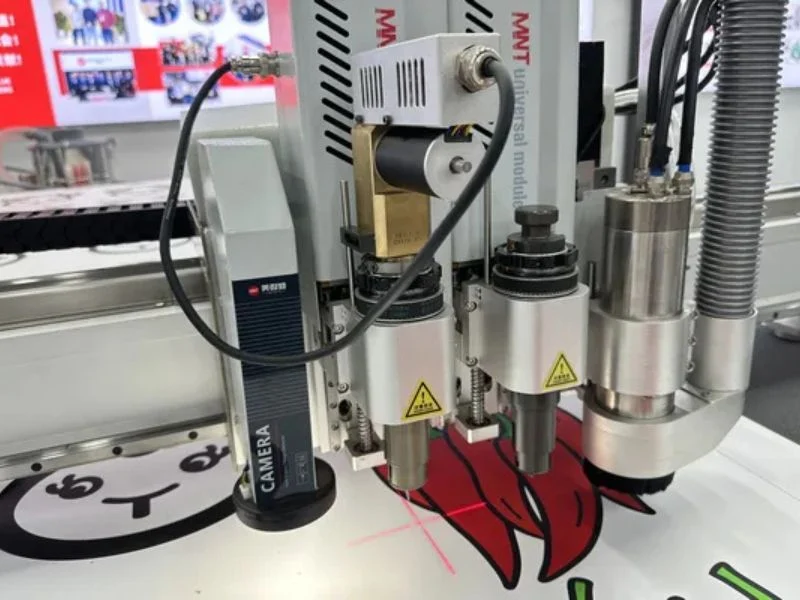
How to choose: knife or laser for gaskets
Choose by your dominant material first, then by thickness and detail. Work through these questions:
- What do you cut most? Rubber, PTFE, PVC, foam → knife. Thin, laser-safe stock → laser is an option.
- How thick? Thick or stacked → knife. Consistently thin → either.
- How fine is the detail? Extreme fine detail in a safe material → laser. Everything else → knife.
- Can you handle fumes? No dedicated extraction → knife. Full filtration in place → laser opens up.
- Sealing-critical edge? Yes → cold knife edge is safer.
For most gasket makers cutting varied rubber and foam, a digital knife cutter is the more flexible, lower-risk choice. See what a die-less knife setup handles across gaskets, foam, and packaging on our digital die cutting machine page.
Frequently Asked Questions
Can you laser cut rubber gaskets?
Some rubbers like silicone laser acceptably, but many — neoprene, EPDM, and anything PVC-based — char, smell, or release hazardous gas. A digital knife cuts all of them cold and clean, which is why knife cutting is the safer default for mixed rubber gaskets.
Why not laser cut PTFE or PVC gaskets?
Both release toxic fumes when lasered — PVC gives off chlorine gas, PTFE off-gasses hazardous compounds. These materials should be knife-cut or waterjet-cut, never lasered without specialized handling.
Which gives a cleaner gasket edge?
For sealing parts, a digital knife usually wins because it cuts cold and keeps the material’s compression properties right to the edge. A laser’s heat can harden, melt, or discolor the edge on rubber and foam.
Do I still need a die for either method?
No. Both digital knife and laser cut straight from your file with no die, saving $500–$5,000 in tooling per shape and turning samples around the same day. Dies only pay off at very high volume on one fixed gasket.
Which is better for thick gasket material?
The digital knife. It slices thick rubber, cork, and stacked foam with a square edge, while a laser loses speed and burns more as thickness increases.
What about custom and short-run gaskets?
Both are ideal for custom and short-run work since neither needs tooling. Match the method to your material: knife for rubber/PTFE/foam, laser only for thin, heat-safe stock with fine detail.