
CNC Router for Sign Making
MNT (MEINAITE) CNC routers cut, carve and V-groove every substrate a sign shop runs — acrylic, ACM, PVC board, foam and timber — from one file.
- Camera registration — contour-cut printed panels to the artwork, not to the sheet edge
- Carve, cut and groove in one setup — dimensional letters, returns and folded ACM without moving the sheet
- Full-sheet bed — a 4 × 8 ft panel machined in one placement, so letter spacing holds across the sign
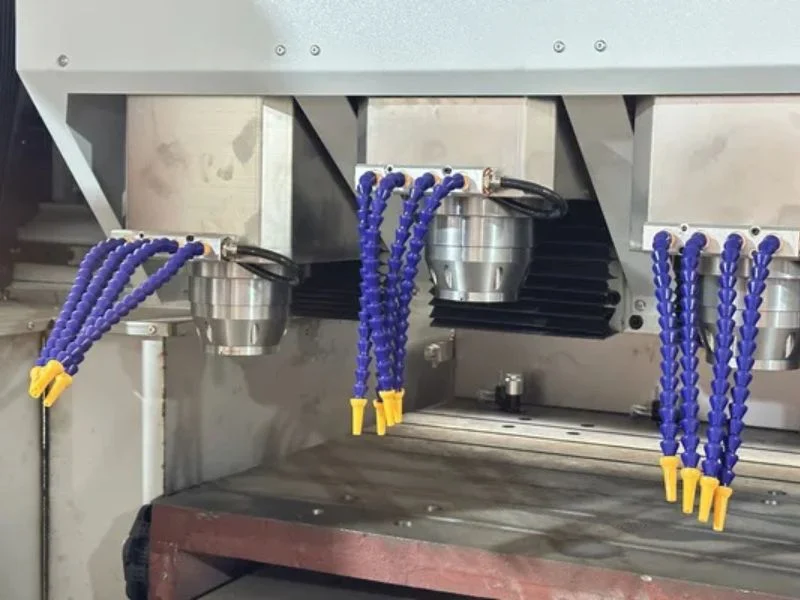
What a Sign Shop Actually Needs From a CNC Router
Sign making is not one process. A single job can need a contour cut around printed vinyl, a dimensional letter carved 10 mm deep, a V-groove so an ACM panel folds square, and a pocket for the LED module — and the customer wants it next week. What decides whether a router suits a sign shop is not spindle power; it is how many of those operations run without moving the sheet.
Every time a panel is repositioned, the datum changes and the error accumulates. On a run of channel letters that shows up as uneven spacing across the sign — the one defect a client notices from the car park.
Router or laser for signage?
| Job | Right tool |
|---|---|
| Thin acrylic, flat cut-out letters, engraved detail | Laser — faster, flame-polished edge |
| Depth: 3D relief, pockets, chamfers, V-groove | Router — a beam cuts through or not at all |
| ACM / aluminium composite | Router — a laser melts the core, a knife cannot cut the skin |
| PVC board | Router — PVC releases chlorine gas under a laser |
| Thick timber, MDF, HDU sign blanks | Router |
| Printed vinyl, banner, board contour cutting | Knife head or a flatbed cutter |
Most sign shops end up needing both — and that is the honest answer. A router earns its place the moment a job has depth or involves ACM and PVC; a laser stays faster on thin flat acrylic. If your work is 90% flat acrylic cut-outs, we will tell you a laser serves you better.
Why registration matters more than people expect
Printed sheet never comes back from the printer the size it left — vinyl and board stretch and skew through the press and the laminator. Cutting to the sheet edge instead of to the printed artwork is the single most common reason the first panel in a run is right and the last one is not.
Machine specifications compared. Print-and-cut sign work lives or dies on contour following, which is why the T2 and T3 carry CCD vision and the T6 does not. Between the two vision machines the difference is spindle cooling: air-cooled on the T2 for intermittent cutting, water-cooled on the T3 where the spindle runs all shift.
| Specification | T2 | T3 | T6 |
|---|---|---|---|
| Working area | 1300 × 2500 mm | 1300 × 2500 mm | 1300 × 2500 mm |
| Vision system | Industrial CCD + contour following | Industrial CCD + contour following | — |
| Spindle | 3.0 kW air-cooled | 3.0 kW water-cooled | 9 kW air-cooled, or 7.5 / 11 kW water-cooled |
| Tool changer | — | — | 4-tool linear ATC |
| Control system | NK105 | Computer-based control | Weihong 280 |
| Drive motor | Hybrid stepper-servo | Hybrid stepper-servo | Servo (X/Y/Z) |
| Net weight | 1500 kg | 1500 kg | 2000 kg |
Sign Substrates We Machine
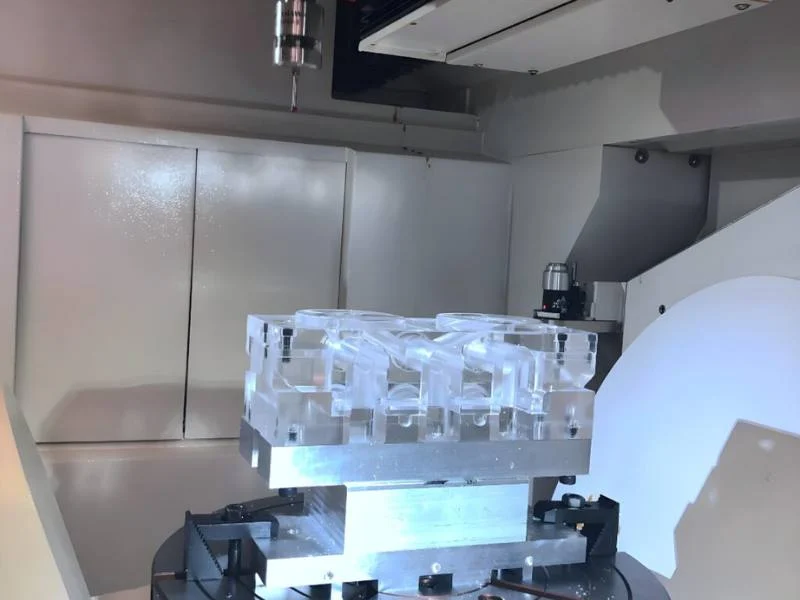
Acrylic & Polycarbonate
- Formats: Cast and extruded PMMA 2–30 mm, plus impact-grade PC for guards and vandal-resistant faces
- Watch out: Extruded acrylic melts and welds the chip back into the cut if you run cast parameters on it — and a laser turns polycarbonate brown and brittle at the edge
- How we cut it: Parameters set per grade with a sharp O-flute; cast acrylic comes off the bit almost polish-ready, PC keeps full impact strength
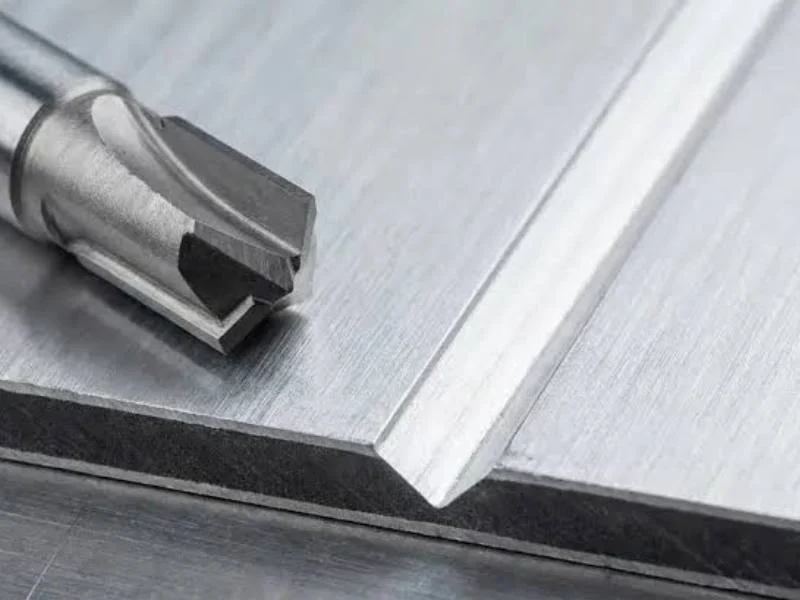
ACM & Aluminium Composite
- Formats: Dibond-type panel 2–6 mm, plus honeycomb and solid aluminium trim
- Watch out: A knife cannot cut the aluminium skin and a laser melts the plastic core, leaving an edge that shows at the fold — and V-groove depth is unforgiving: 0.2 mm too deep cracks the skin, too shallow will not fold square
- How we cut it: Depth-controlled V-grooving plus through-cutting in one setup, so facade and box panels fold crisp every time
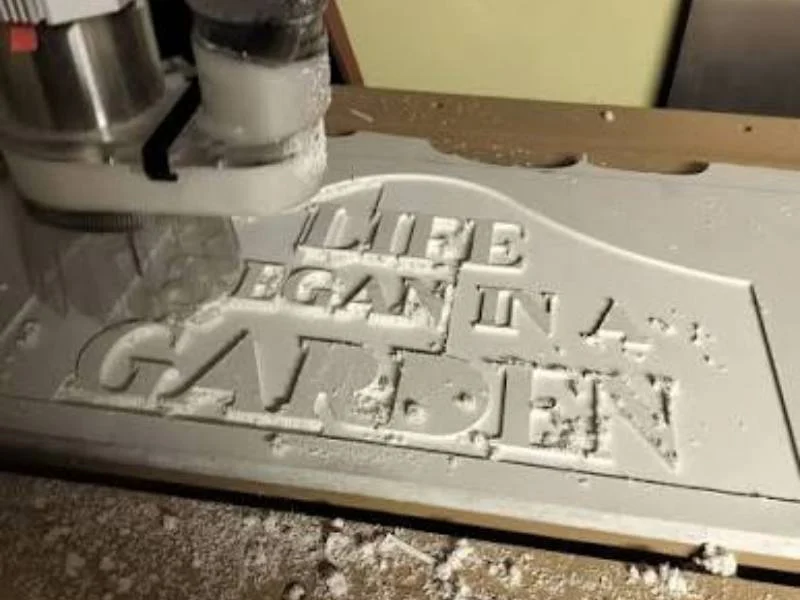
PVC Board, PETG & Foam Board
- Formats: Expanded PVC 3–20 mm, PETG, foam core and Gatorboard
- Watch out: PVC must never meet a laser — it releases chlorine gas that corrodes optics and frame, a machine-damage risk before it is a quality one
- How we cut it: Routing is the safe route for all of them, on the same bed and the same vacuum setup
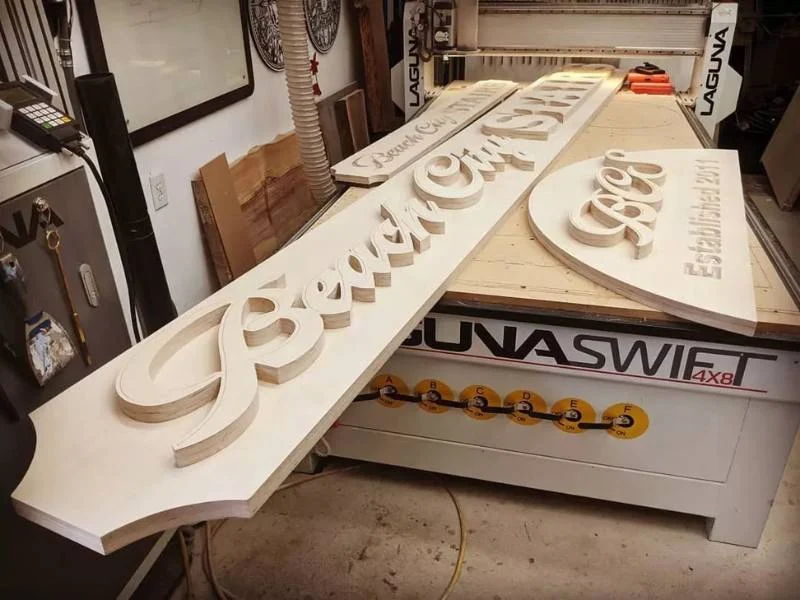
Timber, MDF & HDU Sign Blank
- Formats: Solid timber, MDF, plywood and high-density urethane board for carved and sandblasted signs
- Watch out: HDU and timber are where 3D depth lives, and that is exactly what a laser cannot reach — it engraves a surface, it does not carve a form
- How we cut it: True 3D relief and V-carve down to 10 mm and beyond, with tool changes handled by the ATC mid-program
Signs and Displays Made on a Router
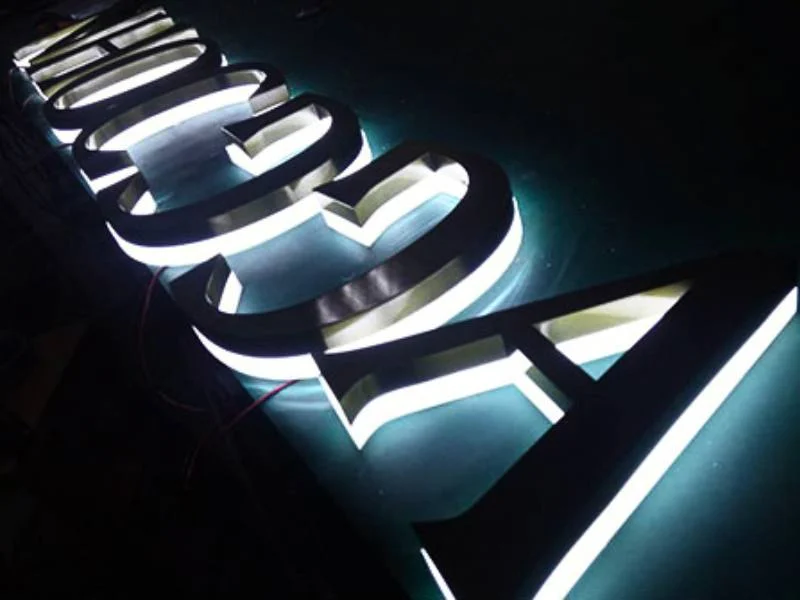
Channel Letters & Dimensional Lettering
- Parts: Faces, returns and backs for illuminated letters, from 100 mm to architectural scale
- The hard part: Letter spacing has to stay consistent across a whole sign, and every repositioning of the sheet puts that at risk — uneven spacing is what a client notices from the car park
- What you get: A full sheet machined in one placement, so all letters in a set share one datum
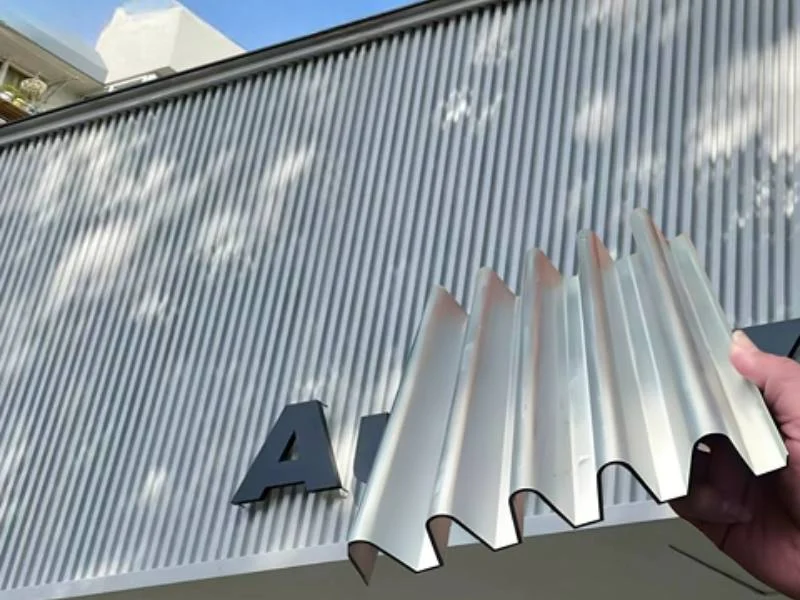
Facade Panels & Fascia
- Parts: ACM cladding, fascia panels and folded box signs with fixing holes
- The hard part: Panels are folded after cutting, so groove depth decides whether the corner is crisp or cracked — and a bad fold is scrap, not rework
- What you get: Depth-controlled V-groove plus through-cuts and holes in one program
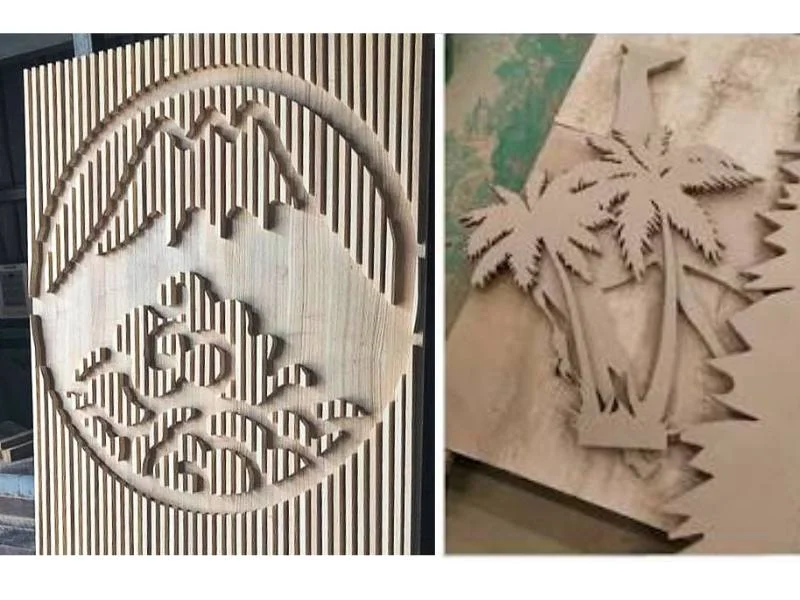
Carved & Sandblasted Signs
- Parts: HDU and timber signs with 3D relief, raised text and textured grounds
- The hard part: This is the work a laser simply cannot do — depth is the product, and hand carving does not repeat across a franchise rollout
- What you get: True 3D toolpaths at repeatable depth, so store #12 matches store #1
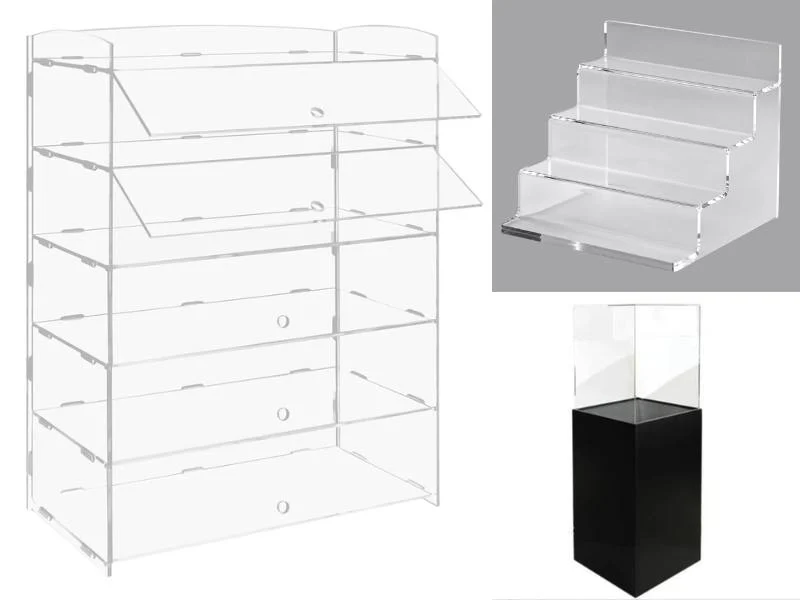
Retail Display & POP Fixtures
- Parts: Acrylic risers, shelf units, slot-together displays and printed panel contour cutting
- The hard part: Slots and tabs drilled in a second operation never quite line up, and assembly turns into filing and forcing
- What you get: Joints machined in the same pass as the outline; camera registration follows the printed artwork for contour cuts
Recommended MNT Routers for Sign Shops
Pick by whether your work arrives printed and how much depth you carve. Registration and tool changing are the two features that decide the configuration.
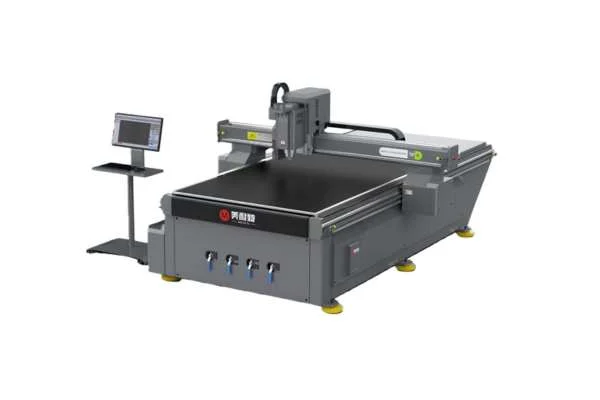
T2 Vision CNC Router
- Cuts: Acrylic, ACM, PVC board, foam board and printed panel
- Specs: Camera registration · full-sheet vacuum bed · contour cutting to printed artwork
- Best for: Shops whose work arrives printed — the registration machine
- Price: From $5,200
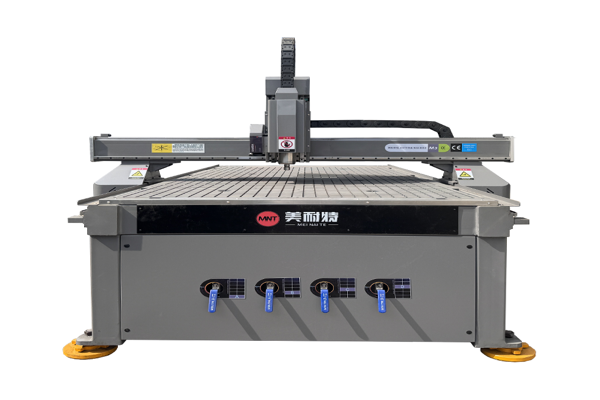
T3 High-Speed Vision CNC Router
- Cuts: The same substrates at higher throughput, plus print-to-cut production runs
- Specs: High-speed gantry · vision registration · full-sheet bed
- Best for: Print shops running signage volume rather than one-offs
- Price: From $8,900
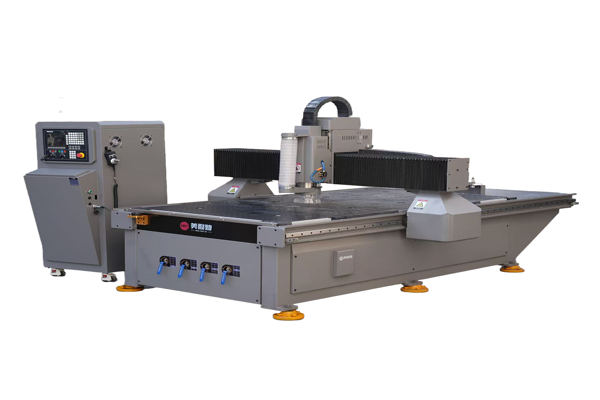
T6 ATC Engraving & Processing Center
- Cuts: Timber, MDF, HDU and acrylic where carving depth and multiple tools are needed
- Specs: Automatic tool changer · heavy frame · full-sheet bed · dust hood
- Best for: Carved and dimensional sign work with tool changes mid-program
- Price: From $11,100
What Separates a Sign Shop Router From a Hobby Machine
Sign work looks forgiving until the first franchise rollout, when twelve stores need identical letters. Three specifications decide whether the machine keeps up.
| Spec | Why it decides the job |
|---|---|
| Full-sheet bed | A 4 × 8 ft panel machined in one placement — repositioning is where letter spacing drifts |
| Camera registration | Only matters if your work arrives printed — but if it does, it is the difference between a saleable panel and a reprint |
| ATC | Carving needs a roughing bit, a finishing bit and a V-bit. Without a changer the program stops three times per sheet |
| Vacuum capacity | Decides the smallest letter you can cut before it lifts |
| Dust extraction | MDF and HDU dust in quantity — plan the ducting before the machine arrives |
Three things sign shops get wrong
- Buying a router to replace a laser. They are complementary, not substitutes. If 90% of your work is thin flat acrylic cut-outs, a laser is faster and we will say so. Buy a router for depth, for ACM and for PVC — the three things a beam cannot handle.
- Underestimating tooling. Acrylic, ACM, PVC and timber each want a different bit and different feeds. A single general-purpose cutter gives you four mediocre results. Substrate suppliers publish the data worth working from — Röhm for cast and extruded acrylic grades, 3A Composites for ACM panel construction, and the International Sign Association for production benchmarks worth checking your own numbers against.
- Skipping registration to save money, then buying it a year later. If printed panels are any part of your mix, the retrofit costs more than the option did.
Why Sign Shops Choose MNT Routers
On signage the machine is judged on the finished edge and on whether the panel is straight — both come back to the frame and the vacuum. About MNT (MEINAITE) — who builds it and where.
Distributor or OEM partner? Territory, spare-parts commitment and technical training are what decide whether a machine is worth carrying. Talk to us about partnership.
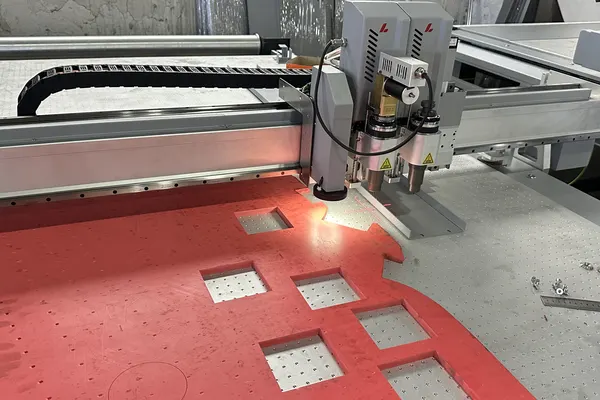
Every Sign Substrate on One Bed
- Acrylic, ACM, PVC board, foam board, timber, MDF and HDU without changing machines
- V-groove, 3D carve, pocket and through-cut in one program on one datum
- Tooling and feeds recommended per substrate from our own test cuts
- For distributors: sign shops are the highest-density buyer group in this catalogue — short decision cycles, a mid-range ticket, and every town has several. This is the machine that builds your installed base fastest
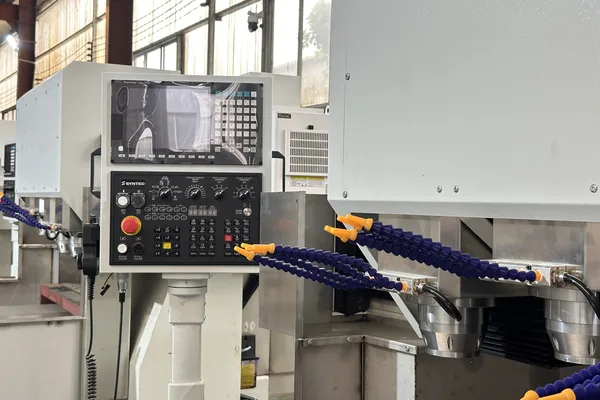
Registration That Survives a Production Run
- Camera reads printed marks to ±0.1 mm before each sheet
- Full-sheet vacuum bed — letters stay put as they cut free
- Spindle, collets and bits are standard industrial parts, stocked and shipped direct
- For distributors: spare-parts commitment, territory and technical training are the three things that decide whether a machine is worth carrying — all three are set out on our partnership page
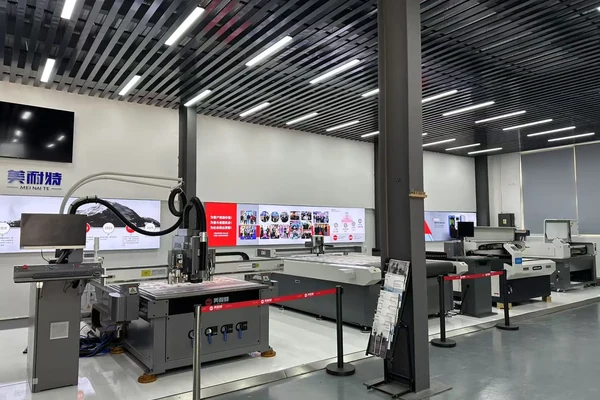
The Factory That Builds Your Sign Router
- Frames welded, annealed and machined in-house by Hangzhou Chaohan
- Every machine run-tested and calibrated before shipping
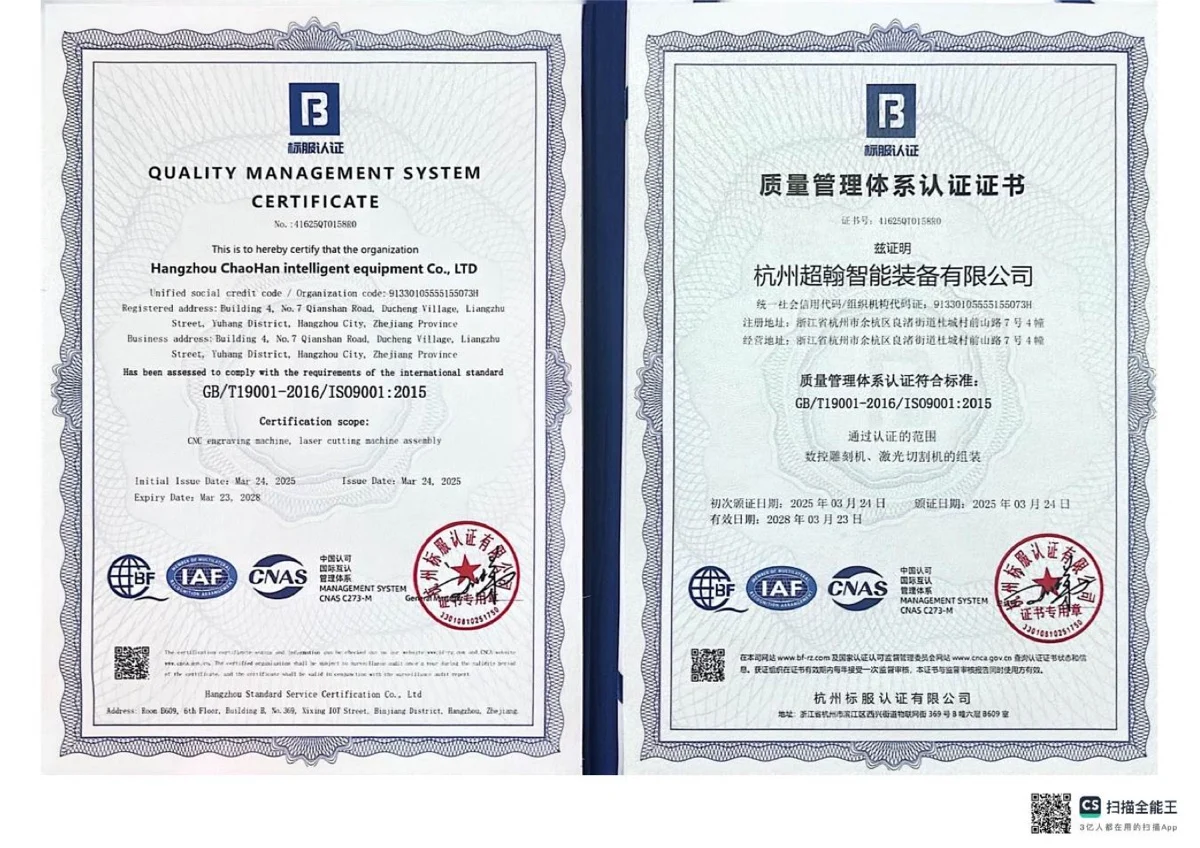
CE + ISO — Send Artwork for a Free Sign Sample
- CE-marked and ISO 9001:2015 certified, built by Hangzhou Chaohan
- Send your artwork and substrate — we machine a sample letter or panel and send photos of the edge
- 12-month warranty, lifetime software updates, on-site commissioning and training
Feeds and tooling per substrate come from our own test cuts on the T-series build we ship. Sample letters machined on request before you commit.
Frequently Asked Questions
How much does a CNC router for sign making cost?
A full-sheet sign shop router runs roughly USD 15,000 to 60,000 depending on bed size, whether camera registration and an automatic tool changer are fitted, spindle power and the vacuum pump. Registration and ATC are the two options that move the price most — and the two most often regretted when skipped. Tell us your substrate mix and monthly volume for a factory-direct quote.
Router or laser for sign making?
They are complementary. A laser is faster on thin flat acrylic and leaves a flame-polished edge. A router is the only option for depth — 3D relief, pockets, chamfers, V-groove — and for ACM (a laser melts the core) and PVC (which releases chlorine gas under a beam). If 90% of your work is flat acrylic cut-outs, we will tell you a laser serves you better.
Do I need camera registration?
Only if your work arrives printed — but if it does, it is not optional. Printed sheet never comes back from the press the size it left; vinyl and board stretch and skew through printing and laminating. Cutting to the sheet edge instead of to the artwork is the single most common reason the first panel in a run is right and the last one is not. Retrofitting registration later costs more than the option did.
Can it cut aluminium composite panel and V-groove it for folding?
Yes — and this is one of the main reasons sign shops buy a router. ACM is an aluminium skin over a plastic core, so a knife cannot cut it and a laser leaves a melted core edge visible at the fold. Groove depth is controlled to fold crisply without cracking the skin: 0.2 mm too deep and it splits, too shallow and it will not fold square.
How deep can it carve for dimensional signs?
10 mm and beyond in HDU, timber and cast acrylic, with true 3D relief toolpaths rather than surface engraving. Depth is exactly what a laser cannot reach — it marks a surface, it does not carve a form. For franchise rollouts the value is repeatability: store #12 comes out matching store #1 because the toolpath does not vary.
Do I need an automatic tool changer?
For carved work, effectively yes. A dimensional letter needs a roughing bit, a finishing bit and often a V-bit — without a changer the program stops three times per sheet and someone has to be standing there. For flat cutting only, a single-spindle machine is fine. The ATC is what lets the machine run unattended, which is where the labour saving actually is.
What about PVC board and the fumes?
Route it, never laser it. PVC under a laser releases chlorine gas that corrodes the optics and the machine frame — that is a machine-damage and health issue, not a finish issue. Routing produces chips and dust instead, handled by the dust hood and extraction. Expanded PVC, PETG and ABS all run safely on the same bed.
Can the same machine contour-cut printed vinyl and banner?
With a knife head fitted, yes for light material. But if flexible printed media is a large part of your work, a dedicated flatbed cutter handles it better — kiss-cutting, creasing and roll feed are its job. Many sign shops run a router for rigid substrates and a flatbed for printed media, and route each job by material.
Sign Making — Technical Guides
Machine selection, print-to-cut workflow and substrate handling for sign shops.
How to Choose a Vision CNC Router for Advertising Production
Bed size, registration and tooling — how to size a sign shop router against the substrates and volume you actually run.
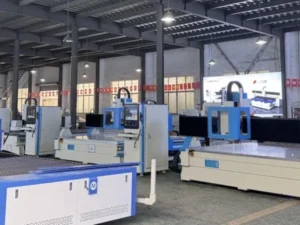
T2 vs T3 Vision CNC Router Comparison
Which vision router matches your throughput, worked through on real signage production.
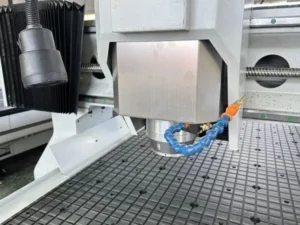
T3 Vision CNC Router Print-to-Cut Workflow Guide
A print-to-cut workflow end to end, from registration marks to finished panel.
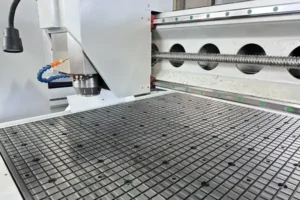
How to Choose a Precision CNC Router for Acrylic and Aluminum
Feeds, tooling and edge quality per substrate, including cast versus extruded acrylic.
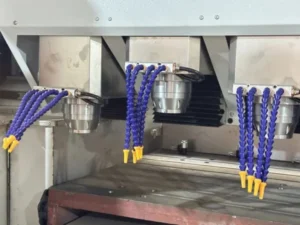
Vision CNC Router Maintenance Checklist
Camera calibration, collets, vacuum seals and the checks that keep registration accurate.
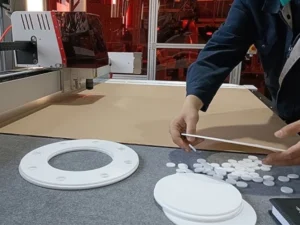
CNC Router vs Waterjet for Thick PTFE Plate
How process choice shifts with material and thickness, applied outside signage.
Send Artwork for a Free Sign Sample
Send your artwork and substrate — we machine a sample letter or panel, send photos of the edge and the groove, and tell you honestly if a laser or a flatbed cutter would serve the job better.