
Tarpaulin Cutting Machine
MNT (MEINAITE) C-series digital knife cutters cut PVC-coated tarpaulin, tent and banner fabric and architectural membrane — nested, labelled and left with a clean cold-knife edge that goes straight to the high-frequency welder.
- Cold oscillating knife, not a laser — the PVC coating is never carbonised, so the cut edge still high-frequency welds
- Camera registration cuts printed banners and panel geometry in register, hems and eyelet marks included
- Wide zone-vacuum tables hold big, slippery coated rolls flat — panels come off nested and in weld order
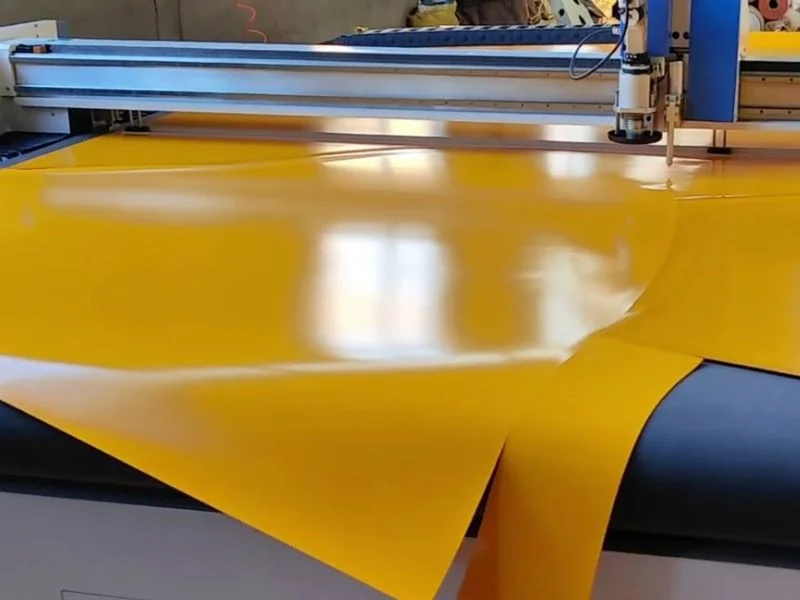
On a Tarpaulin, the Cut Edge Has to Survive the Weld
A tarpaulin is a coated fabric — a woven polyester or PE scrim with a PVC skin — and how it is cut decides whether the next step, a high-frequency weld, actually holds. Cut it with a laser and the beam carbonises the PVC coating along the edge; that charred edge will not weld, so the seam that holds a truck cover or a tensile roof together fails where it matters most.
This is why coated tarpaulin is cut cold. The C-series is a vibrating-knife table with a camera, a zoned vacuum bed and a conveyor: it shears the coated fabric to a clean, weldable edge, registers to a printed banner, and nests big panels off a wide roll. It is the same reason coated marine fabric is never laser cut — and it is the machine class the industrial-fabrics trade uses to turn roll goods into welded covers, tents and structures.
Machine specifications compared. PVC-coated fabric cuts easily and nests badly — the constraint is roll width, not the blade. With belt feeding all three machines cut continuously off the roll; the C3232 at 3200 mm is the one that takes a full-width panel without splitting the nest.
| Specification | C6090 | C2516T | C3232 |
|---|---|---|---|
| Cutting area | 600 × 900 / 600 × 1200 / 900 × 1200 mm | 2500 × 1600 mm | 3200 × 3200 mm |
| Coated fabric & technical textile | ≤ 10 mm | ≤ 10 mm | ≤ 10 mm |
| Rotary wheel tool | Optional | Optional | Optional |
| Cutting speed | 300–1800 mm/s | 300–1800 mm/s | 300–1800 mm/s |
| Hold-down | Aluminium honeycomb, vacuum | Vacuum adsorption | Vacuum adsorption |
| Continuous belt feeding | Yes | Yes | Yes |
| Total connected load | 9.5 kW | 9.5 kW | 9.5 kW |
| Typical tarpaulin job | Samples, repair panels | Standard roll widths | Full-width roll goods, large panels |
Tarpaulin & Coated Fabrics We Cut
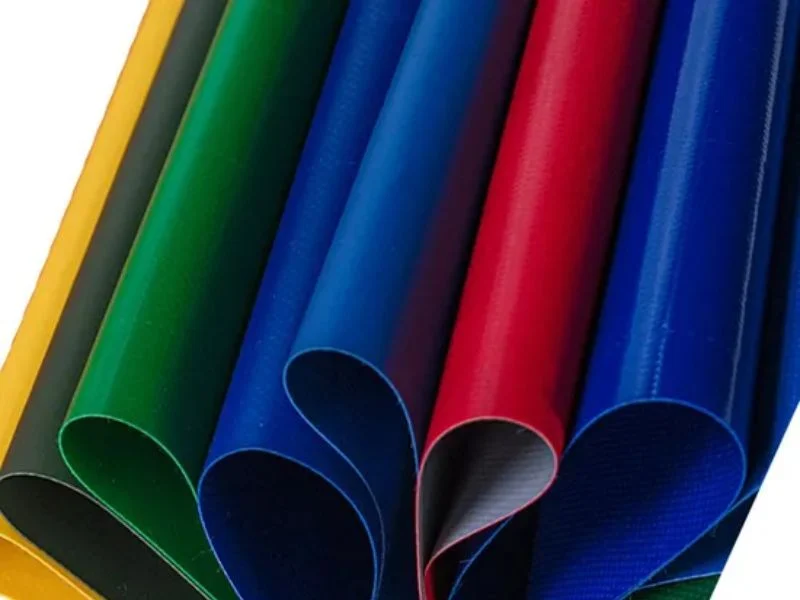
PVC-Coated Polyester Tarpaulin
- Formats: 650–1200 g/m² PVC-coated woven polyester, truck, tent and industrial-curtain grade
- Watch out: a laser carbonises the PVC coating and the charred edge will not high-frequency weld, so the seam fails
- How we cut it: a cold oscillating knife shears it to a clean, weldable edge and the coating stays intact right to the cut
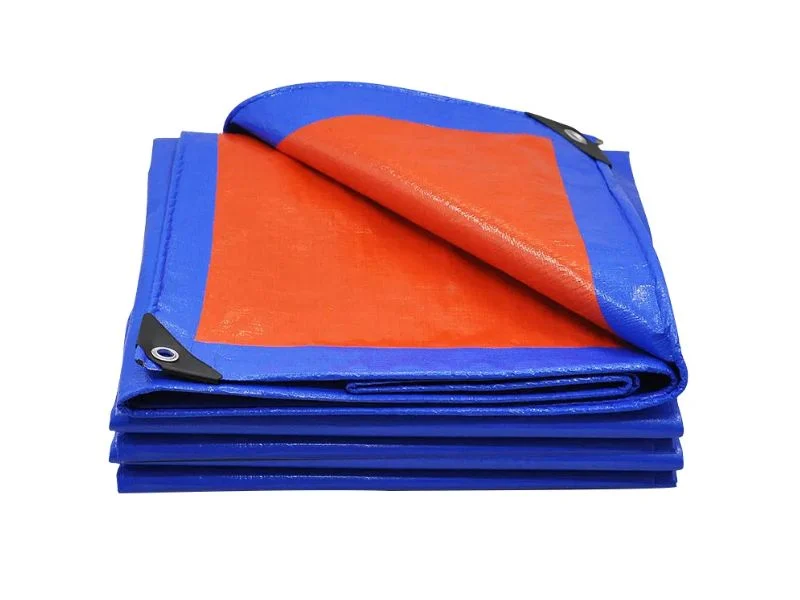
PE Tarpaulin & Woven Laminate
- Formats: cross-laminated PE, woven HDPE tarp and ripstop laminate, 100–300 g/m²
- Watch out: thin laminate frays and the weave pulls if the blade drags instead of shearing
- How we cut it: the blade shears against the belt so the laminate is cut clean with no frayed selvedge
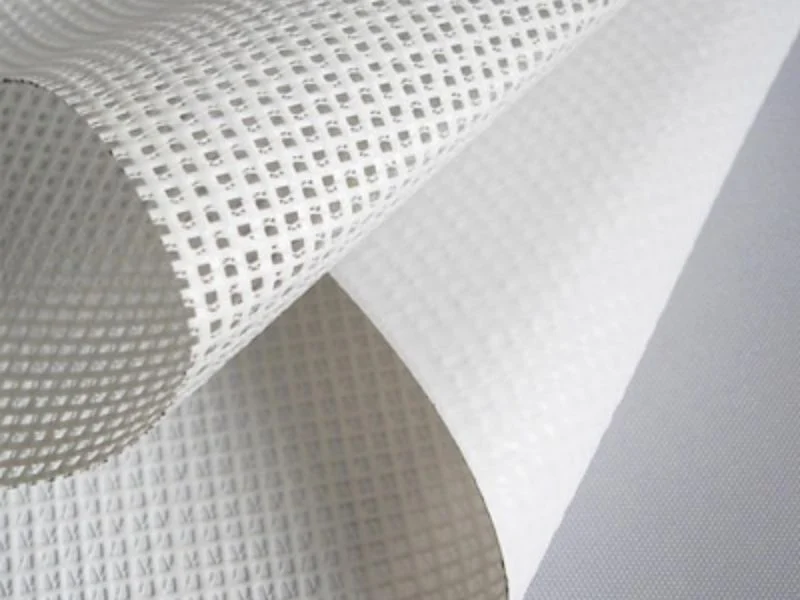
PVC Mesh & Banner Media
- Formats: frontlit and backlit PVC banner, mesh billboard media and scrim vinyl
- Watch out: the mesh holes catch a dragged blade, and printed banners have to be cut to the artwork not a blind outline
- How we cut it: the camera registers to the print and the oscillating knife cuts cleanly through mesh, hem and eyelet marks placed
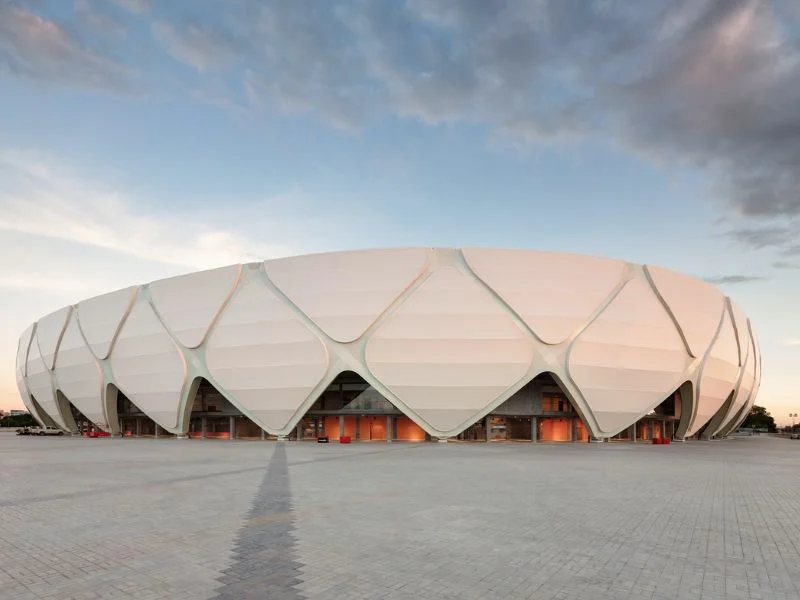
Architectural & Tensile Membrane
- Formats: PVC/PES and PTFE/glass tensile membrane and ETFE foil for structures
- Watch out: engineered membrane is expensive and each panel must be cut to exact geometry with the weld allowance intact
- How we cut it: a precision knife cuts each panel to the CAD development, leaving the weld seam allowance exactly where the engineer placed it
Cut behaviour verified on MNT C-series vibrating-knife tables at Hangzhou Chaohan; weldability checked against HF-weld coated-fabric practice.
Who Cuts Tarpaulin This Way
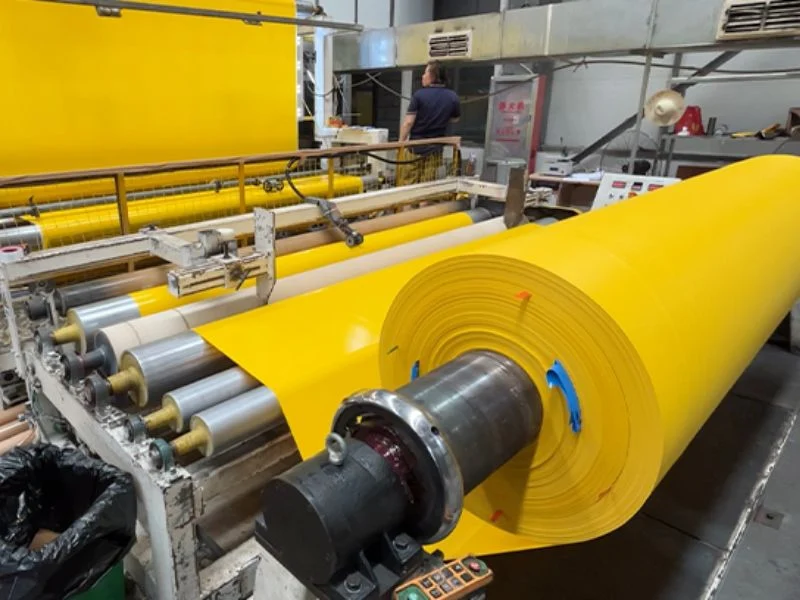
Tarpaulin & Cover Fabricators
- Parts: truck and trailer covers, agricultural covers, industrial curtains and screens
- The hard part: big welded panels, every job a different size, and the weld edge has to be clean
- What you get: nested panels with a weldable edge, labelled in weld order — no bandsaw fray, no scorched seam
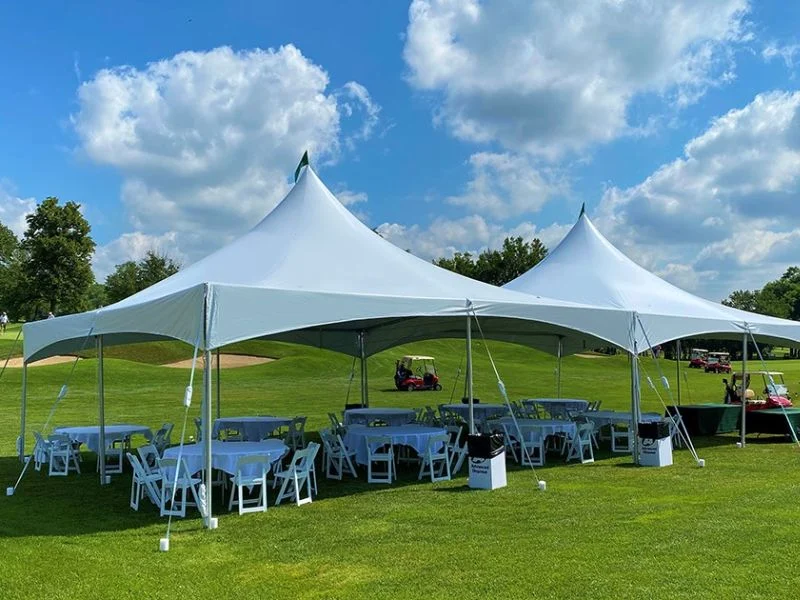
Tents, Marquees & Canopies
- Parts: event tents, marquees and tensile canopies
- The hard part: 3D canopy geometry flattened to 2D panels, each with a seam allowance
- What you get: cut to the flattened pattern with the seam edge ready to weld, so panels join true on site

Wide-Format Signage & Banners
- Parts: PVC banners, mesh billboards and building wraps
- The hard part: print registration and a clean hem and eyelet edge on long runs
- What you get: the camera cuts to the print and marks hems and eyelets, so finishing is a fold not a re-measure

Architectural Membrane Structures
- Parts: tensile roofs, facades and membrane canopies
- The hard part: engineered panel geometry, very high material cost and an exact weld allowance
- What you get: CAD-exact panels with the weld allowance intact — no expensive membrane lost to a mis-cut
Application mix from MNT installs in cover, tent and tensile-membrane shops; panel-development and weld-allowance notes from coated-fabric fabricators.
Recommended MNT Tarpaulin Cutting Machines
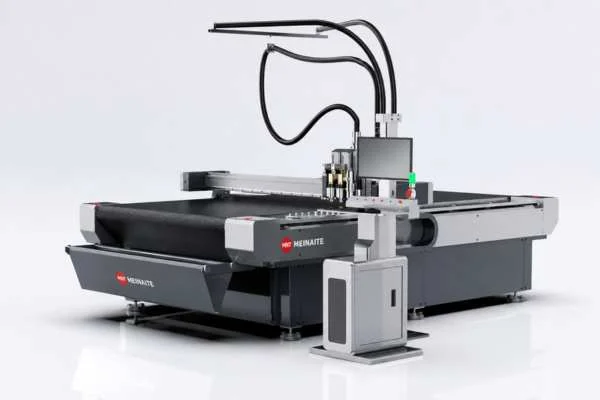
C2516T Digital Cutting Machine
- Cuts: PVC tarpaulin, banner media, PE laminate and coated fabric
- Specs: 2500 × 1600 mm · EOT oscillating + drag + camera registration · zone vacuum · conveyor feed
- Best for: production cover and banner cutting from roll, including printed and mesh media
- Price: From $16,900
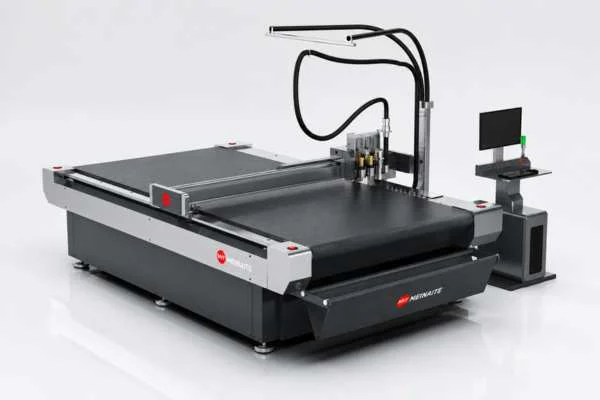
C3232 Digital Cutting Machine
- Cuts: wide truck tarp, tensile membrane and large tent panels
- Specs: 3200 × 3200 mm · POT pneumatic knife + EOT oscillating · zone vacuum
- Best for: membrane structures, tents and any panel too wide for a 1600 mm table
- Price: From $11,555
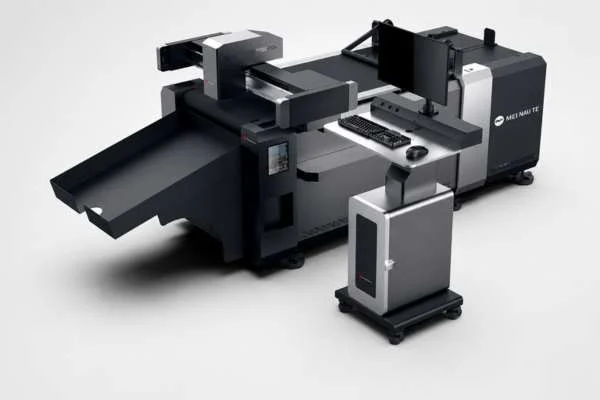
C6090 Digital Cutting Machine
- Cuts: sample panels, banner proofs and pattern development
- Specs: 600 × 900 / 600 × 1200 mm · EOT + creasing · vacuum table
- Best for: sample rooms, proofing and low-volume custom covers
- Price: From $12,000
Specifications from MNT C-series build sheets; all three share one platform, software and tool range — Hangzhou Chaohan.
Where a Cold Knife Beats a Laser on Coated Tarpaulin — and Why the Edge Matters
| Cold digital knife (this page) | Laser | Hand knife / hot knife | |
|---|---|---|---|
| Coated edge | Clean and weldable | Carbonised — will not HF weld | Ragged, inconsistent |
| Fumes | None | Chlorine fume from PVC | Fume if hot knife melts the coating |
| Print / geometry | Camera to print & CAD panel | Camera, but edge unusable | Marked and cut by hand |
| Wide panels | Nested on a 3200 mm table | Table-limited, edge issue remains | Slow, never twice the same |
| Speed vs consistency | Fast and repeatable | Fast but edge fails downstream | Flexible but slow |
Where tarpaulin differs from marine and plain textile. Coated boat fabric — Hypalon and CSM — is its own job on the Hypalon & marine cutting machine, and plain uncoated woven textile is the CNC textile cutting machine. This page is PVC-coated tarpaulin, banner and membrane — where the shared rule is that the cut edge feeds a weld, so it must be cold, clean and uncarbonised.
Three things that catch first-time buyers
- A laser edge cannot be welded. The single most expensive mistake here is laser-cutting coated tarpaulin: it is fast and looks clean, but the carbonised PVC will not high-frequency weld, so the seam fails in service. Coated fabric is cut cold for a reason, not a preference.
- Blades are a consumable, and coating grits them. The mineral filler in PVC coating is mildly abrasive; budget blade replacement into running cost. There is no gas, no optic and no abrasive, so total running cost still lands well below a laser on the same covers.
- Wide roll hold-down decides the panel. Big coated rolls are heavy and slippery; without zoned vacuum the fabric shifts and a 4-metre panel drifts out of true. On covers and membrane the table width and the vacuum matter more than headline blade speed, per coated-membrane fabricator practice.
Why Tarpaulin Shops Choose the C-Series
On coated tarpaulin the machine earns its keep at the edge and the vacuum bed, not at headline speed — a weldable edge and a held-flat wide panel decide whether the cover holds together. About MNT (MEINAITE) — who builds it and where. Carrying the line? Territory and spare-parts terms are on our partnership page.
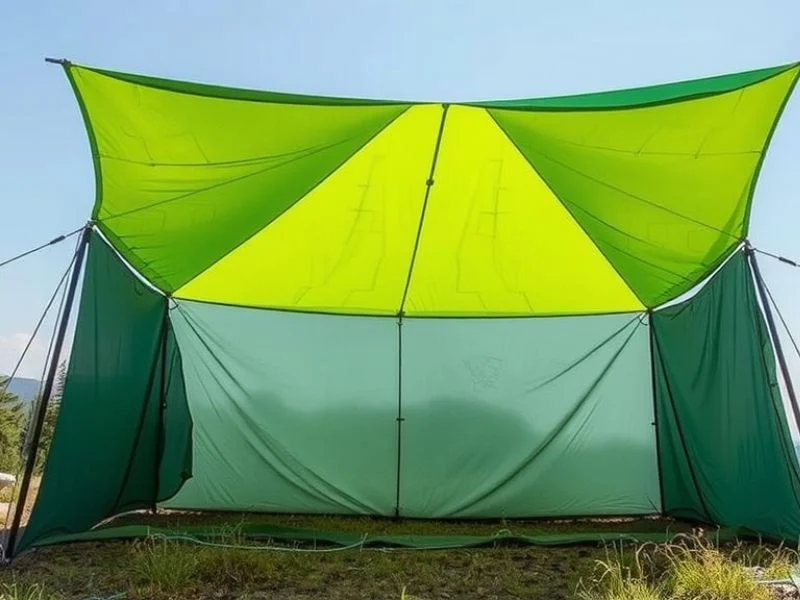
A Cold Edge That Still Welds
- Oscillating knife shears the coated fabric with no heat and no carbonised edge
- Camera registers to printed banners and to CAD panel geometry
- Panels nested off a wide roll and labelled in weld order
- For distributors: tarpaulin, tent and sign fabricators are spread across every region and re-cut constantly — the cold-weldable-edge argument sells the machine on its own, and blade and underlay pull-through is steady once it is in the line
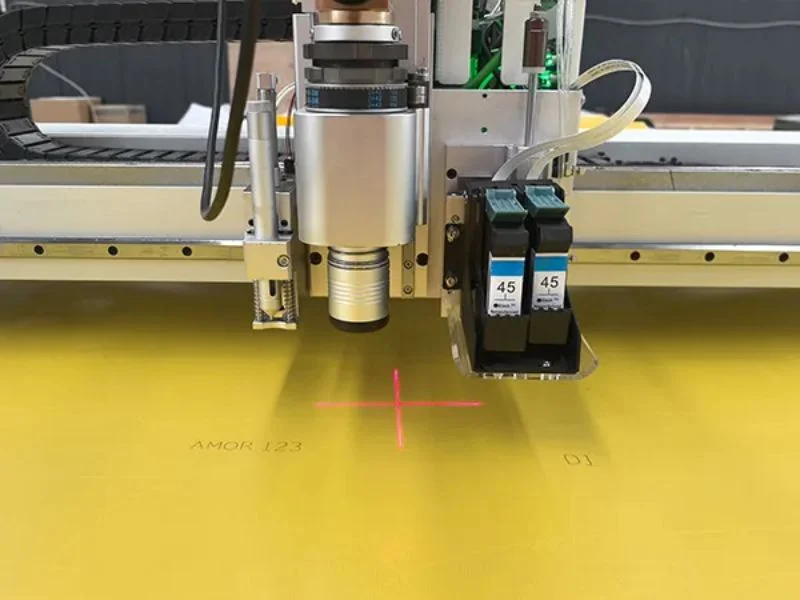
Wide Tables Built for Coated Rolls
- Zone vacuum holds big, slippery coated rolls flat through the cut
- 3200 mm width for truck tarp, tents and tensile membrane
- Nesting yield protects expensive engineered membrane
- For distributors: spare-parts commitment, territory and training are the three things that decide whether a machine is worth carrying — all three are set out on our partnership page
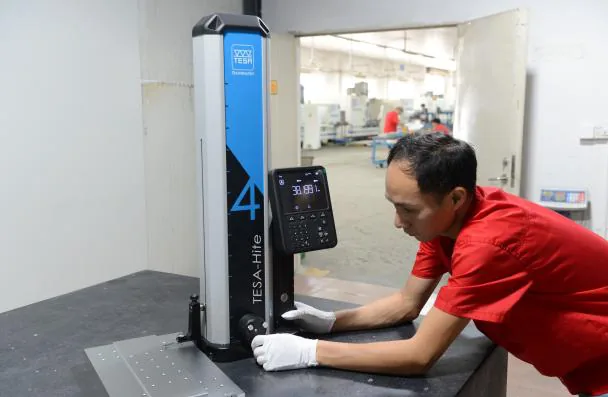
The Factory That Builds Your Tarpaulin Cutter
- Frames, gantries and vacuum tables built in-house by Hangzhou Chaohan
- Every machine run-tested and calibrated before it ships
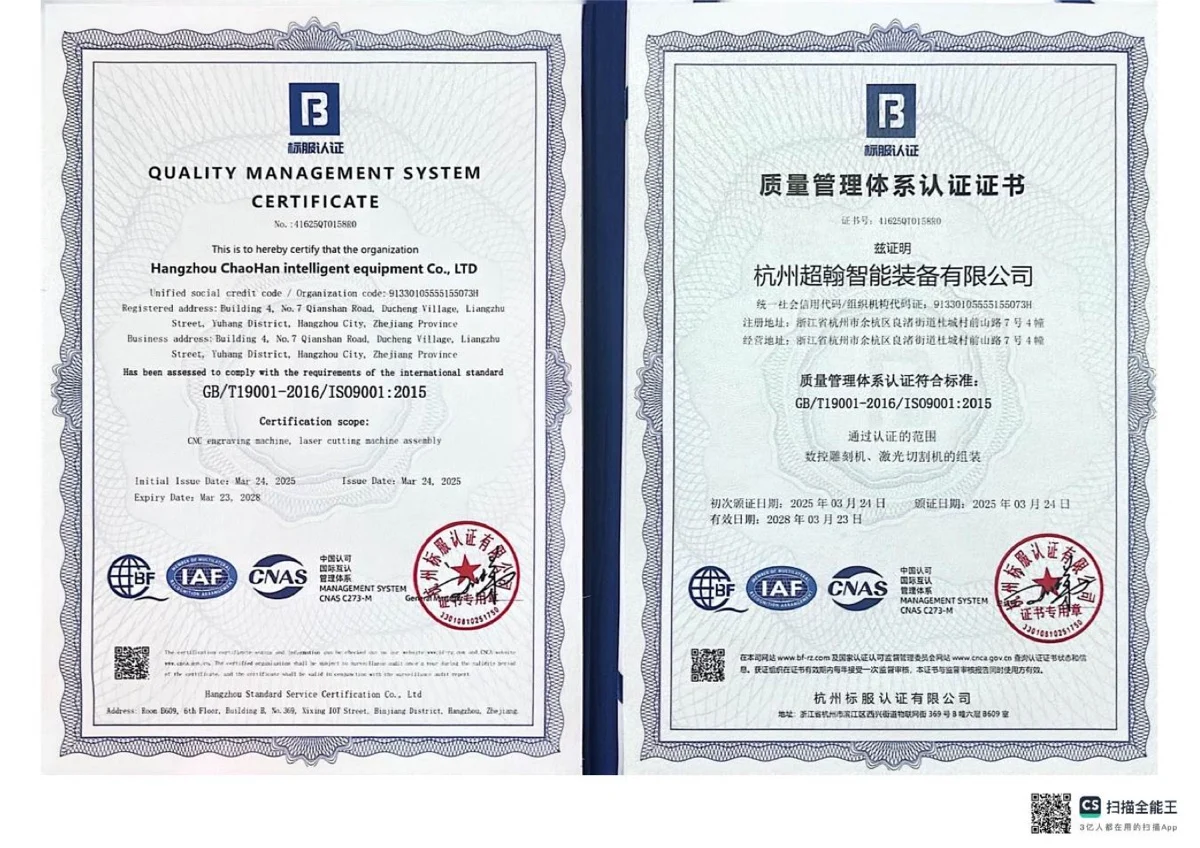
CE + ISO — Send Your Tarpaulin for a Free Cut
- CE-marked and ISO 9001:2015 certified, built by Hangzhou Chaohan
- Send your coated fabric and a panel drawing — we cut it free and return the panels and edge photos
- 12-month warranty, lifetime software updates, on-site commissioning and training
CE-marked (EU 2006/42/EC), ISO 9001:2015; 8 patents incl. 1 invention patent; built by Hangzhou Chaohan, not traded.
Frequently Asked Questions
Why not laser-cut PVC tarpaulin?
Because a laser carbonises the PVC coating along the cut, and a carbonised edge will not high-frequency weld. Since welded seams are what hold a truck cover, tent or tensile roof together, a laser edge fails exactly where the load is. A laser also releases chlorine fume from PVC. Coated tarpaulin is cut cold with a knife so the edge stays weldable.
Does the knife leave a weldable edge?
Yes — that is the point of cutting coated fabric with a cold oscillating knife. The blade shears the fabric without heat, so the PVC coating stays intact right to the cut line and the edge goes straight to the high-frequency welder. There is no charred zone to trim back first.
Can it cut printed banners in register?
Yes. A camera registers to the printed artwork before cutting, so banners, mesh billboards and building wraps are cut to the print — with hem and eyelet positions marked — rather than to a blind outline. That turns finishing into a fold rather than a re-measure.
How wide a tarpaulin can it cut?
Up to 3200 mm on the C3232, which covers truck tarp, wide tents and tensile-membrane panels; the C2516T handles 1600 mm roll goods for covers and banners. Wide coated rolls are heavy and slippery, so zone vacuum holds the fabric flat and keeps a long panel true across the full width.
Can it cut engineered architectural membrane?
Yes. PVC/PES and PTFE/glass tensile membrane and ETFE are cut to the exact CAD panel development with the weld allowance intact. On membrane the material cost is high and the geometry is engineered, so nesting accuracy and a clean weld edge matter more than raw speed.
How much does a tarpaulin cutting machine cost?
A production digital knife cutter with vacuum bed, conveyor and camera registration runs roughly USD 12,000 to 40,000, depending on table size (1600 vs 3200 mm), tool head and whether the camera is fitted. A small sample table sits near the bottom; a 3200 mm membrane-and-tent table near the top. Send your fabric weight, panel sizes and monthly volume for a factory-direct quote.
Which C-series model fits tarpaulin work?
All C-series machines share one platform, software and tool range — the difference is working size. The C6090 suits sample rooms and proofing; the C2516T suits production cover and banner cutting from roll; the C3232 exists for wide truck tarp, tents and membrane. See the full digital cutting machine range.
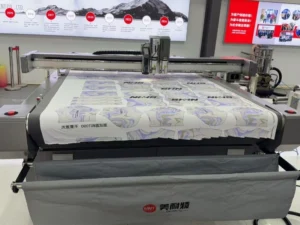
Tarpaulin Cutting — Technical Guides
Cold knife or laser, coated or plain — the guides behind every recommendation on this page.
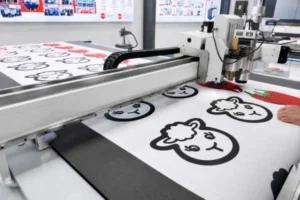
Oscillating Knife vs Laser Cutting for Leather: Which Should You Choose?
Why a cold knife beats a laser on any coating- or resin-bearing material: no carbonised edge, no fume — exactly why coated tarpaulin is never laser cut.
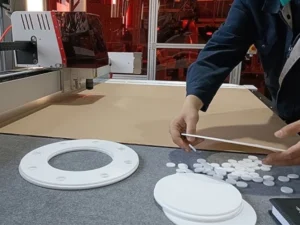
CNC Router vs Waterjet for Thick PTFE Plate
The same process-selection logic — matching the cutting process to what the material and the next step downstream can tolerate.