
Neoprene Cutting Machine
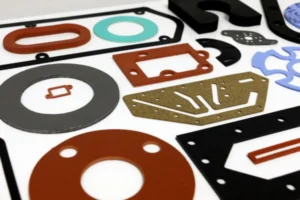
MNT (MEINAITE) C-series digital knife cutters shape solid neoprene rubber, closed-cell neoprene sponge and coated neoprene laminate — gaskets, seals, padding and protective parts — nested and cut clean without the die tooling or the laser char.
- Oscillating knife shears solid and sponge neoprene full-depth — a clean square edge, no melt and no chlorine fume
- Closed cells stay sealed at the cut, so a foam gasket keeps doing its job of shutting out water and air
- A design change is a file, not a new die — high-mix gasket and padding work without the tooling bill
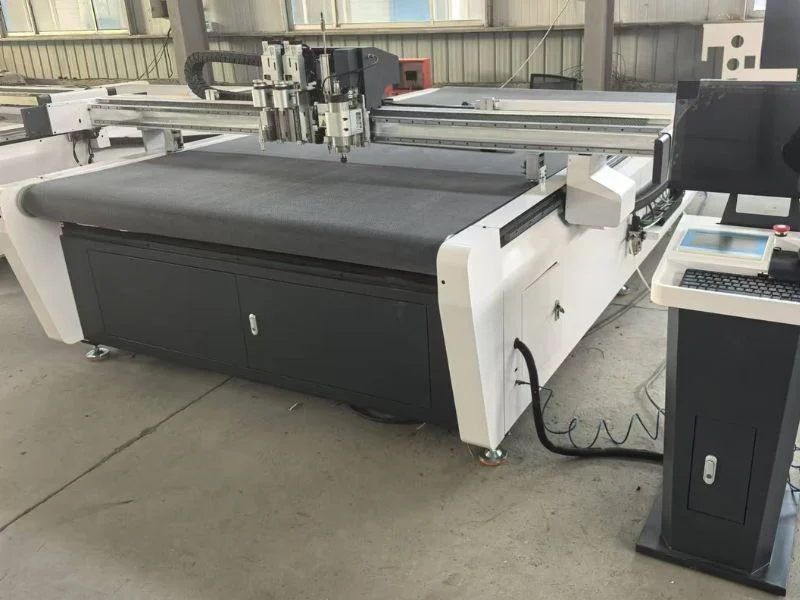
Neoprene Comes in Two Forms — Both Are Cut Cold
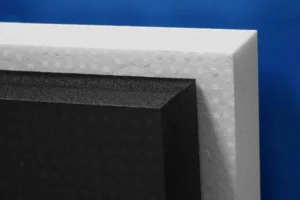
Neoprene comes in two forms that cut differently: solid CR rubber sheet and closed-cell neoprene sponge. Both are traditionally punched with a steel-rule die — fast on one settled part, but every size means a new die, and the die crushes the sponge cells rather than shearing them. Cut either with a laser and it is worse: the beam melts the closed cells shut into a hard fused skin, scorches solid CR, and releases chlorine fume from the chloroprene.
A digital knife table cuts both cold. The C-series is a vibrating-knife cutter with a zoned vacuum bed: it shears solid neoprene and sponge full-depth to a clean square edge, keeps the closed cells sealed so a foam gasket still seals, and nests high-mix parts with no die. This page is neoprene as a material in its own forms; the sealing application is on the gasket cutting machine, and general elastomer sheet is on the rubber cutting machine. It is the machine class the rubber-products trade uses for high-mix elastomer work.
Machine specifications compared. Closed-cell neoprene is bought for the cells, so the cut has to stay cold — a knife leaves them open at the edge where a laser would melt them shut. On sponge above roughly 20 mm the pneumatic oscillating tool (POT) does the work, and it is standard only on the C3232.
| Specification | C6090 | C2516T | C3232 |
|---|---|---|---|
| Cutting area | 600 × 900 / 600 × 1200 / 900 × 1200 mm | 2500 × 1600 mm | 3200 × 3200 mm |
| Solid CR & closed-cell sponge | ≤ 20 mm | ≤ 30 mm | ≤ 30 mm |
| Pneumatic oscillating tool (POT) | Optional | Optional | Standard |
| Cutting speed | 300–1800 mm/s | 300–1800 mm/s | 300–1800 mm/s |
| Hold-down | Aluminium honeycomb, vacuum | Vacuum adsorption | Vacuum adsorption |
| Continuous belt feeding | Yes | Yes | Yes |
| Total connected load | 9.5 kW | 9.5 kW | 9.5 kW |
| Typical neoprene job | Sample gaskets, small pads | Mixed sheet and roll stock | Thick sponge, full-width rolls |
Neoprene Forms We Cut
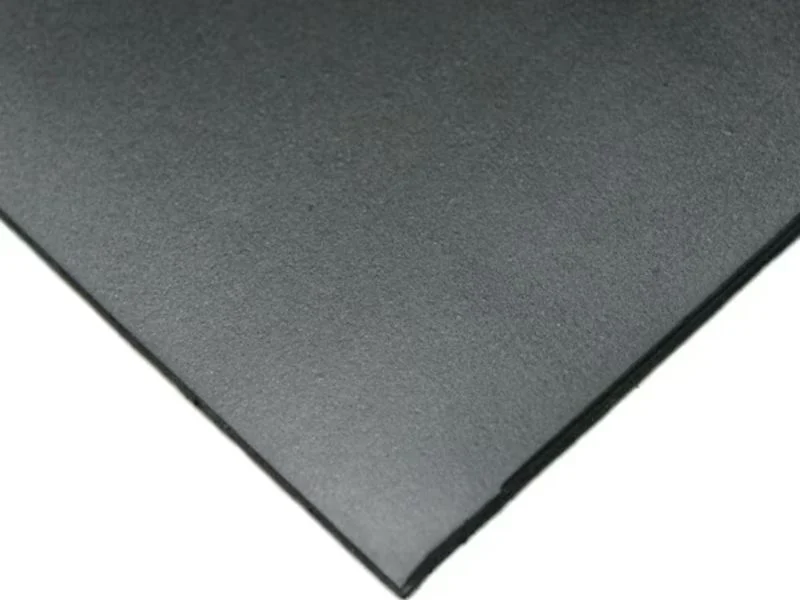
Solid Neoprene Rubber Sheet
- Formats: CR rubber sheet, 40–70 Shore A, plain, fabric-inserted or adhesive-backed, 0.5–12 mm
- Watch out: fabric-inserted sheet blunts a blade fast, and a laser scorches CR and releases chlorine fume
- How we cut it: an oscillating knife shears it to a clean square edge in one pass, gasket-ready with no scorch
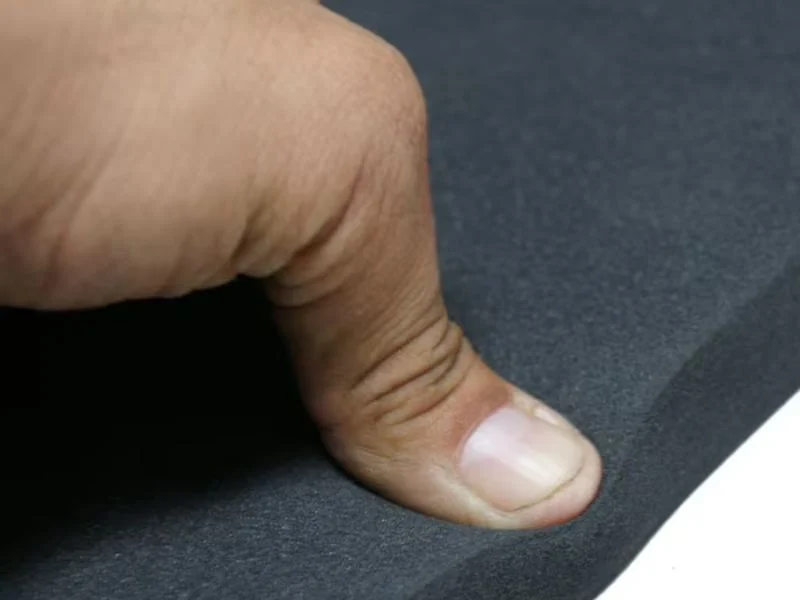
Closed-Cell Neoprene Sponge
- Formats: closed-cell CR/EPDM sponge and blended foam, 3–50 mm, soft to firm
- Watch out: the closed cells are the seal — a die crushes them and a laser melts them into a hard fused skin
- How we cut it: a cold shear keeps every cell intact right to the edge, so a sponge gasket still shuts out water and air
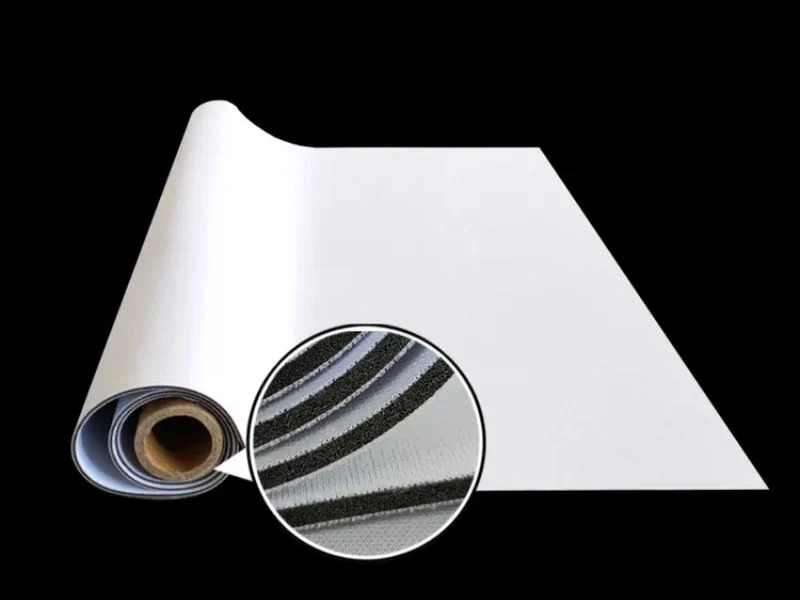
Coated & Laminated Neoprene
- Formats: nylon/spandex-faced neoprene, double-lined laminate and SBR blends for sports and support
- Watch out: the facing frays and delaminates if the blade drags instead of shearing
- How we cut it: the knife shears facing and core together in one pass, so the laminate stays bonded at the cut
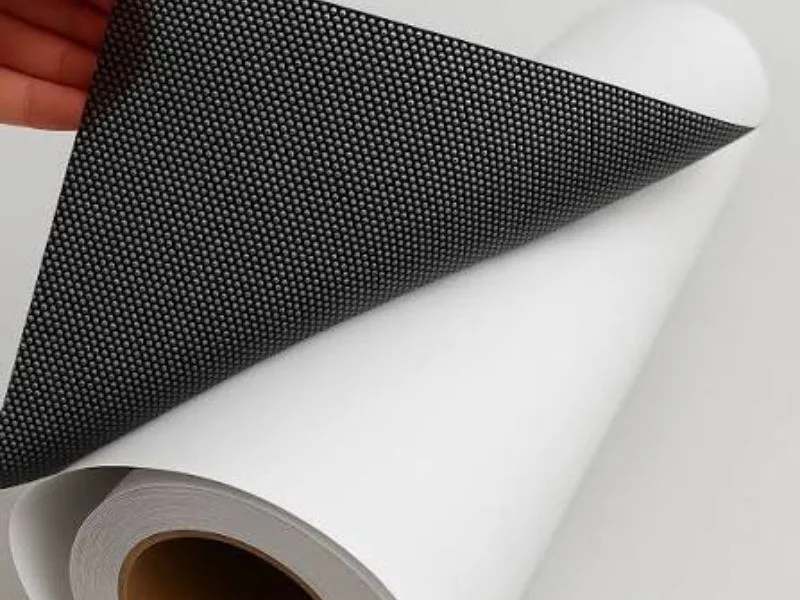
Perforated & Adhesive-Backed
- Formats: perforated sponge, PSA-backed neoprene strip and die-cut blank stock
- Watch out: adhesive gums a dragged blade, and perforation has to register to the part
- How we cut it: camera registers the pattern and the oscillating knife shears clean, kiss-cut or through-cut in one nest
Cut behaviour verified on MNT C-series oscillating-knife tables at Hangzhou Chaohan; Shore hardness and cell-structure notes from CR-sheet supplier data.
Who Cuts Neoprene This Way
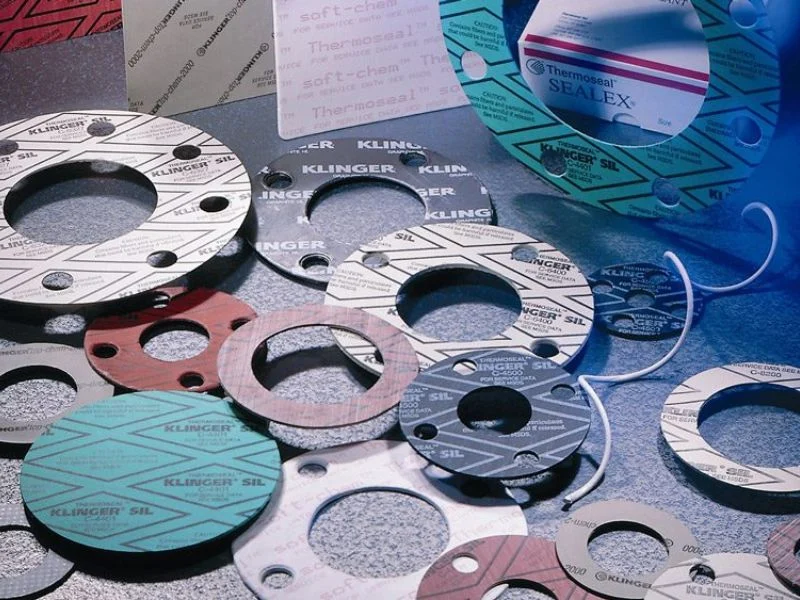
Gasket & Sealing Fabricators
- Parts: sponge and solid neoprene gaskets, seals, weatherstrip and washers
- The hard part: high-mix low-volume gaskets where a die per part is uneconomic
- What you get: cut from the CAD with sealed cells and a clean edge — a new gasket is a file, never a die

Sports & Protective Gear
- Parts: wetsuit panels, braces, supports, laptop and equipment sleeves
- The hard part: laminated neoprene that frays, and panels that must match at the seam
- What you get: facing and core sheared together, panels nested and labelled, edges clean enough to bind or blind-stitch
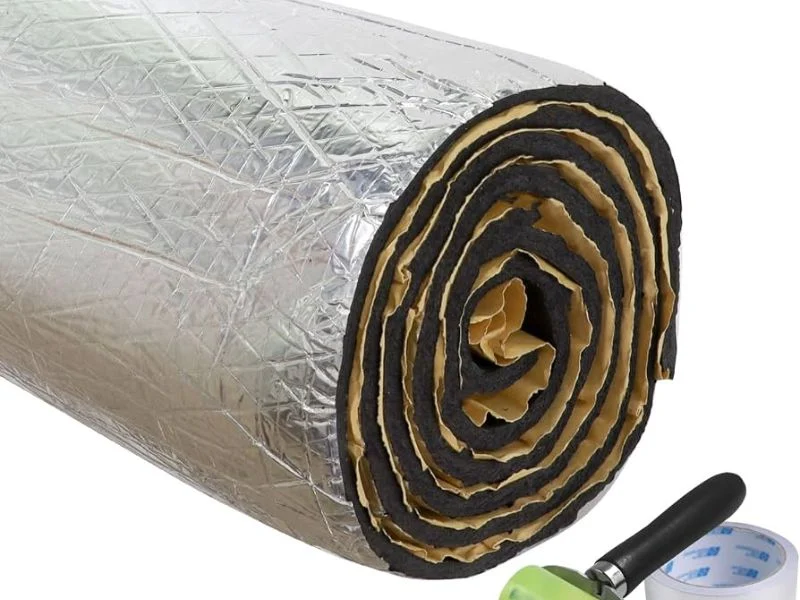
Vibration & Thermal Insulation
- Parts: anti-vibration pads, mounting gaskets and thermal barrier strip
- The hard part: thick firm sponge that a die crushes out of dimension
- What you get: full-depth cold shear holds the pad to size, so the isolation performance is what the spec calls for
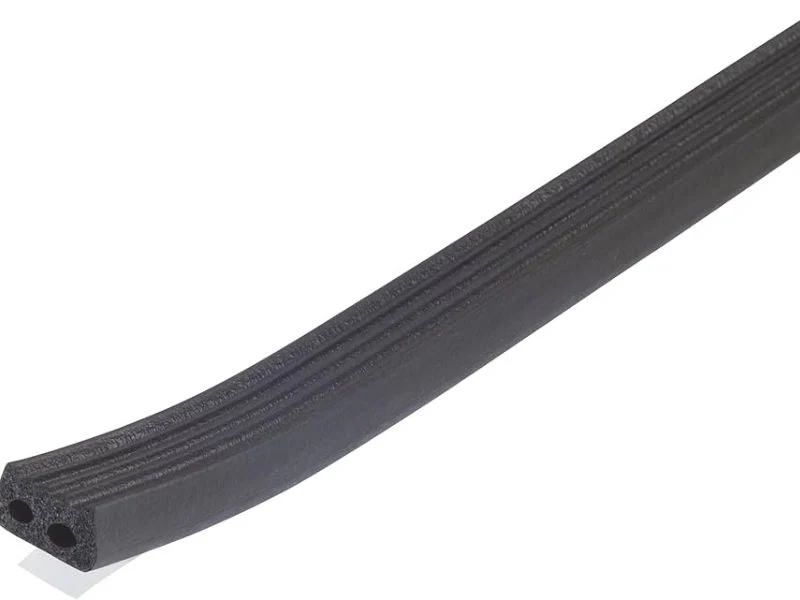
Marine & Automotive Seals
- Parts: hatch and door seals, splash guards, coated-fabric trim and grommets
- The hard part: coated neoprene a laser would fuse, plus closed-cell parts that must stay watertight
- What you get: a cold knife keeps the coating and the closed cells intact — the seal still seals after the cut
Application mix from MNT installs in gasket, sports-goods and sealing shops; closed-cell sealing behaviour cross-checked against sponge-gasket practice.
Recommended MNT Neoprene Cutting Machines
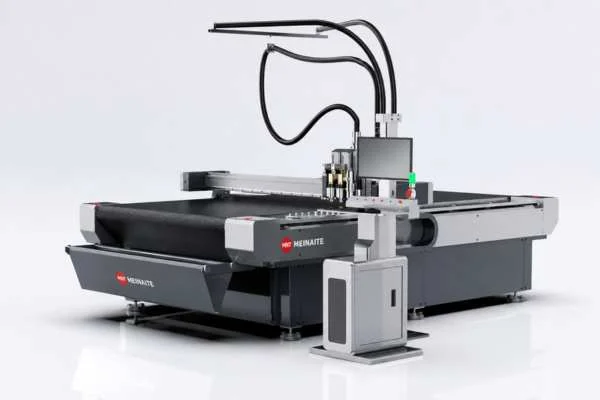
C2516T Digital Cutting Machine
- Cuts: solid CR sheet, closed-cell sponge, coated laminate and adhesive-backed stock
- Specs: 2500 × 1600 mm · EOT oscillating + drag + camera registration · zone vacuum · conveyor feed
- Best for: production gasket and sponge cutting from roll and sheet
- Price: From $16,900
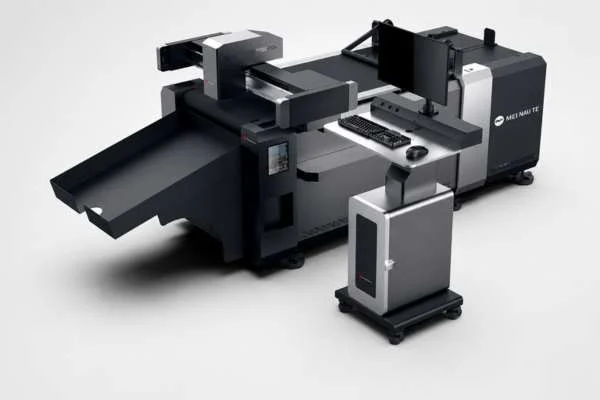
C6090 Digital Cutting Machine
- Cuts: sample gaskets, pattern parts and short-run seals
- Specs: 600 × 900 / 600 × 1200 mm · EOT + creasing · vacuum table
- Best for: sample rooms, prototyping and low-volume custom parts
- Price: From $12,000
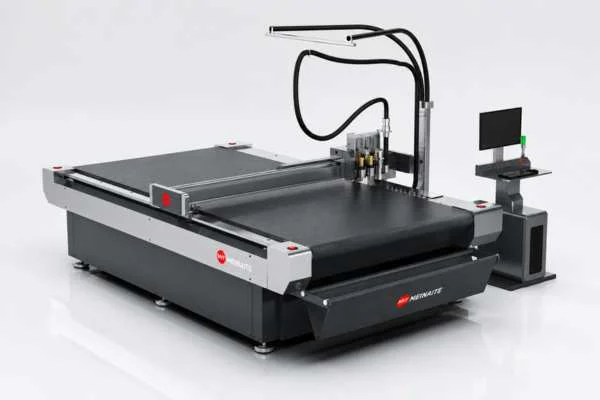
C3232 Digital Cutting Machine
- Cuts: wide sponge sheet, large pads and thick anti-vibration stock
- Specs: 3200 × 3200 mm · POT pneumatic knife + EOT oscillating · zone vacuum
- Best for: large pads and sponge sheet too wide for a 1600 mm table
- Price: From $11,555
Specifications from MNT C-series build sheets; all three share one platform, software and tool range — Hangzhou Chaohan.
Where a Cold Knife Beats a Die and a Laser on Neoprene — and Why the Cells Matter
| Digital knife (this page) | Steel-rule die | Laser | |
|---|---|---|---|
| Closed-cell sponge | Cells stay sealed | Crushed at the edge | Melted into a fused skin |
| Solid CR edge | Clean square shear | Crushed die edge | Scorched, chlorine fume |
| Design change | A new file | A new die — cost + lead time | A new file |
| Thick pads | Full-depth, holds size | Crushes out of dimension | Melts, hardens the edge |
| Best at | High-mix gaskets & parts | One part at high volume | Thin flat, non-CR only |
Where neoprene sits next to the rubber and gasket pages. General elastomer sheet by the roll — SBR, EPDM, nitrile — is the rubber cutting machine; the sealing job itself, whatever the material, is the gasket cutting machine. This page is neoprene specifically — chloroprene in its solid and closed-cell forms — where the closed cell and the chlorine chemistry are exactly what make it a cold-knife job.
Three things that catch first-time buyers
- A laser fuses closed-cell sponge shut. The single most common mistake is laser-cutting neoprene sponge: the beam melts the cut cells into a hard skin, so the sealing surface it was cut to make no longer compresses or seals. Closed-cell sponge is cut cold for a reason.
- Fabric-inserted sheet eats blades. Solid CR with a fabric ply is abrasive; budget blade replacement into running cost. There is no gas, no optic and no die tooling, so total running cost still lands well below a laser or a die program on high-mix work.
- Chloroprene fume is not just a smell. Cutting neoprene with heat releases chlorine-bearing fume that needs real extraction — a cold knife produces none, which on a busy shop floor is a ventilation and compliance saving, not just a comfort one, per rubber-products handling guidance.
Why Neoprene Fabricators Choose the C-Series
On neoprene the machine earns its keep by keeping the closed cells sealed and the edge square — the things a die and a laser both spoil. About MNT (MEINAITE) — who builds it and where. Carrying the line? Territory and spare-parts terms are on our partnership page.
Cut That Keeps the Cells Sealed
- Oscillating knife shears solid and sponge neoprene full-depth, cold
- Closed cells stay intact at the edge, so a sponge gasket still seals
- No chlorine fume, no melted skin, no crushed die edge
- For distributors: gasket and sealing fabricators run constant high-mix low-volume work, so a die-free digital table is an easy ROI, and blade and underlay pull-through is steady once it is in the shop
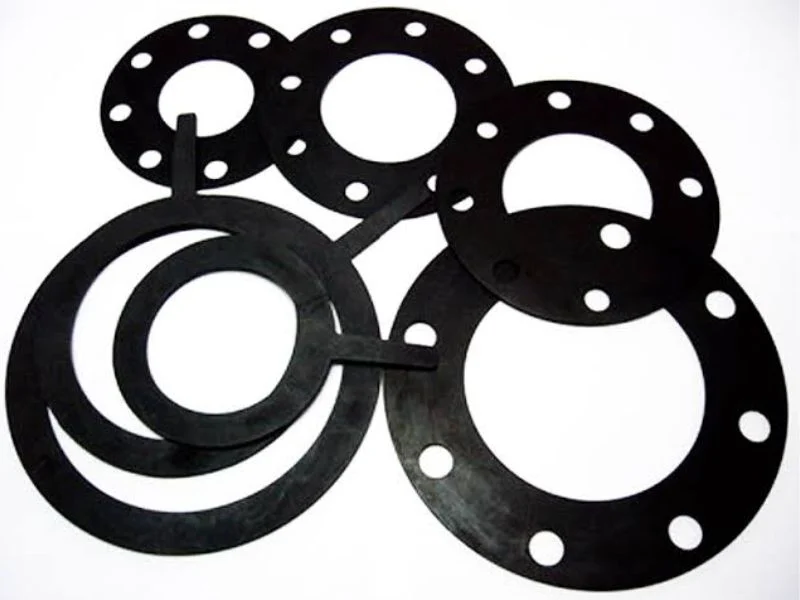
High-Mix Gaskets Without the Die Bill
- A new gasket or pad size is a file, never a steel-rule die
- Camera registers perforation and adhesive-backed patterns
- One table cuts solid sheet, sponge, laminate and PSA stock
- For distributors: spare-parts commitment, territory and training are the three things that decide whether a machine is worth carrying — all three are set out on our partnership page
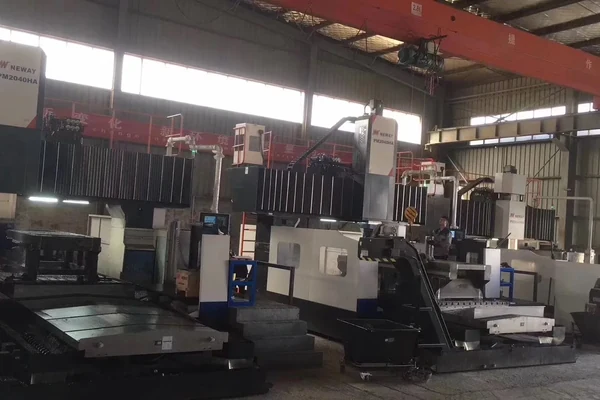
The Factory That Builds Your Neoprene Cutter
- Frames, gantries and vacuum tables built in-house by Hangzhou Chaohan
- Every machine run-tested and calibrated before it ships
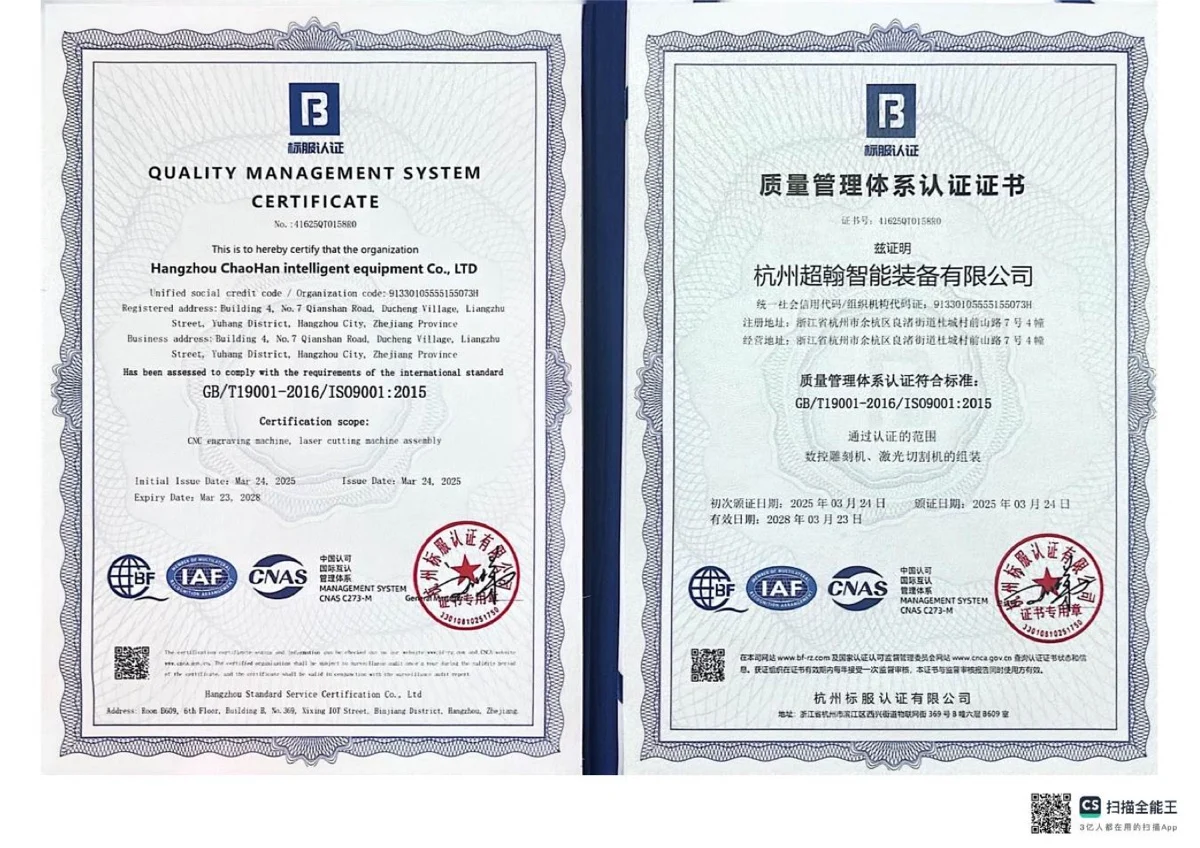
CE + ISO — Send Your Neoprene for a Free Cut
- CE-marked and ISO 9001:2015 certified, built by Hangzhou Chaohan
- Send solid sheet or sponge and a drawing — we cut it free and return the parts and edge photos
- 12-month warranty, lifetime software updates, on-site commissioning and training
CE-marked (EU 2006/42/EC), ISO 9001:2015; 8 patents incl. 1 invention patent; built by Hangzhou Chaohan, not traded.
Frequently Asked Questions
Why not laser-cut neoprene sponge?
Because a laser melts the closed cells shut. The beam fuses the cut cells into a hard skin, so the surface it was cut to make no longer compresses or seals — which defeats the point of a sponge gasket. It also scorches solid CR and releases chlorine-bearing fume from the chloroprene. Neoprene is cut cold with a knife so the cells and the chemistry survive.
Does the knife keep closed-cell sponge sealed at the edge?
Yes — that is the main reason to cut neoprene cold. The oscillating blade shears the sponge full-depth without heat or crushing, so every closed cell stays intact right to the cut line. A die crushes the edge cells and a laser melts them; a cold shear leaves the sealing surface the sponge was made to provide.
Can one machine cut both solid CR sheet and sponge?
Yes. The same head shears solid neoprene rubber sheet and closed-cell sponge — and coated laminate and adhesive-backed stock — with the blade and settings changing per material automatically. That is the advantage over a die line, where each part and thickness needs its own tool.
How thick a pad can it cut?
Roughly 0.5 mm thin CR sheet up to about 50 mm of firm sponge, in a single full-depth pass depending on density and blade. Thick anti-vibration pads are exactly where a cold full-depth shear beats a die, because the pad holds its dimension instead of being crushed at the edge.
Does it handle fabric-inserted and coated neoprene?
Yes. Fabric-inserted CR and nylon- or spandex-faced neoprene are sheared with the facing and core cut together in one pass, so the laminate does not delaminate at the edge. Fabric plies are abrasive and shorten blade life, which we factor into the consumable budget up front.
How much does a neoprene cutting machine cost?
A production digital knife cutter with vacuum bed and conveyor runs roughly USD 12,000 to 40,000, depending on table size, tool head and whether camera registration is fitted. A small sample table sits near the bottom; a wide production table near the top. Send your material list, part sizes and monthly volume for a factory-direct quote.
Which C-series model fits neoprene work?
All C-series machines share one platform, software and tool range — the difference is working size. The C6090 suits sample rooms and short runs; the C2516T suits production gasket and sponge cutting; the C3232 exists for wide sponge sheet and large pads. See the full digital cutting machine range.
Neoprene Cutting — Technical Guides
Cold knife, die or laser, solid or sponge — the guides behind every recommendation on this page.
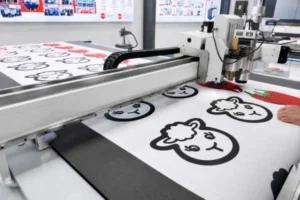
Oscillating Knife vs Laser Cutting for Leather: Which Should You Choose?
Why a cold knife beats a laser on any heat-sensitive material: no melted cells, no scorched edge, no fume — exactly why neoprene sponge is never laser cut.
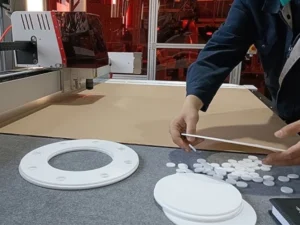
CNC Router vs Waterjet for Thick PTFE Plate
The same process-selection logic — matching the cutting process to what the material’s structure and chemistry can tolerate.