Packaging sampling used to mean waiting days for a steel die, then hoping the design was right the first time. Die-less cardboard cutting changed that — a design becomes a real, foldable box the same day, cut and creased straight from a file. This guide covers how digital cutting handles packaging sampling and prototyping: the speed to first sample, the short-run and custom work, POP displays, and the cut-and-crease workflow that makes every blank fold-ready.
Why Die-Less Cutting Fits Packaging Sampling
Die-less digital cutting suits packaging sampling because it turns a design into a finished, creased box the same day — with no steel die to make or wait for. That speed is the whole reason digital cutters have taken over the sampling room.
Sampling is about iteration. A designer wants to hold the box, check the fit of the product inside, and revise. When each version takes an hour instead of a week, the design gets better because the team can try several options before committing to production tooling.
Because there is no die, there is also no cost penalty for change. A revised layout is a file edit that cuts immediately, so sampling stays fast and cheap no matter how many rounds a design goes through. That removes the pressure to settle for the first affordable die.
The stakes in sampling are timing. A packaging supplier competing for a customer’s business often wins or loses on how fast it turns a brief into a physical box. Die-less cutting turns that from a days-long tooling exercise into a same-afternoon deliverable, which is a competitive edge in its own right.
Sample Making and Prototyping
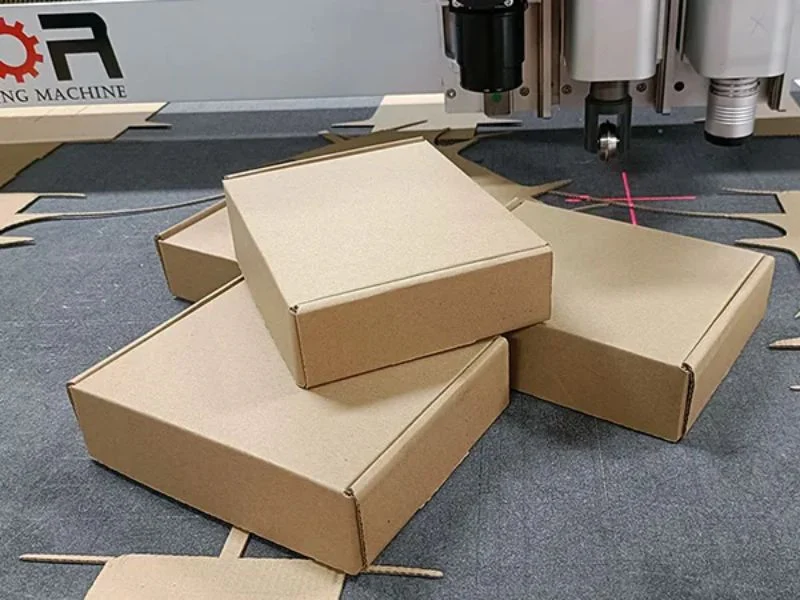
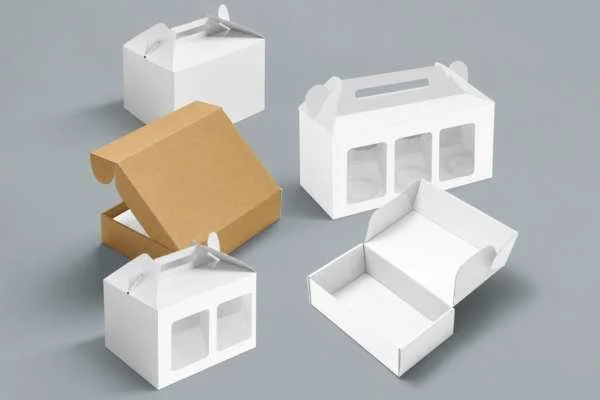
For sample making, a digital cutter produces a real, foldable prototype within the hour of finishing the design. The customer holds the actual box rather than a drawing, which changes how fast packaging gets approved.
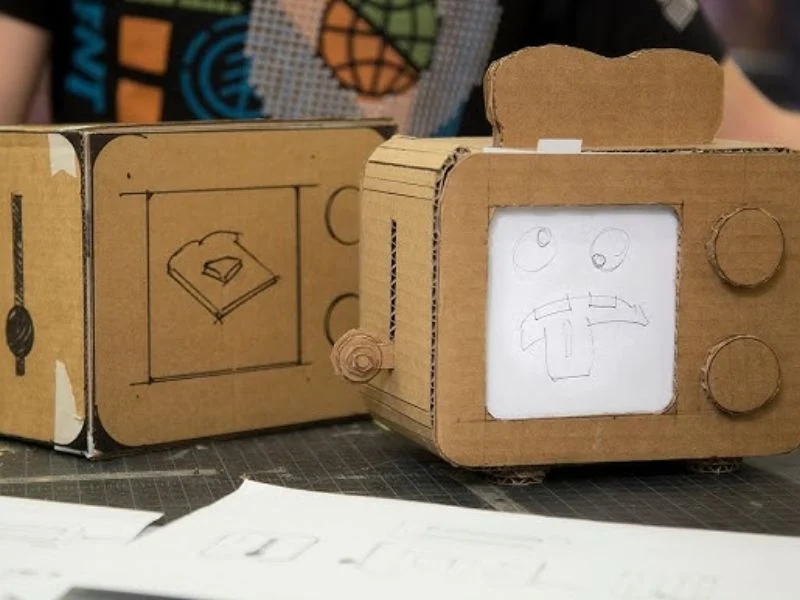
A prototype cut on a digital machine is not a mock-up — it is the real board, cut and creased exactly as production would be, so it folds, holds the product and shows the true structure. That makes approval a decision about a physical box, not a leap of faith from a flat drawing.
Structural packaging especially benefits. Complex boxes with locking tabs, inserts and windows can be cut and folded to verify they actually work before any tooling is committed, catching structural problems while they are still cheap file edits rather than expensive die remakes.
It also builds trust with the customer. Handing over a box that folds and holds the product exactly as described removes doubt in a way a rendering cannot, so approvals come faster and with fewer rounds of back-and-forth over what the drawing really meant.
Prototyping early saves money downstream too. Catching a fold or fit problem on a same-day sample costs a file edit; catching the same problem after a die is cut costs a die remake and lost time, so the sampling stage is where digital cutting quietly prevents the most expensive mistakes.
For structural packaging especially, holding the folded sample reveals things no screen can — how the box feels, whether tabs seat firmly, how it stacks. Those tactile checks are exactly what turn a good drawing into a box that works on a real production line.
Custom Boxes and Short Runs
Beyond samples, the same machine runs custom boxes and short production runs economically, because there is no die cost to absorb per design. Sampling and short-run production happen on one platform.
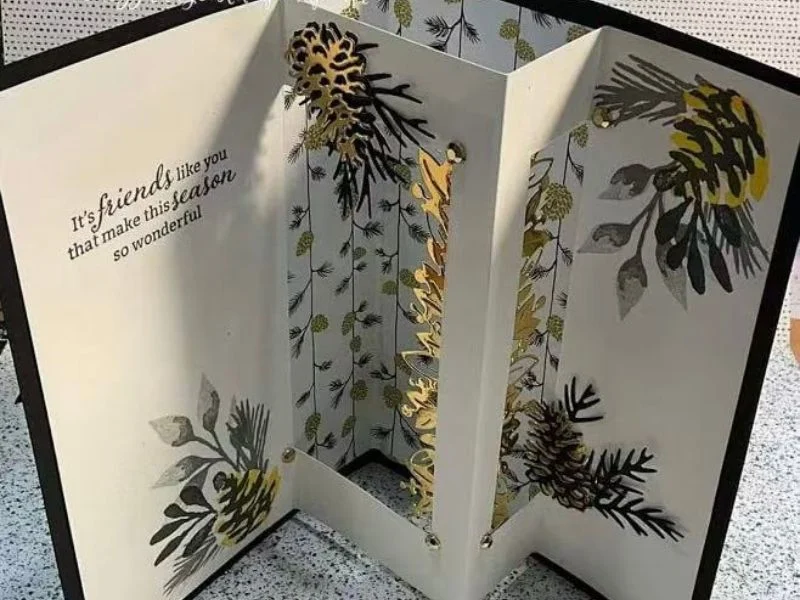
Personalized packaging, regional variants, limited editions and e-commerce boxes are all short-run, high-mix work — exactly what a die-less cutter does well. Each new design is a file, not a tool, so a run of a few hundred boxes is economical where a die would never pay back.
This lets a packaging supplier say yes to work that die-cutting would turn away. On-demand and small-batch branded packaging has grown directly because a digital cutter makes short runs viable, opening a market that fixed tooling priced out.
Lead time is part of the offer here too. Because there is no die to make, a custom box order can move from confirmed design to delivered boxes in days rather than weeks, letting a supplier promise turnaround that die-cutting simply cannot match on short quantities.
Sustainability trends push in the same direction. As brands move to right-sized boxes and recyclable mono-materials, packaging is redesigned more often, and a die-less cutter lets a converter respond to each change without scrapping tooling — turning a sustainability requirement into a quick file update rather than a new die.
POP Displays and Foam Board
Digital cutting also handles POP displays and foam board — V-cut and knife tools shape rigid display board that die-cutting handles poorly. For how converters, prototyping studios and display makers set up the whole line, see packaging industry cutting machines. One machine covers cartons and displays alike.
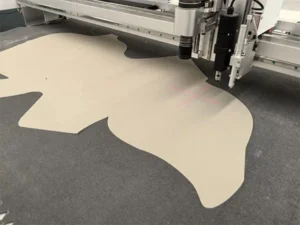
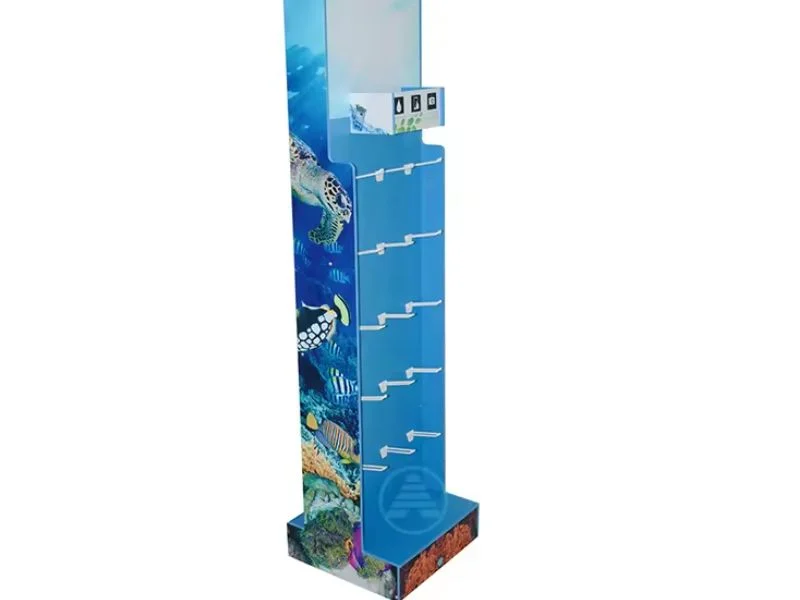
Retail displays, standees and mounted graphics are cut from honeycomb, foam and KT board, often in short, seasonal runs. A V-cut tool bevels thick board so it folds into clean-cornered structures, while the knife cuts intricate display shapes that would each need a separate die otherwise.
Because displays change with every promotion, they are almost always short-run work — again the digital cutter’s territory. A brand can prototype a display, adjust it, and cut the short production run all on the same machine, without tooling in the loop.
Display work rewards the freedom to iterate. A retail team often adjusts a display after seeing the first physical unit, and a digital cutter absorbs those changes as file edits, so the display improves through real prototypes instead of being locked by an expensive die on the first attempt.
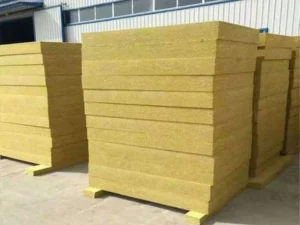
Foam and honeycomb board also cut cleanly on a knife without the crushing a stamping die can cause on thick, soft-cored material. Where a die would risk deforming the very structure it is meant to shape, a digital knife slices it precisely — one more reason display makers favor digital cutting for these boards rather than sending them out to be die-cut.
Cut-and-Crease Workflow
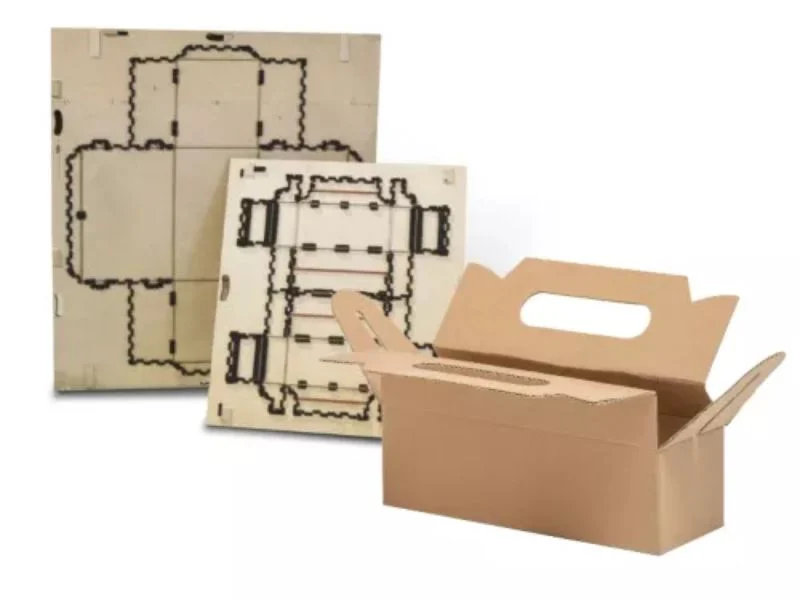
A packaging blank needs both cut lines and crease lines, and a digital cutter produces both from one file in a single pass. That is what makes the output fold-ready rather than a flat cut shape.
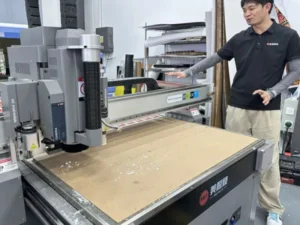
A servo head carries an oscillating knife and a creasing wheel over a vacuum flatbed. The CNC system runs cut lines and score lines from the same file, so the machine creases the folds and cuts the outline in one setup — the blank comes off ready to fold into a box.
Crease depth is set in software for each board, so corrugated, folding boxboard and heavy chipboard each fold cleanly without cracking. Switching board types is a settings change, not a tooling change, which keeps a varied sampling queue moving.
This one-pass workflow also keeps sampling honest. Because the sample is cut and creased in exactly the process production would use, what the customer approves is what production makes — there is no gap between a hand-creased prototype and a die-cut final that surprises everyone later.
That consistency between sample and production is what lets a supplier scale a design with confidence. The approved box and the shipped box come off the same process, cut and creased the same way, so a proven sample carries no surprises into a real production run — the sample is the specification, not an approximation of it.
Board Utilization and Nesting
Nesting software arranges box blanks to use more of each sheet, cutting board waste on every sampling and production run. On a busy sampling operation, that saving adds up quickly.
Board is a real cost, and a sampling room cutting many one-off layouts can waste a lot of it laying parts out by hand. Nesting fits blanks together tightly and automatically, so more samples come from each sheet with less offcut.
On short production runs the effect compounds. Combining tight nesting with the absence of a die cost means a run of custom boxes uses less material and carries no tooling charge — the two savings that make short-run packaging economical in the first place.
For a sampling operation running dozens of layouts a day, small per-sheet savings scale into real numbers over a month. Automatic nesting also removes the manual layout step, so operators spend time cutting approved work rather than arranging parts on a screen.
Waste reduction has become a selling point in its own right. Customers increasingly ask suppliers to minimize material use, and a nesting-driven digital workflow gives a converter a concrete, measurable answer — less board per box — that hand layout cannot match.
Print-and-Cut Registration
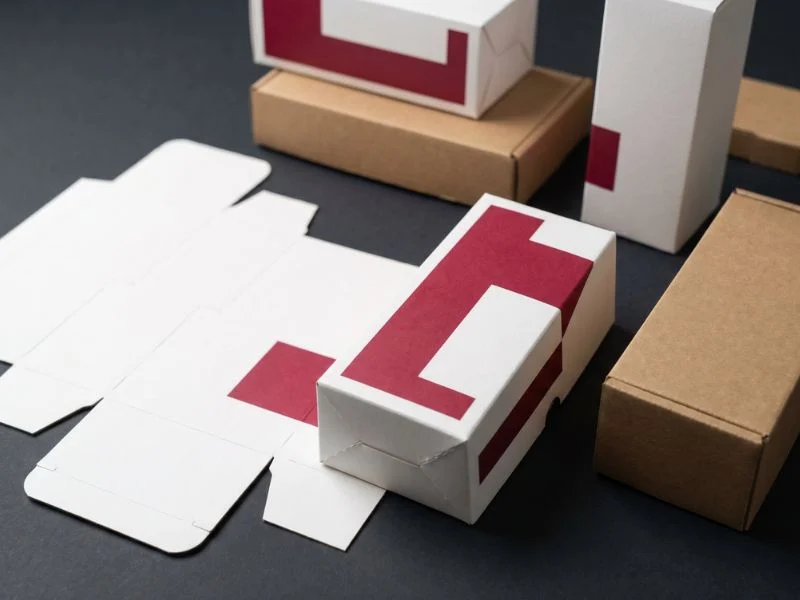
A CCD camera lets the cutter follow printed cartons exactly, so pre-printed packaging is cut to register with the artwork. For printed boxes, that alignment is essential.
Most retail packaging is printed before it is cut, and the cut has to line up with the print — a misaligned cut ruins an expensive pre-printed sheet. A CCD vision camera reads registration marks and adjusts the cut path to match, so logos, panels and folds land exactly where the artwork intends.
This makes print-and-cut sampling reliable rather than a gamble. A supplier can take a printed sheet, register it, and cut a finished sample with the graphics correctly placed, which is how digital cutting supports branded packaging from proof to short run.
It also shortens the proofing loop for printed work. A printed proof can be registered and cut into a finished sample immediately, so a brand sees the real, cut-and-folded printed box early — catching any print-to-cut issue before committing to a full print run.
Packaging Applications at a Glance
The table summarizes where die-less cardboard cutting fits across packaging work.
| Application | Typical work | Why die-less fits |
|---|---|---|
| Sampling & prototyping | Foldable box samples, structural proofs | Same-day, no die, iterate freely |
| Custom & short runs | Personalized, seasonal, e-commerce boxes | No tooling cost per design |
| POP displays | Standees, foam/honeycomb displays | V-cut + knife, short seasonal runs |
| Print-and-cut cartons | Pre-printed retail packaging | CCD registration to artwork |
Bottom Line
For packaging sampling, prototyping and short-run work, die-less digital cutting is the production standard. It turns designs into fold-ready boxes the same day, runs custom and short jobs without tooling cost, and covers cartons and displays on one machine.
The through-line is speed with low risk. Every stage — proof, sample, custom run, display — moves at file speed and changes at file cost, so a supplier can develop and deliver faster while committing tooling only where volume truly justifies it.
From a first structural proof to a short branded run, a digital cutter keeps packaging fast and flexible, with the die reserved only for locked, high-volume production. See the full specification and material range on our cardboard cutting machine.
FAQ
How fast can I get a cardboard box sample?
Usually the same day. Once the design file is ready, a die-less digital cutter cuts and creases a real, foldable sample within the hour — no die-making lead time.
Are digital-cut samples the same as production boxes?
Structurally, yes. The sample is cut and creased on the real board exactly as production would be, so it folds and holds the product like the final box — not a flat mock-up.
Can it make custom boxes in small quantities?
Yes. Because there is no die cost per design, short runs of custom, seasonal or e-commerce boxes are economical — each design is a file, not a tool.
Does it cut POP displays and foam board?
Yes. V-cut and knife tools shape foam, honeycomb and KT board into displays and standees, which suits the short, seasonal runs displays usually involve.
Can it cut printed cartons to register with the print?
Yes. A CCD camera reads registration marks and follows the printed position, so pre-printed packaging is cut exactly to the artwork.
Does one machine handle both sampling and short-run production?
Yes. The same die-less cutter serves sampling, prototyping and short-run production, so a supplier can prove a design and run it on one platform without switching to tooling.