Composite shops chasing faster cutting usually solve the wrong problem. The time a layup technician spends hunting for the right ply, in the right orientation, in the right stacking order, almost always costs more than the machine ever saves by cutting a few seconds faster per ply.
A carbon fiber or fiberglass part might use a dozen to a hundred-plus individual plies, each with a specific orientation, and each needing to reach the layup table in the order it goes down. Cutting the plies is only the first half of the job — kitting, the process of numbering, labeling and staging those plies into a complete, layup-ready set, is where most of the real time either gets saved or wasted.
This guide walks through what kitting actually involves, why it matters more than raw cut speed, and the workflow and labeling practices that keep a ply kit usable once it leaves the cutting table.
What Is Composite Kitting?
Kitting is the process of cutting every ply for a part, numbering and labeling each one with its position and orientation, and staging the complete set in layup order — so the technician at the layup table receives a ready-to-use kit instead of a pile of correctly-shaped but unsorted material. A cut ply on its own only solves the shape problem; kitting solves the sequencing and identification problem that layup actually depends on.
For a part with a complex laminate schedule — different fiber orientations at each layer, local reinforcement patches, core inserts — the kit itself is effectively the build instructions. A well-built kit tells the layup technician exactly what goes down next without them needing to reference the drawing for every single ply.
Why Kitting Workflow Matters More Than Cut Speed
Layup labor costs far more per hour than machine time on most composite parts, so time saved in kitting — fewer minutes spent identifying, sorting or searching for the right ply — has a bigger effect on total part cost than shaving seconds off the cutting cycle itself. This is the opposite of where most shops focus their process improvement effort.
A shop that speeds up its cutting machine by 10% but leaves plies unsorted and unlabeled saves a small amount of machine time and loses far more in layup technician time spent finding and orienting the correct ply. A shop that slows cutting slightly to build a properly numbered, pre-sequenced kit usually comes out ahead on total part cost, because layup labor — not cutting time — is the larger cost driver on most composite parts with more than a handful of plies.
From Nest to Numbered Kit: The Workflow Steps
A kitting workflow runs nesting, cutting, labeling and staging as one connected sequence, not four separate steps handled by whoever happens to be free — breaking the chain at any point is where kits go wrong. Nesting software lays out every ply for the part on the available material, assigning each one a position and, ideally, its ply number and orientation as part of the nest file itself rather than as a separate manual step afterward.
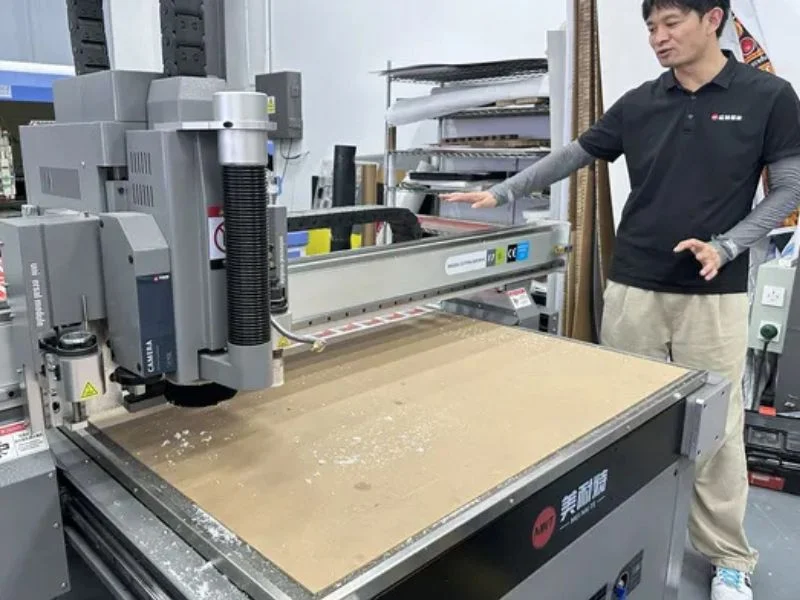
Cutting follows the nest exactly, and the labeling step should happen at or immediately after the cutter — ideally with the label or number applied automatically or marked directly by the same machine, rather than by a separate operator working from a printed list after the fact. The further labeling gets separated from cutting, in time or in physical handling, the more opportunity there is for a ply to lose its identification or get mixed into the wrong kit.
Ply Numbering and Labeling Systems That Survive the Shop Floor
A labeling system only works if it survives handling, storage and the layup process itself — ink that smudges, tags that fall off, or a numbering scheme that isn’t visible once plies are stacked all fail at the exact moment they’re needed most.
Common approaches include cutting the ply number directly into a scrap tab left on the ply edge (trimmed off during layup), printing labels that get placed on backing paper or release film rather than the ply itself, and color-coding by orientation or layer group for a fast visual check. Whatever system a shop uses, the test is simple: can a technician who didn’t cut the kit still identify every ply correctly, in order, without cross-referencing the drawing for each one? If not, the labeling system is adding a step rather than removing one.
Kit Staging: Sequencing Plies for Layup Order
Stage plies in the exact order they’ll be placed during layup, not in the order they came off the cutting table — a kit that’s correctly cut but staged in cutting order still forces the technician to sort through the stack to find the next ply.
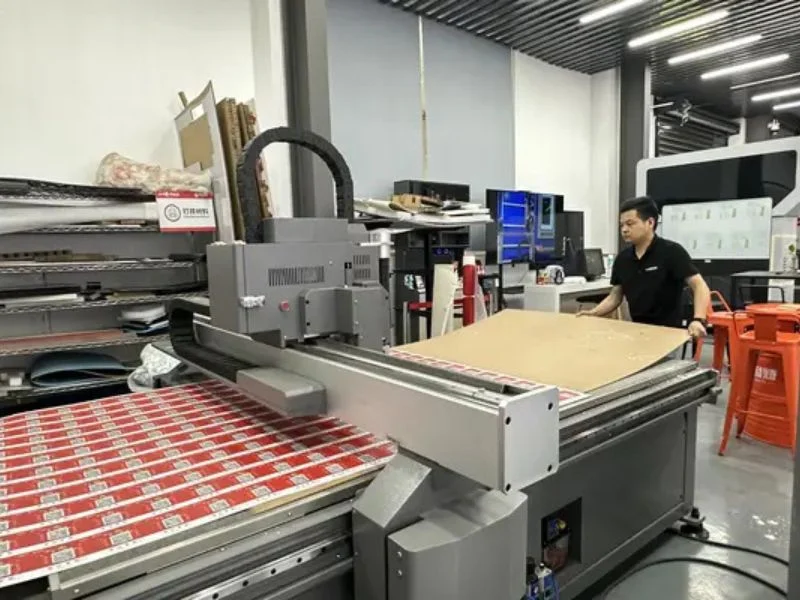
This matters more on parts with plies of similar size and shape but different orientation, where a quick visual check can’t easily tell one from another. Staging by layup sequence, with the first ply to be placed on top of the stack, turns the kit into a working sequence rather than a pile the technician has to re-sort before starting.
Common Kitting Mistakes That Cost Layup Time
The most common kitting mistakes are separating labeling from cutting, staging by cut order instead of layup order, and using a labeling method that doesn’t survive handling — all three show up as layup delays, not cutting problems, which is why they’re easy to miss when a shop is only measuring machine throughput.
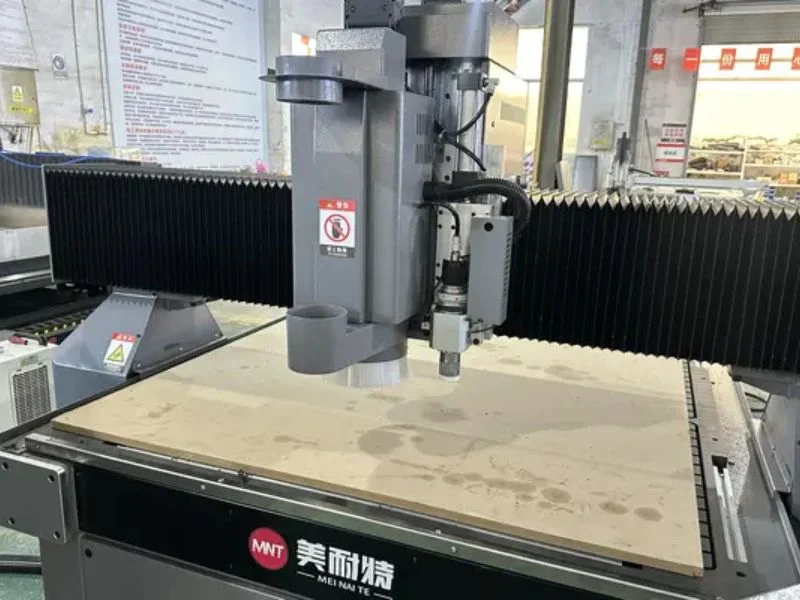
A less obvious mistake is treating kitting as a manual step bolted onto an automated cutting process. Nesting software that outputs ply position, number and orientation as part of the same file the cutter reads eliminates a manual transcription step where numbers get mismatched or orientation gets flipped — a small software integration gap that causes an outsized amount of rework on the layup floor.
Kitting Multiple Parts From One Nest
Most nests combine plies from several different parts on one sheet or roll to maximize material yield, which means the kitting step also has to sort output back into the correct part-specific kits — a nest optimized purely for yield without kit-aware sorting creates more mixing risk, not less. This is a common tension: the nest that wastes the least material often interleaves plies from multiple work orders in a way that makes manual sorting slower.
The better approach is nesting software that tracks part and work-order assignment through the nest, so the output — even when plies from three different parts share one sheet — comes off the table already tagged with which kit each ply belongs to. Shops running high mix, low volume composite work benefit from this more than shops running one part repeatedly, since the mixed-nest scenario happens on nearly every job rather than occasionally.
See our nesting software and panel yield guide for how nest quality affects both material yield and kit accuracy, and our carbon fiber cutting machine page for cutting setups by material type.
Frequently Asked Questions
What’s the difference between ply cutting and kitting?
Ply cutting produces correctly shaped plies; kitting adds numbering, labeling and layup-order staging so the plies arrive at the layup table as a ready-to-use, identifiable set rather than an unsorted pile of shapes.
Does kitting slow down cutting throughput?
It can add a small amount of time per ply for labeling and staging, but this is usually recovered many times over in reduced layup technician search and sorting time, which is the larger cost on most multi-ply composite parts.
What’s the best way to label composite plies?
Methods that survive handling and layup work best — a ply number cut into a trim tab, a label on backing film rather than the ply surface, or color-coding by orientation. The test is whether someone who didn’t cut the kit can still identify every ply correctly.
Should nesting software handle ply numbering automatically?
Ideally yes — nesting software that assigns and outputs ply number and orientation as part of the same file the cutter reads removes a manual transcription step that’s a common source of mismatched or flipped-orientation errors.
How should plies be staged for layup?
In the exact order they’ll be placed during layup, with the first ply on top of the stack — not in the order they were cut, which forces the technician to sort through the kit before starting.
Does kitting matter for small, low-ply-count parts?
Less so — the labor savings from kitting scale with ply count and layup complexity. A simple part with a handful of identical plies benefits less than a complex part with dozens of differently oriented plies.
What is a kitting table?
A kitting table is the staging surface where cut plies are sorted, labelled and assembled into layup-ordered kits. On a conveyor ply cutter it is usually the offload end of the conveyor, so plies go from the cutting bed straight into kit order while the next nest is being cut, instead of being stacked and sorted later.