A frayed edge on dry carbon fabric and true delamination on a cured laminate are different failures with different causes — but shops cutting composite material before cure often use the word “delamination” for both, which leads to the wrong fix.
Dry carbon fiber, prepreg and fiberglass cloth are cut before cure, while the material is still flexible and the fibers aren’t yet locked in place by resin. At this stage the real risks are fraying, ply shift and resin drag pulling fibers out of alignment — not delamination in the technical sense, which happens between cured layers under load. Get the pre-cure cut wrong and the ply that reaches layup has fibers out of position, which shows up as a real strength and quality problem once the part is cured and tested. This article covers pre-cure knife cutting specifically — for post-cure machining of already-cured laminate, see our companion guide on machining cured composites without delamination.
This guide covers how dry carbon fabric, prepreg and fiberglass cloth each fail differently when cut wrong, and the blade, vacuum and pass-strategy setup that keeps fibers where they belong.
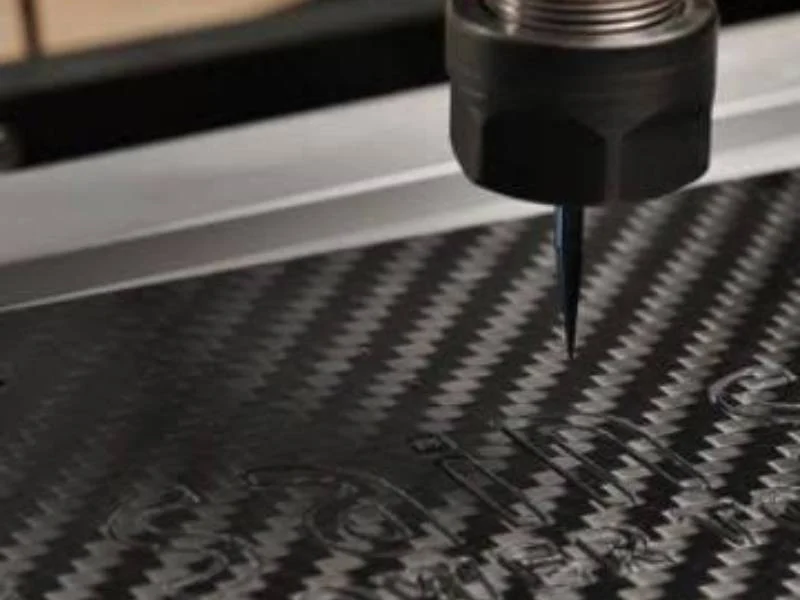
The Short Answer
Fraying, ply shift and resin drag on pre-cure composite material almost always trace back to one of three causes: a blade that isn’t sharp or fast enough to shear the fiber cleanly, a vacuum hold that lets the ply move during the cut, or a single-pass cut on material thick or dense enough to need a controlled multi-pass strategy. All three are setup variables, not signs the material is inherently difficult to cut cleanly.
This page covers material before cure — dry fabric, prepreg and glass cloth, where a blade shears the fiber and the failure mode is fraying or ply shift. Once the laminate is cured it stops being a cutting problem and becomes a milling one, with diamond tooling, chip load and surface-ply chipping in place of blade speed and vacuum hold: that half is covered in how to machine composites without delamination.
Dry Carbon Fabric: Frays When the Blade Can’t Outrun the Fiber
Dry carbon fiber fabric frays at the cut edge when the blade’s oscillation frequency and sharpness can’t shear the individual filaments cleanly — the fabric has no resin yet to hold fibers together, so any fiber the blade doesn’t fully cut gets pulled and frayed instead of separated. This is why carbon fabric is one of the fastest materials to show wear-related cut quality loss, discussed in more depth in our blade selection guide.
A coated blade, kept sharp and cleaned of fiber buildup, is the baseline for clean dry-fabric cuts. Beyond blade condition, feed rate matters directly: a feed rate that’s too fast for the oscillation frequency gives the blade less time per stroke to fully shear the weave, producing the same fraying a dull blade would.
Prepreg: Resin Tack Causes Blade Drag and Ply Shift
Prepreg’s uncured resin is tacky at room temperature, and that tack drags on the blade during the cut — enough friction and the ply can shift slightly under the blade before the cut completes, throwing off part geometry even when the fiber itself shears cleanly.
Prepreg cutting benefits from a cold or chilled blade approach and more frequent blade cleaning than dry fabric, since resin buildup on the blade compounds the drag problem as a job progresses. Vacuum hold matters more here than on dry fabric specifically because resin tack itself resists the ply’s ability to sit flat and stay put — a firm, full-perimeter vacuum seal keeps the ply from creeping as the blade drags through the tacky resin.
Fiberglass Cloth: Frays and Splits Along the Weave
Fiberglass cloth frays similarly to dry carbon but is also prone to splitting along the weave direction under blade pressure — a sharp blade at the correct oscillation frequency, moving with rather than against the weave where the cut path allows, keeps the split from propagating beyond the intended cut line.
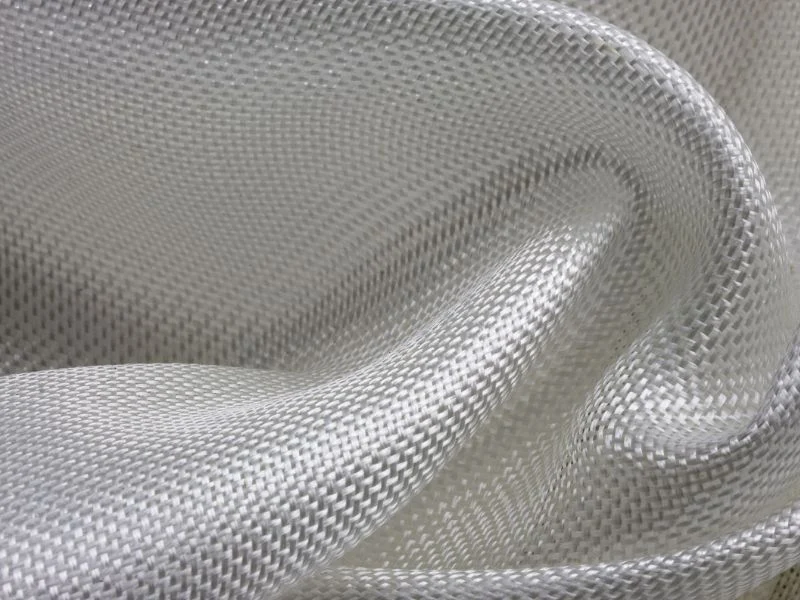
Woven roving and heavier fiberglass cloth respond well to a drag or oscillating blade with a firm vacuum hold, similar to carbon fabric setups. Lighter, looser-weave fiberglass cloth is more prone to shifting under the blade than tighter weaves, which makes vacuum hold quality the more important variable on lighter cloth specifically.
Vacuum Hold: Why Loose Material Moves Before the Blade Even Reaches It
Composite fabric and prepreg are flexible enough that inadequate vacuum hold lets the ply shift or lift slightly ahead of the blade, which shows up as a wandering cut line or fiber pulled out of position — a problem that looks like a blade issue but is actually a hold-down issue.
Check vacuum seal specifically at the ply edges and around any cutouts or internal features, where material is more prone to lift than in the middle of a large flat area. A vacuum system rated for rigid sheet material doesn’t automatically hold flexible fabric and prepreg with the same reliability — confirm the table’s vacuum performance on your actual material, not just its rated suction on a test panel.
Single-Pass vs Multi-Pass Cutting
A single clean pass through the full material thickness produces a better edge than multiple shallow passes on most composite fabric and prepreg — each additional pass is another opportunity for the blade to catch and pull fiber that the first pass already partially cut. This is different from some other materials where multi-pass strategies reduce load on the blade; on composite fiber, minimizing the number of passes usually minimizes fraying.
Set blade depth and oscillation frequency to fully shear the material’s full thickness in one pass wherever possible. If material thickness genuinely requires multiple passes — thick, multi-layer stacks being the main case — keep the first pass as clean as possible, since subsequent passes are working through material that’s already been partially disturbed by the first one.
Setup Reference by Material
| Material | Blade | Vacuum priority | Pass strategy |
|---|---|---|---|
| Dry carbon fabric | Coated straight edge, sharp | Standard-firm | Single pass |
| Prepreg (carbon or glass) | Coated, cold-blade approach, cleaned frequently | Firm, full-perimeter seal | Single pass |
| Woven roving / heavy fiberglass | Coated straight or drag edge | Standard-firm | Single pass |
| Light, loose-weave fiberglass | Sharp straight edge | Firm — prone to shifting | Single pass |
Testing Cut Quality Before a Full Production Run
Run a test cut on a scrap piece of the actual material lot before committing a full nest to production, especially after a material change, a new roll or batch, or any change to blade, oscillation or vacuum settings — fiber content and resin batch can vary enough between lots to shift the ideal setup even when nothing on the machine has changed.
Inspect the test cut edge under good light for fraying, pulled fiber, or any sign of the ply shifting during the cut, not just whether the part came out the right shape. A ply that’s dimensionally correct but has frayed or misaligned fiber at the edge can still fail inspection once it’s laminated into a part, so checking shape alone isn’t sufficient confirmation that the setup is right for that specific material lot.
Once plies are cut cleanly, the next challenge is getting them to the layup table correctly identified and sequenced — see our guide on composite ply cutting and kitting workflow. For blade geometry and coating details across materials, see our blade selection chart, and for the full range of composite cutting setups, visit carbon fiber cutting machine.
Frequently Asked Questions
Why does my dry carbon fabric fray instead of cutting cleanly?
Fraying on dry carbon almost always means the blade’s oscillation frequency or sharpness isn’t shearing the fiber cleanly, or feed rate is outrunning the blade’s cutting capacity. Check blade condition and feed rate before assuming the material itself is the problem.
Does prepreg need a different cutting approach than dry fabric?
Yes — prepreg’s resin tack drags on the blade and can shift the ply during the cut, so a cold-blade approach, more frequent blade cleaning and firmer vacuum hold matter more than they do on dry fabric.
Is multiple passes better than one pass for cutting composite fiber?
Usually not — a single clean pass through full thickness produces a better edge than multiple shallow passes, since each additional pass risks catching and pulling fiber the first pass already disturbed.
Why does fiberglass cloth split instead of cutting along the line?
Splitting along the weave direction usually means the blade isn’t sharp enough or the oscillation frequency is too low for the weave, allowing the cut to propagate along the fiber direction instead of staying on the programmed path.
Does vacuum hold matter as much for flexible fabric as for rigid sheet material?
More, in some ways — flexible fabric and prepreg can lift or shift ahead of the blade if hold-down is inadequate, which looks like a cutting problem but is actually a vacuum issue. Confirm vacuum performance on your actual flexible material, not just rated suction on rigid test panels.
Is this the same as post-cure machining delamination?
No — this guide covers pre-cure knife cutting, where the risk is fraying and fiber misalignment. True delamination between cured layers is a post-cure machining concern with different causes and a different fix.