Every CNC machine’s axis drive has to convert a motor’s rotation into linear motion, and the mechanism chosen to do that — direct drive or rack and pinion — has a direct, measurable effect on how tightly the machine holds position over its service life. Most buyers never ask which one their machine uses. They should.
Rack-and-pinion drive is the standard, well-proven mechanism across most CNC routers and machining centers: a gear (pinion) rolls along a toothed rail (rack) to move the axis. Direct drive eliminates that mechanical link entirely — the motor drives the axis directly, with no gear mesh between them. Both work. They just work differently, and the difference matters more for some production requirements than others.
This guide covers backlash and gear wear, how each system affects accuracy and repeatability, and when the difference is worth paying for versus when rack-and-pinion is genuinely enough.
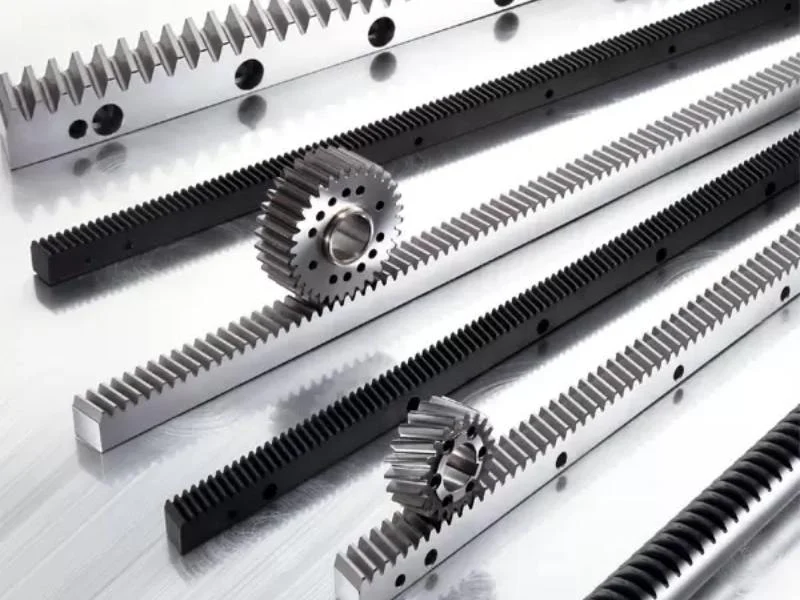
Backlash and Gear Wear: Where Rack-and-Pinion’s Limitation Comes From
Rack-and-pinion drive has an inherent, small amount of play — backlash — between the gear teeth, and that play increases gradually as the teeth wear from normal use, which means positioning accuracy on a rack-and-pinion machine can drift slightly over years of production even with good maintenance.
This isn’t a defect — it’s how gear-based mechanisms work, and quality rack-and-pinion systems are engineered to keep backlash small and manage it through preload and maintenance. But it’s a real, physical limitation that a direct-drive system doesn’t share, since there’s no gear mesh to develop play in the first place.
Accuracy and Repeatability: What Each System Actually Delivers
Direct-drive systems generally hold tighter positioning accuracy and repeatability over sustained production than rack-and-pinion systems, because eliminating the gear mesh removes both the backlash and the compliance (slight flex) that a mechanical drive train introduces.
The practical difference shows up most clearly in repeatability across a long production run — a rack-and-pinion machine that’s accurate on day one can show more positioning variance after months of production than a direct-drive machine would, simply from gear wear accumulating. Well-built rack-and-pinion systems minimize this, but they don’t eliminate it the way removing the gear mesh entirely does.
When Direct Drive Matters
Direct drive earns its added cost when your work genuinely needs tight positioning accuracy sustained over long production runs — precision aluminum machining, mold work, or parts where dimensional consistency from the first part to the thousandth matters as much as raw accuracy on any single part.
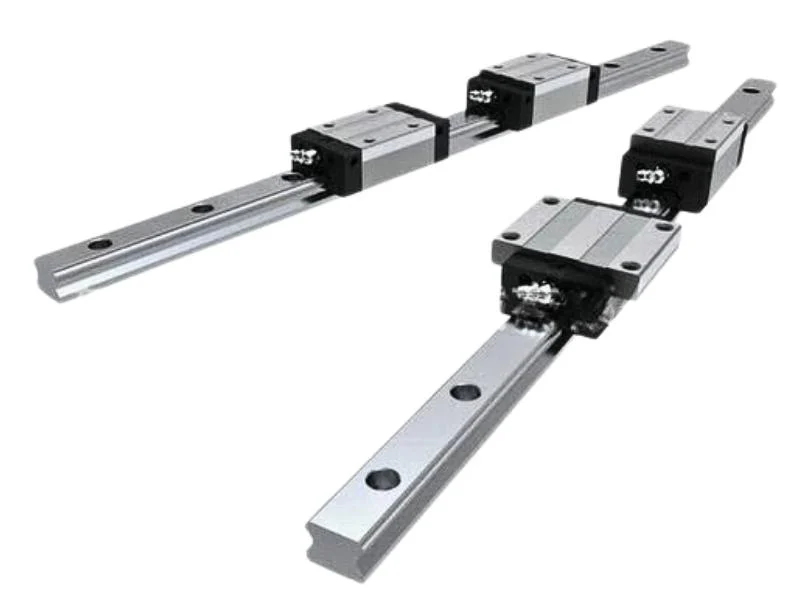
This is why direct-drive axes show up specifically on machines positioned for machining-center-grade work rather than general-purpose routing — the buyers who need this level of sustained precision are comparing the machine against dedicated machining centers, not against a general router where rack-and-pinion accuracy has always been the standard.
When Rack-and-Pinion Is Enough
Rack-and-pinion drive is genuinely sufficient — not just a budget compromise — for general routing, sign making, cabinetry, and most sheet-material cutting where the accuracy requirement doesn’t approach machining-center-grade tolerance, and where the mechanism’s decades of proven use across the industry represent real, well-understood reliability.
For most CNC router applications, a well-maintained rack-and-pinion system delivers accuracy well within what the work actually requires. Paying for direct-drive capability on work that doesn’t need machining-center-grade tolerance adds cost without a corresponding production benefit — the extra precision simply goes unused.
Maintenance Differences Between the Two Systems
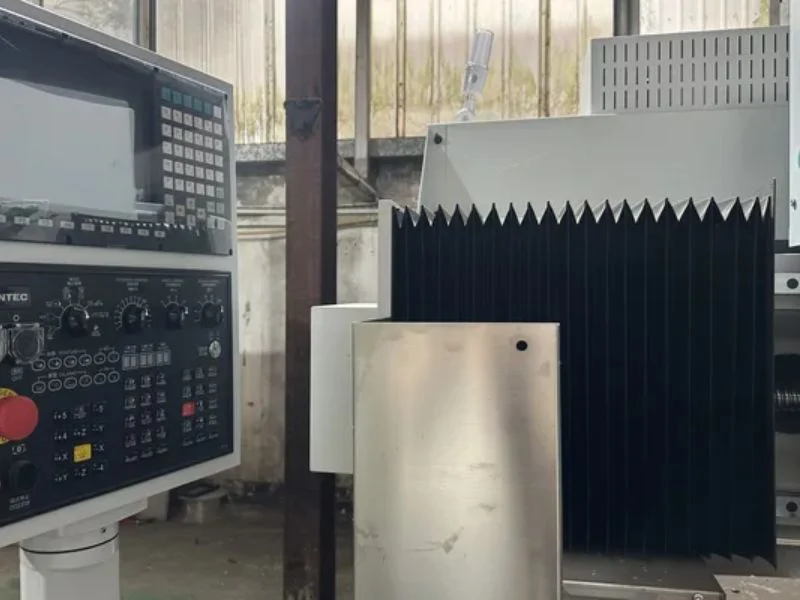
Rack-and-pinion systems need regular lubrication and periodic backlash checks as standard maintenance items; direct-drive systems remove the gear-wear maintenance item entirely, though they still need the same servo and encoder maintenance any precision axis system requires.
This doesn’t make direct drive maintenance-free — it shifts what you’re maintaining. A rack-and-pinion machine’s maintenance schedule includes lubrication intervals and backlash monitoring specifically because of the gear mesh; a direct-drive machine’s maintenance focuses more on servo tuning and encoder condition, since there’s no gear wear to track in the first place. Neither system eliminates maintenance — they just have different failure modes to watch for.
How to Choose Based on Production Needs
Define your actual tolerance requirement and how much it matters that accuracy stays consistent across a long production run — if the answer is genuinely tight, sustained precision on demanding material like aluminum or hardened tooling, direct drive is worth its added cost; if your work tolerates standard router-grade accuracy, rack-and-pinion is the better value.
Ask specifically which drive system a candidate machine uses on each axis — some machines mix drive types across axes, using direct drive where precision matters most and rack-and-pinion elsewhere. Don’t assume a machine’s overall accuracy claim tells you which mechanism is doing the work on the axis that matters most for your parts.
See our M1631 vs M3015 vs M4020 comparison for a direct look at direct-drive precision (M3015) against rack-and-pinion-driven configurations in the same product line.
Frequently Asked Questions
Is direct drive always better than rack-and-pinion?
Not for every application — it holds tighter accuracy and repeatability, but rack-and-pinion is genuinely sufficient for general routing and most sheet-material work where machining-center-grade tolerance isn’t the requirement.
Does rack-and-pinion backlash get worse over time?
Yes, gradually — gear teeth wear from normal use, which increases backlash slowly over years of production, even with good maintenance. This is a physical characteristic of gear-based mechanisms, not a defect.
Can a machine use both drive types?
Yes — some machines mix direct drive on axes where precision matters most with rack-and-pinion elsewhere. Ask which mechanism each specific axis uses rather than assuming a single drive type applies across the whole machine.
Is rack-and-pinion drive unreliable?
No — it’s a well-proven, decades-old mechanism used across most CNC routers and machining centers. Its limitation is gradual backlash development, not general unreliability, and quality systems manage this well through maintenance.
How much does direct drive typically cost over rack-and-pinion?
The premium varies by manufacturer and machine class, but it reflects genuinely different engineering — eliminating the gear mesh requires different motor and control system design, not just a spec upgrade.
What’s the practical sign my work needs direct drive?
If dimensional consistency across a long production run matters as much as accuracy on a single part — common in precision aluminum machining and mold work — direct drive is worth evaluating over rack-and-pinion.