A single-spindle CNC router runs one tool at a time — swap bits manually between operations, or run separate programs with an operator standing by for every tool change. An ATC (automatic tool changer) router removes that manual step, which sounds like a simple convenience upgrade until you count how many manual tool changes a typical multi-process job actually needs.
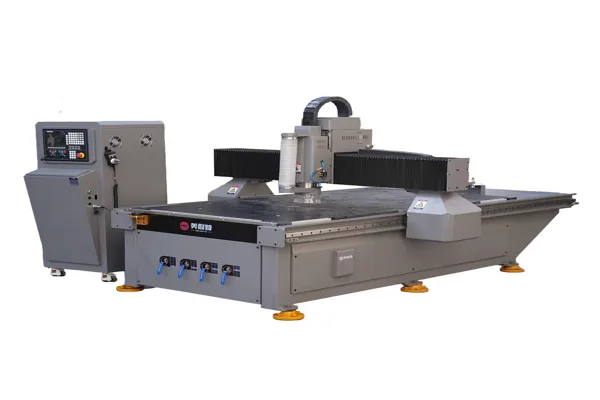
The machines this guide refers to are MNT’s ATC CNC routers — the T6 and the T7, with linear and carousel magazine options.
Shops running signage, furniture, cabinetry or acrylic work that combines profiling, drilling and engraving in one part are the clearest case for ATC capability — each manual tool swap on a single-spindle machine costs setup time and introduces a chance for tool offset error, and that cost compounds across every part in a production run. Door making is a typical example — profile, carve and bore on one leaf — covered on our door making CNC machine page. The question isn’t whether ATC helps; it’s whether your specific job mix has enough tool changes per part to justify the added machine cost.
This guide covers the variables that actually determine which ATC router fits your production — tool magazine capacity, spindle power, bed rigidity, controller workflow, cutter planning and dust extraction — and when a single-spindle router is still the better buy.
Tool Magazine Capacity: Count Your Actual Tool List First
Count the distinct tools a typical job actually requires — router bits for profiling and sizing, drills for shelf-pin and hardware holes, engraving tools, chamfer or roundover bits for edges — before specifying magazine size, rather than defaulting to the largest magazine available as a hedge.
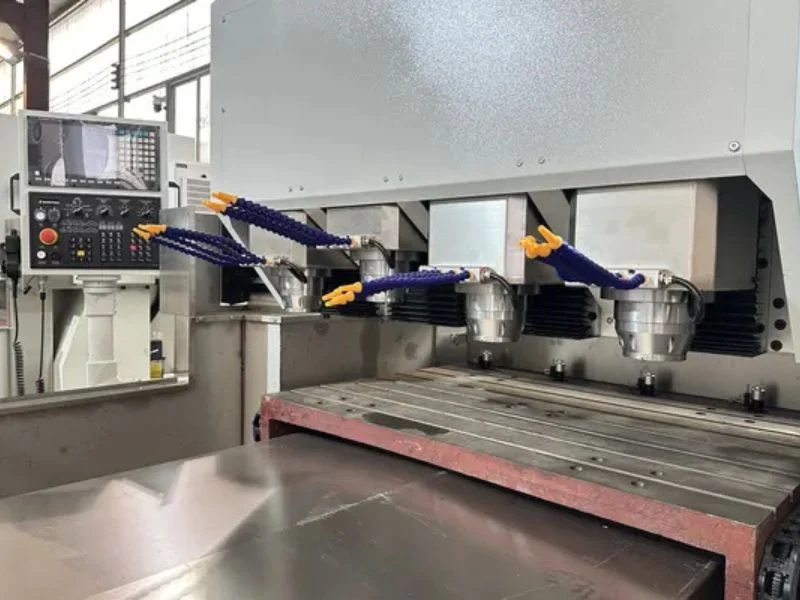
A four-position magazine covers a typical bit rotation for most signage and cabinetry work: one profiling bit, one drill, one engraving tool, and a spare position for a fast-wearing bit. Shops running a wider material mix or more complex tool rotations may need more positions — but an oversized magazine sitting mostly empty adds cost and complexity without adding capability your actual job list uses.
ATC Spindle Power for Your Material Mix
Match spindle power to your heaviest material, not your average one — a spindle sized for MDF and acrylic will bog down or produce a poor edge finish on denser hardwood or aluminum composite panel, even if it handles your typical job comfortably. Air-cooled spindles in the 9 kW range and water-cooled options up to 11 kW or more cover most signage, cabinetry and acrylic-processing shops, with the higher end justified by denser material or a need for faster feed rates.
Water-cooled spindles generally run quieter and tolerate sustained heavy cutting better than air-cooled ones, at the cost of a cooling system to maintain. For shops running mostly lighter material with occasional heavier jobs, an air-cooled spindle is often sufficient; shops running dense material regularly see a clearer case for water cooling.
Bed Rigidity: Why the Gantry Structure Matters More Than It Looks
A welded, stress-relieved gantry structure holds tolerance better over years of production than a lighter or unwelded frame, because it resists the flex and vibration that accumulate into positioning drift under sustained cutting loads — this matters more on an ATC machine specifically, since tool-change accuracy depends on the whole structure staying dimensionally stable.
Ask specifically whether the gantry frame is welded and stress-relieved as a single structure, or assembled from separate components — a single-setup welded frame that’s been stress-relieved after welding resists warping better over the machine’s service life. This is a harder spec to evaluate from a data sheet than spindle power or bed size, but it’s a real driver of how well the machine holds accuracy years into production.
Controller Workflow and Tool-Change Cycle Time
Ask for the machine’s actual tool-change cycle time under real conditions, not a best-case spec number — a slow tool change multiplies across every tool switch in a multi-process part and can erode the throughput advantage ATC is supposed to provide.
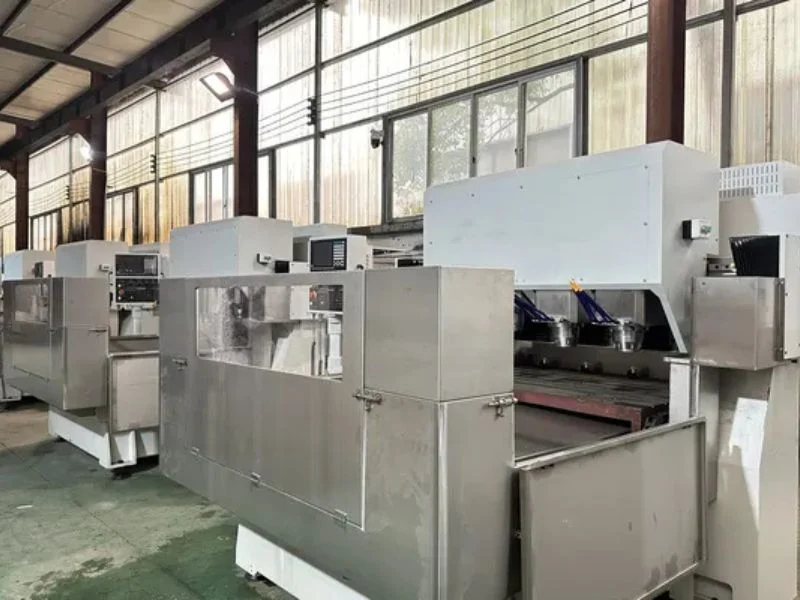
Confirm the controller software supports straightforward programming of multi-tool jobs — assigning different tools to different operations within one program should be a normal part of the workflow, not a workaround. A controller that makes multi-tool programming cumbersome erodes the labor-saving benefit of ATC capability even when the tool-change hardware itself performs well.
Cutter Planning: Matching Bit Selection to the Tool Rotation
Plan your cutter set around the actual sequence of operations a typical part needs, keeping bit geometry consistent enough across the tool rotation that programming and tool-offset management stay simple — a magazine loaded with too many similar-but-slightly-different bits adds programming complexity without adding real capability.
Standardize where possible: one profiling bit geometry for most sizing operations, one drill geometry for most hole patterns, reserving specialty bits for operations that genuinely need them. This keeps tool-offset management manageable and reduces the number of times an operator needs to manually verify which bit is loaded in which position.
Dust Extraction Sized for Multi-Tool Operation
Size dust extraction for the combined debris load of your full tool rotation, not just your heaviest single operation — a job that profiles, drills and engraves in sequence produces a different debris mix and volume than a single-operation job, and extraction that’s adequate for one operation type can fall short across a full multi-tool program.
Check ducting and filter capacity against your actual production schedule, and clean or replace filters on the interval your extractor manufacturer specifies. Reduced airflow doesn’t just create a mess — it lets dust settle into the tool magazine and onto tool holder tapers, directly undermining the tool-change accuracy ATC capability depends on.
When to Choose ATC Over a Single-Spindle Router
Choose ATC when your typical part needs three or more distinct tool operations, when manual tool-change downtime is measurably cutting into throughput, or when tool-offset error from manual changes is showing up as a quality problem — for shops running mostly single-operation work, a single-spindle router remains the simpler, lower-cost choice.
Run the comparison against your own job log: count how many manual tool changes a typical week of work actually requires on a single-spindle machine, and estimate the setup time and error risk each one carries. If that number is low, ATC capability may be more machine than your job mix needs. If it’s a regular, multi-times-daily occurrence, the ATC premium usually pays back faster than buyers expect.
See the full T6 ATC Engraving Processing Center specifications, or our CNC router maintenance checklist for what keeping one running actually involves day to day.
Frequently Asked Questions
How many ATC tool positions do I actually need?
Count your typical job’s distinct tool operations first — most signage and cabinetry work covers comfortably with four positions (profiling bit, drill, engraving tool, one spare) rather than defaulting to a larger magazine as a hedge.
Is a water-cooled or air-cooled spindle better for an ATC router?
Air-cooled spindles suit lighter material with occasional heavier jobs; water-cooled spindles run quieter and handle sustained heavy cutting better, which matters more for shops running dense material regularly.
Does gantry construction really matter as much as spindle specs?
Yes — a welded, stress-relieved single-setup frame resists the flex and vibration that accumulate into positioning drift over years of production, which matters especially on ATC machines where tool-change accuracy depends on overall structural stability.
How do I know if ATC capability is worth the added cost for my shop?
Count how many manual tool changes your typical job mix requires on a single-spindle machine and estimate the setup time and error risk each carries — frequent multi-tool operations usually justify ATC; mostly single-operation work often doesn’t.
Does dust extraction need to be sized differently for a multi-tool ATC router?
Yes — extraction needs to handle the combined debris load across a full tool rotation, not just the heaviest single operation, since inadequate extraction lets dust settle into the tool magazine and undermine tool-change accuracy.
What’s the biggest mistake buyers make when choosing an ATC router?
Buying magazine capacity or spindle power as a hedge against hypothetical future work rather than matching the machine to their actual current tool list and material mix — oversized capability that goes unused adds cost without adding real production benefit.