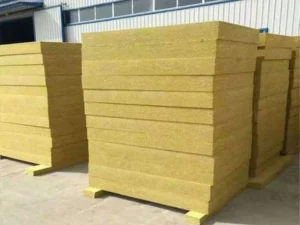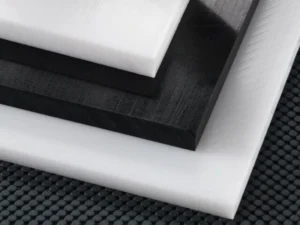
Trimming a cured carbon fiber or fiberglass panel is a different problem than cutting the dry fabric it was laid up from. The resin is now locked around the fiber, and a tool that isn’t matched to that hardened structure chips, splinters or delaminates the surface ply exactly where the part needs to look and measure clean.
This guide covers post-cure machining specifically — trimming, edge finishing and hole-drilling on already-cured CFRP, GFRP and other laminate panels, most often on a five axis router that can hold the cutter normal to a contoured surface. For pre-cure knife cutting of dry fabric and prepreg before layup, see our companion guide on cutting composites without delamination.
The core challenge in cured composite machining is tooling and feed strategy suited to a hardened, abrasive, layered material — get either wrong and the defect shows up right at the visible or load-bearing edge, after the part has already absorbed the cost of layup and cure.
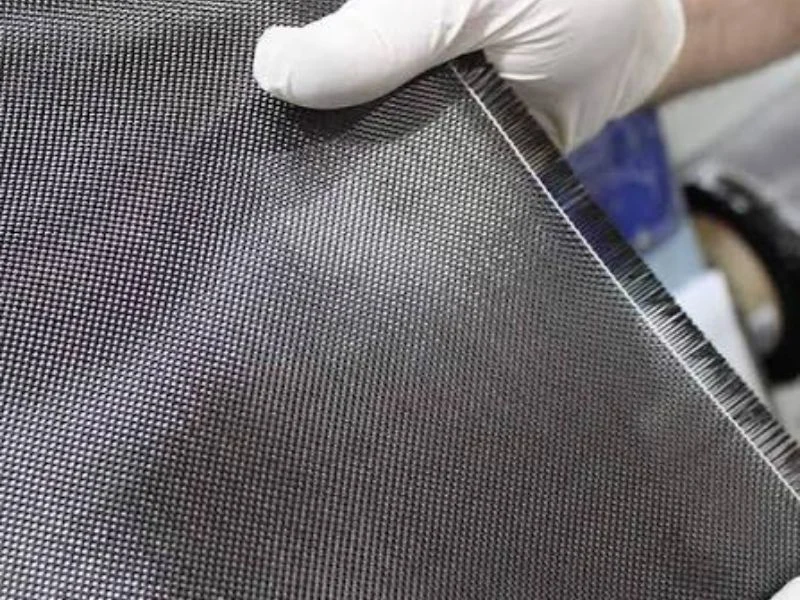
The Short Answer
Cured composite trimming needs diamond or PCD-coated tooling, a feed rate and chip load matched to the laminate’s abrasiveness, and — on contoured parts — a fifth axis to keep the cutter normal to the surface, because an angled approach on a curved edge is one of the most common causes of surface-ply chipping. Standard steel or even carbide router bits wear too fast against cured resin and reinforcement fiber to hold a clean edge through a production run.
Diamond and PCD Tooling: Why Standard Bits Chip the Surface Ply
Cured composite laminate is abrasive enough that standard carbide router bits dull within a fraction of the tool life they’d get on wood or plastic — a dulling edge doesn’t cut cleanly through the resin-fiber structure, it tears at it, which shows up as chipping and splintering right at the surface ply.
Diamond-coated and PCD (polycrystalline diamond) tooling holds an edge dramatically longer against cured fiber and resin, which is why it’s the standard choice for production composite trimming despite the higher per-tool cost. The tool cost difference is usually recovered quickly once it’s weighed against the scrap rate and rework a dulling standard bit produces on a run of any real length.
Feed Rate and Chip Load: The Balance That Prevents Splintering
Feed rate that’s too aggressive for the tool and material tears fiber rather than shearing it, producing splintered edges; feed rate that’s too conservative generates excess heat from the tool rubbing rather than cutting, which can scorch resin at the edge — the right chip load sits between the two.
This balance shifts with laminate thickness, fiber orientation at the surface ply, and tool sharpness, which is why a feed rate dialed in at the start of a tool’s life often needs adjustment as the tool wears. Running a test cut on scrap material from the same panel, and inspecting the edge under good light rather than just checking dimensional accuracy, catches a feed rate problem before it runs through a full batch of finished parts.
Climb Milling vs Conventional Milling on Composite Laminate
Climb milling — where the cutter rotation matches the direction of feed — generally produces a cleaner edge on composite laminate than conventional milling, because it pulls the tool through the fiber rather than pushing against it, reducing the tendency to lift and splinter surface fibers.
The tradeoff is that climb milling can pull thin or poorly clamped material into the cutter if fixturing isn’t solid, so this only pays off with adequate hold-down. On a five axis machine trimming a formed or contoured part, secure fixturing matters as much as milling direction — a part that shifts even slightly during the cut undermines whatever benefit the right milling strategy would otherwise provide.
Dust Extraction: Composite Dust Is a Different Hazard Than Wood Dust
Cured composite dust — particularly from carbon fiber and glass fiber laminate — consists of fine, sharp fiber particles that pose respiratory and skin irritation hazards distinct from wood dust, and carbon fiber dust can also be electrically conductive, which is a consideration around electronics and control cabinets.
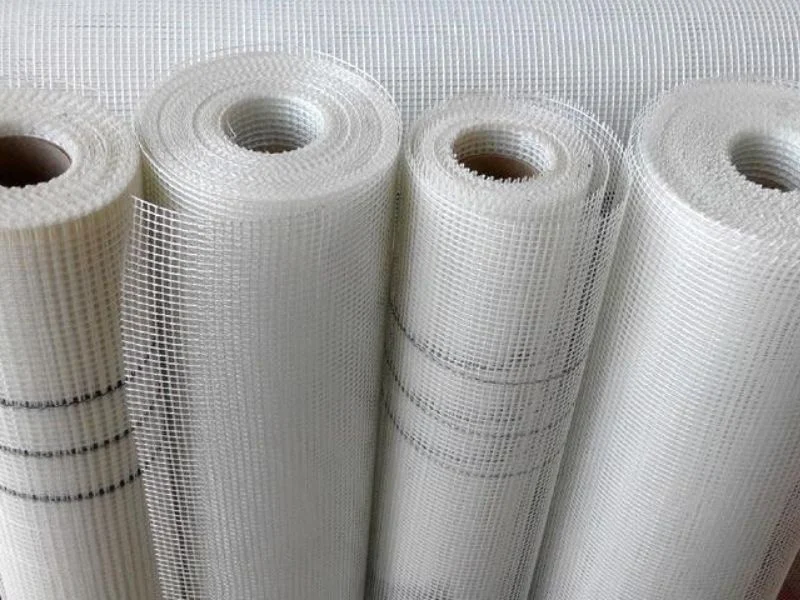
Extraction needs to be positioned close to the cutting point, since composite dust is finer than wood chips and doesn’t fall as readily to a floor-level collection point. Confirm filtration is rated for fine composite particulate specifically, not just general woodworking dust collection, and follow your material supplier’s safety data sheet for handling and PPE requirements around the specific laminate being machined.
Hole Drilling: A Separate Delamination Risk From Trimming
Drilling cured composite carries its own delamination risk — peel-up delamination at the entry face and push-out delamination at the exit face — caused by axial thrust force from the drill exceeding what the surrounding plies can resist before they’re fully through-cut. This is a distinct failure mode from the edge chipping seen in trimming, even though both get called “delamination” loosely on the shop floor.
Reducing feed rate as the drill approaches breakthrough, using a drill point geometry designed for composite laminate rather than metal, and backing the exit face with sacrificial material all reduce push-out risk. On a five axis platform, drilling normal to the local surface — rather than at a fixed table angle — also reduces the asymmetric thrust load that makes push-out delamination worse on angled entry.
Why the Fifth Axis Matters for Edge Quality
On a contoured or curved composite part, a three-axis machine can only approach the edge at a fixed angle relative to the table, which means the cutter meets a curved surface at an angle other than normal for most of the cut — producing a beveled rather than square edge and increasing the chance of surface-ply chipping at the point of maximum angle.
A five axis machine tilts the cutter to stay normal to the surface throughout the trim path, keeping the cutting geometry consistent across a contour instead of only at the points where a fixed-angle tool happens to meet the surface squarely. See our companion piece on three-axis vs five-axis CNC routing for the fuller comparison, including what the extra setup and equipment cost actually buys on contoured parts.
For pre-cure fabric and prepreg cutting setups, see how to cut composites without delamination. For the full range of composite machining setups on a five axis platform, visit our five axis CNC router page.
Frequently Asked Questions
Why does my composite panel chip at the edge during trimming?
Surface-ply chipping usually comes from a dulling standard tool, an aggressive feed rate that tears rather than shears fiber, or a fixed-angle three-axis approach on a curved edge that meets the surface at other than a normal angle.
Do I need diamond or PCD tooling for cured composite trimming?
For any real production volume, yes — standard carbide bits dull quickly against cured fiber and resin, and a dulling edge is a direct cause of chipped and splintered edges.
Is climb milling always better than conventional milling on composites?
It generally produces a cleaner edge, but only with solid fixturing — climb milling can pull thin or poorly clamped material into the cutter, so hold-down quality matters as much as milling direction.
Is carbon fiber dust dangerous?
It poses respiratory and skin irritation hazards from fine, sharp fiber particles, and carbon fiber dust specifically can be electrically conductive, which matters around electronics and control equipment. Follow the material’s safety data sheet for handling and PPE.
Does a five axis machine really change edge quality on curved composite parts?
Yes — keeping the cutter normal to the surface throughout a contour, rather than at a fixed angle, produces a more consistent square edge and reduces the chipping risk that comes from an angled approach on curved geometry.
Is this the same process as cutting dry carbon fabric before layup?
No — this covers post-cure machining of hardened laminate. Pre-cure knife cutting of dry fabric and prepreg is a different process with different failure modes; see our companion guide for that stage.