
Insulation Cutting Machine
MNT (MEINAITE) C-series digital knife cutters shape rock wool, glass wool, HVAC duct board and elastomeric foam — nested, clean-edged, and cut without the fumes and melt-back of a hot wire.
- Oscillating knife for compressible wool — shears springy fibre instead of crushing it, so the density (and the R-value) stays where the spec put it
- Zone vacuum + conveyor holds low-density board flat — on this material the hold-down is a bigger problem than the cut
- Nested and labelled duct-liner and pipe sections come off the table in install order
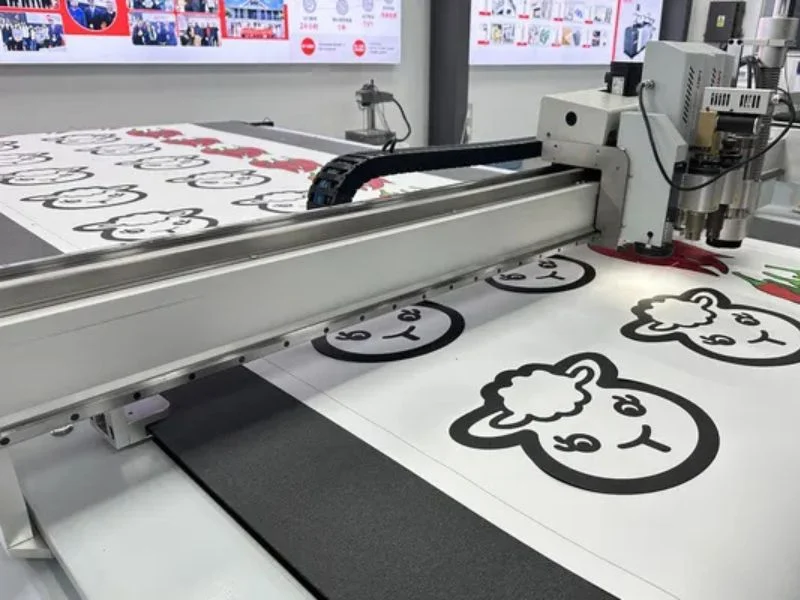
“Insulation Cutting” Splits Into Two Machines — This Is the Knife Side
Search for an insulation cutting machine and you get two unrelated machines, because two unrelated jobs share the name. Shaping soft and faced insulation — mineral wool, glass duct board, elastomeric foam, thin faced board — is a knife job. Slicing thick rigid EPS or XPS billet is a hot-wire job. A machine that is excellent at one is useless at the other.
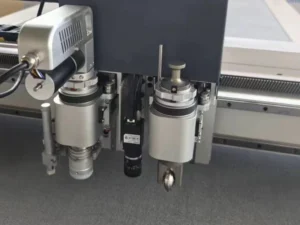
This page is the knife side. The C-series is a digital knife cutter: a zoned vacuum bed, a conveyor, and a head carrying an oscillating or drag blade that shears the material against the belt. It matters most where density and the facing carry the R-value — a crushing blade changes the local density and quietly destroys the thermal performance the stone-wool spec paid for. If your work is slicing thick foam block, we will tell you a hot wire is the right tool rather than sell you the wrong machine.
Cutting fluoropolymer engineering plastic rather than thermal insulation? The PTFE & Teflon cutting machine handles PTFE, PFA and filled grades — a different material family from rock wool and foam board, but the same C-series knife table.
Machine specifications compared. Insulation is a format problem before it is a cutting problem. All three machines take the same 50 mm depth with the electric oscillating tool (EOT); what separates them is whether a full board fits on the table — the C3232 at 3200 × 3200 mm is the one that takes oversized duct board without repositioning.
| Specification | C6090 | C2516T | C3232 |
|---|---|---|---|
| Cutting area | 600 × 900 / 600 × 1200 / 900 × 1200 mm | 2500 × 1600 mm | 3200 × 3200 mm |
| Rigid insulation, foam, honeycomb | ≤ 50 mm | ≤ 50 mm | ≤ 50 mm |
| Duct board & faced board | EOT | EOT | EOT |
| Cutting speed | 300–1800 mm/s | 300–1800 mm/s | 300–1800 mm/s |
| Hold-down | Aluminium honeycomb, vacuum | Vacuum adsorption | Vacuum adsorption |
| Continuous belt feeding | Yes | Yes | Yes |
| Total connected load | 9.5 kW | 9.5 kW | 9.5 kW |
| Typical insulation job | Sample panels, small ducts | Standard board sizes | Full-width board, large duct runs |
Insulation Materials We Cut
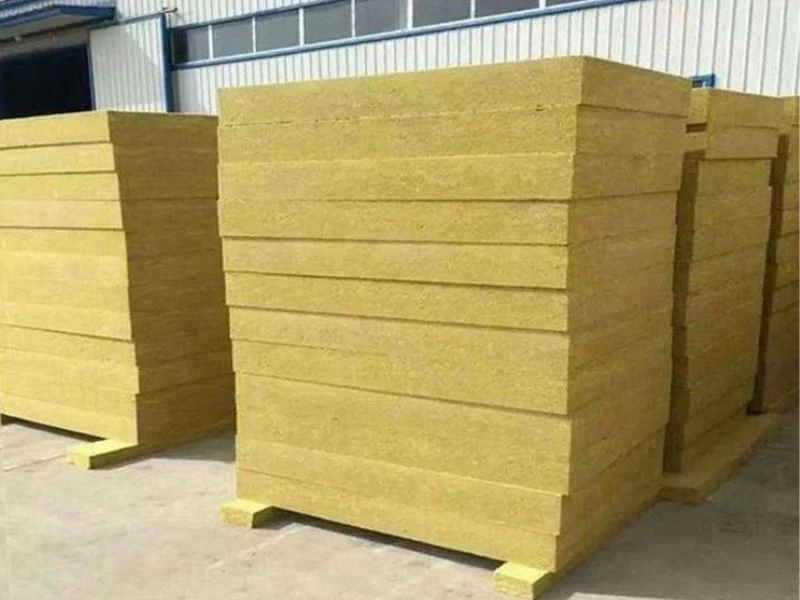
Rockwool & Mineral Wool Board
- Formats: density 40–160 kg/m³, 20–100 mm board and batt, faced or unfaced
- Watch out: springy, dusty, itchy fibre — a crushing blade changes local density and kills the R-value the spec paid for
- How we cut it: an oscillating knife shears the fibre against a zoned vacuum bed — no crush, dust extracted at the head
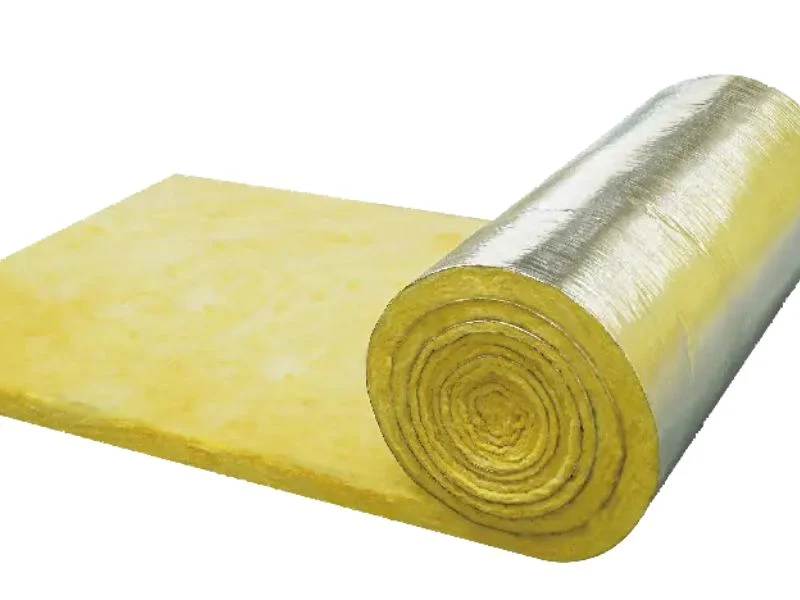
Glass Wool / Fiberglass Insulation
- Formats: duct board, batt, foil- or kraft-faced, 25–100 mm
- Watch out: the facing has to be cut cleanly together with the wool, or it delaminates and the vapour barrier fails
- How we cut it: a single-pass knife cuts facing and wool as one; scored fold lines turn flat board into duct
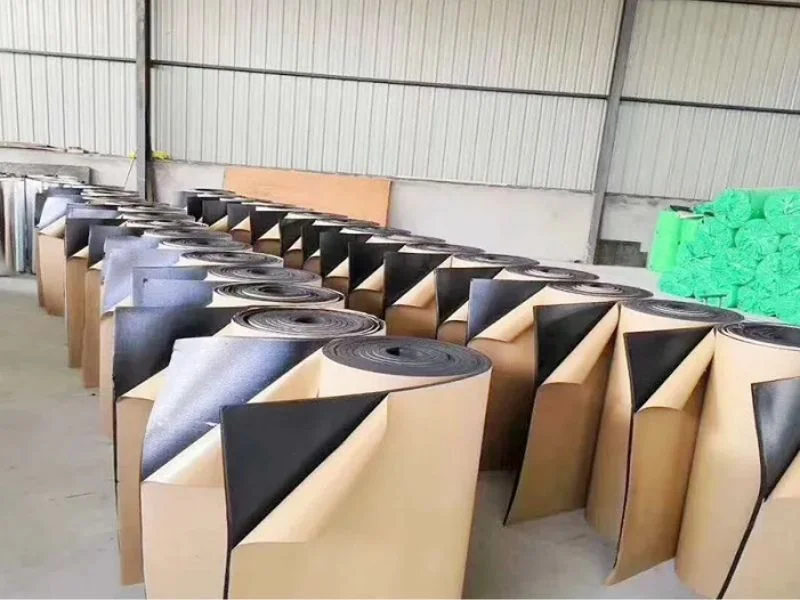
Elastomeric / Rubber Foam
- Formats: closed-cell NBR/EPDM sheet and pipe section, 6–50 mm (Armaflex type)
- Watch out: tacky — it grabs a dragged blade and tears, and it melts and stinks under a laser
- How we cut it: an oscillating knife shears it clean and the closed-cell skin stays intact, so it still keeps moisture out
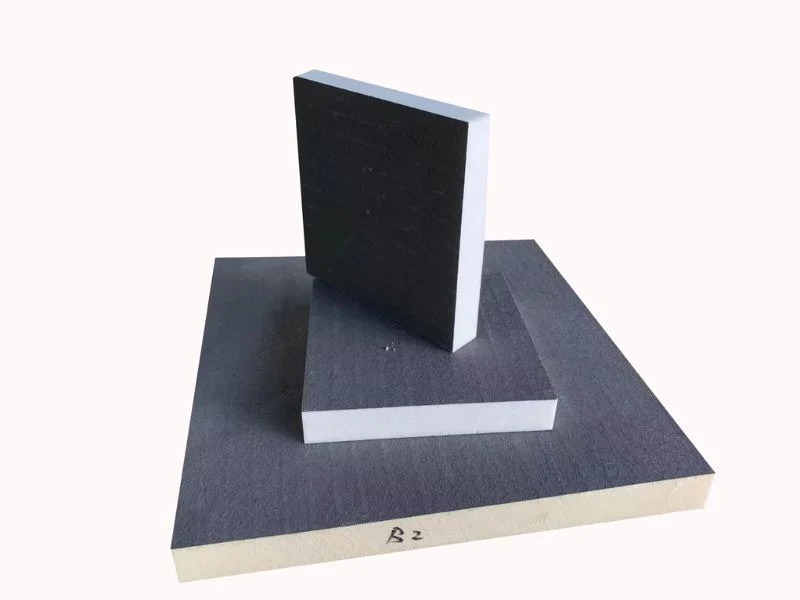
Thin Rigid Board (PIR / PU / Phenolic)
- Formats: foil-faced PIR, PU and phenolic board up to ~50 mm
- Watch out: the foil facing shatters and the foam crumbs if you saw it — and thick EPS/XPS block is a hot-wire job, not this table
- How we cut it: the knife scores the facing and shears thin board; we say plainly when thickness pushes it to hot wire
Cut behaviour verified on MNT C-series oscillating-knife tables at Hangzhou Chaohan; densities per Rockwool and Knauf product data.
Who Cuts Insulation This Way
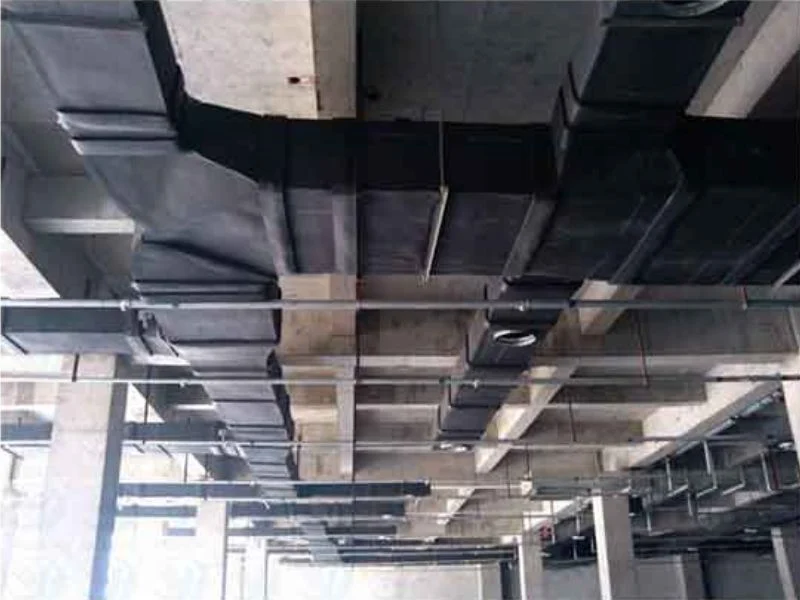
HVAC & Duct Fabrication
- Parts: duct liner, board plenums, elbow gores and pipe sections in batches
- The hard part: every job is a different size and the facing must survive the cut
- What you get: nested parts labelled in install order, facing intact, no bandsaw dust cloud

Building Envelope & Panels
- Parts: wall and roof board, rainscreen cavity insulation, SIP cores
- The hard part: low-density board will not hold still and crushes the moment you press on it
- What you get: zone vacuum holds it flat and the knife shears without compressing — density stays on spec
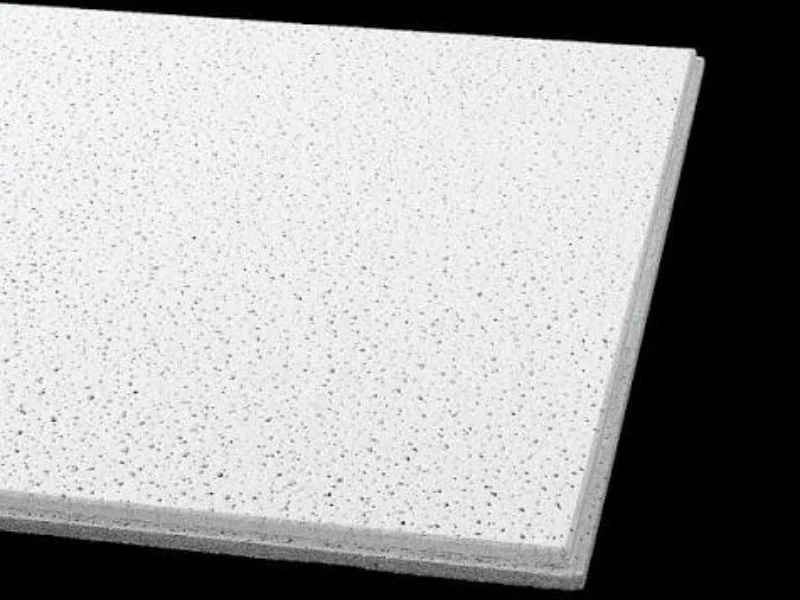
Acoustic Treatment
- Parts: studio panels, bass traps and ceiling baffles from mineral wool and PET felt
- The hard part: clean bevels and repeatable shapes sell the product; ragged edges look cheap
- What you get: bevelled, kiss-cut and through-cut in one pass, edges clean enough to leave exposed
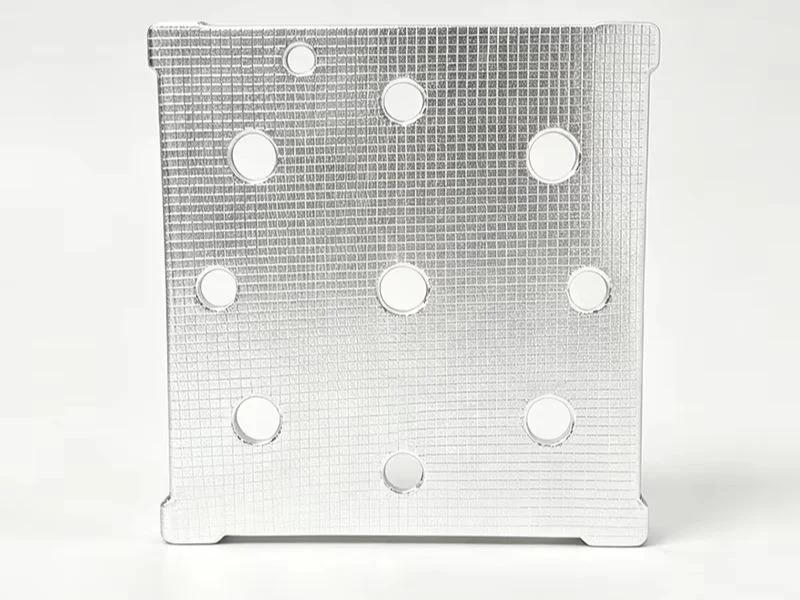
OEM & Appliance Insulation
- Parts: oven and boiler liners, HVAC-unit acoustic lining, appliance insulation kits
- The hard part: high-mix low-volume kits with frequent revisions and tight nesting to hold material cost
- What you get: a revision is a new file, never a new die; nesting yield is what decides the margin
Application mix from MNT installs in HVAC prefab and acoustic-panel shops; facing and vapour-barrier notes per NAIMA guidance.
Recommended MNT Insulation Cutting Machines
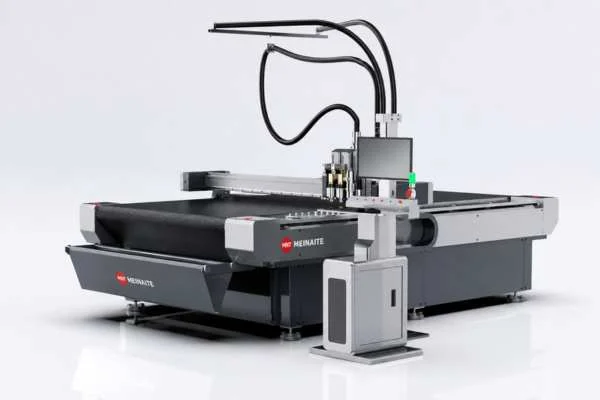
C2516T Digital Cutting Machine
- Cuts: rock wool, glass duct board, elastomeric foam and faced batt
- Specs: 2500 × 1600 mm · EOT oscillating knife + drag + creasing · zone vacuum · conveyor feed
- Best for: continuous duct-liner and board production fed from roll or stack
- Price: From $16,900
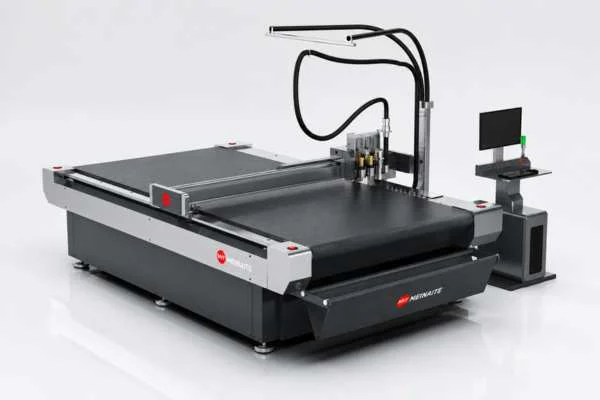
C3232 Digital Cutting Machine
- Cuts: wide roof and wall board, large acoustic panels, wide-roll batt
- Specs: 3200 × 3200 mm · POT pneumatic knife + EOT oscillating · zone vacuum
- Best for: board too wide for a 1600 mm table — envelope and acoustic work
- Price: From $11,555
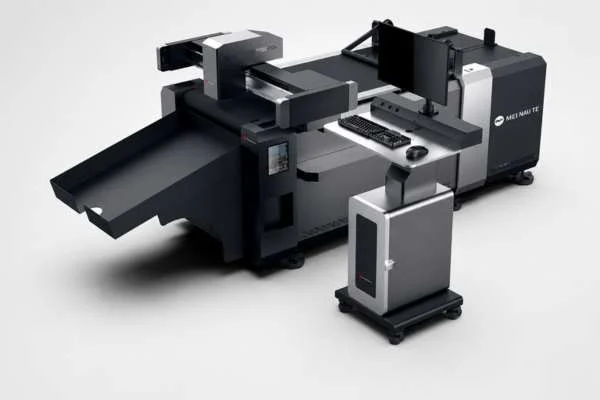
C6090 Digital Cutting Machine
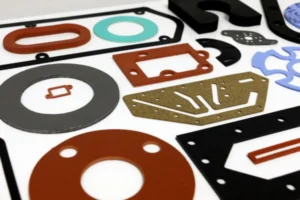
- Cuts: sample panels, pattern parts and short-run OEM gaskets
- Specs: 600 × 900 / 600 × 1200 mm · EOT + creasing · vacuum table
- Best for: R&D, sample rooms and low-volume OEM kits rather than the production floor
- Price: From $12,000
Specifications from MNT C-series build sheets; all three share one platform, software and tool range — Hangzhou Chaohan.
Where a Knife Beats a Hot Wire on Insulation — and Where It Doesn’t
| Soft & faced insulation (this page) | Rigid foam block (EPS / XPS) | |
|---|---|---|
| Right process | Oscillating / drag knife | Hot wire (CNC foam cutter) |
| Why | Fibre and facing shear clean with zero kerf and no heat | Thick closed-cell billet only parts cleanly with heat |
| Typical material | Mineral wool, glass duct board, elastomeric, thin PIR | 50 mm+ EPS / XPS billet |
| Edge | Clean, facing intact, density preserved | Fused smooth by the hot wire |
| Dust / fume | Fibre dust — extracted at the head | Styrene fume — needs its own extraction |
| MNT machine | C-series knife — this page | Not a knife job — we will say so |
Where fiberglass-style soft insulation differs from packaging foam. Cutting soft EVA, PE or PU cushioning foam is the same knife but a different page — see our foam cutting machine. This page is thermal and acoustic insulation, where the R-value and the facing matter as much as the shape, which is why hold-down and facing integrity drive the machine choice here.
Three things that catch first-time buyers
- Mineral wool eats blades. Rock and glass wool are abrasive; budget blade replacement into running cost the way you would budget gas on a laser. Anyone who says blade life is a non-issue has not cut faced rock wool.
- Fibre dust is a respiratory problem, not a fume one. It is extracted at the head, but it is a different hazard from a hot wire’s styrene smoke — the protection and the extraction are not interchangeable, and buyers who plan for one get caught by the other.
- The facing is where jobs fail. Foil, kraft and FSK facing must be cut in the same pass as the wool. If the facing tears or delaminates, the vapour barrier is gone and the part is scrap — hold-down and a shearing blade are what keep it bonded, per NAIMA facing guidance.
Why Insulation Shops Choose the C-Series
On insulation the machine earns its keep at the vacuum bed and the blade, not at headline speed — because crushing the board or tearing the facing costs more than a slow cut ever does. About MNT (MEINAITE) — who builds it and where. Carrying the line? Territory and spare-parts terms are on our partnership page.
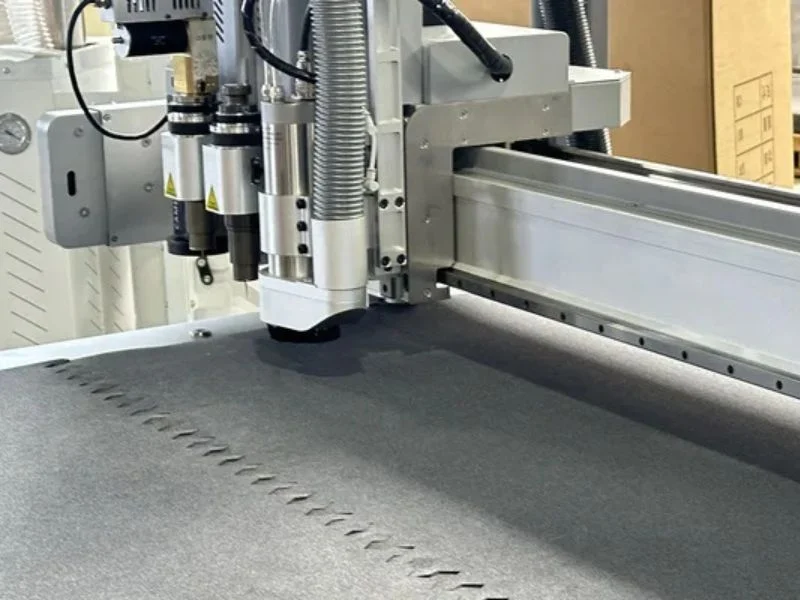
Hold-Down That Doesn’t Crush the Board
- Zone vacuum holds low-density board flat without pressing it
- Oscillating knife shears springy fibre so density — and R-value — stays on spec
- Conveyor feeds duct board without lifting and repositioning mid-cut
- For distributors: insulation fabricators are regional HVAC and panel shops with steady repeat volume — once the table is in the prefab line, blade and consumable pull-through is annuity, not a one-off sale
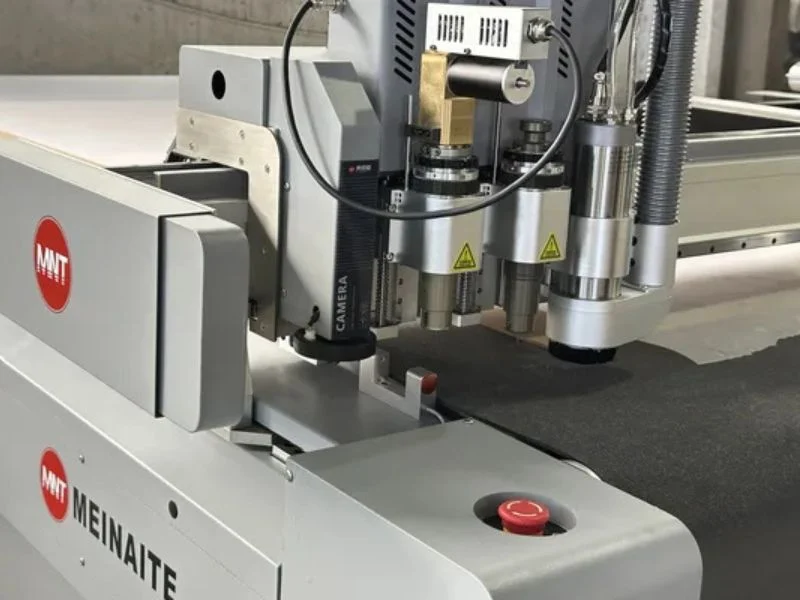
One Table, Board to Pipe Section
- Oscillating knife, drag knife and creasing on one head
- Parts nested and labelled in install order — the part that actually saves hours
- Kiss-cut facing and through-cut in a single pass
- For distributors: spare-parts commitment, territory and technical training are the three things that decide whether a machine is worth carrying — all three are set out on our partnership page
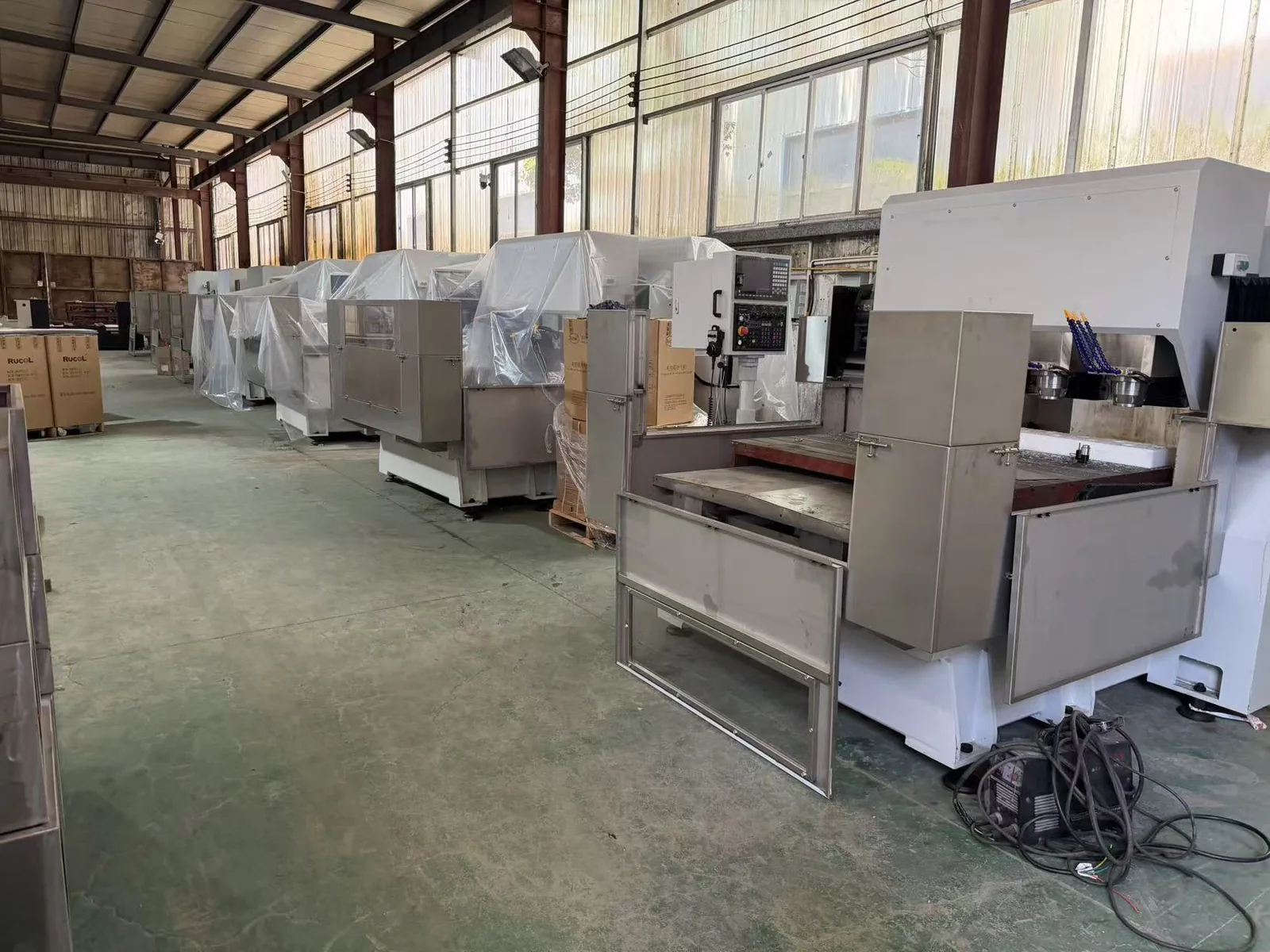
The Factory That Builds Your Insulation Cutter
- Frames, gantries and vacuum tables built in-house by Hangzhou Chaohan
- Every machine run-tested and calibrated before it ships
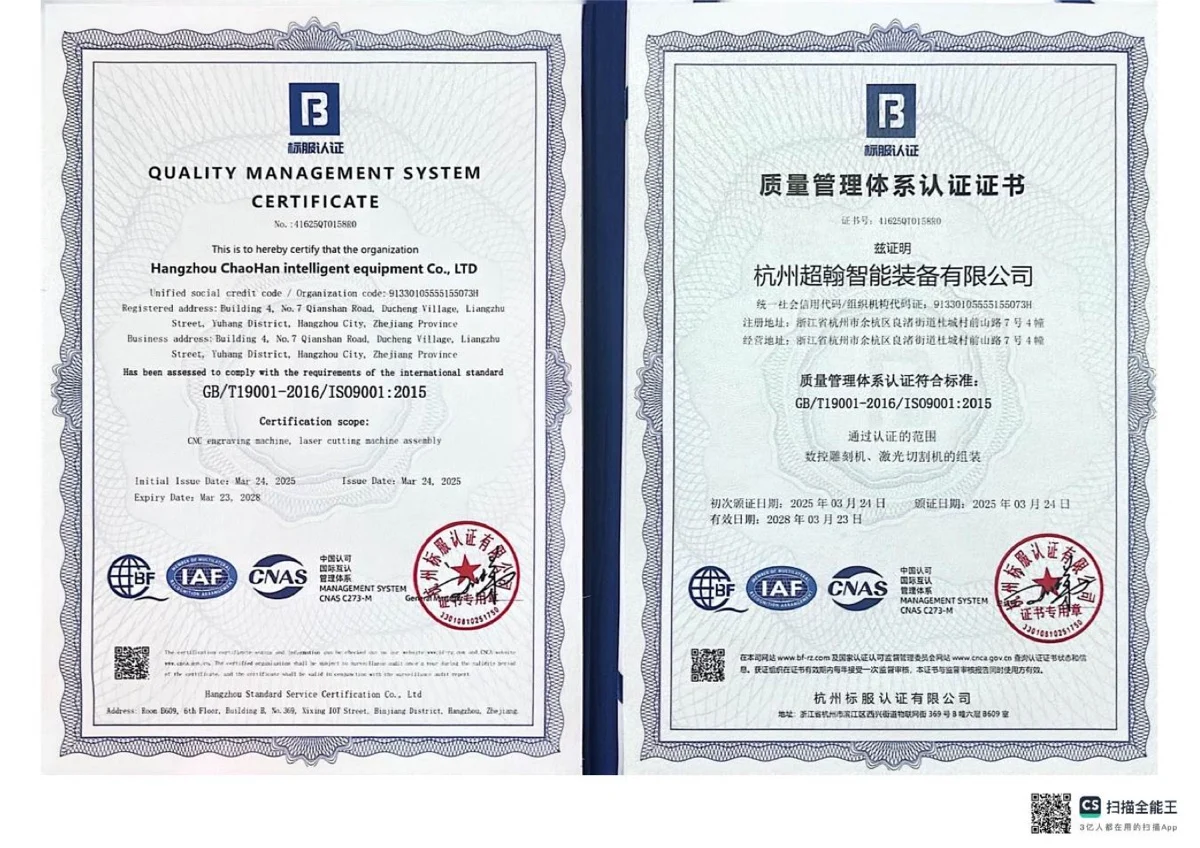
CE + ISO — Send Your Insulation for a Free Cut
- CE-marked and ISO 9001:2015 certified, built by Hangzhou Chaohan
- Send your board and a drawing — we cut it free and return the parts and edge photos
- 12-month warranty, lifetime software updates, on-site commissioning and training
CE-marked (EU 2006/42/EC), ISO 9001:2015; 8 patents incl. 1 invention patent; built by Hangzhou Chaohan, not traded.
Frequently Asked Questions
Can a knife cutter cut rigid EPS or XPS foam board?
No — a thick closed-cell EPS or XPS billet melts and drags on a blade, so that is a hot-wire CNC foam cutter’s job. A knife shears soft and faced insulation cleanly: mineral wool, glass duct board, elastomeric foam and thin faced board. Getting this split wrong is the most expensive mistake in the category.
Won’t an oscillating knife crush low-density mineral wool?
No — that is the whole point of the oscillation. A powered blade shears the fibre instead of pressing on it, and zone vacuum holds the board so it never gets compressed. A saw or a dull blade crushes and changes the local density; a shearing knife leaves the density, and the R-value, on spec.
Does it cut faced insulation without delaminating the facing?
Yes. Foil, kraft and FSK facing are cut in the same single pass as the wool, so the vapour barrier stays bonded to the board. For duct board the same head scores clean fold lines, so a flat sheet folds up into a duct without cracking the facing.
How thick a board can it cut?
Roughly up to 100 mm of soft mineral or glass wool in a single pass, and less on dense elastomeric or faced board. Most insulation work is single-pass; thicker or denser material just needs a pass count we work out from a sample cut before quoting.
Can one cutting system handle both glass wool and rockwool?
Yes — a glass wool cutting system and a rockwool cutting machine are the same oscillating-knife table with different settings. Glass wool is lighter and springier and usually arrives faced, so the priority is cutting facing and wool in one pass; rockwool is denser and dustier, so blade stroke and dust extraction at the head matter more. Both run on the same C-series table, up to roughly 100 mm in a single pass.
Why not laser-cut insulation?
Because heat ruins it. Mineral-wool binder scorches and glass releases fume; elastomeric and PIR foam melt and off-gas; and any facing simply burns. A laser also burns away a kerf. A knife adds no heat and removes no material, so the density, the facing and the edge all survive.
How much does an insulation cutting machine cost?
A production digital knife cutter with vacuum bed and conveyor runs roughly USD 12,000 to 40,000, depending on table size (1600 vs 3200 mm), tool-head configuration and whether a conveyor and camera registration are fitted. A small sample table sits near the bottom; a 3200 mm envelope-and-acoustic table near the top. Send your board list, part sizes and monthly volume for a factory-direct quote.
Which C-series model fits insulation work?
All C-series machines share one platform, software and tool range — the difference is working size. The C6090 suits sample rooms and OEM kits; the C2516T suits duct-liner and board production; the C3232 exists for board too wide for a 1600 mm table. See the full digital cutting machine range.
Insulation Cutting — Technical Guides
Knife or hot wire, faced or unfaced — the guides behind every recommendation on this page.
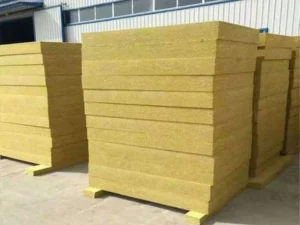
How to Cut Rockwool and Mineral Wool in Production Volumes
Cutting rockwool at production volume: blade choice, dust at the head, compression and rebound, faced board and what blades really cost.
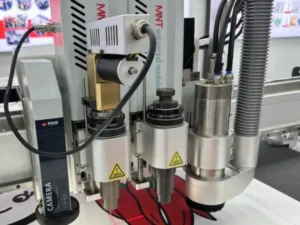
Oscillating Knife Blade Selection Chart by Material & Thickness
Which blade profile suits abrasive fibre insulation, faced board and elastomeric foam — and when to change it.
Oscillating Knife vs Laser Cutting for Leather: Which Should You Choose?
Why a blade beats a beam on any binder- or facing-bearing material: no scorched wool, no melted facing, no fume.