A digital cutting table looks like one machine category from a spec sheet, but the differences between models matter more than the similarities once material, throughput and software enter the picture.
Shops shopping for their first digital cutting table often compare bed size and price first, then discover after buying that vacuum zoning, feed method or tool head options were the variables that actually determined whether the machine fit their production — not the headline spec. A table sized right but zoned wrong wastes suction on every job; a table with the right tool head but the wrong feed method adds a manual handling step to every sheet.
These are the 12 questions worth answering before signing a quote, grouped into the five areas that actually separate one CNC-controlled digital cutting table from another.
The 12 Questions at a Glance
Use this as a pre-quote checklist — the sections below cover the reasoning behind each one.
| # | Question | Why it matters |
|---|---|---|
| 1 | How many independently switched vacuum zones? | Unused zones waste pump capacity on jobs that don’t fill the bed |
| 2 | Is the pump sized for your densest layout, not your average one? | Small-part nests expose more edge area and need more total suction |
| 3 | What’s the gasket replacement cost and lead time? | Gaskets wear from tool passes and dust — cheap replacement keeps zones sealed |
| 4 | Sheet-only, roll-only, or both? | Mixed material flow needs a table built for both, not one retrofitted for the other |
| 5 | Does the feed system handle your heaviest and thinnest material? | A feed built for rigid board can crush thin film; one built for film can slip on board |
| 6 | Which tool heads does it support out of the box? | Knife, router, drag and creasing each need different head hardware |
| 7 | Can it change tools automatically mid-job? | Manual tool swaps break automated workflow on mixed-tooling jobs |
| 8 | What’s the tool change time, in practice, not spec? | Slow changes erase the throughput benefit of multi-tool capability |
| 9 | Does the vision/camera system nest around printed marks and defects? | Determines whether registration-critical and hide/roll work is possible at all |
| 10 | Does the nesting software export directly to the controller? | A manual conversion step between nest and cut file adds time and error risk |
| 11 | What’s realistic sheet-to-sheet changeover time? | Changeover time compounds across a full production day far more than cut speed |
| 12 | What’s the spare parts and service lead time from this supplier? | Downtime cost is a function of parts availability, not just machine reliability |
Vacuum Zoning and Hold-Down (Questions 1–3)
A digital cutting table needs independently switched vacuum zones so unused areas of the bed aren’t drawing suction away from the zone where material actually sits — this matters on almost every job, since few nests fill the entire bed. Ask how many zones the table has and whether they’re switched automatically based on the job file or require a manual setting each time.
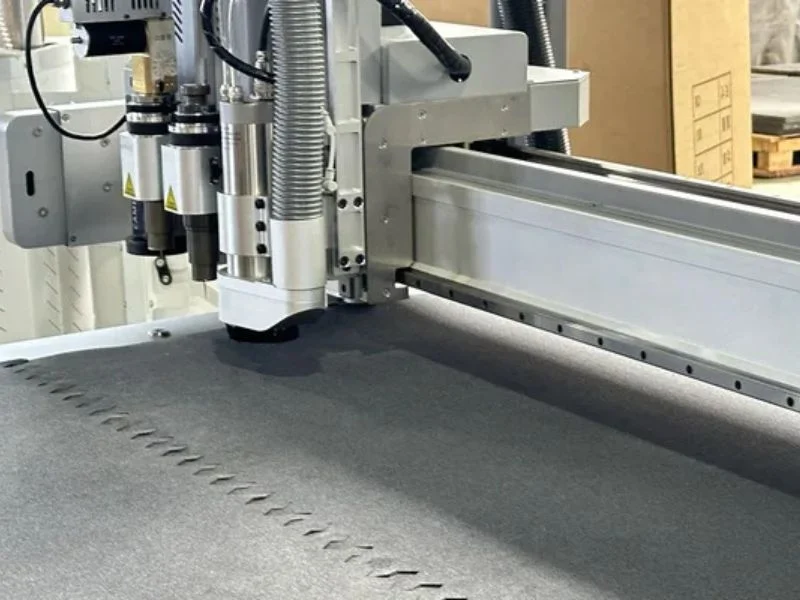
Pump sizing matters as much as zone count: a nest with many small parts exposes more total edge perimeter than a nest with a few large panels, and needs more suction to hold everything flat through the cut. Ask what pump capacity the table is rated for against your densest expected layout, not an average one — a table that holds fine on simple jobs and loses grip on detailed nests is undersized for the work you actually do. This is easy to miss during a showroom demo, where the sample nest is usually simpler than a real production job — ask to see a cut on your own densest file, not the supplier’s demonstration part.
Gasket condition determines how long that vacuum performance holds up. Ask about gasket material and replacement cost specifically — a table using a common, easily sourced gasket keeps zones sealed cheaply over years of production; one using a proprietary part costs more every time a zone starts leaking.
Feed System: Sheet, Roll, or Both (Questions 4–5)
Confirm whether the table handles sheet material, roll-fed material, or both — a table built for one and adapted for the other usually handles the adapted case worse than a table designed for both from the start. Shops running printed roll goods alongside rigid sheet stock need a feed system that manages both without a manual changeover between material types.
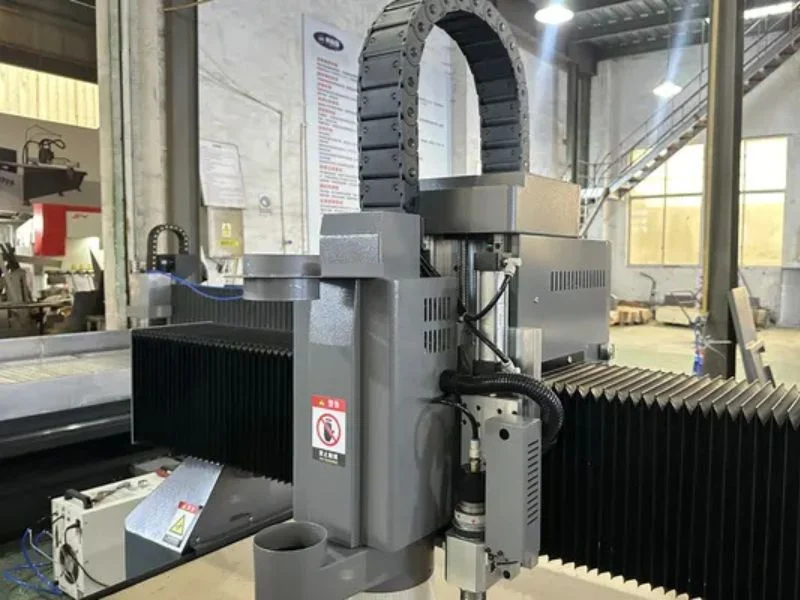
Ask specifically how the feed system handles your heaviest and thinnest material, not just your typical job. A feed mechanism tuned for rigid board can crush or mark thin film; one tuned for thin material can slip or mistrack on heavier board — and blade or bit kerf width can shift slightly with feed inconsistency, which matters on tight-tolerance nests. If your material range spans both ends, get a test cut on your actual heaviest and thinnest stock before buying, not just a mid-range sample.
Tool Head Options and Automatic Tool Changing (Questions 6–8)
Confirm which tool heads the table supports natively — oscillating knife, rotary knife, drag knife, router, creasing wheel — and whether it can switch between them automatically within one job, since manual tool swaps break the automated workflow that’s the whole point of buying a digital cutting table.
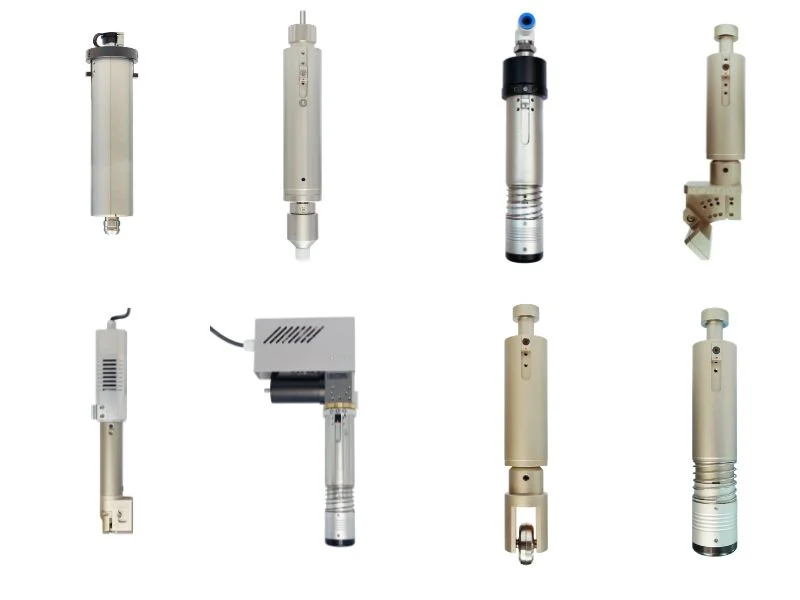
Ask about tool change time in practice, not the spec sheet number — a change rated at a few seconds in ideal conditions can run longer with real tooling and wear. On jobs that combine multiple tool types in one nest, that per-change time multiplies across the job and can erase the throughput advantage multi-tool capability is supposed to provide. See our oscillating knife cutting machine page for tool head options on knife-based platforms specifically.
Vision Registration and Nesting Software (Questions 9–10)
If any of your work involves printed material, patterned hides, or defect-prone rolls, confirm the camera or vision system reads registration marks and nests around flagged defects — without this, printed and hide-based work either can’t run on the table or requires manual marking that erases much of the automation benefit.
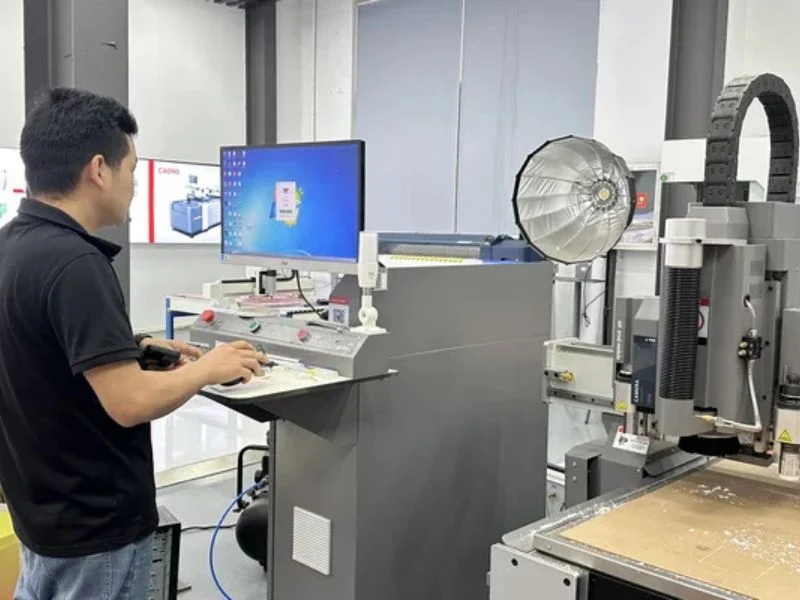
Confirm the nesting software exports directly to the controller as a ready-to-run toolpath. Some packages generate a layout but require a separate CAM conversion step before the machine can run it — a gap that adds time and a place for errors between the nest you approved and the file the machine actually runs. See our nesting software and panel yield guide for how to evaluate the software layer on its own economic terms.
Changeover Time and Support (Questions 11–12)
Ask for a realistic sheet-to-sheet changeover time under normal operating conditions, not a best-case number — changeover time compounds across a full production day in a way that raw cutting speed often doesn’t, especially on shorter-run jobs. A table that cuts fast but takes several minutes to reload and re-register loses much of that speed advantage on high-mix, low-volume work.
Ask about spare parts availability and service lead time from the specific supplier quoting the machine, not just the brand’s general reputation. Downtime cost is driven far more by how quickly a worn part or failed component can be replaced than by how rarely the machine breaks down in the first place — a common part in stock beats a rare failure on a machine with a six-week parts lead time.
Get specifics rather than a general assurance: which parts are stocked locally versus shipped from the factory, what the typical turnaround is for a blade holder, gasket or vacuum motor, and whether the supplier offers remote diagnostics before a technician visit is even scheduled. A supplier who can answer these questions in detail on the sales call is a better signal than one who only offers a general warranty statement.
These questions apply across rubber, composite, oscillating knife and flatbed cutting platforms — see our rubber cutting machine, carbon fiber cutting machine and flatbed cutter pages for how they apply to your specific material.
Frequently Asked Questions
How many vacuum zones does a digital cutting table need?
Most production shops are well served by four to six independently switched zones — enough to concentrate suction on typical nest sizes without wasting pump capacity on empty bed area. Very large-format tables may need more.
Can one digital cutting table handle both sheet and roll material?
Many can, but confirm the feed system was designed for both rather than one adapted for the other — ask for a test cut on your actual heaviest and thinnest material before buying.
Is automatic tool changing worth the added cost?
It’s worth it for shops running mixed-tooling jobs regularly — knife plus router, or knife plus creasing wheel, in the same nest. For single-tool-type production, the added complexity may not pay back as quickly.
What’s a realistic changeover time between sheets?
This varies by table and material, but it’s worth asking suppliers for a real-world number under your typical job mix rather than a best-case spec figure — changeover time affects daily throughput more than most buyers expect going in.
Does nesting software need to come from the same company as the machine?
Not necessarily, but confirm the software’s export format is one the controller reads directly without a manual conversion step in between.
How much does spare parts availability actually matter?
Significantly — a common, quickly available part beats a rare machine failure rate on equipment with a long parts lead time. Ask about typical turnaround for common wear parts before buying, not just after something breaks.