
Flatbed Cutter — Camera Print-to-Cut for Board, Vinyl & Textile
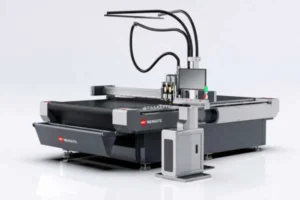
MNT (MEINAITE) flatbed cutters finish printed and unprinted sheet on a vacuum bed — contour cut, crease, kiss-cut and V-groove, from one file.
- Camera registration — the cut follows the printed marks, not the sheet edge, so the image stays square on every panel
- Every finishing tool on one carriage — oscillating knife, drag blade, creasing wheel, V-cut and router spindle
- Board and roll on the same bed — rigid sheet, corrugated, foam board, vinyl and textile
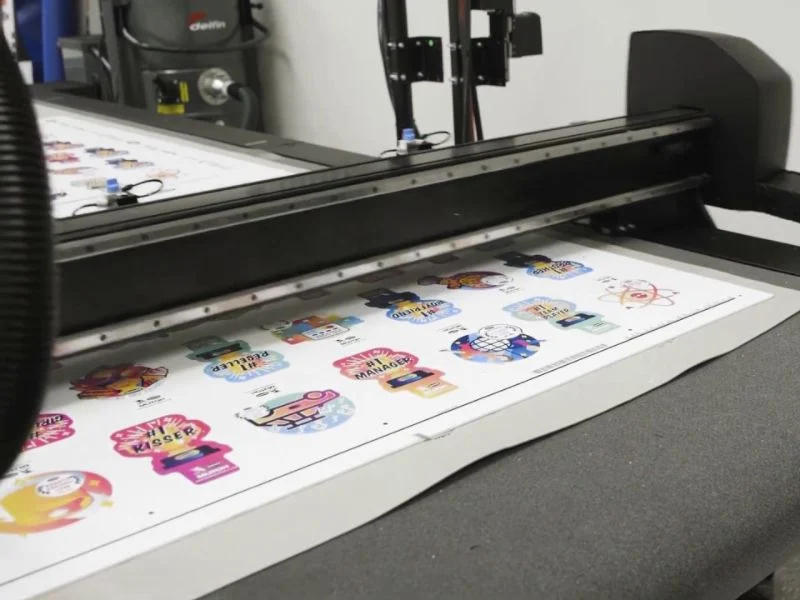
What a Flatbed Cutter Is For
A flatbed cutter is the finishing half of digital printing. The printer produces the image; the flatbed cutter turns it into a product — contour-cut standees, creased cartons, kiss-cut decals, grooved and folded panels. It sits at the end of the line, and it is usually the bottleneck once printing goes digital, because print output became variable while finishing stayed tooled.
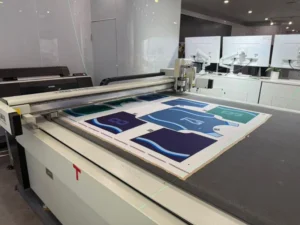
The defining capability is registration. The machine reads printed marks with a camera and cuts relative to the image rather than the sheet edge. Printed material stretches, skews and shifts between print and finishing — without registration the cut wanders across a run and every panel is slightly off, which on a photo panel or a shelf talker is the entire product.
What one bed replaces
- The die cutter, for anything under a few thousand pieces. No tooling cost, no tooling lead time, and a design revision is a file revision.
- The vinyl plotter, for rigid material it cannot handle at all.
- The table saw and the guillotine, for board that has to be cut to shape rather than to size — and cut without the operator drawing on it first.
- Hand finishing, which is where the errors and the labour actually are.
Flatbed cutter, knife cutter, die cutter — the same machine family, different job
«Flatbed cutter» is the print-and-signage industry’s name for the machine. Converting and gasket shops call the same platform an oscillating knife cutting machine, and packaging shops call it a digital die cutter. The gantry and the vacuum bed are the same; what differs is which tool heads are fitted and whether camera registration is needed. If your material arrives printed, you want registration — that is the practical dividing line, and it is what this page is about.
Corrugated board rather than printed graphics? Packaging shops buy the same platform for a different reason: sample boxes and short-run cartons, where creasing quality and board flute matter more than print registration. That view is on our cardboard cutting machine page.
Machine specifications compared. Two of these are knife tables and one is a router that also carries a knife, which is the whole decision. The C2516T and C3232 feed material continuously off a belt and cut flexible stock all shift; the T7 gives up belt feeding in exchange for a 40,000 RPM spindle and nine tool stations, so it earns its place only when the same part needs routing as well as knife work.
| Specification | C2516T | T7 | C3232 |
|---|---|---|---|
| Cutting area | 2500 × 1600 mm | 1300 × 2500 mm | 3200 × 3200 mm |
| Material thickness | ≤ 50 mm (material dependent) | 100 mm Z-axis clearance | ≤ 50 mm (material dependent) |
| Oscillating knife | EOT standard · POT optional | High-frequency electric | POT and EOT standard |
| Milling spindle | Standard · 800 W / 1.8 kW / 4 kW | Water-cooled, 40,000 RPM | Optional |
| Tool changer | — | Linear · 9 stations (T7-1325), 6 (T7-3020ATC) | — |
| Vision (print-and-cut) | — | CCD positioning | — |
| Speed | 300–1800 mm/s | 35 m/min processing · 80 m/min travel | 300–1800 mm/s |
| Worktable | Vacuum adsorption | 4-zone vacuum, 500 kg load | Vacuum adsorption |
| Continuous belt feeding | Yes | — | Yes |
Materials a Flatbed Cutter Handles
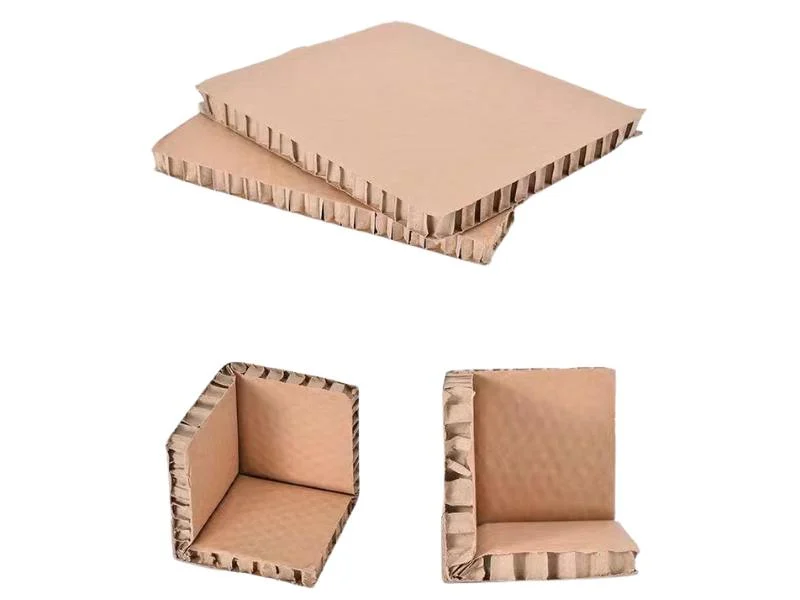
Corrugated & Folding Carton
- Formats: B, C, E and F flute corrugated, greyboard and folding boxboard, 0.3–15 mm
- Watch out: Board needs creasing as well as cutting, and a crease pressed with the wrong wheel cracks the printed liner right where the customer folds it
- How we cut it: Creasing wheel and cutting blade on the same carriage, with crease depth set per flute so the fold is clean and the print survives
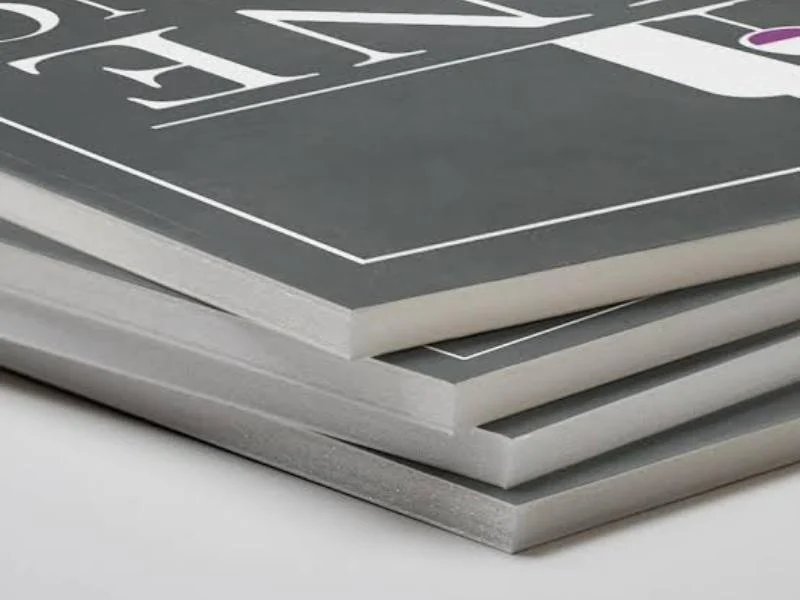
Foam Board, PVC Board & ACM
- Formats: Foam core 3–10 mm, expanded PVC 3–20 mm, aluminium composite 2–6 mm
- Watch out: Each one fails differently — foam board tears at the liner, PVC melts under a laser and releases chlorine, ACM has a metal skin a blade cannot enter
- How we cut it: Knife for the boards, router spindle for ACM, V-groove for folded panels — all in one setup on one datum
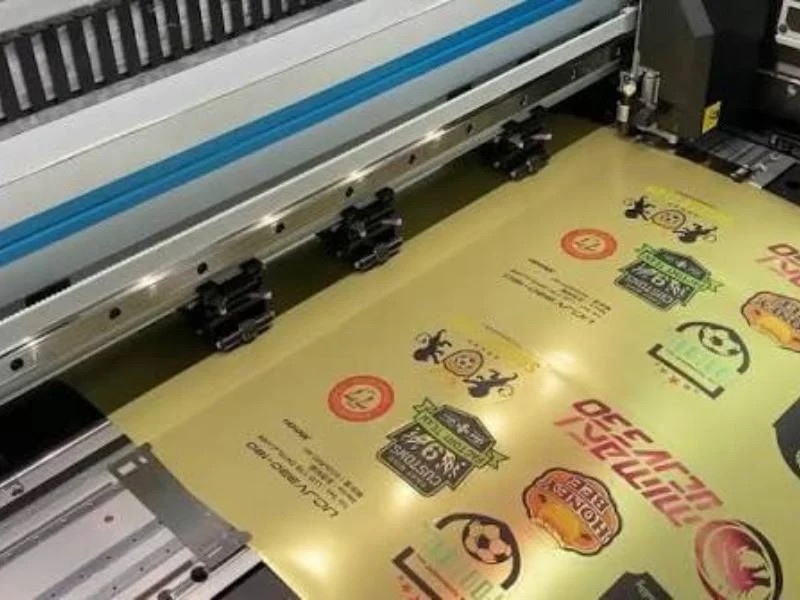
Vinyl, Film & Self-Adhesive
- Formats: Printed vinyl, laminated graphics, PET and PP film, static cling and magnetic sheet
- Watch out: Kiss-cutting has to part the face material and stop at the liner — a fraction too deep and the backing separates, too shallow and the decal will not weed
- How we cut it: Depth-controlled drag blade with camera registration, so the cut follows the printed artwork rather than the sheet
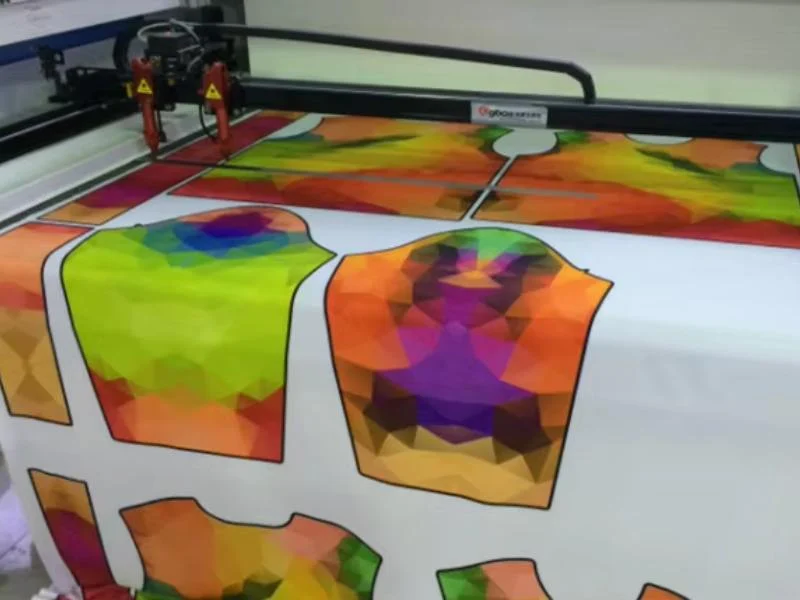
Textile, Banner & Soft Signage
- Formats: Printed polyester, mesh banner, blockout PVC banner and soft signage fabric
- Watch out: Fabric moves under the head and frays at the edge, and printed textile stretches between printing and finishing so nothing lines up by measurement
- How we cut it: Zoned vacuum holds it flat, camera registration finds the actual printed position, and the blade shears instead of pulling
What Print Shops Finish on a Flatbed

POP Displays & Standees
- Parts: Contour-cut standees, shelf talkers, counter units and floor displays
- The hard part: Campaigns are short and shapes change every time — any die is obsolete before it earns back its cost
- What you get: Cut straight from the printed sheet the same day, with no tooling and no setup charge
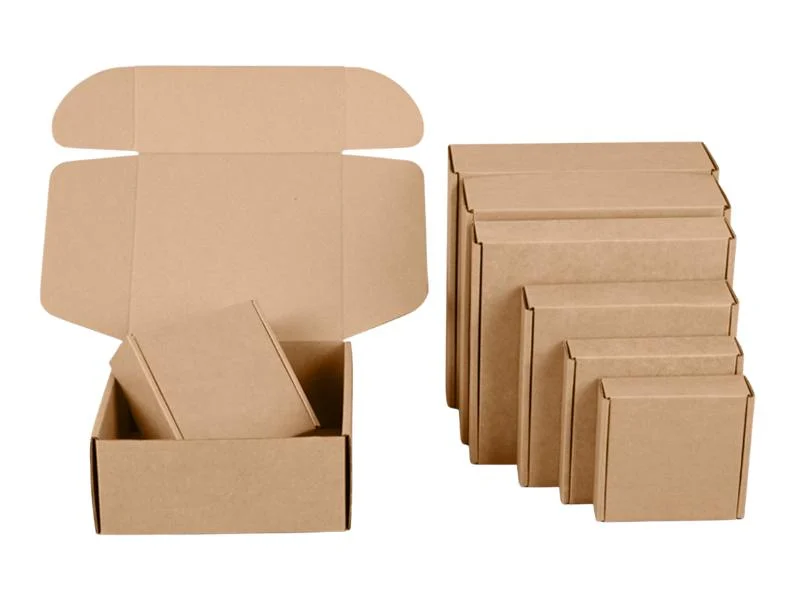
Packaging Samples & Short Runs
- Parts: Cartons, sleeves, inserts and protective packaging, from single samples upwards
- The hard part: Sampling on a die cutter means paying for tooling before the customer has approved anything
- What you get: Cut and creased from CAD the same day, so the sample ships before a competitor has quoted tooling
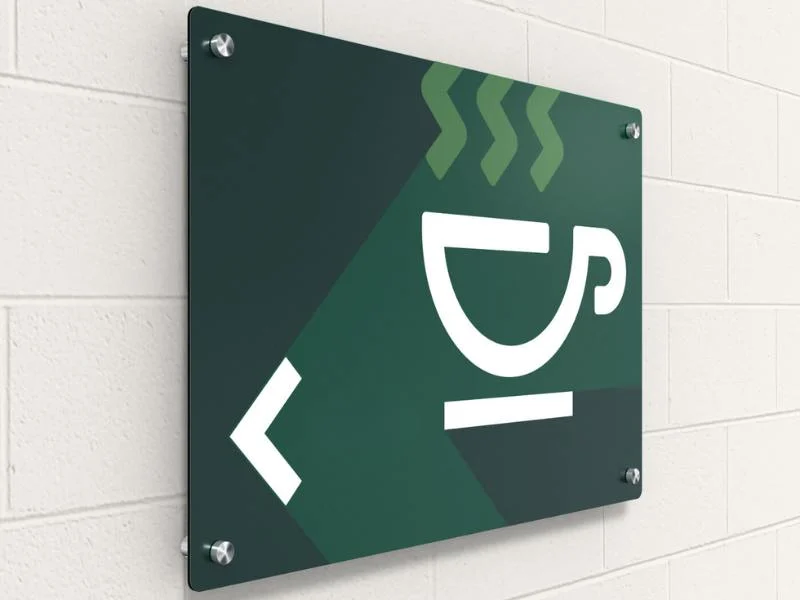
Signage, Panels & Wayfinding
- Parts: Shaped panels, letters, wayfinding signs and exhibition graphics
- The hard part: Signage is cut to shape rather than to size, and hand-cutting a full sheet leaves an edge that is visible on the finished sign
- What you get: Full-sheet cutting in one placement, with V-groove for folded ACM panels and clean edges that install unfinished
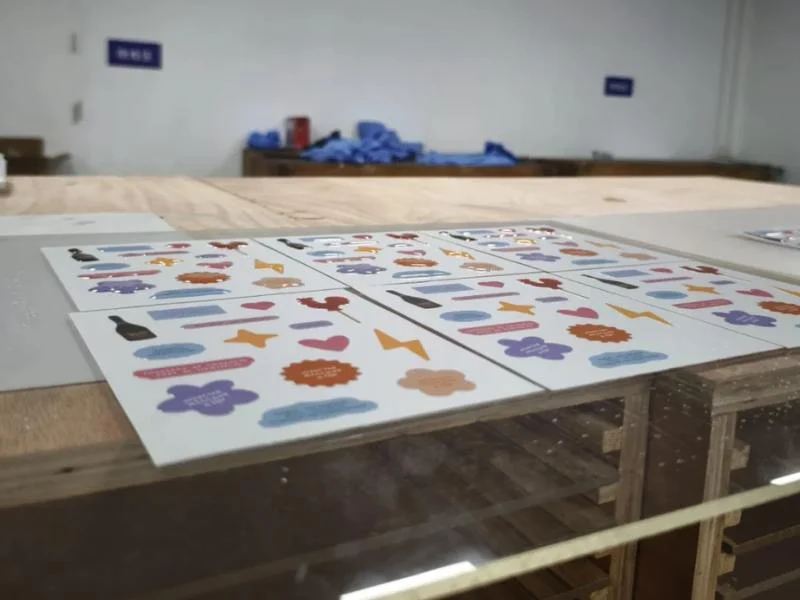
Decals, Labels & Overlays
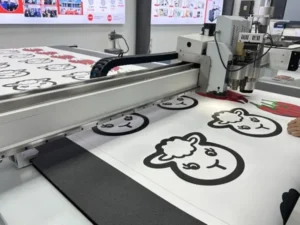
- Parts: Kiss-cut decal sheets, control-panel overlays and printed stickers
- The hard part: Everything here depends on the cut matching the print exactly, and printed sheet never comes back from the printer the size it left
- What you get: Camera registration reads the printed marks and cuts to the image at ±0.1 mm across the run
Recommended MNT Flatbed Cutters
Pick by bed width and by whether your material arrives printed — registration is the feature that decides the configuration.
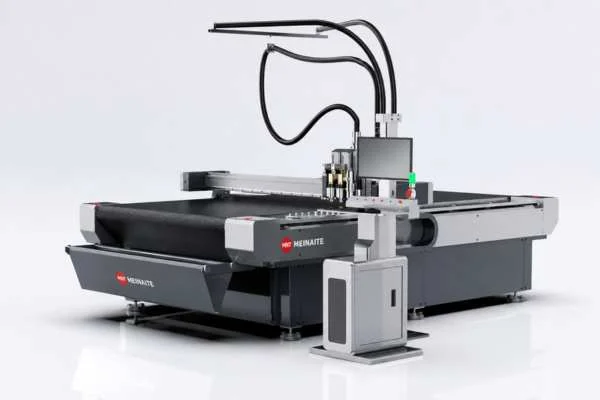
C2516T Digital Cutting Machine
- Cuts: Board, corrugated, foam board, vinyl, textile and gasket stock
- Specs: 2500 × 1600 mm · oscillating knife + drag knife + creasing + milling spindle · zone vacuum · conveyor
- Best for: The mainstream print-finishing choice — roll and sheet on one bed
- Price: From $16,900
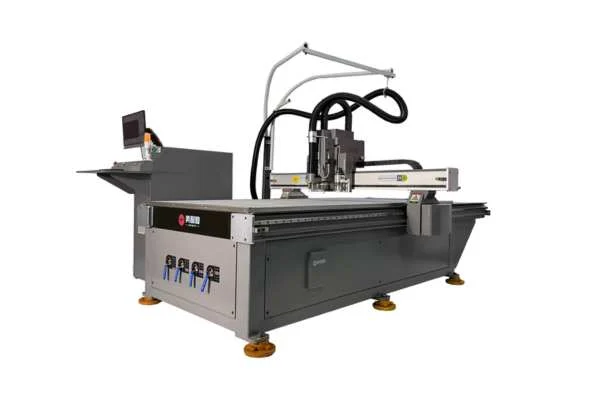
T7 Digital Engraving & Cutting Machine
- Cuts: Printed board and rigid panel needing both knife and spindle work
- Specs: ATC router spindle and oscillating knife head · vision registration · full-sheet bed
- Best for: Shops finishing rigid signage where ACM and acrylic run alongside board
- Price: From $17,800
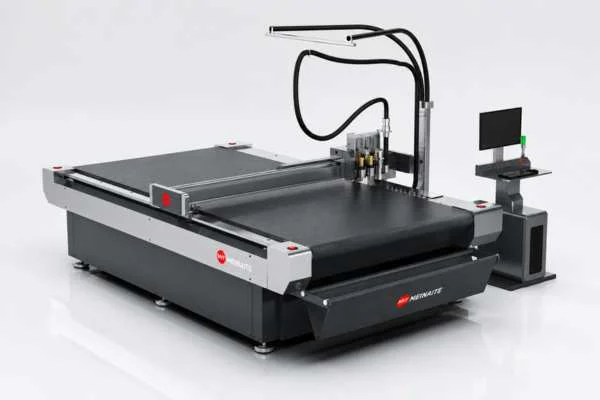
C3232 Digital Cutting Machine
- Cuts: Oversized banner, soft signage and wide-format board
- Specs: 3200 × 3200 mm · pneumatic + electric oscillating knife · zone vacuum
- Best for: Anything wider than a 1600 mm bed — exhibition and large-format work
- Price: From $11,555
What Actually Decides a Flatbed Cutter Purchase
Flatbed cutters look alike in a brochure. Three specifications separate a machine that keeps up with a digital press from one that becomes the bottleneck.
| Spec | Why it decides throughput |
|---|---|
| Registration | Without a camera the cut follows the sheet, not the image. Printed stock shifts — every panel ends up slightly off |
| Vacuum zoning | Decides the smallest part you can cut safely and whether light film lifts. Undersized pumps are why machines throw parts |
| Tool heads fitted | Cut plus crease plus kiss-cut in one program, or three passes and three chances to lose registration |
| Conveyor feed | Only matters if you run roll material; on rigid board it is optional |
| Headline speed | The least useful number — loading and unloading usually costs more time than cutting |
Three things print shops get wrong
- Buying on cutting speed. On short-run finishing, the machine spends most of its time waiting for someone to load and unload. A faster gantry does not fix that; a second table or a conveyor does. The International Sign Association publishes production benchmarks worth checking your own numbers against, and substrate suppliers such as 3A Composites list the board grades and thicknesses these machines are specified around.
- Underestimating what registration is worth. If your material arrives printed, registration is not a nice-to-have — it is the difference between a saleable panel and a reprint.
- Expecting it to replace a die cutter at volume. A flatbed wins on short runs, samples and frequent changes. Past a few thousand identical pieces, a die is faster per part and the tooling cost disappears into the volume. We will say so rather than sell you a machine you will outgrow.
Why Print Shops Choose an MNT Flatbed Cutter
The European flatbed brands set the standard for this category and price accordingly. We build the same class of platform and sell it factory-direct. About MNT (MEINAITE) — who builds it and where.
Distributor or OEM partner? Territory, spare-parts commitment and technical training are what decide whether a machine is worth carrying. Talk to us about partnership.
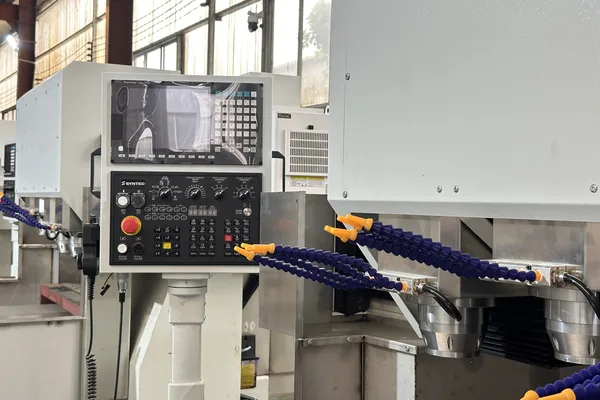
Registration and Hold-Down That Hold Up
- Camera registration to ±0.1 mm, reading printed marks rather than the sheet edge
- Zoned vacuum specified from your lightest film and your thickest board
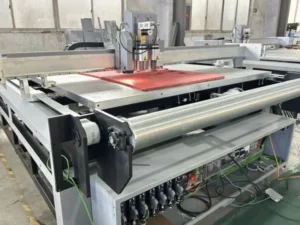
- Conveyor feed for roll goods, so long runs do not need repositioning
- For distributors: print shops already have a finishing budget going out the door to a die-cutting subcontractor — you are converting an existing spend, which is a far shorter conversation than creating one
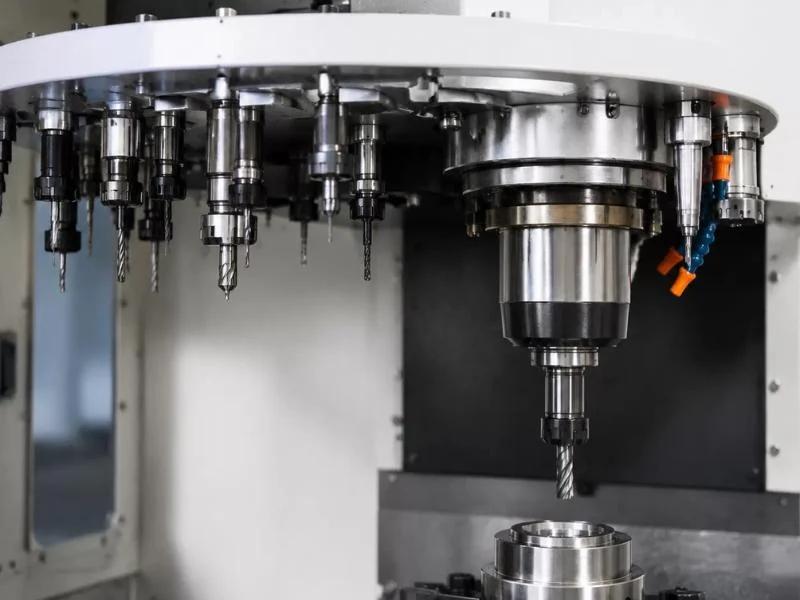
Every Finishing Tool on One Carriage
- Oscillating knife, drag blade, creasing wheel, V-cut and router spindle
- Cut, crease and kiss-cut in one program — no second pass, no lost registration
- Factory-direct pricing on a platform class that normally carries a European price tag
- For distributors: spare-parts commitment, territory and technical training are the three things that decide whether a machine is worth carrying — all three are set out on our partnership page
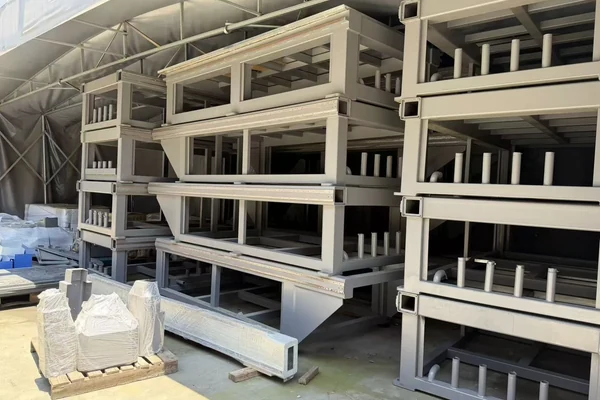
The Factory That Builds Your Flatbed Cutter
- Frames, gantries and vacuum tables built in-house by Hangzhou Chaohan
- Every machine run-tested and calibrated before shipping
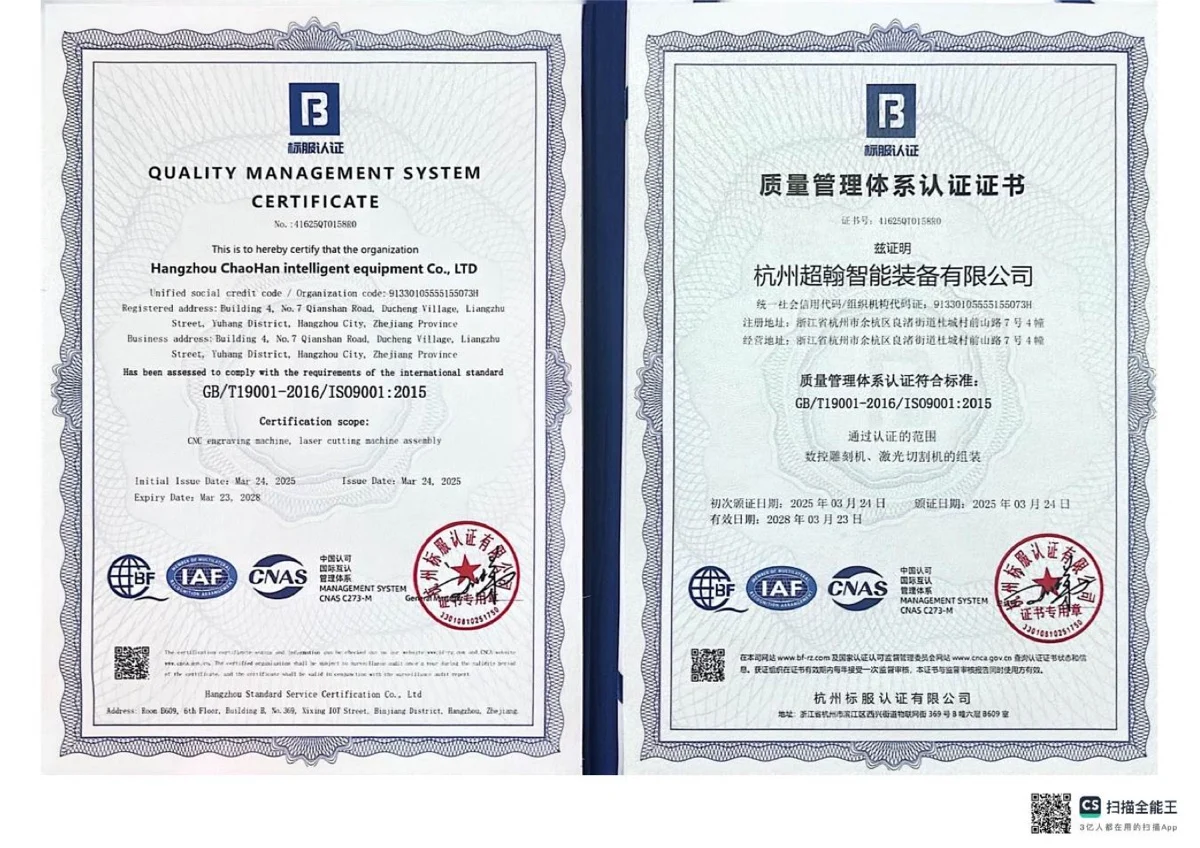
CE + ISO — Send a Printed Sheet for a Free Registration Test
- CE-marked and ISO 9001:2015 certified, built by Hangzhou Chaohan
- Send a printed sheet and we cut it — registration accuracy is easier to show than to describe
- 12-month warranty, lifetime software updates, on-site commissioning and training
Registration accuracy is verified on our own printed test sheets before shipping. Send a printed sample and we return the cut parts with photos.
Frequently Asked Questions
What is a flatbed cutter?
A CNC table that finishes sheet material on a vacuum bed — contour cutting, creasing, kiss-cutting and V-grooving from a digital file. It is the finishing half of digital printing: the press makes the image, the flatbed turns it into a product. The defining feature is camera registration, which lets the machine cut relative to the printed artwork rather than the sheet edge.
How is it different from an oscillating knife cutting machine?
Same platform, different industry vocabulary and different configuration. Print and signage shops say «flatbed cutter»; converting and gasket shops say oscillating knife cutting machine; packaging shops say digital die cutter. The practical difference is registration: if your material arrives printed you need a camera, and if it does not you can spend that budget on tool heads instead.
How accurate is print-to-cut registration?
±0.1 mm on our machines, reading printed registration marks with a camera before each sheet. That matters because printed stock never comes back the size it left — paper and vinyl stretch and skew through the press and the laminator. Cutting to the sheet edge instead of the image is the single most common cause of a run where the first panel is right and the last one is not.
How much does a flatbed cutter cost?
Roughly USD 15,000 to 60,000 depending on bed size, camera registration, how many tool heads are fitted and whether a conveyor is included. The European brands in this category typically sit well above that range for a comparable platform; we sell factory-direct, which is most of the difference. Tell us your material, sheet size and monthly volume for a quote.
Can it cut and crease in one pass?
Yes — creasing wheel and cutting blade are on the same carriage, so a carton is creased and cut in one program without re-registering. Crease depth is set per board flute, which matters more than it sounds: a crease pressed with the wrong wheel cracks the printed liner exactly where the customer folds it.
Will it replace our die cutter?
For short runs, samples and anything that changes design, yes — and it removes the tooling cost and lead time entirely. Past a few thousand identical pieces a die is still faster per part, because the tooling cost disappears into the volume and a die cuts a whole sheet in one stroke. Most shops end up running both and routing jobs by quantity.
What is kiss-cutting and can it do it reliably?
Kiss-cutting parts the face material while leaving the backing liner intact — how decal and label sheets are made. It needs depth control measured in tenths of a millimetre: too deep and the liner separates, too shallow and the decal will not weed. The drag head has depth adjustment for exactly this, and we set it against your specific material during the sample cut.
Can it handle both rigid board and roll material?
Yes. Rigid board sits on the vacuum bed; roll material feeds through a conveyor so long runs advance without repositioning. The conveyor only matters if you actually run rolls — a rigid-signage shop can put that budget into tool heads instead. Tell us your mix and we configure it accordingly.
Flatbed Cutting — Technical Guides
Configuration, registration and process choice for digital finishing.
How to Choose a Digital Cutting Table: 12 Questions to Ask Before You Buy
Twelve questions to ask before buying: registration, vacuum zoning, tool heads and the specs that quietly decide throughput.
Digital Die Cutting vs Steel-Rule Die: Cost, Speed, and When to Switch
Cost, speed and the exact volume at which a steel-rule die finally beats a flatbed cutter.
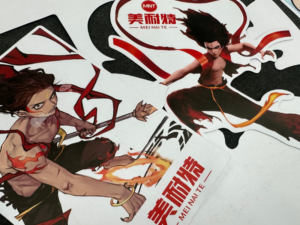
Kiss-Cut vs Die-Cut: What’s the Difference (and When to Use Each)
What the difference actually is, and when each one belongs on a decal or label job.
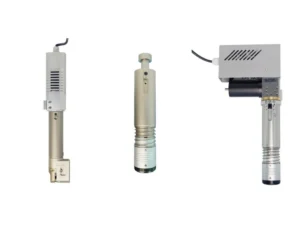
Oscillating Knife vs Rotary Knife vs Drag Knife: Which Tool for Which Material
Which head for which material, and what happens when you pick the wrong one.
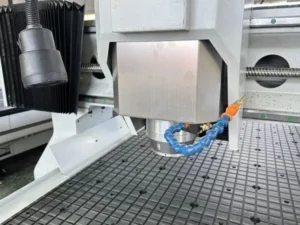
T3 Vision CNC Router Print-to-Cut Workflow Guide
A print-to-cut workflow end to end, from registration marks to finished panel.
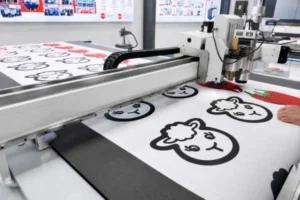
Oscillating Knife vs Laser Cutting for Leather: Which Should You Choose?
Knife versus laser on edge quality — the same reasoning that keeps printed material off a laser.
Send a Printed Sheet for a Free Registration Test
Send a printed sheet with your registration marks. We cut it on an MNT flatbed, return the parts and show you the actual registration accuracy — easier to see than to describe.