
CNC Router for Aluminum
MNT (MEINAITE) M-series machining centres mill, drill and tap aluminium plate, profile and composite panel — on a rigid frame built for metal rather than for wood.
- Rigidity is the whole answer — aluminium does not need more power, it needs a frame that does not flex
- Coolant or MQL — chips cleared and the cutter kept cool, so material does not weld back into the cut
- Mill, drill and tap in one setup — threaded holes finished on the machine, not on a bench
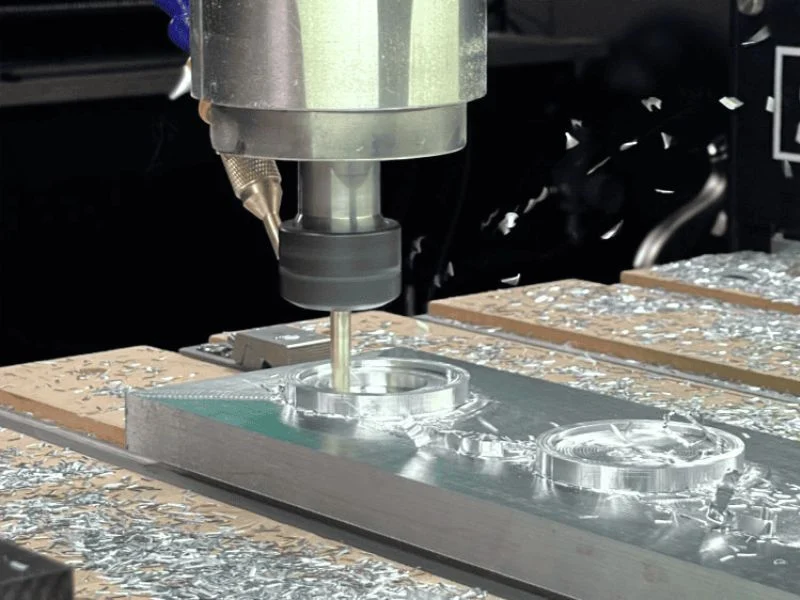
Can a CNC Router Actually Cut Aluminum?
Yes — but not every machine sold as a CNC router can, and the ones that cannot will still let you try. That is what makes this the most common disappointment in the category: the spindle spins, the cutter enters the material, and the result is chatter marks, a welded chip, a snapped end mill, or all three.
Aluminium does not demand more power. It demands rigidity, chip clearance and the right feed. A wood-grade gantry deflects under side load, and deflection is what causes chatter; chatter breaks cutters. A rigid frame with proper coolant lets a modest spindle cut aluminium all day.
The four things that decide whether it works
- Frame rigidity. The single biggest factor. A heavy, stress-relieved frame with ground guides and preloaded ball screws holds the cutter where the program put it.
- Chip evacuation. Aluminium chips are sticky. Left in the slot they re-cut, weld to the flute and snap the tool. Coolant, MQL or air blast is not optional.
- Feed, not speed. Too slow and the cutter rubs instead of cutting, which generates heat and welds material to the flute. Correct chip load is counter-intuitively faster than most operators expect.
- Tooling. Single- or two-flute uncoated carbide with polished flutes, made for aluminium. A four-flute steel cutter packs with chips within one pass. Alloy designations and temper data come from the Aluminum Association, which is the reference we work from when setting parameters.
Router, laser or machining centre — which one for aluminium
| What you need | Right machine |
|---|---|
| Flat aluminium sheet, 2D profiles and holes, high volume | Fiber laser — faster, no tool wear, no chips |
| Pockets, steps, threads, chamfers — anything with depth | CNC router / machining centre — this page |
| Profile and extrusion, drilled and tapped to length | This page |
| Contoured 3D parts and formed panels | Five axis router |
| Thick steel and hard metals | A metal machining centre, not a gantry |
The honest line: if your aluminium work is flat outlines and holes, a laser will beat this machine on throughput and we will tell you so. A router earns its place the moment the part needs a pocket, a thread or a step — features a beam cannot produce at all.
Which class of machine is honest for your aluminium? Thin sheet, 6063 profile, 5052 soft plate, ACM and signage are router work — an MNT T-series precision router, the same class sign shops already run for acrylic and ACP, does it well. Thick 6061 plate, structural parts, tapped holes and production volume need the rigidity of a machining centre. This page walks that gradient rather than pretending one machine is right for all of it; if your work is mostly thin aluminium and panel, start on the acrylic & ACP router side.
Machine specifications compared. Aluminium punishes a soft machine: chatter shows up as a poor finish long before it shows up as a broken cutter, so frame and drive matter more than the spindle label. The M1631 puts an 11 kW water-cooled spindle on ground ball screws; the M3015 trades a kilowatt for direct drive and the tighter published numbers (±0.02 mm positioning, ±0.01 mm repeatability) — that is the trade to weigh, not the power figure.
| Specification | T5 | M1631 | M3015 |
|---|---|---|---|
| Working area | 1300 × 2500 mm | 3000 × 1500 mm (X/Y), Z 150 mm | 3000 × 1500 mm |
| Spindle | 5.5 kW water-cooled | 11 kW ATC water-cooled | 9.0 kW air-cooled ATC |
| Max spindle speed | — | 18,000 RPM | — |
| Tool changer | — | 8-position disc, NBT40 | 8-tool disc-type ATC |
| Positioning accuracy | — | 0.025 mm over full travel | ±0.02 mm |
| Repeatability | — | 0.025 mm/m | ±0.01 mm |
| Drive | Imported racks (X/Y), ground ball screw (Z) | C5 ground ball screw, HIWIN guides | Direct-drive XYZ, ground guides & ball screws |
| Max processing speed | — | X/Y 30 m/min rapid | 35 m/min |
| Worktable | Vacuum | 2-zone vacuum | 4-zone vacuum |
Aluminium and Metals We Machine
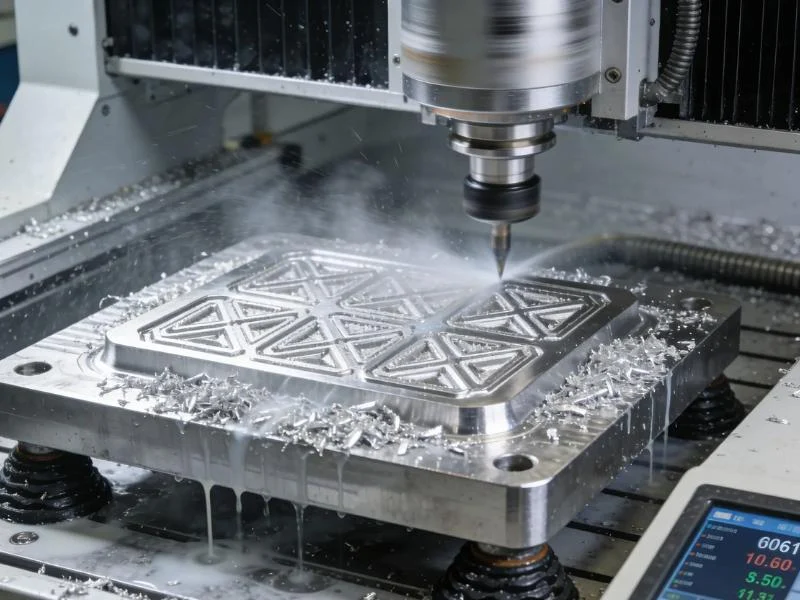
6061 & 6082 Plate
- Formats: Structural plate 3–60 mm, in tooling, marine and general engineering grades
- Watch out: The workhorse alloy, and the one that punishes a slow feed — rub instead of cut and the chip welds itself to the flute, taking the cutter with it
- How we cut it: Correct chip load with flood coolant or MQL, single- or two-flute carbide, and a frame rigid enough to hold the feed steady
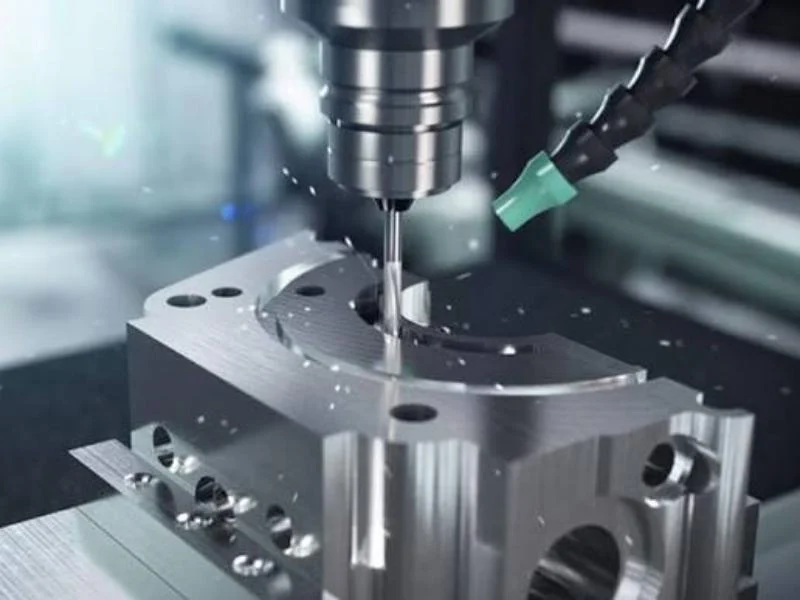
6063 Extrusion & Profile
- Formats: Window, curtain-wall, LED and frame extrusion, cut, drilled, tapped and notched to length
- Watch out: Profile is hollow and springs under clamping — over-clamp and you distort the section, under-clamp and it moves during the tap
- How we cut it: Profile fixturing that supports the web, with drilling and tapping done in the same setup as the cut-off
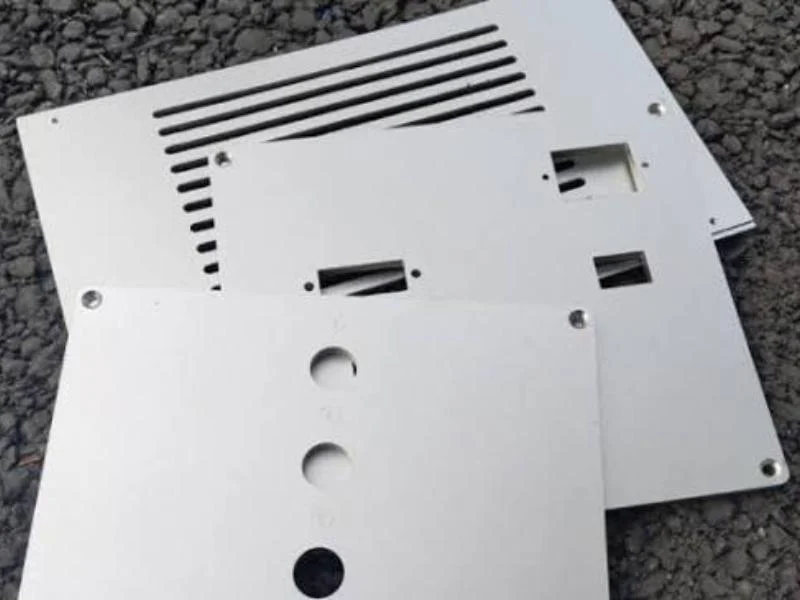
5052 & Soft Sheet
- Formats: Marine and forming grades, 1–10 mm sheet
- Watch out: Soft alloys are gummy: they smear rather than chip, load the flutes fast, and leave a torn rather than cut edge
- How we cut it: Polished-flute tooling with high chip load and continuous air or coolant so the chip leaves the slot immediately
ACM, Composite Panel & Brass
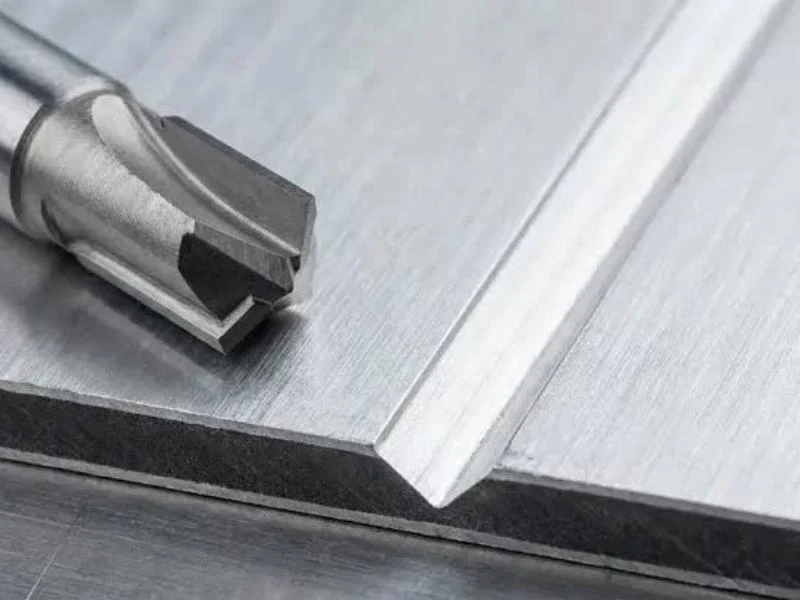
- Formats: Aluminium composite panel 2–6 mm, honeycomb panel, plus brass and copper for trim and fittings
- Watch out: ACM has an aluminium skin over a plastic core, so a knife cannot cut it and a laser leaves a melted core edge showing at the fold
- How we cut it: V-grooving for clean folds and through-cutting in one setup; brass and copper machine on the same platform
Aluminium Parts Cut and Milled to Drawing
Machine Frames & Structural Parts
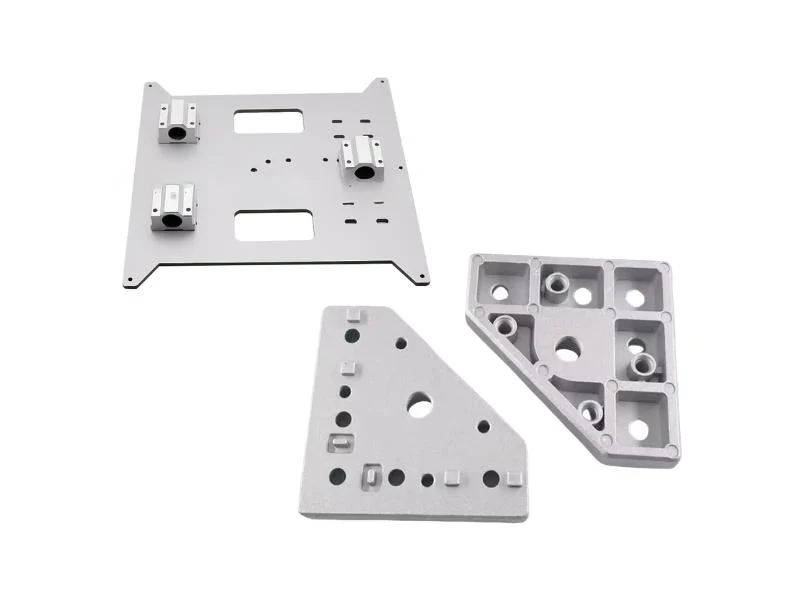
- Parts: Base plates, brackets, mounting faces and extrusion assemblies
- The hard part: These parts carry alignment for everything bolted to them — a mounting face milled out of flat transfers its error into the whole machine
- What you get: Faces milled and holes drilled from one datum in one setup, so the assembly aligns without shimming
Signage, Facade & Architectural
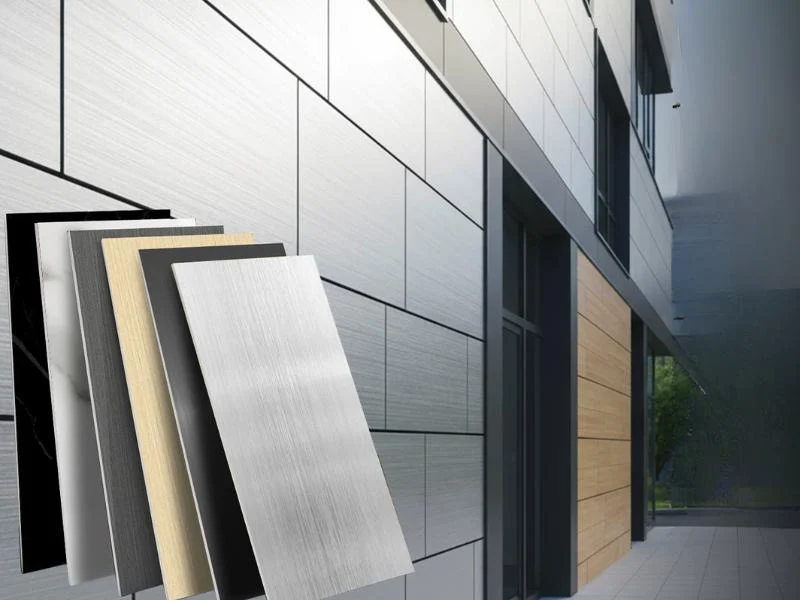
- Parts: ACM facade panels, letters, frames and curtain-wall components
- The hard part: Facade panels are folded after cutting, and a V-groove that is 0.2 mm too deep cracks at the fold while too shallow will not fold square
- What you get: Depth-controlled V-grooving that folds crisply every time, plus through-cuts and fixing holes in the same program
Moulds, Jigs & Fixtures
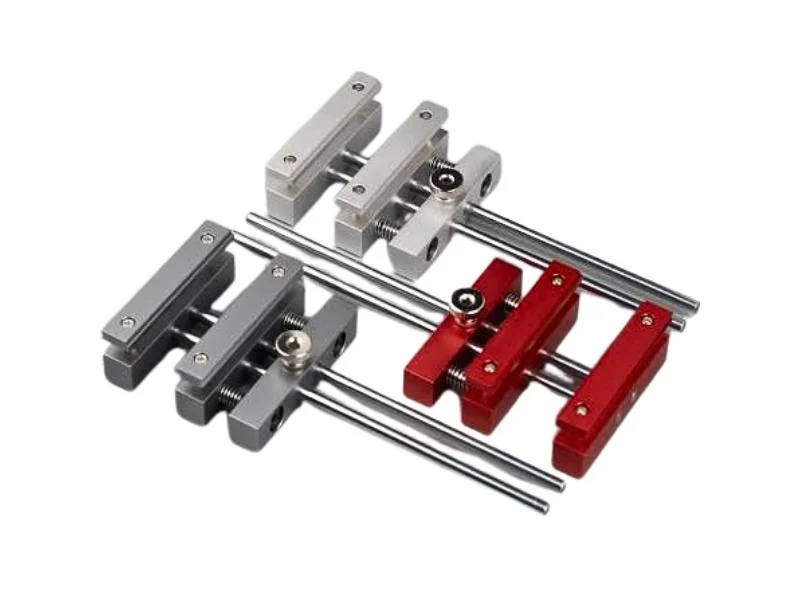
- Parts: Aluminium tooling plate, vacuum fixtures, jigs and short-run moulds
- The hard part: Tooling is one-off by definition, so there is no volume to absorb a setup error — and the part it produces inherits every mistake
- What you get: Pockets, steps and threaded holes machined to drawing, at a tolerance the parts made from it can live with
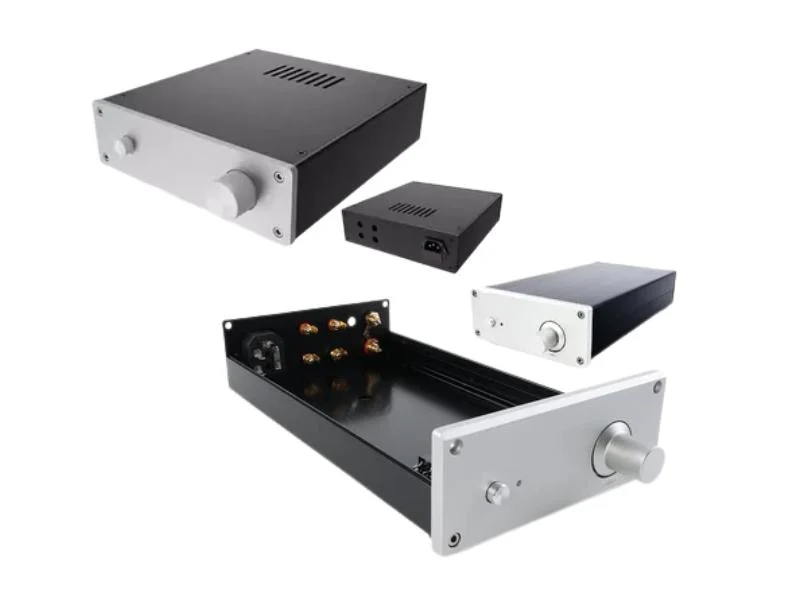
Enclosures, Panels & Heat Sinks
- Parts: Machined panels, electronics enclosures, cutouts and heat-sink profile
- The hard part: Cutouts for connectors and displays have to fit parts you did not make — and a laser cannot produce the counterbore or the tapped hole they mount into
- What you get: Profile, pocket, counterbore and thread finished on the machine, so nothing goes to a bench drill afterwards
Recommended MNT Machines for Aluminum
Aluminium work is decided by frame rigidity and bed size. Pick by part envelope — and if your work is flat outlines only, ask us about a fiber laser instead.
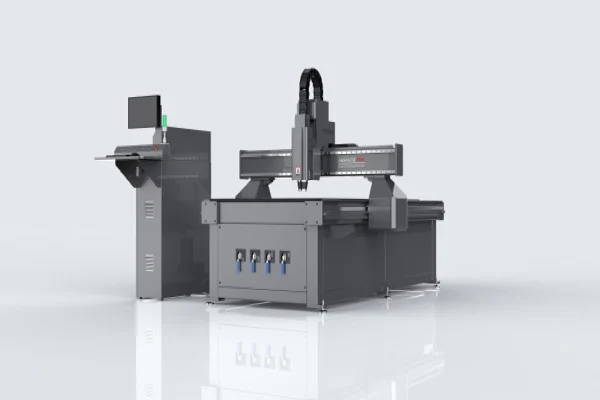
T5 Precision CNC Router
- Cuts: Thin aluminium sheet, 6063 profile, 5052 soft plate, ACM and signage aluminium
- Specs: Precision ball-screw router · single high-speed spindle · vacuum/clamp bed · air or mist cooling
- Best for: Sign, profile and thin-plate work where a router — not a machining centre — is the right buy
- Price: From $8,900
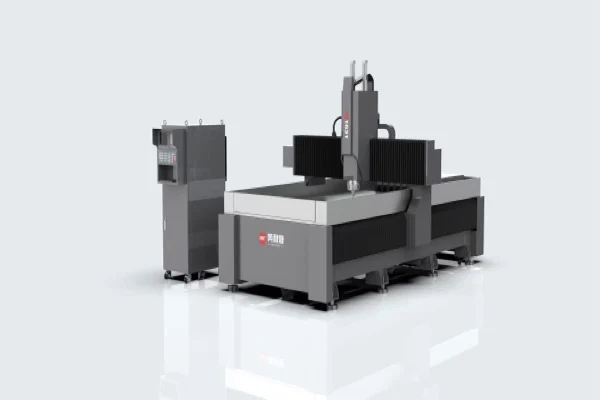
M1631 CNC Machining Center
- Cuts: Aluminium plate, profile, ACM, brass and engineering plastics
- Specs: Compact rigid frame · ball-screw drive on all axes · coolant/MQL · ATC options
- Best for: Precision parts, tooling and fixtures rather than full-sheet volume
- Price: From $32,600
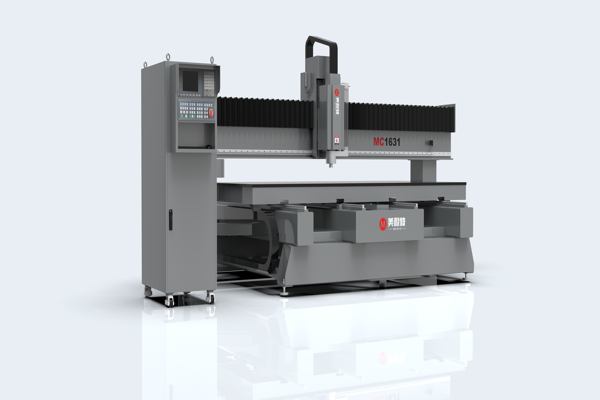
M3015 CNC Machining Center
- Cuts: Larger aluminium plate, profile assemblies and composite panel
- Specs: 3000 × 1500 mm class bed · heavy welded frame · ATC · coolant system
- Best for: General fabrication where parts outgrow a compact bed
- Price: From $34,100
Why Most Routers Fail on Aluminum
Almost every entry-level CNC router is advertised as aluminium-capable, and almost all of them technically are — once, slowly, with a shallow cut and a lot of luck. Production is a different question.
| Wood-grade router | Machine built for aluminium | |
|---|---|---|
| Frame | Light, bolted | Heavy welded, stress-relieved, machined after annealing |
| Drive | Belt or rack | Preloaded ball screws — no backlash under side load |
| Chip clearance | Air blast at best | Flood coolant or MQL |
| Spindle | High rpm, low torque | Torque at usable rpm for metal |
| Result on 6061 | Chatter, welded chips, broken cutters | Production cutting, all day |
Three things buyers get wrong
- Going too slow. The instinct with metal is to ease off the feed. On aluminium that is exactly backwards — too slow and the cutter rubs, heat builds, and material welds to the flute. Correct chip load feels alarmingly fast the first time.
- Wrong tooling. A four-flute coated cutter meant for steel packs solid with aluminium chips within one pass. Aluminium wants one or two flutes, polished, uncoated — Sandvik Coromant publishes chip-load data per alloy, and it is worth following rather than guessing.
- Expecting laser throughput. If the part is a flat outline with holes, a fiber laser will beat this machine several times over. Buy a router for depth — pockets, steps, threads, chamfers — not for profiles a beam can do faster.
Why Fabricators Choose MNT for Aluminum
On metal, everything comes back to the frame — spindles and controls are commodity, rigidity is not. About MNT (MEINAITE) — who builds it and where.
Distributor or OEM partner? Territory, spare-parts commitment and technical training are what decide whether a machine is worth carrying. Talk to us about partnership.
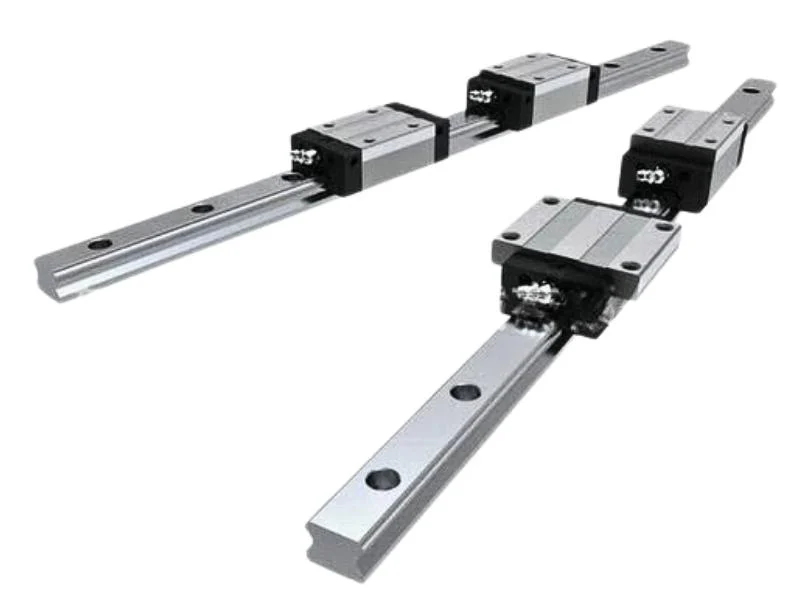
Frame and Drive Built for Metal
- Heavy welded frame, stress-relieved after welding and machined after annealing
- Preloaded ball screws and ground guides — no backlash when the cutter loads sideways
- Rigidity specified from your thickest cut, not from a catalogue figure
- For distributors: aluminium job shops sit in every industrial estate and already own machine tools — the purchase does not need board approval, which shortens your cycle more than any discount would
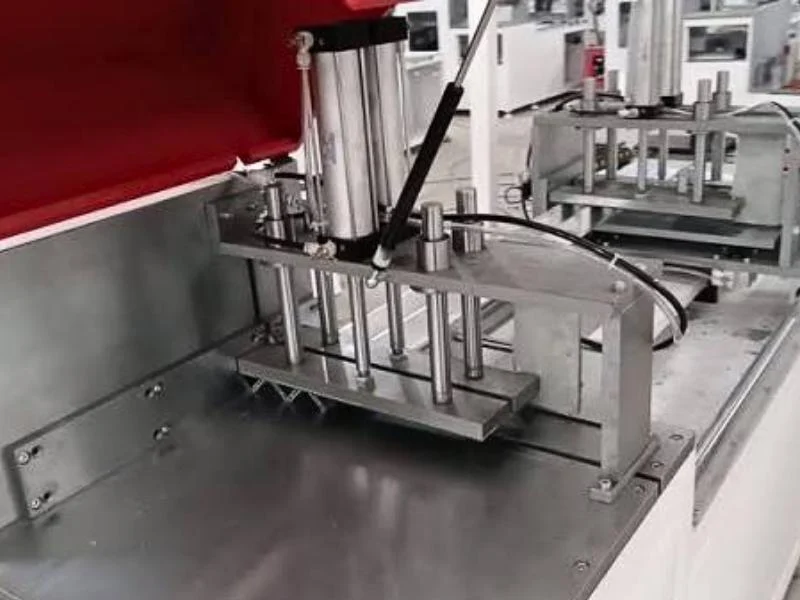
Chips Cleared, Threads Finished
- Flood coolant or MQL so chips leave the slot instead of re-cutting
- Drilling and tapping on the machine — no bench operation after the cut
- Feeds, speeds and tooling recommended per alloy from our own test cuts
- For distributors: spare-parts commitment, territory and technical training are the three things that decide whether a machine is worth carrying — all three are set out on our partnership page
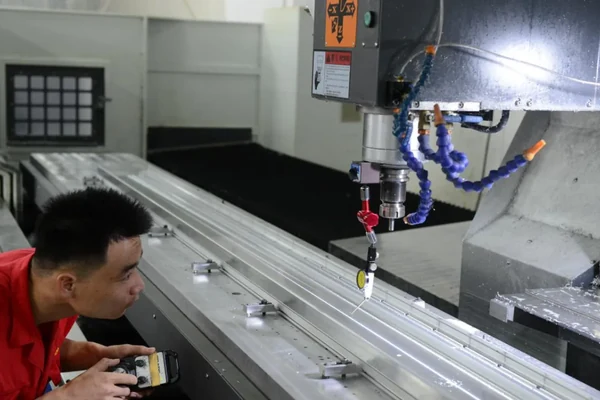
The Factory That Builds Your Machining Centre
- Frames welded, annealed and machined in-house by Hangzhou Chaohan
- Every machine run-tested and calibrated before shipping
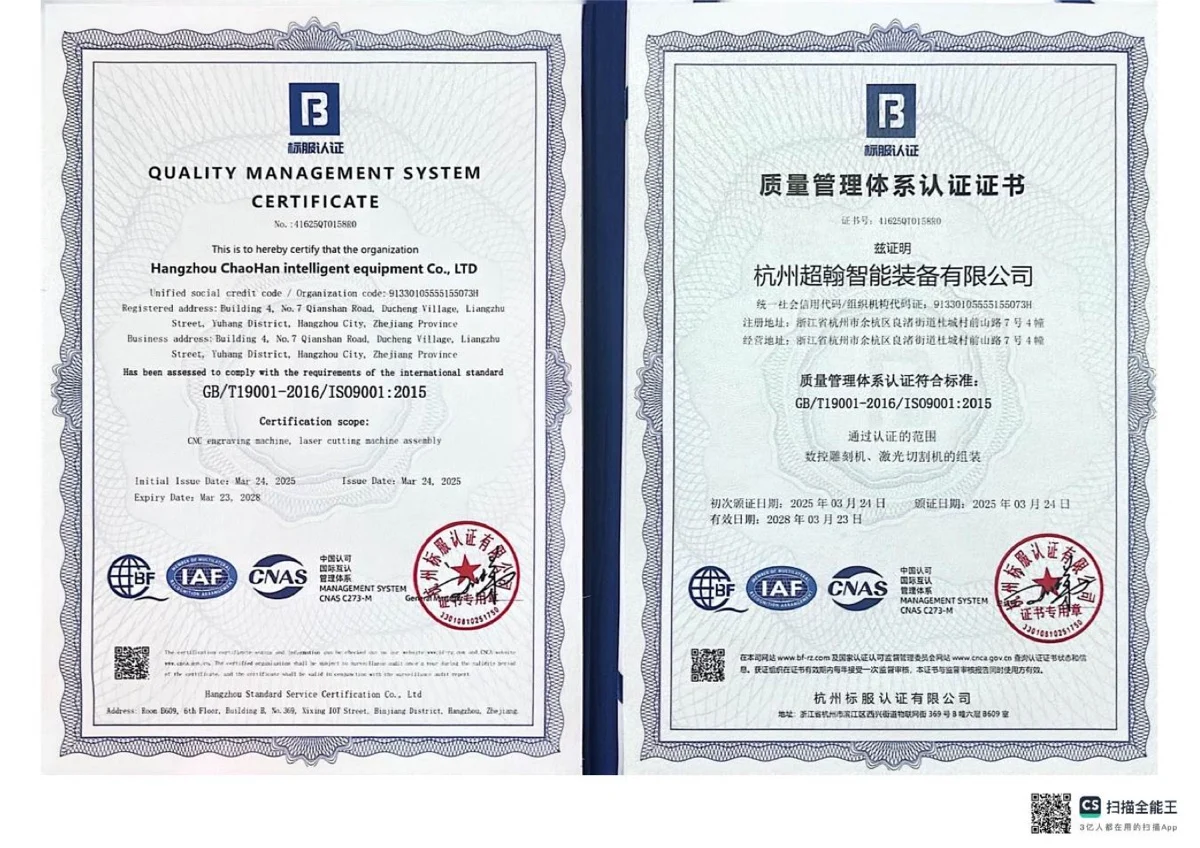
CE + ISO — Send a Drawing for a Free Aluminum Sample
- CE-marked and ISO 9001:2015 certified, built by Hangzhou Chaohan
- Send a drawing and your alloy — we machine a sample and send photos of the finish
- 12-month warranty, lifetime support, on-site commissioning and training
Feeds, speeds and tooling per alloy come from our own test cuts on the M-series build we ship. Sample parts machined on request before you commit.
Frequently Asked Questions
Can a CNC router cut aluminum?
Yes, and routinely — provided the machine is rigid enough. Aluminium does not need more spindle power; it needs a frame that does not deflect, chips cleared out of the slot, and the correct feed. A wood-grade gantry flexes under side load, which causes chatter, which breaks cutters. That is why most disappointments in this category are frame problems being blamed on the spindle.
Which aluminium alloy is easiest to machine?
6061 and 6082 are the easiest — they chip cleanly and are what most tooling data is written for. 6063 extrusion machines well but is hollow, so fixturing matters more than cutting. 5052 and other soft grades are the hardest, not because they are strong, but because they are gummy: they smear instead of chipping and load the flutes fast. Tell us your alloy and we set the feeds accordingly.
Do I need coolant, or is air enough?
Air blast works for shallow cuts in thin material. For anything with depth you want flood coolant or MQL — not primarily to cool the part, but to get the chip out of the slot. An aluminium chip left in the cut is re-cut, welds to the flute, and takes the cutter with it. This is the single most common cause of broken end mills on aluminium.
Router or fiber laser for aluminium?
Depends entirely on whether the part has depth. Flat outlines and through-holes: the fiber laser wins, several times over — no tool wear, no chips, far faster. Pockets, steps, counterbores, chamfers or threads: only a router can produce them, because a beam cuts through or not at all. Many shops run both and route the job by feature, not by material.
How much does a CNC router for aluminum cost?
It depends which class the work needs. A precision router for thin aluminium, 6063 profile and signage runs roughly USD 12,000–30,000; a machining centre genuinely built for thick 6061 plate and production volume runs USD 30,000 to 120,000, depending on bed size, frame class, spindle, ATC and coolant. The machines to avoid are the ones in between — wood-grade gantries sold as aluminium-capable, which flex under side load and disappoint in production. An MNT T-series router is purpose-built with a ball-screw drive, not a repurposed wood frame. Send your alloy, thickest cut and monthly volume for a factory-direct quote.
Can it drill and tap?
Yes — and doing it on the machine is most of the point. Threads cut in the same setup as the profile share the same datum, so the tapped hole is exactly where the drawing says relative to the machined face. Sending parts to a bench drill afterwards reintroduces the positioning error the machine just eliminated.
What cutter and feed are best for aluminium?
Use a single-flute or O-flute carbide end mill so the soft, gummy chips clear the slot instead of welding to the tool; a two- or three-flute for finishing passes. Choose an uncoated polished or ZrN-coated cutter — avoid TiN, which reacts with aluminium — and keep the chip load up, around 0.05–0.1 mm per tooth, so the edge cuts rather than rubs. As a starting point on 6061, a ⌀6 mm single-flute at ~18,000 rpm and 2,000–3,000 mm/min works; the full recipe by alloy and diameter is in the feeds-and-speeds guide below. Under-feeding — not lack of spindle power — is what welds aluminium to the cutter and snaps it.
Will it cut aluminium composite panel (ACM)?
Yes, including V-grooving for folded facade panels. ACM is an aluminium skin over a plastic core, so a knife cannot cut it and a laser leaves a melted core edge that shows at the fold. Groove depth is controlled to fold crisply without cracking — too deep splits the skin, too shallow will not fold square.
What about steel and stainless?
A gantry router is built for aluminium and non-ferrous work. Steel and stainless belong on a metal machining centre or, for sheet and tube, on a fiber laser — asking a gantry to do heavy ferrous removal is how frames and spindles get damaged. We would rather point you to the right machine than sell you this one for the wrong job.

Aluminum Machining — Technical Guides
Machine selection, drive types and upkeep for metal and panel milling.
How to Choose a CNC Machining Center for Acrylic and Aluminum
Frame class, spindle and coolant — how to size a machining centre against the alloys and thicknesses you actually run.
Direct Drive vs Rack and Pinion CNC Machines
Drive types and where each belongs, including why ball screws are used where side load matters.
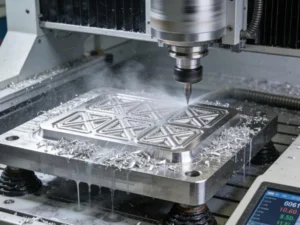
Feeds and Speeds for Aluminum: Why Going Slower Breaks Cutters
Chip load, flute count and coolant by alloy — why going slower is the most common and most expensive mistake on aluminium.
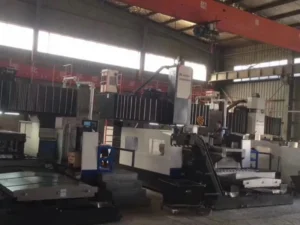
M1631 vs M3015 vs M4020 CNC Machining Center Comparison
Which M-series bed and frame class matches your part envelope and volume.
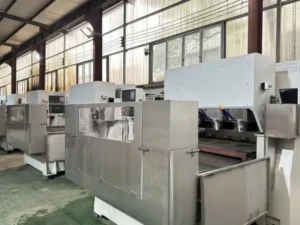
CNC Machining Center Maintenance Checklist
Ball screws, guides, coolant and spindle — the checks that keep a metal machine accurate past year one.
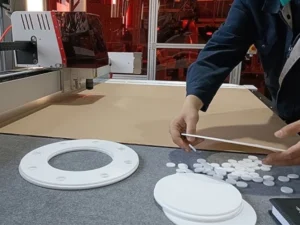
CNC Router vs Waterjet for Thick PTFE Plate
How process choice shifts with material and thickness, applied to the non-metal side of the same question.
Send a Drawing for a Free Aluminum Sample Cut
Send your drawing, alloy and thickest cut. We machine a sample, send photos of the finish, and tell you honestly if a fiber laser would serve the job better.