
CNC Router for UHMW, HDPE and Polyethylene
MNT (MEINAITE) CNC routers cut UHMW, HDPE and PP sheet with sharp positive-rake tooling at reduced spindle speed — because polyolefin is the one plastic family you slow down for, not speed up.
- Lower RPM, not higher — UHMW softens early and conducts heat badly, so a fast spindle smears the polymer onto the edge instead of shearing it off
- Workholding is the real job — the sheet is soft enough to mark under a clamp and thin enough for a vacuum table to pull out of flat
- Full sheet in one placement — liners and wear strips come off a large table without a second setup and a second datum
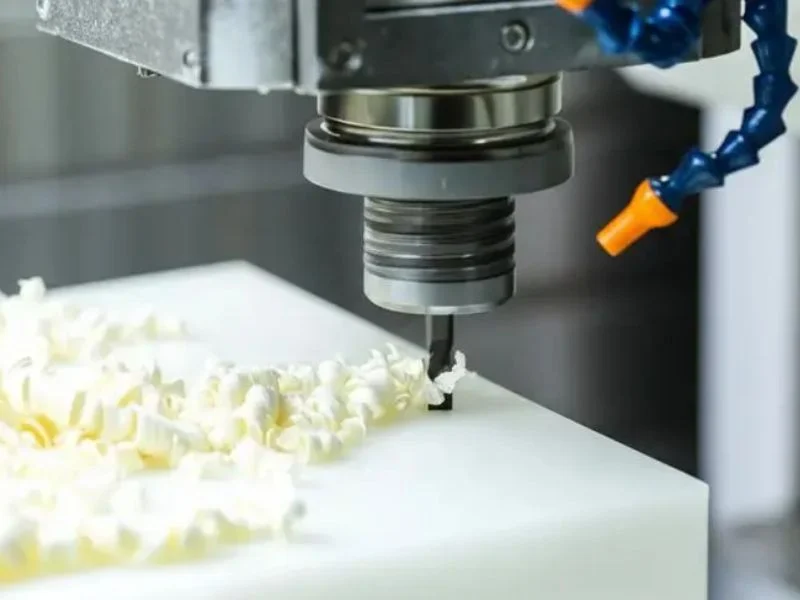
Why UHMW Is the One Plastic You Slow Down For
Most plastics machining advice reduces to one sentence: feed fast, keep the chip load up, never let the tool rub. Acrylic melts if you go slowly. Acetal grows if it gets warm. PEEK wants a real chip. UHMW is the exception — and a shop that carries the standard plastics recipe into polyolefin gets gummed tooling and a part nowhere near size.
The reason is the polymer. UHMW-PE is a subset of HDPE with extremely long molecular chains; that is where the wear resistance and the near-PTFE friction come from, and it is also why the material smears rather than cuts once it heats. It softens at a far lower temperature than the engineering plastics above it, conducts heat poorly, and welds itself to any edge that is not genuinely sharp. Reduced spindle speed, high positive rake and enough feed to keep the tool moving are what produce a clean cut.
The second problem is that it is soft. A clamp leaves a mark. A vacuum table will pull thin sheet out of flat — holding the part and distorting it at the same time. And with thermal expansion around 200 × 10⁻⁶/K, roughly twenty times steel and nearly double acetal, a 2 m liner cut in a cold workshop is a different length in a warm one. On polyolefin, workholding and measuring conditions are not housekeeping details; they are the job. Grade and property data for stock shapes are published by Röchling, whose sheet we cut regularly.
Where a router fits, and where it does not. For thick plate, liners, machined wear parts and anything with pockets or bolt patterns, milling is the route. For thin sheet gaskets and flat parts under a few millimetres, an oscillating knife is often faster and cheaper — we will tell you when that is the case rather than sell you the wrong machine.
Machine specifications compared. UHMW and HDPE are soft, gummy and dimensionally restless — they move after the cut, so rigidity and hold-down matter more than raw spindle power. Sheet size is the first fork, and it is not a straight line: the T2 and the standard T7-1325 both stop at 1300 × 2500 mm, the T7-3020ATC opens that to 2000 × 3000 mm, and only the M4020 takes a 4000 × 2000 sheet whole.
| Specification | T2 | T7 | M4020 |
|---|---|---|---|
| Working area | 1300 × 2500 mm | 1300 × 2500 mm (T7-1325) · 2000 × 3000 mm (T7-3020ATC) | 4000 × 2000 mm |
| Spindle | 3.0 kW air-cooled | Water-cooled, 40,000 RPM | 9.0 kW air-cooled ATC |
| Tool changer | — | Linear · 9 stations (T7-1325), 6 (T7-3020ATC) | 8-tool disc-type ATC |
| Positioning accuracy | — | 0.05 mm / 300 mm | ±0.025 mm |
| Repeatability | — | 0.05 mm / 300 mm | ±0.01 mm |
| Max processing speed | — | 35 m/min | 60 m/min |
| Drive | Hybrid stepper-servo | Leadshine servo (X/Y/Z) | Rack-and-pinion dual-drive moving gantry |
| Worktable | — | 4-zone vacuum, 500 kg load | Multi-zone vacuum hold-down |
| Net weight | 1500 kg | — | 5000 kg |
Polyolefin Grades We Machine
One polymer family, four stiffnesses and a single shared failure mode: heat makes all of them gum. What changes between them is how much speed you can get away with.
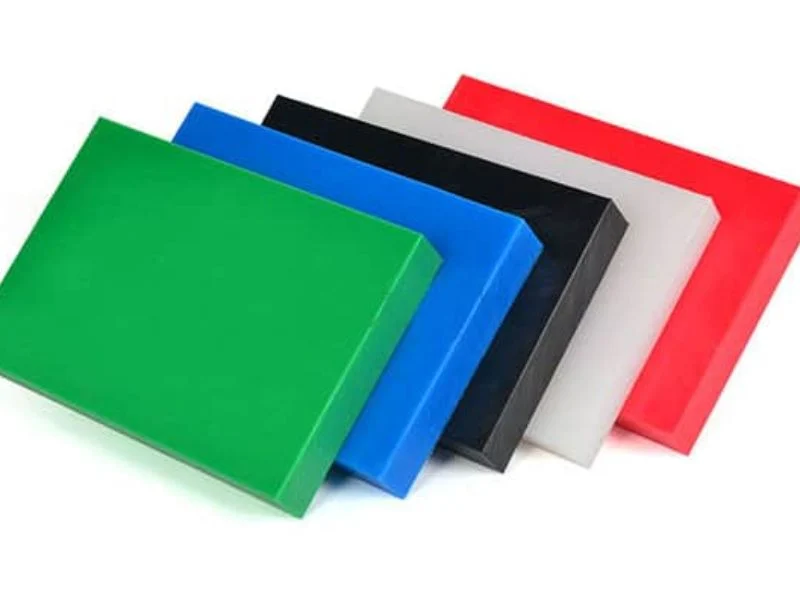
UHMW-PE (PE-1000)
- Formats: Sheet 5–100 mm in black, green and natural; virgin and regrind grades
- Watch out: Regrind sheet moves differently from virgin and is often not flat to start with — you can machine it perfectly and still hand over a part that will not sit flat on the customer’s frame
- How we cut it: Sharp positive-rake tooling at reduced RPM, with the sheet held down over its whole area instead of clamped at the edges
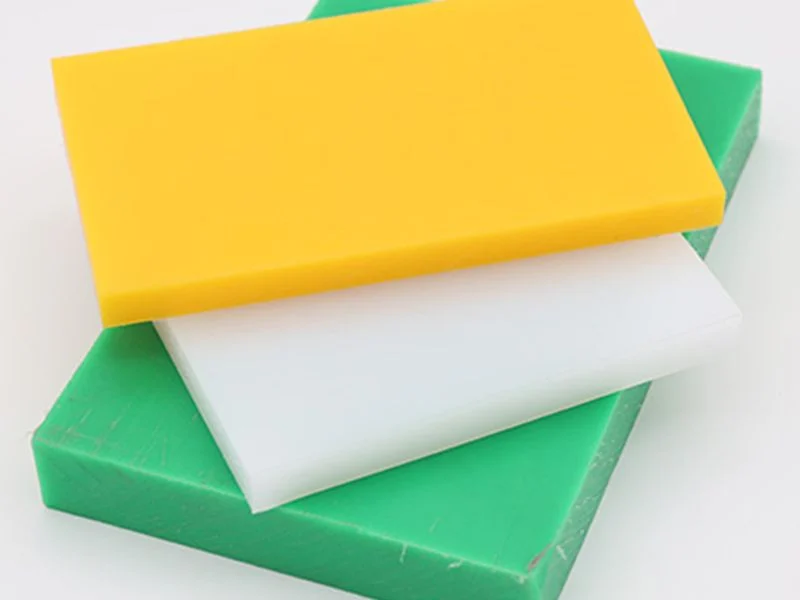
HDPE (PE-500 and PE-300)
- Formats: Sheet 2–50 mm, natural and coloured, including FDA and marine grades
- Watch out: Cheaper and stiffer than UHMW so it machines a little more easily — but it is the same polyolefin problem underneath, and a dull tool finds that out faster than a sharp one does
- How we cut it: Same geometry, feed raised slightly; HDPE tolerates a little more spindle speed than UHMW but nothing like acrylic
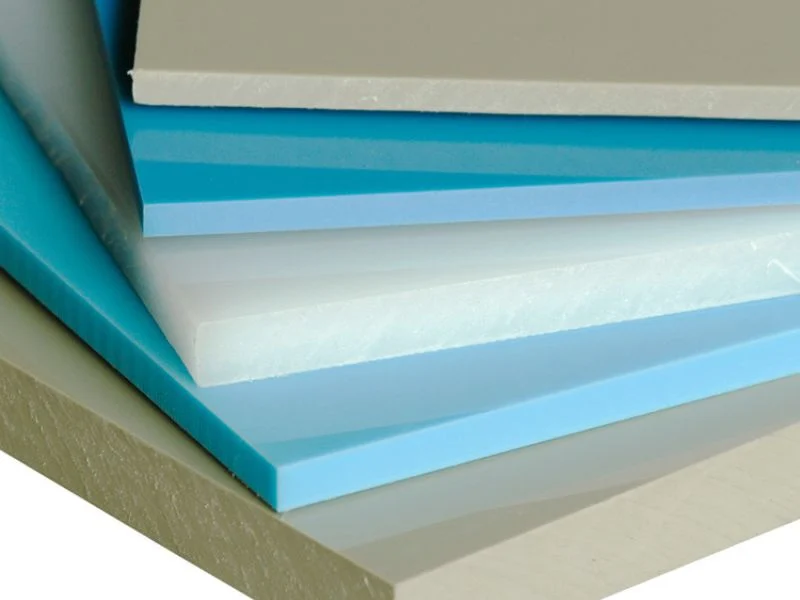
Polypropylene and Other Polyolefins
- Formats: PP homopolymer and copolymer sheet, PE-HD tank and duct material
- Watch out: PP is the softest of the family and the most prone to burr — the finish problem here is not the cut face, it is the edge somebody has to deburr by hand afterwards
- How we cut it: Single-flute geometry with a climb pass on the finish, to leave an edge that does not need hand work
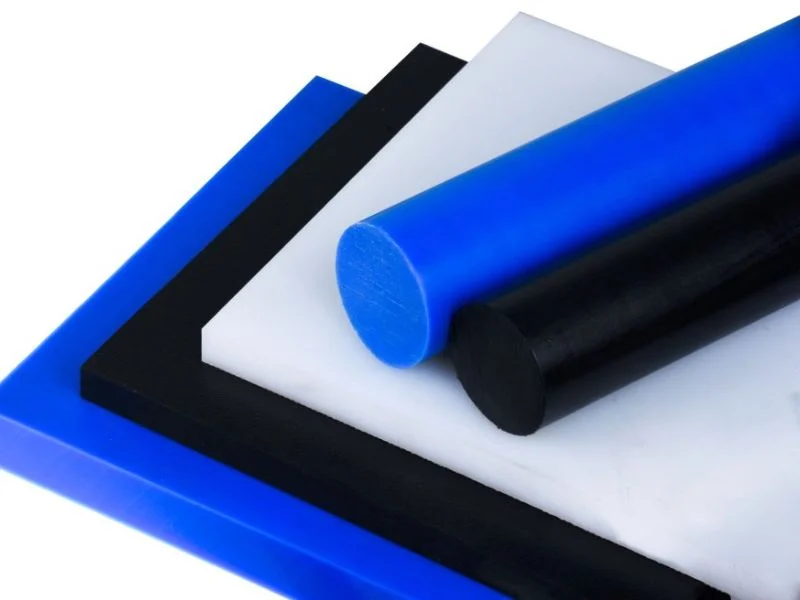
FDA and Food-Grade Polyolefin
- Formats: FDA-compliant white and blue metal-detectable UHMW and HDPE
- Watch out: These go into plants where the part is pressure-washed and inspected, so a burr or a trace of cutting fluid is a compliance finding rather than a cosmetic one
- How we cut it: Dry, deburred on the machine, on tooling not shared with filled or abrasive materials
Grade and property data per Röchling and Ensinger polyolefin datasheets. Cutting parameters from production runs on MNT T7 and M4020.
Wear Parts and Liners Cut From UHMW and HDPE
Polyolefin is specified for wear and low friction, almost never for precision. These are the parts that follow from that, and what is actually difficult about each.
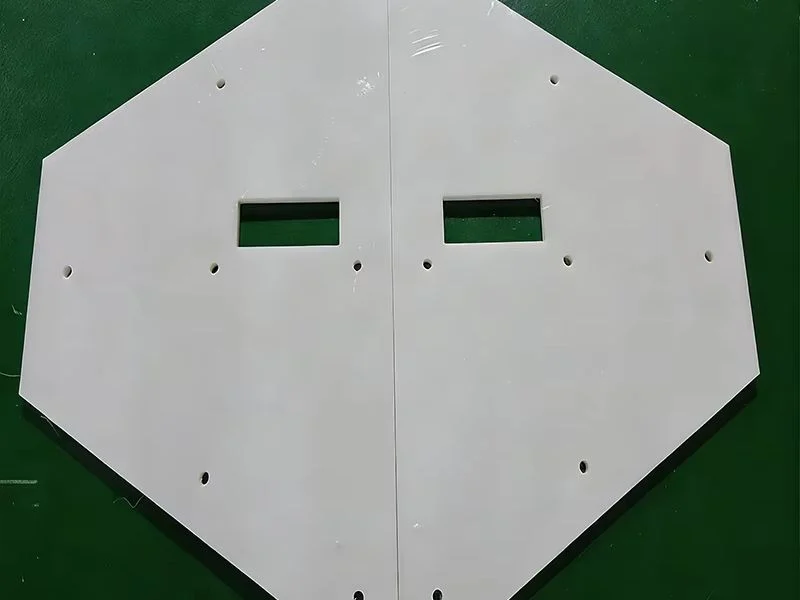
Hopper, Chute and Silo Liners
- Parts: Bolt-in liner panels, chute wear faces and transition pieces, often 2 m and larger
- The hard part: The panel has to match a bolt pattern on equipment that was welded, not machined — so the holes need to fit a real structure rather than a drawing of one
- What you get: Full-sheet machining in one placement, so the whole bolt pattern shares one datum instead of accumulating error across setups
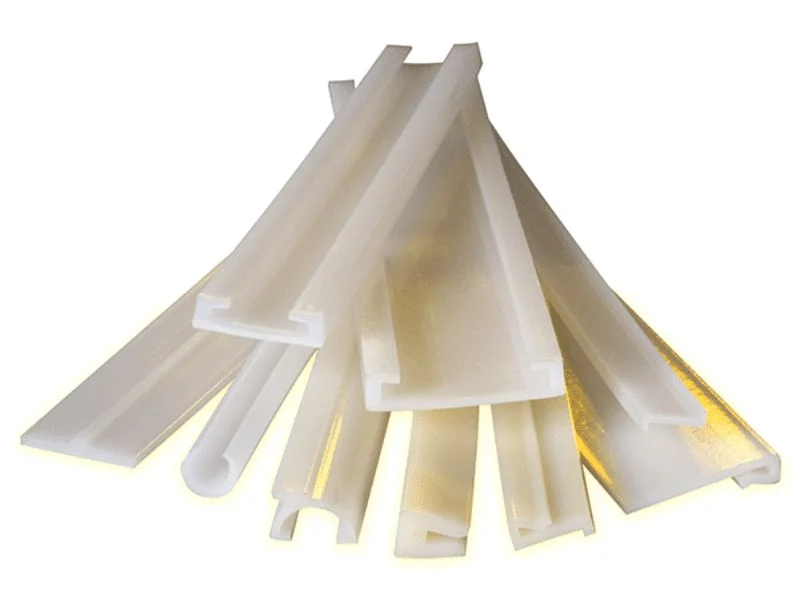
Wear Strips and Slide Plates for Heavy Industry
- Parts: Conveyor wear strips, slide plates, skid bars and rubbing strips in long runs
- The hard part: These are long, thin and soft — the three properties that make a part bow when you release the clamps and grow when the workshop warms up
- What you get: Whole-area hold-down at low pressure and a cutting sequence that does not leave the part stressed on one side
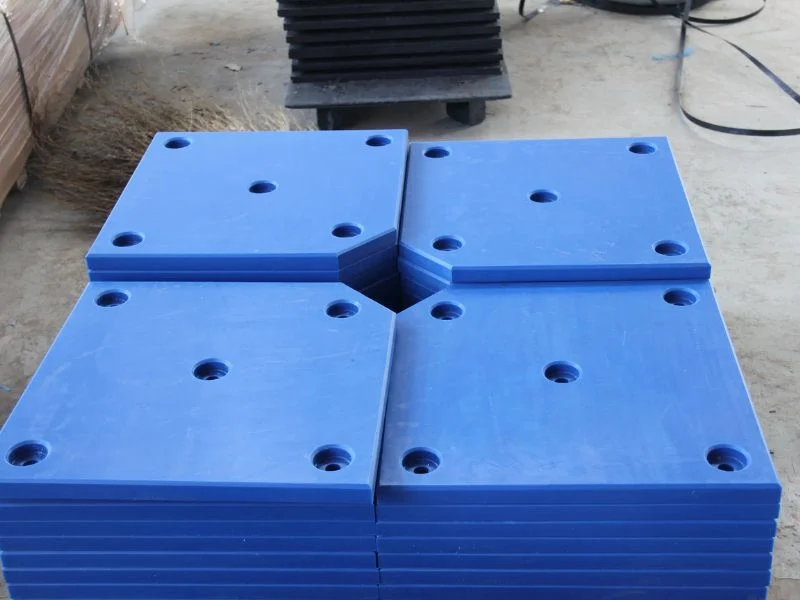
Marine Fenders, Dock Bumpers and Outfitting
- Parts: Dock bumper faces, fender pads, rubbing strakes and deck hardware backing
- The hard part: Outdoor service means UV and a wide temperature range, so a part that fits in a workshop at 20°C has to still fit on a quay in winter
- What you get: Clearance and slot dimensions worked out for the service temperature range, not just for the day it was cut
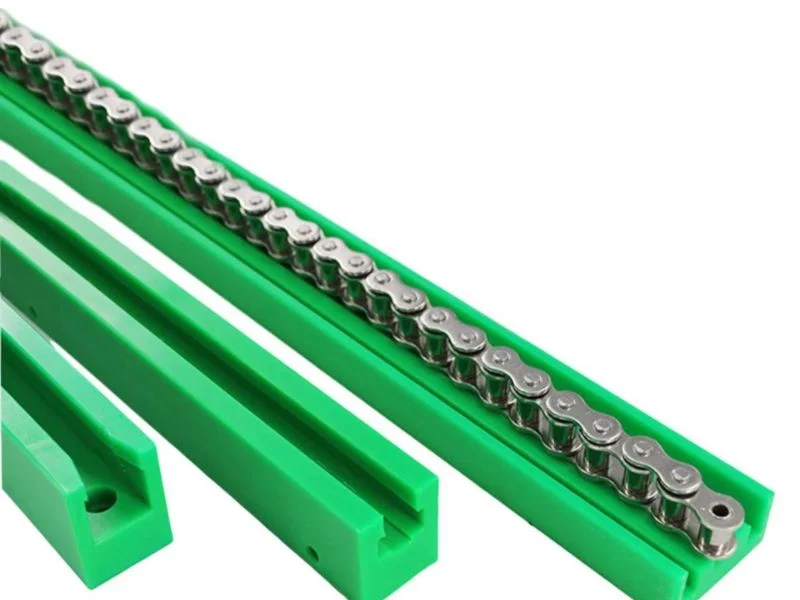
Food Plant Components and Pressure-Washed Parts
- Parts: Guide rails, scraper blades, product contact panels and machine guards in FDA grades
- The hard part: Daily pressure-washing and inspection means every burr is somewhere for product to lodge, and a burr is a finding at audit
- What you get: Parts deburred as part of the machining cycle rather than by hand afterwards, cut dry with no fluid to residue-test for
Part families and failure modes reported by polyolefin fabricators and material handling shops, cross-checked against MNT machine runs.
Recommended MNT Routers for UHMW and HDPE Sheet
Polyolefin work is sheet work. Here table size and hold-down decide the job, which is why these are not the same three machines we recommend for precision engineering plastics.
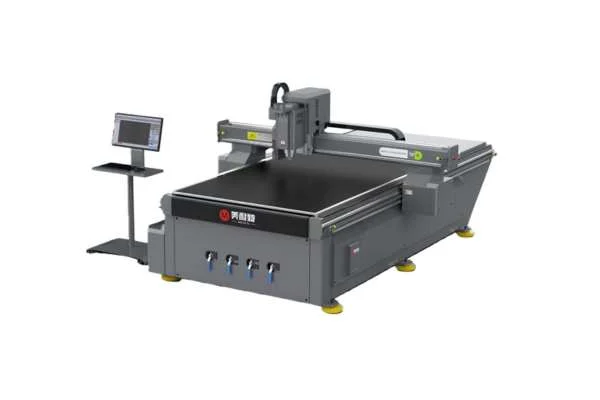
T2 Vision CNC Router
- Cuts: HDPE, UHMW and PP sheet at moderate thickness
- Specs: Vision registration · large table · the economical entry point to polyolefin work
- Best for: Shops cutting sheet liners and guides in volume without a large capital budget
- Price: From $5,200
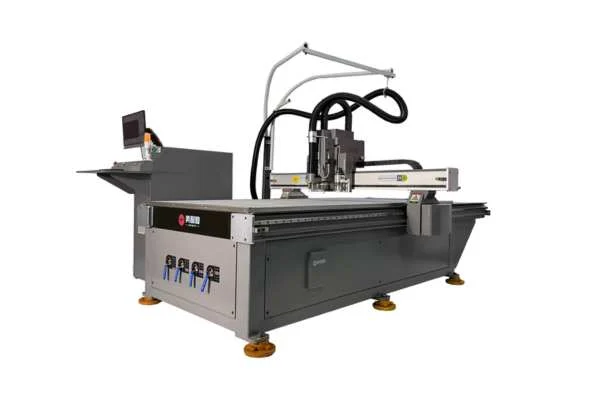
T7 Digital Engraving & Cutting Machine
- Cuts: UHMW, HDPE and composite panel — a full sheet in one placement
- Specs: Automatic tool change · vacuum table · profile, pocket and drill in one job
- Best for: Full-sheet liner work, where a second setup on a large panel is exactly what you want to avoid
- Price: From $17,800
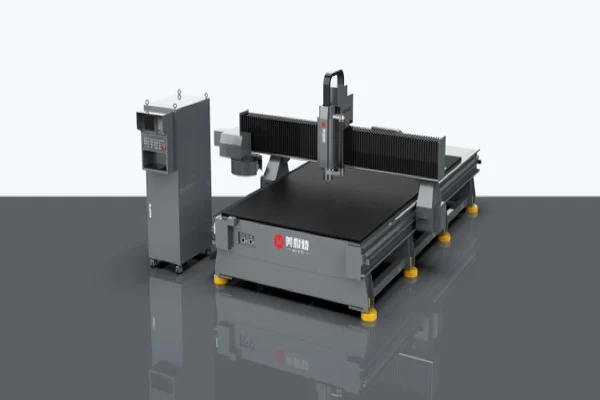
M4020 Large CNC Machining Center
- Cuts: Thick UHMW plate and heavy polyolefin sections that will not fit a router table
- Specs: Large-format bed · rigid frame · heavy plate capacity
- Best for: Thick liners and large wear parts where the limit is bed size and rigidity, not spindle power
- Price: From $37,050
Specifications and prices as published on each MNT model page. Bed sizes and capacities as listed there, not extrapolated.
Feeds, Speeds and Workholding for UHMW and HDPE
The first item below is where most shops go wrong, because it contradicts everything that is true of every other plastic. The third is where the actual difficulty lives.
Spindle Speed — Lower, Not Higher
This is the polyolefin exception. Every other plastic on this site wants spindle speed; UHMW wants less of it. The material softens at a low temperature and conducts heat badly, so a fast spindle puts heat into the cut faster than the chip can carry it away — and the polymer smears onto the cutting edge instead of shearing off it. Slow the spindle, keep the feed up.
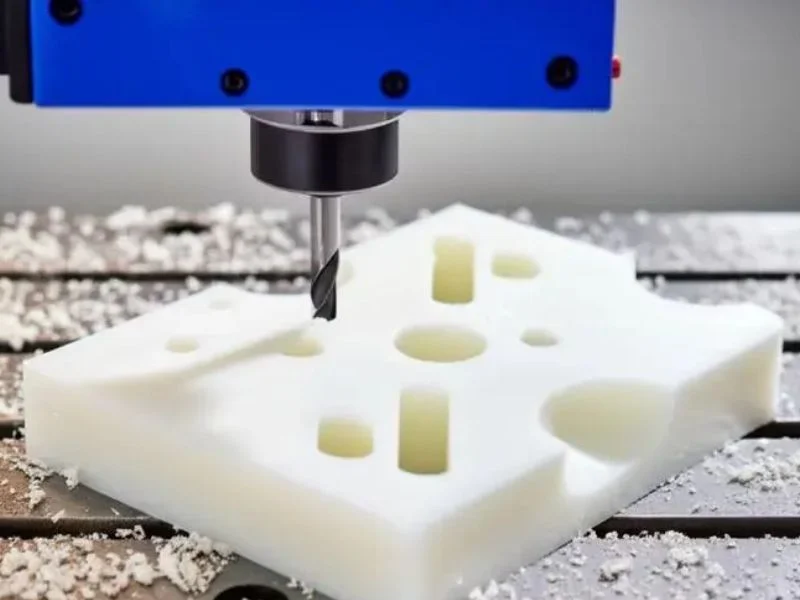
Tooling — Sharp, High Positive Rake, Polished
A tool that is merely acceptable on acetal is a bad tool on UHMW. High positive rake slices the long molecular chains instead of pushing them ahead of the edge; polished flutes stop the chip sticking on the way out. Coatings do not help here and some actively hurt — what matters is edge sharpness and chip release.
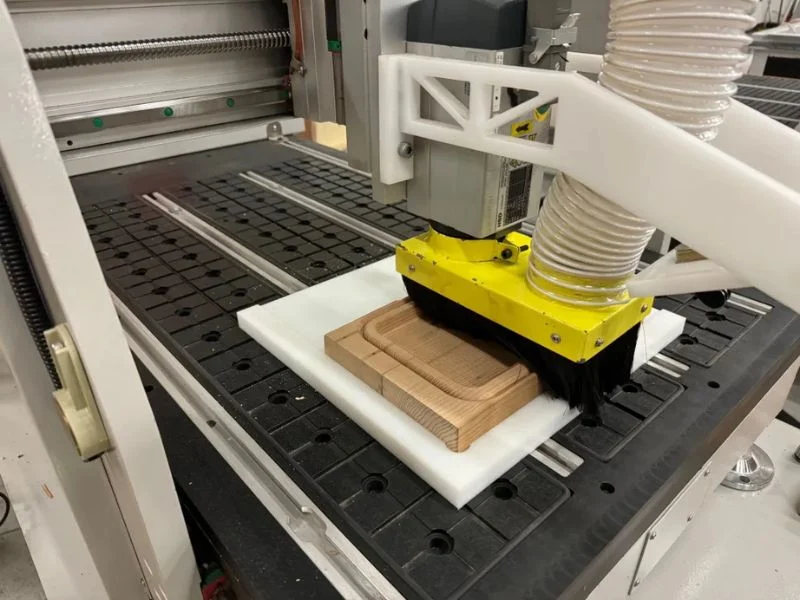
Workholding on a Material That Will Not Sit Still
Workholding is the real difficulty on polyolefin, not cutting. The sheet is soft enough that a clamp leaves a mark and resilient enough that it springs back when released. A vacuum table can pull thin sheet out of flat — holding the part and distorting it in the same operation. Hold over the whole area, at the lowest pressure that actually works.
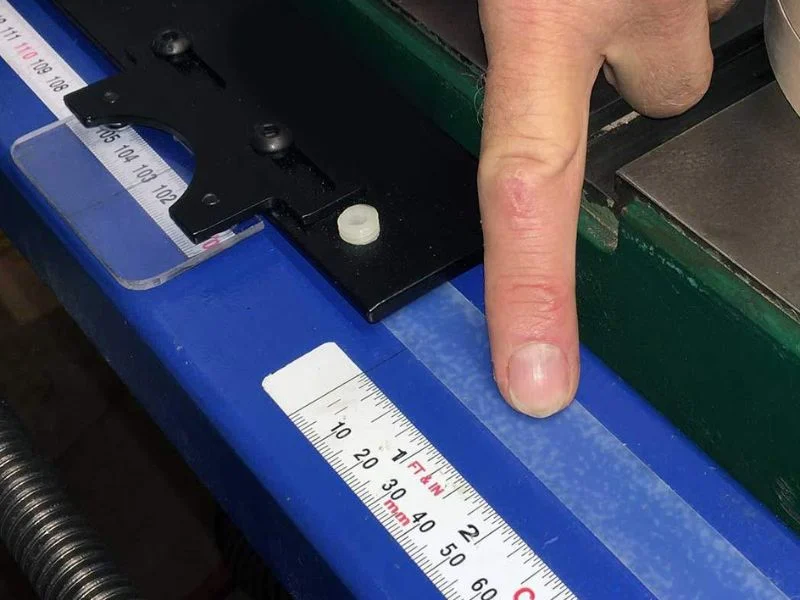
Measuring a Part That Changes With the Room
UHMW expands roughly twenty times as much as steel and nearly twice as much as acetal. On a small bracket that is academic. On a 2 m liner it is millimetres between a cold morning and a warm afternoon. Where the fit matters, the drawing needs a temperature written on it and the measurement needs to happen at that temperature.
What Goes Wrong When Machining UHMW and HDPE
Five failures we see repeatedly on polyolefin. The first one is the most common by a wide margin, and it comes from experience with other plastics rather than from inexperience.
Carrying the Acrylic Recipe Into Polyolefin
A shop that has learned plastics on acrylic and acetal knows one rule above all others: never let the tool rub, run it fast. That rule is correct everywhere on this site except here. On UHMW a high spindle speed puts in heat the chip cannot remove, the polymer softens and welds to the edge, and the tool loads up within a few metres. Slow down and feed on.
Trusting a Vacuum Table on Thin Sheet
Vacuum is the obvious answer for holding sheet, and on rigid material it is the right one. Thin polyolefin is not rigid: the table pulls it down into every groove and pocket in the spoilboard, you machine it flat in that distorted state, and it springs back into a part that is not flat at all. The distortion is invisible while the pump is running.
Machining Regrind Stock as If It Were Virgin
Regrind UHMW is a legitimate material and it is much cheaper, which is exactly why it turns up on liner jobs. It is also less consistent, often not flat in the first place, and it relaxes differently. Machining it to the same program that worked on virgin sheet produces a part that measures fine on the table and will not bolt up on site.
Quoting a Long Liner Without a Temperature on the Drawing
At 200 × 10⁻⁶/K a 2 m polyolefin part changes length by a visible amount across an ordinary workshop temperature swing. If nobody states the temperature, the shop and the customer are measuring two different parts and both are right. On anything long enough for the fit to matter, put the temperature on the drawing before cutting.
Specifying UHMW Where the Part Has to Hold a Dimension
UHMW is specified for wear and low friction and it is superb at both. It is a poor choice wherever a tight dimension has to stay put: it is soft, it creeps under sustained load, and it moves with room temperature. Parts that must keep their size under load are usually acetal — a different material, a different machine setup, and a different page on this site.
Why Fabricators Cutting Polyolefin Buy From the Factory
On polyolefin a machine is judged on table size, on hold-down that grips a soft sheet without marking it, and on whether the supplier understands that this material wants less spindle speed rather than more. If you sell machines rather than buy them, our terms are on the distributor partnership page.
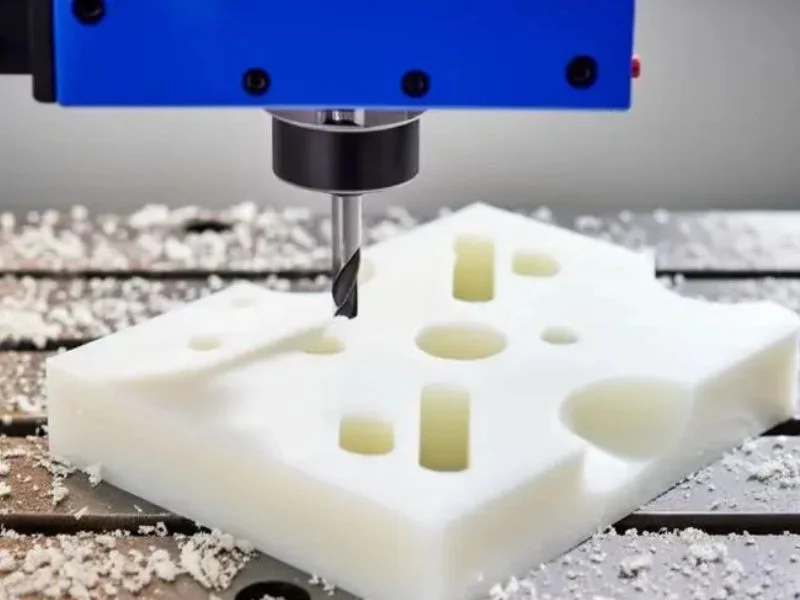
We Cut Your UHMW Before You Buy the Machine
- Send us your own sheet — virgin or regrind — with the drawing. We cut it on the model we recommend and send the part back with the tool we used, so you can look at the edge and check whether it sits flat.
- Ask us to cut a long part and measure it twice at two different temperatures. On polyolefin that pair of numbers explains more than any specification sheet will.
- For distributors: liners and wear strips are consumables — they wear out and get reordered on a schedule, so a customer who buys this machine is buying it to run repeat work forever. That is a very different sales conversation from a one-off capital purchase.
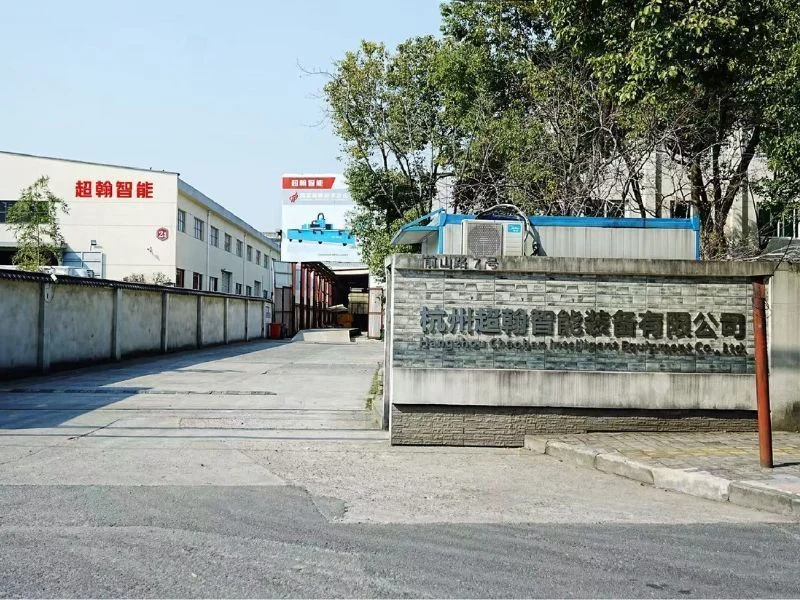
Built by the Factory, Not Resold by a Trader
- MNT machines are built by Hangzhou Chaohan — frame welding, gantry machining and control cabinet assembly in house. We are the manufacturer, not a trading company reselling someone else’s frame. More on the company: About MNT.
- On sheet work the table, the hold-down and the gantry have to be specified together, because a large table that flexes is worse than a small one that does not.
- For distributors: spare parts ship from the factory that made them, so a worn part has one part number and one lead time. Territory, training and terms are on the distributor partnership page.
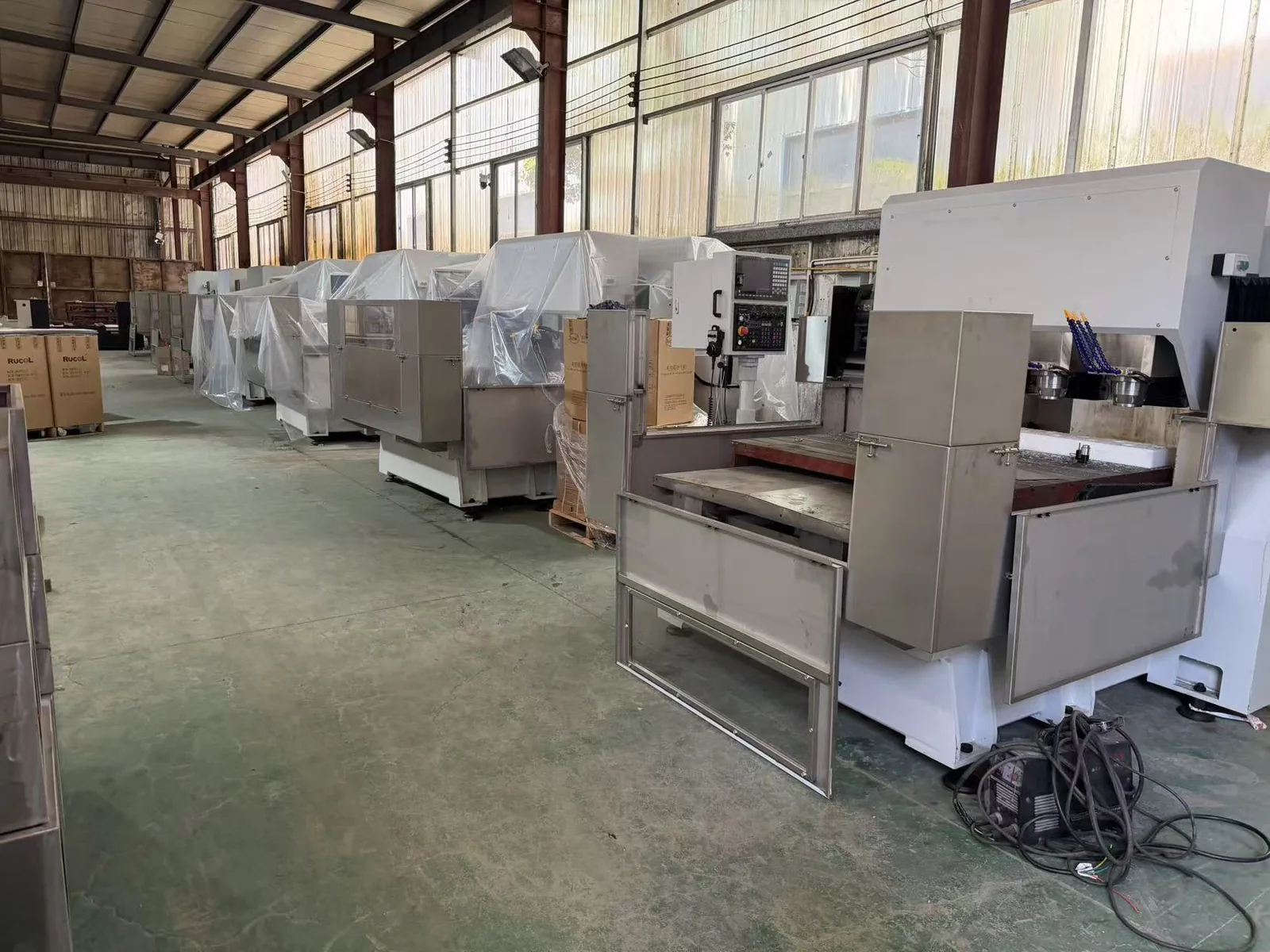
The Factory That Builds Your Sheet Router
- Frames are welded, stress-relieved and gantry-milled in one setup in house — on a large-table machine that flatness is what your liner inherits.
- A big bed is only useful if it stays flat under load, which is a frame question long before it is a spindle question.
- It is why the M4020 is built on a heavy large-format frame rather than a stretched version of a smaller machine.
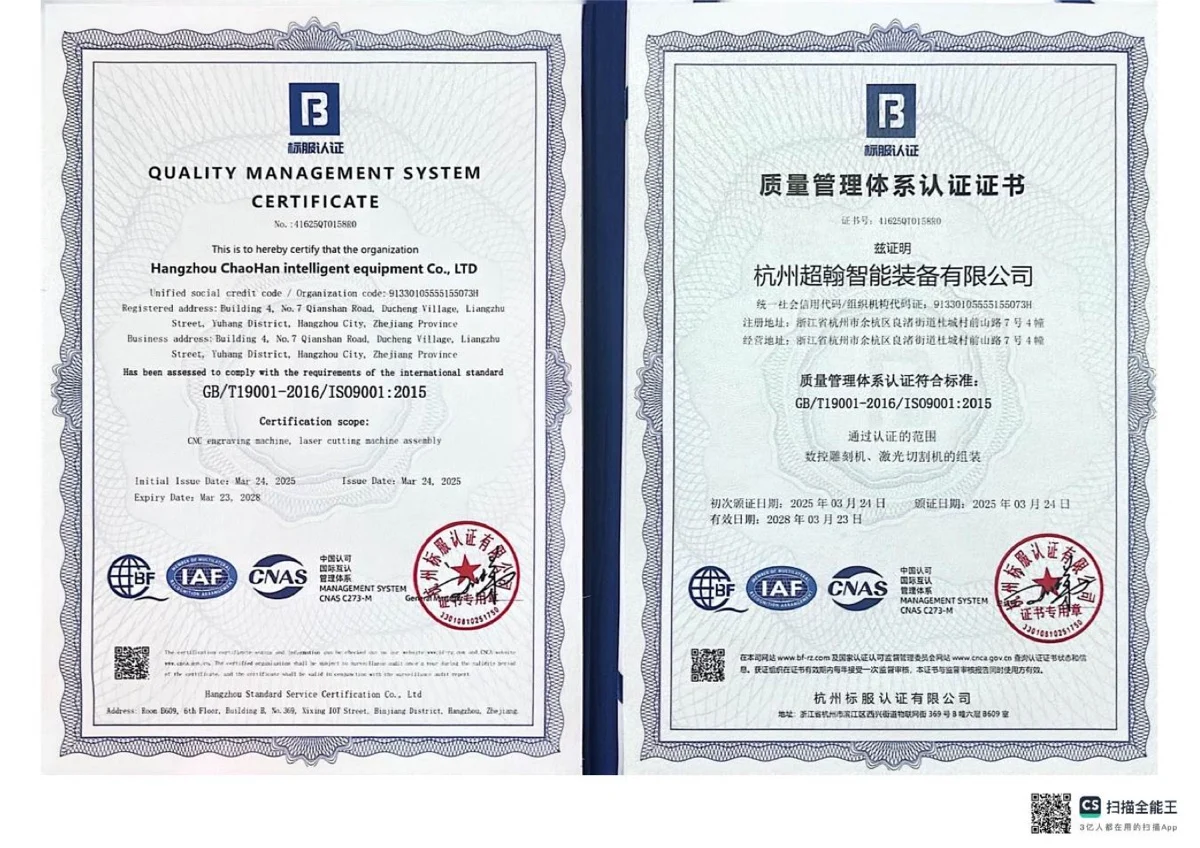
CE + ISO 9001:2015 — and Extraction Sized for Sheet Work
- CE marked and built under an ISO 9001:2015 certified quality system — certificates on paper, not a claim on a web page.
- Ask for the extraction airflow figure. Polyolefin chips are light, bulky and static-prone, so the volume that clears acetal swarf will not clear a full sheet of UHMW.
- For FDA work, ask us to confirm in writing that the machine has never run flood coolant — it makes the audit conversation considerably shorter.
CE + ISO 9001:2015. Machines built by Hangzhou Chaohan with in-house frame welding, gantry machining and control cabinets, not traded.
Frequently Asked Questions
What RPM should I use for machining UHMW?
Lower than you would use on any other plastic — start around 8,000–14,000 RPM and keep the feed up. This is the opposite of the advice for acrylic, acetal and PEEK, and it is the single most common mistake on polyolefin. UHMW softens at a low temperature and conducts heat poorly, so excess spindle speed puts in heat the chip cannot carry away.
Why does UHMW gum up my tooling?
Heat and edge geometry, in that order. The long molecular chains that give UHMW its wear resistance also make it soften and weld to a cutting edge rather than break away from it. The fixes are a lower spindle speed, a genuinely sharp tool with high positive rake, and polished flutes so the chip releases instead of packing.
Can you laser cut UHMW or HDPE?
You can burn through it, but you cannot cut it cleanly. Polyethylene melts rather than vaporising, so the edge comes out rounded and re-solidified with a bead along it. For anything where the edge or the dimension matters, it is milled — or for thin flat parts, cut with an oscillating knife.
How do you hold UHMW sheet without distorting it?
Over the whole area, at the lowest pressure that holds. A vacuum table works well on thicker plate but will pull thin sheet down into the spoilboard, so you machine it flat while it is distorted and it springs back afterwards. Clamps mark the surface. On thin material a low-pressure full-bed hold with tabs is usually the answer.
Should I use UHMW or acetal for my part?
Wear and friction, choose UHMW. Dimensions and load, choose acetal. UHMW has better abrasion resistance and a lower friction coefficient, but it is soft, it creeps under sustained load and it moves with room temperature. Acetal is stiffer and holds a tolerance. Liners, wear strips and slide plates are UHMW; gears, bushings and precision change parts are acetal.
UHMW or HDPE — which should I machine?
Choose UHMW for parts that slide, wear or take impact — chute liners, wear strips, fenders — and HDPE for cheaper, stiffer panels, tanks and anything welded or thermoformed. Both machine on the same router with the same tooling. Our full comparison of UHMW vs HDPE covers properties, cost and which part suits which sheet.
How much does a CNC router for UHMW and HDPE cost?
Between US$5,200 and US$37,050 for the models we recommend on this material. The T2 vision router starts the range, the T7 ATC sits in the middle at $17,800, and the M4020 large machining centre tops it at $37,050. On sheet work what you are paying for is table size and hold-down rather than spindle power.
Can you machine FDA food-grade UHMW and HDPE?
Yes. These parts are cut dry with extraction, on tooling not shared with filled or abrasive materials, and deburred as part of the machining cycle — because in a food plant a burr is somewhere for product to lodge and becomes a finding at audit rather than a cosmetic complaint.
How accurate can you hold UHMW?
The machine is not the limit here; the material is. Thermal expansion around 200 × 10⁻⁶/K and creep under load mean a tolerance band on polyolefin only means something alongside a stated temperature and a stated load. On long parts, agree the measuring temperature before cutting. If the drawing needs a tight band held regardless, the material should probably be acetal.
Technical Guides for Plastics Shops
The reasoning behind the parameters on this page, worked through at length.
Machinable Plastics: PTFE vs POM vs PEEK vs Nylon
Where polyolefin sits among the machinable plastics, and how PTFE, POM, PEEK and nylon differ from it on tooling and tolerance.
Laser Cutting vs Die Cutting: Which Process Fits Your Material
Router, laser or knife — the process comparison that matters most on sheet polyolefin, where all three are technically possible and only two are sensible.
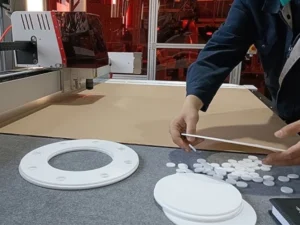
CNC Router vs Waterjet for Thick PTFE Plate
Why a router beats a waterjet on thick engineering plastic — and the one case where it does not.
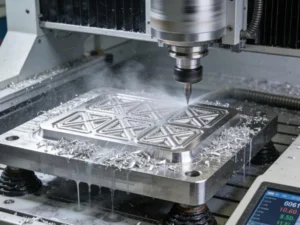
Feeds and Speeds for Aluminum: Why Going Slower Breaks Cutters
The feeds-and-speeds method behind this page, worked through on aluminium where the arithmetic is easier to follow.
Send Us a Sheet of UHMW — We'll Cut It and Show You the Edge
Tell us the grade, the thickness and whether the stock is virgin or regrind. We cut your part on the model we recommend, check whether it sits flat afterwards, and send it back with the tool we used and the measuring temperature written down.