Most fiber laser buying processes start in the wrong place — with a supplier’s spec sheet — instead of with a clear answer to what your own shop actually needs. Getting the four core questions answered internally, before the first supplier conversation, produces a faster and more accurate quote than working through them reactively during a sales call.
This guide walks through the questions that determine which fiber laser category fits your production, then how to translate those answers into an RFQ that gets you an accurate quote on the first pass rather than several rounds of back-and-forth.
Question One: What Shape Does Your Material Start As?
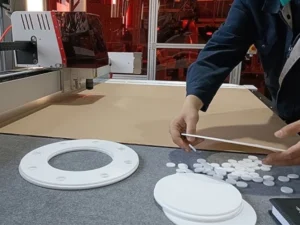
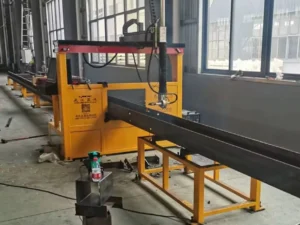
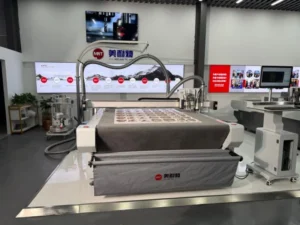
Determine whether your production starts as flat sheet or plate, tube and structural profile, or requires small-part precision work — this single answer eliminates two of the three fiber laser categories before any other spec matters, since sheet, tube and precision platforms use fundamentally different material handling.
If your shop genuinely runs meaningful volume in more than one category, plan for evaluating separate machines rather than searching for one platform to cover all three — see our sheet metal fiber laser cutting machines and tube laser cutting machines for the category-specific specifications once you know which one (or which combination) applies.
Question Two: What’s Your Material and Thickness Range?
List every material type and the full thickness or wall-thickness range you actually run — not just your most common job — since laser power requirements are driven by your thickest or most demanding material, and a machine sized only for your average job underperforms on your heaviest one.
Mild steel, stainless steel and aluminum each respond differently to laser power due to how they absorb energy and interact with assist gas — see the 3 kW and 6 kW thickness ranges that determine whether you need the higher end of the power range.
Question Three: What Does Your Downstream Process Require?
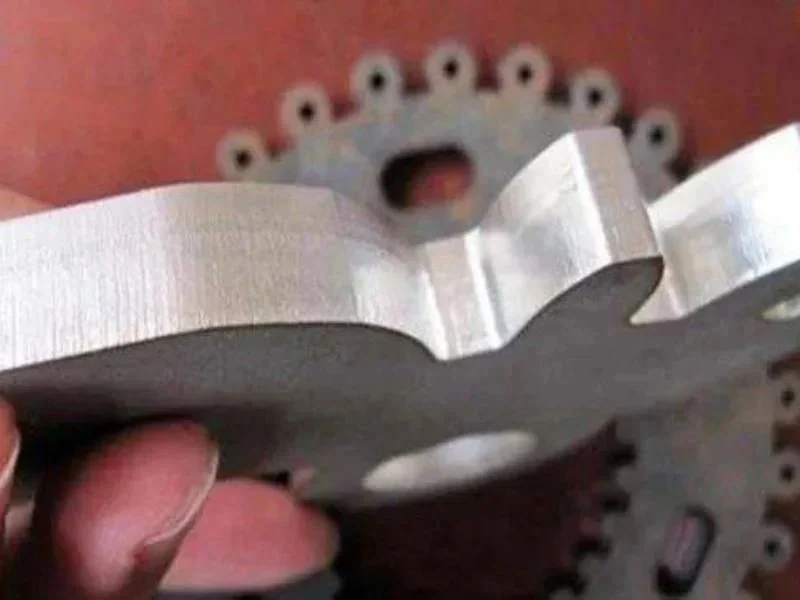
Confirm whether parts get welded, painted, or ship as-cut, since this determines required edge quality and therefore assist gas capability — a part that gets welded doesn’t need nitrogen’s oxide-free edge the way a part shipping as-cut does, and specifying gas capability you don’t need adds cost without benefit.
Oxygen cuts carbon steel fastest but leaves an oxide skin that has to be removed before painting or welding, nitrogen costs more per hour and returns an oxide-free edge, and compressed air sits between the two on thin material. Ask any supplier to quote gas consumption at your typical thickness, not just the machine price.
Question Four: What’s Your Production Volume and Shift Pattern?
Estimate your realistic production volume and shift pattern — single-shift intermittent use versus near-continuous multi-shift production changes which duty-cycle and automation specs actually matter, and buying continuous-duty capability for intermittent use is expensive capacity that sits unused.
This also determines whether automatic material loading and nesting software sophistication pay back their added cost — see our nesting software and panel yield guide for how to run that specific cost math against your own sheet volume.
Turning Your Answers Into an RFQ
Compile your answers to all four questions into a single document before contacting suppliers — material list with thickness ranges, downstream process requirements, production volume, and any tolerance requirements — so every supplier quotes against the same specific information rather than a general description that produces inconsistent, hard-to-compare quotes.
A specific RFQ also surfaces which suppliers actually engage with your real requirements versus defaulting to a standard configuration regardless of what you asked for — the quality of a supplier’s questions back to you is often as informative as their quote itself.
See the full fiber laser cutting machine overview and the X5, X6 and X6040 machine pages once you’ve narrowed down your category.
Frequently Asked Questions
What’s the first thing I should figure out before contacting suppliers?
Your material’s starting shape — flat sheet, tube/profile, or small precision parts — since this determines which fiber laser category applies before any other spec becomes relevant.
Why does downstream process matter for machine selection?
It determines required edge quality and therefore assist gas capability — a welded part doesn’t need the same edge finish as one shipping as-cut, and matching gas capability to actual need avoids paying for unused capability.
Should I size the machine for my average job or my heaviest job?
Your heaviest or most demanding material and thickness — a machine sized only for average work underperforms on your most demanding jobs, which are often the ones where capability matters most.
How does production volume affect the buying decision?
It determines whether continuous-duty specs, automatic loading and advanced nesting software pay back their added cost — intermittent, lower-volume use often doesn’t justify capability built for continuous multi-shift production.
What should be in an RFQ for a fiber laser purchase?
A specific material list with thickness ranges, downstream process requirements, production volume and shift pattern, and any tolerance requirements — specific information produces comparable, accurate quotes across suppliers.
What if I need both sheet and tube cutting capability?
Plan for evaluating separate purpose-built machines for each category rather than searching for one platform to cover both — sheet and tube cutting use fundamentally different material handling systems.