
Tube Laser Cutting Machine
MNT (MEINAITE) fiber laser tube cutting machines cut round, square, rectangular and structural profile in one automatic operation — cut-off, holes, notches and weld bevels come off the same setup.
- Cut, drill and notch in one pass — replaces bandsaw + drill + mill for tube work
- ±0.02 mm repeatability — parts arrive at the weld fixture already fitting
- Ø 10–220 mm round, 10–150 mm square, up to 6000 mm long — with 45° miter and weld-prep bevel
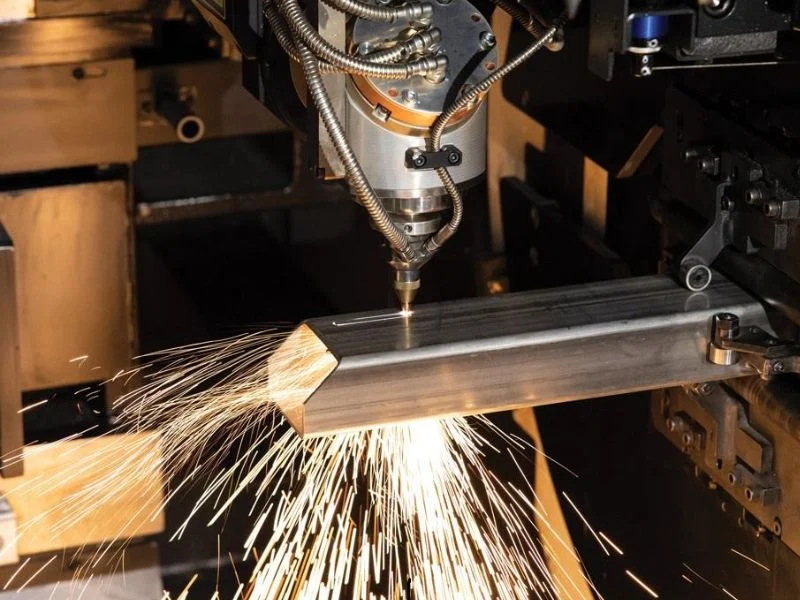
Why Tube Work Moved Off the Bandsaw
A tube laser does in one operation what used to take three machines. The tube is loaded, the chuck self-centres, and the machine cuts the length, drills the holes, cuts the notches and puts the weld bevel on — then the next part. No transfer between saw, drill and mill, no fixture drift accumulating at each station, no deburring bench.
What that changes downstream matters more than the cutting itself: parts arrive at the weld fixture already fitting. Tab-and-slot features cut into the tube let a frame self-locate, which removes the jigs and the measuring that normally sit between cutting and welding. For fabricators running handrail, furniture frames, agricultural structures or exercise equipment, that is where the hours actually go.
Sheet and plate is a different machine — see the MNT fiber laser range for flat work. Industry guidance on tube laser process planning is published by The Fabricator, the reference most North American shops use when specifying this equipment.
Machine specifications compared. Only the X6 cuts tube. The two sheet machines are on this table because fabricators rarely buy one process — if your part list is tube plus plate, the X6 handles Ø 10–220 mm round and 10–150 mm square up to 6 m, and the X5 takes the flat work alongside it. Watch the 130 mm tail: that is what you scrap per length.
| Specification | X6 | X5 | X6040 |
|---|---|---|---|
| Primary format | Tube & profile | 3000 × 1500 mm sheet | Thin-gauge sheet |
| Max cutting length | 6000 mm | — | — |
| Round tube | Ø 10–220 mm | — | — |
| Square tube | 10–150 mm | — | — |
| Tail length (offcut) | 130 mm | — | — |
| Chuck | Pneumatic self-centering 4-jaw | — | — |
| Tube functions | Cut-off, drilling, hollowing, bevel, piercing, weld-prep notch, 45° miter | — | — |
| Laser power | 6000 W | 3000 W / 6000 W | 1500 W |
| Accuracy | ±0.02 mm repeatability · within 0.15 mm full length | 0.05 mm positioning | ±0.02 mm positioning |
| Net weight | 3500 kg | 2000 kg | 1000 kg |
Tube and Profile We Cut
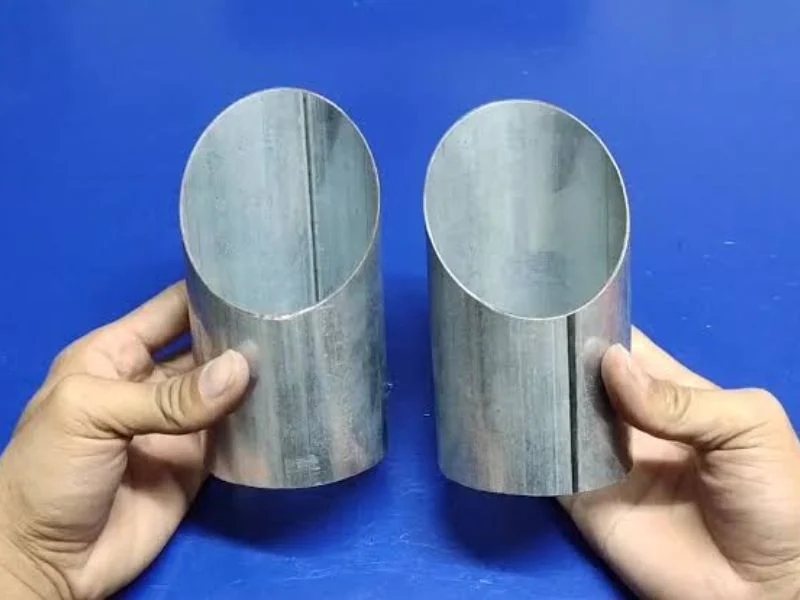
Round Tube
- Formats: Ø 10–220 mm in carbon steel, stainless and aluminium, to 6000 mm long
- Watch out: A bandsaw vice crushes thin-wall tube before the blade is through it — the section goes oval and the part is scrap
- How we cut it: A self-centring four-jaw chuck holds without crushing, and the laser applies no clamping force at the cut line
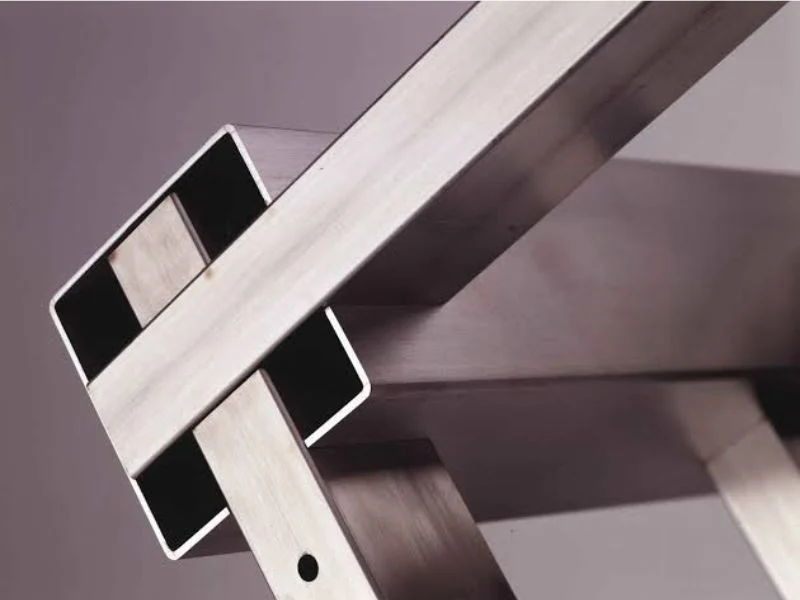
Square & Rectangular Tube
- Formats: 10–150 mm square and rectangular section, mild and stainless
- Watch out: Holes marked and drilled on the bench drift from the cut-off datum, so a frame needs measuring and adjusting at assembly
- How we cut it: Holes, slots and the cut-off all come off the same datum in one program, so the frame assembles without a tape measure
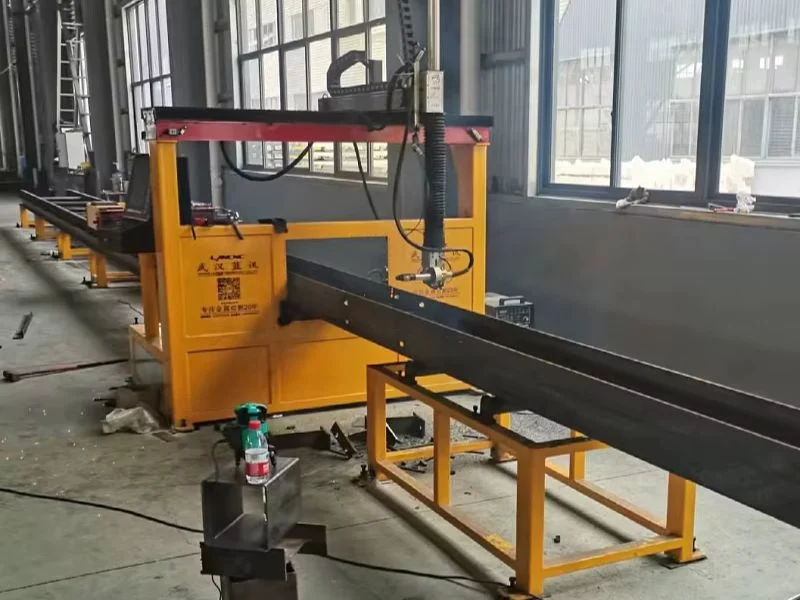
Angle, Channel & H Profile
- Formats: Structural angle, channel and H section on the same chuck and program
- Watch out: Weld-prep bevels and notches are normally ground on afterwards — a second operation that is slow, dirty and inconsistent
- How we cut it: Bevels and notches are cut into the part itself, so it arrives at the welder ready to fit
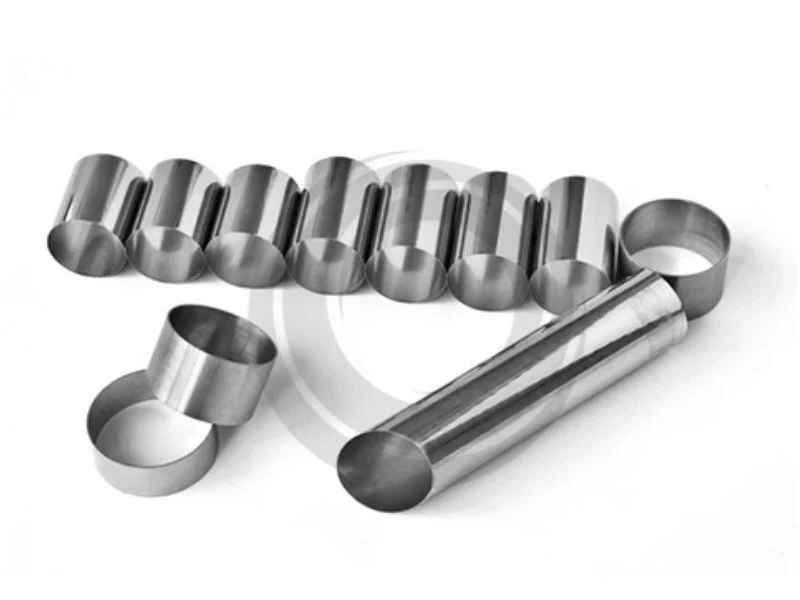
Thin-Wall & Decorative Tube
- Formats: Furniture and display tube in light-gauge steel, stainless and aluminium
- Watch out: Any mechanical clamping force on decorative tube shows — and on a visible handrail or furniture frame a crushed section cannot be hidden
- How we cut it: No clamping force at the cut line: no oval, no crush, no rework
Profile ranges and ±0.02 mm repeatability are the standard X6 build, measured in-house on 6000 mm bar.
Frames and Structures Built From Laser-Cut Tube
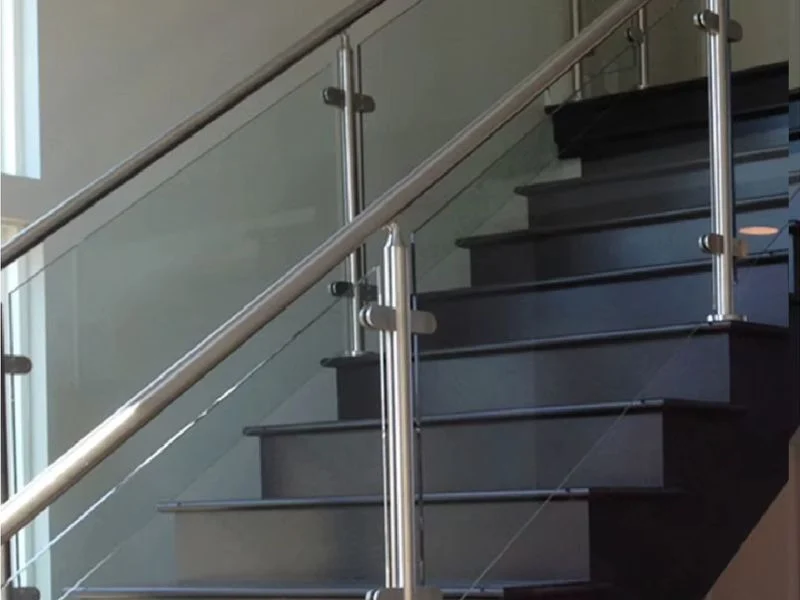
Handrail & Balustrade
- Parts: Posts, rails, connection holes and end preparations
- The hard part: Site-measured runs arrive as marked-up drawings, and every transcription from drawing to bench is a chance to get a post spacing wrong
- What you get: The whole run becomes one file — every post and hole cut to the survey, nothing measured twice

Furniture & Shopfitting Frames
- Parts: Table, chair, shelving and display frames in light section
- The hard part: Short runs and one-offs cannot carry the cost of a welding jig, but without one the frame goes out of square
- What you get: Tab-and-slot joints let the frame self-locate during welding, which removes jig cost from short runs entirely
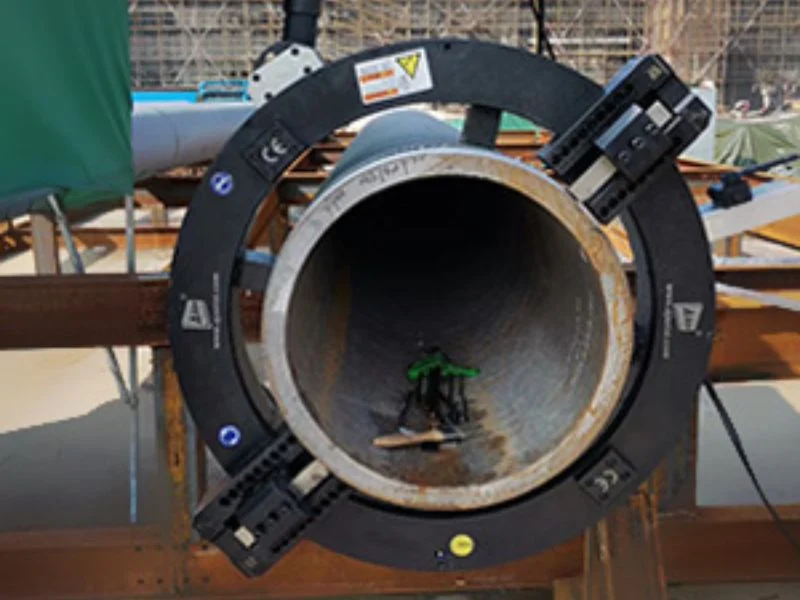
Agricultural & Machinery Structures
- Parts: Heavy structural profile with bolt holes and weld bevels
- The hard part: The bevel is what normally sends these parts to a second operation — grinding weld prep by hand on heavy section is slow and never consistent
- What you get: Holes and bevels cut in the same pass as the profile, so the part goes straight to the weld bay
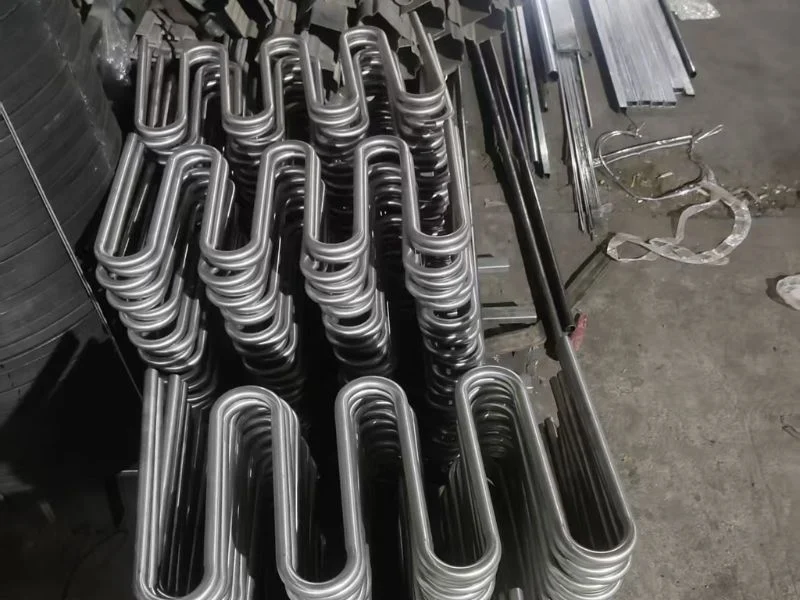
Fitness & Exercise Equipment
- Parts: High-volume tube with repeated hole patterns
- The hard part: At volume, small hole-position drift turns assembly into hand-fitting — and hand-fitting does not scale
- What you get: ±0.02 mm repeatability across the whole batch, so every part drops into the same fixture
Recommended MNT Machines
Tube work runs on the X-series fiber platform. Pick by what arrives at your shop — tube, plate, or both.
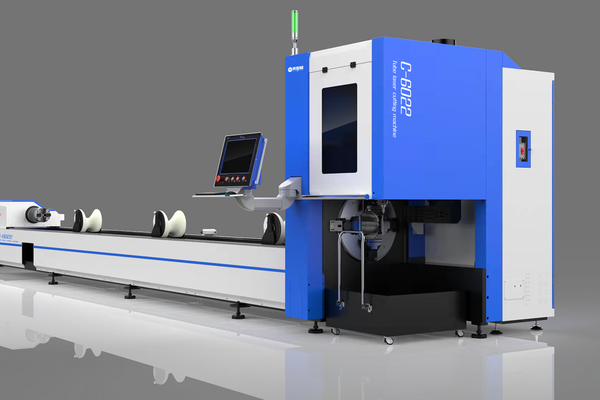
X6 Fiber Laser Tube & Profile Cutter
- Cuts: Round Ø 10–220 mm, square 10–150 mm, angle, channel and H profile
- Specs: 6000 W · 6000 mm length · ±0.02 mm · pneumatic self-centring 4-jaw chuck · 50 m/min
- Best for: Dedicated tube and profile production — the machine this page is about
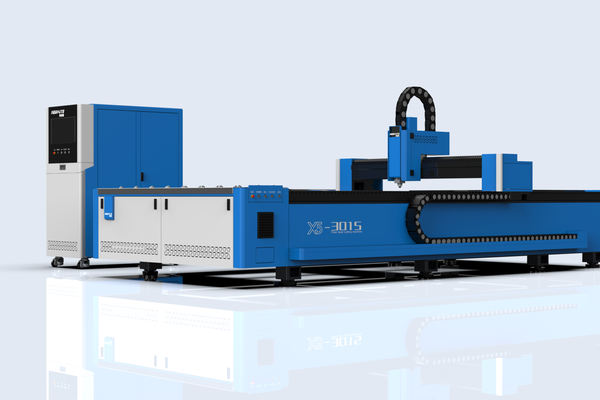
X5 Fiber Laser Metal Plate Cutter
- Cuts: Carbon steel, stainless and aluminium sheet and plate
- Specs: 3000 × 1500 mm bed · 3–6 kW · 0.05 mm positioning · rack-and-pinion dual drive
- Best for: Shops whose tube work is occasional and plate is the main job
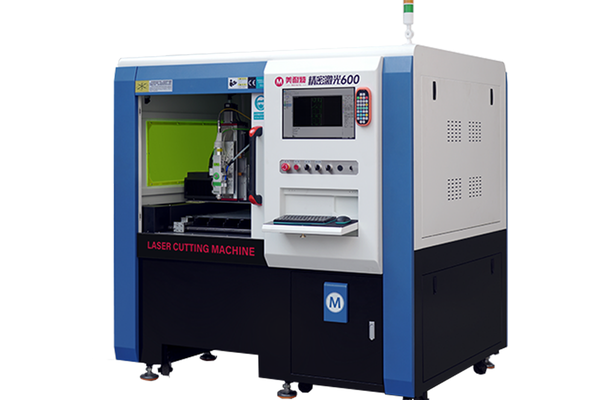
X6040 Precision Fiber Laser Cutter
- Cuts: Small precision metal parts, thin sheet, fine detail
- Specs: Compact bed · marble base · enclosed safety door · high positioning accuracy
- Best for: Precision small-part work rather than structural tube
X-series machines share one fiber platform; models differ by whether they handle tube, plate or small precision parts.
What Actually Changes When Tube Comes Off a Laser
The saving is not the cutting time — a bandsaw cuts a tube quickly enough. It is everything that happens after: the drilling station, the notching, the deburring, the weld-prep grinding, and the jigs that exist only because the parts do not fit each other. A tube laser removes those steps by cutting the features into the part while it is already held.
| Factor | Tube laser | Bandsaw + drill + mill | Plasma / oxy tube cutter |
|---|---|---|---|
| Cut, hole, notch and bevel | One setup, one machine | Three machines, three setups | Cut only |
| Weld-prep bevel | Cut in the same pass | Separate grinding operation | Manual |
| Repeatability over a batch | ±0.02 mm | Drifts with fixture and operator | ±1 mm typical |
| Edge condition | Ready to weld | Burr, needs deburring | Dross, needs grinding |
| Assembly fit-up | Tab-and-slot cut into the part | Jigs and measuring | Jigs and measuring |
| Thin-wall tube | No distortion | Crushes in the vice | Heat distortion |
Where it does not pay: if you cut plain lengths with no holes, no notches and no bevels, a bandsaw is cheaper and we will say so. The economics turn on feature count per part, not on tonnage.
Why Fabricators Choose the MNT Tube Platform
The X6 is a dedicated tube machine, not a plate cutter with a rotary axis bolted on — that difference shows up in chuck design, tail length and how much of the last metre you can actually use. About MNT (MEINAITE) — who builds it and where.
Distributor or OEM partner? Territory, spare-parts commitment and technical training are what decide whether a machine is worth carrying. Talk to us about partnership.
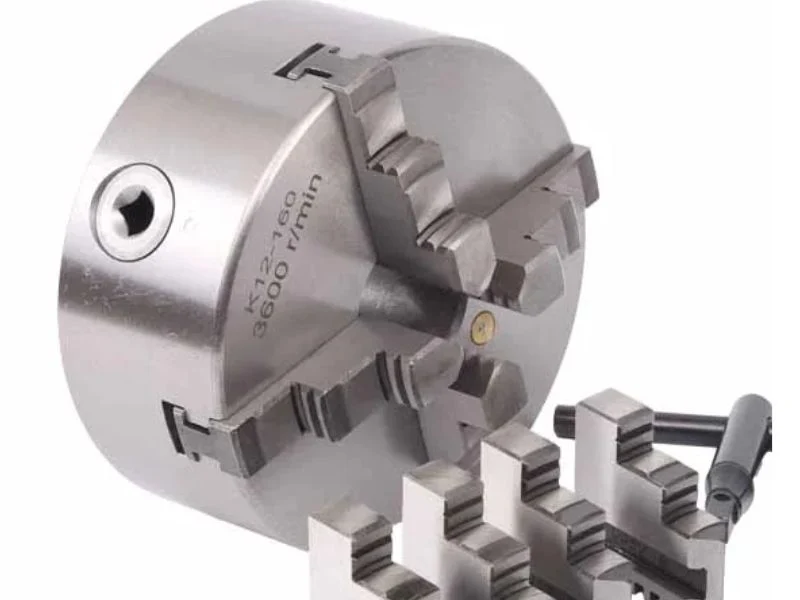
Built as a Tube Machine
- Pneumatic self-centring four-jaw chuck — holds thin wall without crushing
- 130 mm tail length: less of every stick ends up as offcut
- Sensor-less tube detection, no manual datum setting per bar
- For distributors: tube buyers are established metal fabricators with budget and no need for education — but they will want a process demonstration, so plan for someone on your side who can run one
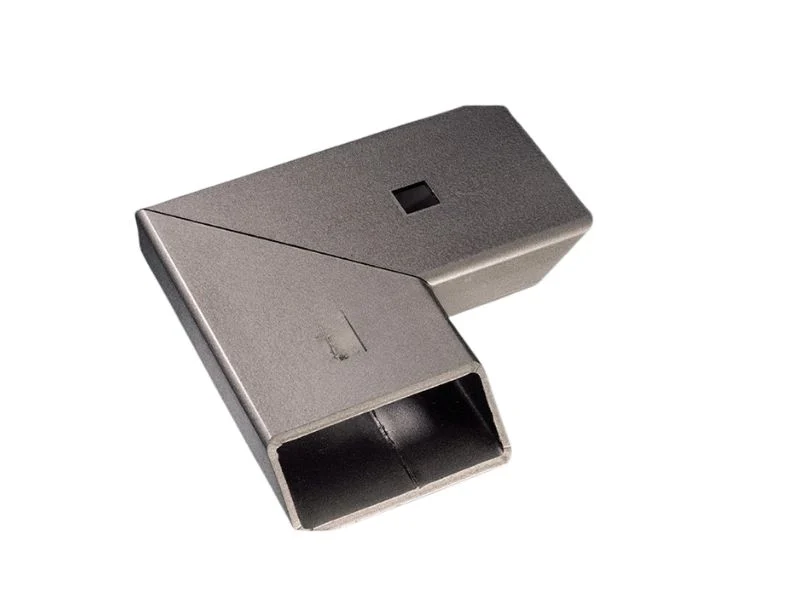
Weld-Prep Built Into the Cut
- Cut-off, drilling, hollowing, piercing, notching, bevel and 45° miter in one program
- Parts leave the machine ready to weld — no grinding bench
- Tab-and-slot features let frames self-locate, removing jigs
- For distributors: spare-parts commitment, territory and technical training are the three things that decide whether a machine is worth carrying — all three are set out on our partnership page
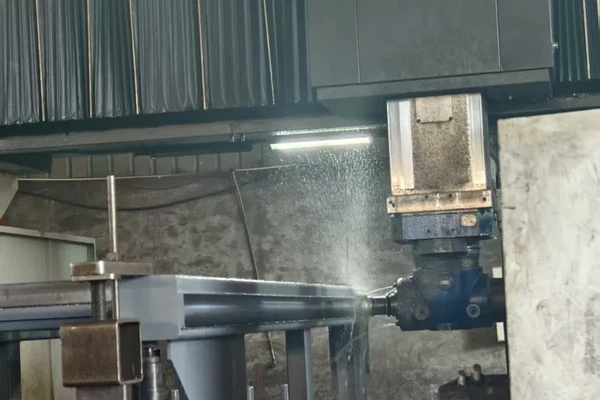
The Factory That Builds Your Tube Laser
- Imported servo, imported screw and L6 high-precision rack throughout the drive
- Assembled and laser-calibrated in-house, not sourced and rebadged
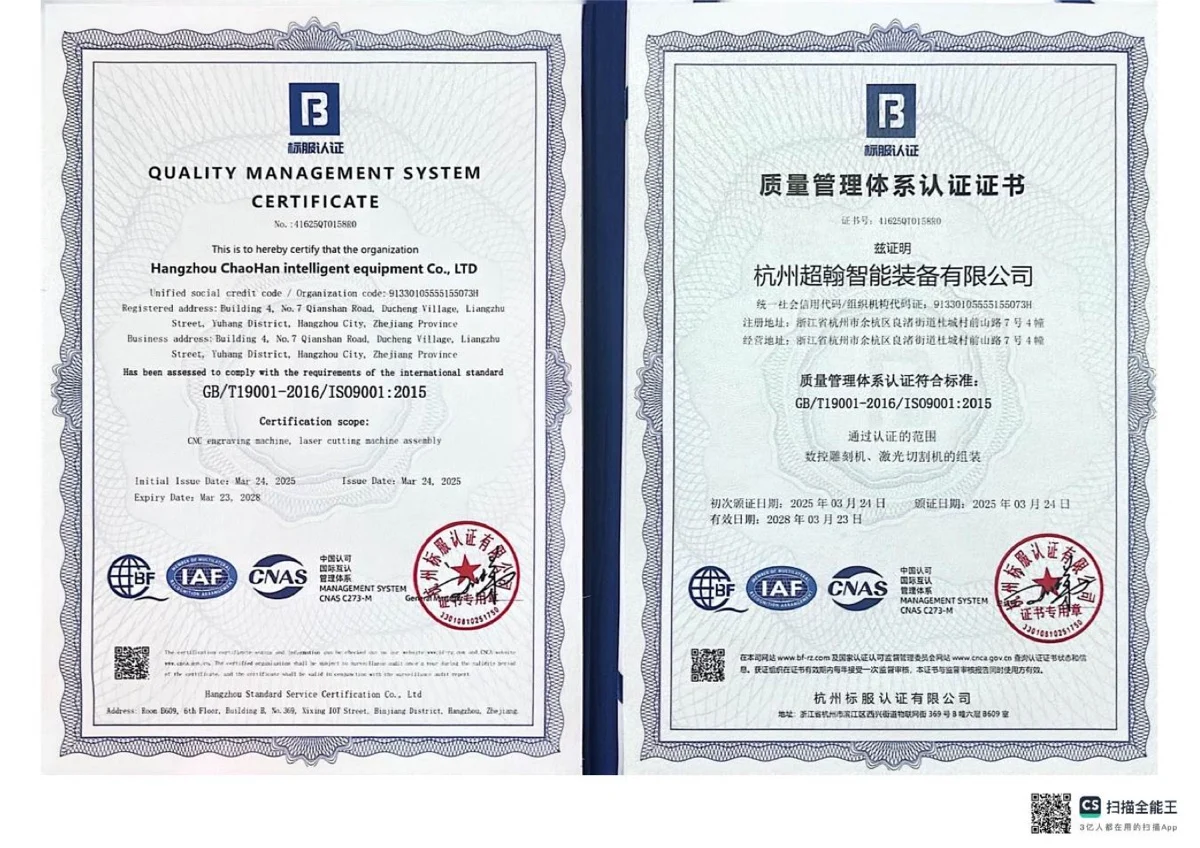
CE + ISO — Send a Drawing for a Free Tube Sample
- CE-marked and ISO 9001:2015 certified, built by Hangzhou Chaohan
- Send a drawing and a length of your profile — we cut a free sample
- 12-month warranty, lifetime software updates, on-site commissioning
Specifications on this page are the standard X6 build: 6000 W, 6000 mm length, ±0.02 mm repeatability, measured in-house.
Frequently Asked Questions
How much does a tube laser cutting machine cost?
Production tube lasers run roughly USD 35,000 to 120,000+ depending on laser power, maximum tube length and whether automatic loading is included. Entry machines with short beds and manual loading start lower; a 6000 W, 6000 mm machine with a bundle loader sits at the upper end. Tell us your profile sizes and monthly volume and we quote factory-direct.
Can a tube laser cut I-beam and structural profile?
Yes. The X6 handles angle, channel and H profile alongside round and square tube, using the same self-centring chuck and program. Weld-prep notches, bolt holes and 45° miters are cut into the section rather than ground on afterwards — which is usually the whole reason structural work moves onto a tube laser.
What tube sizes can it handle?
Round tube Ø 10–220 mm, square and rectangular 10–150 mm, up to 6000 mm long, with a 130 mm tail. Wall thickness depends on material and laser power — at 6000 W, structural carbon steel wall thicknesses used in handrail, furniture and machinery frames are all within range.
Is a tube laser worth it if I already have a bandsaw?
It depends on features per part, not on how much tube you cut. If your parts are plain lengths, a bandsaw is cheaper and we will tell you so. If each part needs holes, notches, a bevel or a miter, the laser removes three downstream operations — drilling, deburring and weld-prep grinding — plus the jigs that exist because saw-cut parts do not fit each other.
How accurate is it across a full-length bar?
±0.02 mm repeatability, and within 0.15 mm across the full 6000 mm length. That figure matters most in assembly: hole patterns on a long member stay in position, so a frame goes together without hand-fitting at the last joint.
What about the offcut at the end of each bar?
Tail length is 130 mm. On a 6 m bar that is roughly 2% of the material, and it is one of the specifications worth comparing between machines — a longer tail on a high-volume line quietly costs more per year than the price difference between two machines.
Can it also cut sheet metal?
No — the X6 is a dedicated tube and profile machine. Flat sheet and plate is the X5 (3000 × 1500 mm, 3–6 kW) or the X6040 for small precision parts. Shops doing both usually run a plate machine and a tube machine rather than compromising with one; see the full fiber laser range.
What power supply and installation does it need?
Three-phase 380 V is the standard build. Installation needs floor space for the full bar length plus loading side — request the installation drawing when enquiring, because a 6 m machine with a loader needs the floor plan checked before shipping. Commissioning and operator training are included, on site.

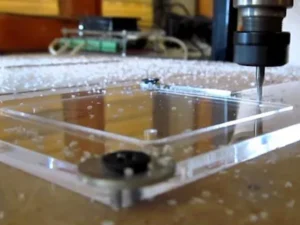
Tube Laser Cutting — Technical Guides
Everything that decides a tube laser purchase: chuck and loading, gas, design rules and upkeep.
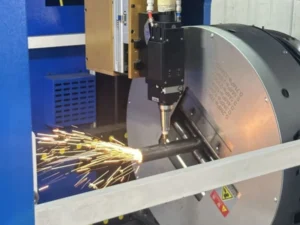
How to Choose a Fiber Laser Tube Cutting Machine
Diameter range, chuck type and loading: the three specs that decide whether a tube laser cutting machine fits your stock, before power ever matters.
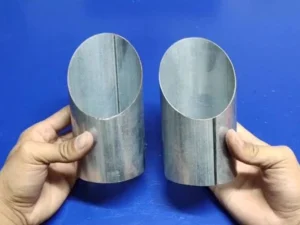
Assist Gas Guide for Fiber Laser Tube Cutting
Oxygen or nitrogen on profile — how gas choice changes edge colour, speed and a running-cost line most buyers underestimate.
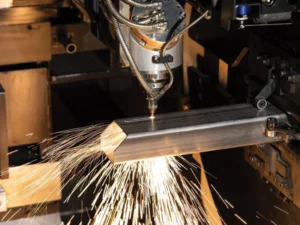
Tube Laser Cutting Design Tips for Metal Fabrication
Design rules that make tube laser cutting pay: interlocking joints, tab-and-slot and cuts that remove downstream fitting time.
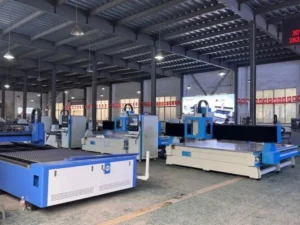
X5 vs X6 vs X6040 Fiber Laser Cutter Comparison
Tube, flat sheet or small precision parts — which X-series machine matches the work actually coming through your shop.
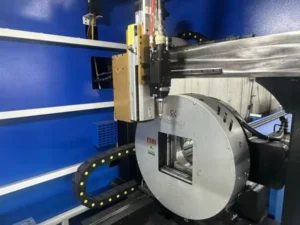
Fiber Laser Tube Cutting Safety Checklist
Class 1 enclosure, fume extraction and interlocks — what a tube laser installation needs to pass inspection.
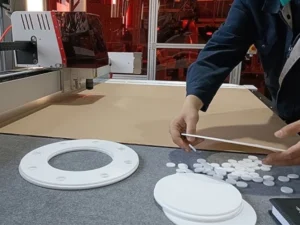
CNC Router vs Waterjet for Thick PTFE Plate
How process choice shifts with thickness — the same reasoning that decides laser versus plasma on heavy section.
Send a Drawing for a Free Tube Sample Cut
Send your profile sizes, wall thickness, feature list and monthly volume — we cut a free sample on an X6, send photos of the weld-prep edge, and quote the exact build.