A sheet metal fiber laser cutter’s spec sheet lists dozens of numbers, but four of them actually determine whether the machine fits your production: bed size, laser power, material and thickness range, and assist gas capability. Everything else is refinement around those four core decisions.
Shops buying their first fiber laser cutting machine — or replacing an underpowered or undersized one — often get pulled toward the highest-spec option available, on the assumption that more capability is always safer. That’s expensive insurance against work you may never actually run. The right machine matches your real sheet sizes, material mix and thickness range, not a hypothetical future maximum.
This guide covers working area and sheet size, the 3000W vs 6000W power decision, material and thickness range, assist gas and edge quality, and an RFQ checklist for sheet metal buyers.
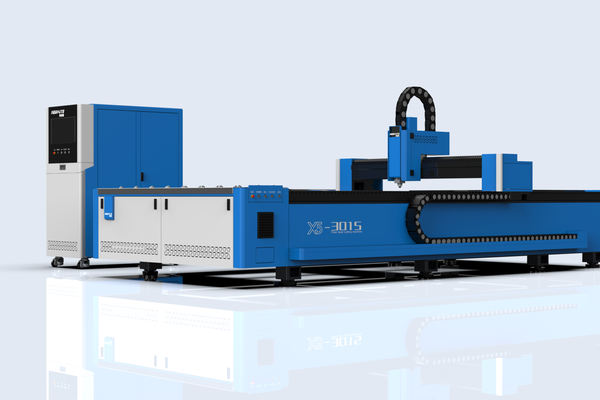
Working Area and Sheet Size
Confirm working travel — not nominal bed size — comfortably covers your standard sheet sizes with margin, since cutting a full sheet down before it reaches the machine defeats the purpose of buying a sheet metal cutter in the first place.
Most fabrication shops run standard sheet sizes as a baseline, sizing up only if suppliers regularly deliver oversized stock or higher throughput from running two sheets side by side justifies the larger bed. Match table size to your actual material supply, not an aspirational future capacity that adds cost without near-term benefit.
3000W vs 6000W Laser Power
Laser power determines maximum practical cutting thickness, but the relationship differs by material — mild steel gains a smaller percentage improvement from more power than stainless steel or aluminum do, because oxygen-assisted mild steel cutting gets an exothermic boost that nitrogen-assisted stainless and aluminum don’t.
See our fiber laser power guide for the full thickness-by-material breakdown and the utilization math that determines whether 6kW pays back on your actual production schedule — that decision deserves its own detailed comparison rather than a summary here.
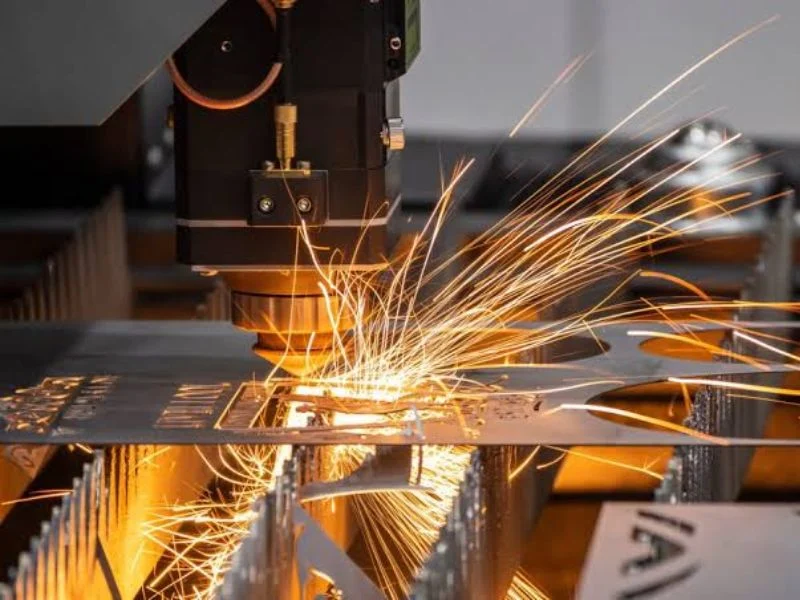
Material and Thickness Range
Confirm your candidate machine is tested and rated across your full material list — mild steel, stainless steel, aluminum — not just one, since cutting parameters optimized for one material don’t automatically transfer cleanly to another, and a machine’s headline capability on its best-case material doesn’t guarantee the same performance across your actual mix.
Ask for demonstration cuts across your specific materials and thickness range, not just a single showcase material. Aluminum’s reflectivity and thermal conductivity in particular make it a harder material to cut cleanly than mild steel at comparable thickness, and a machine that handles mild steel well doesn’t automatically handle aluminum equally well.
Assist Gas and Edge Quality
Confirm the machine supports the assist gas types your material mix and downstream process require — oxygen for fast carbon steel cutting, nitrogen for clean stainless and aluminum edges — and ask about gas supply infrastructure, since nitrogen at cutting-grade purity needs either a reliable bulk supply or an on-site generator.
See our assist gas guide for sheet metal fiber laser cutting for the full breakdown of gas choice by material and downstream requirement. Gas infrastructure cost is easy to underestimate during a machine purchase decision — factor ongoing gas supply cost into your total cost comparison, not just the machine price.
Nesting Software and Material Yield
Confirm the machine’s nesting software handles your typical part mix efficiently — true-shape nesting with rotation matters more for irregular parts than rectangular ones, and the yield difference compounds directly into your annual sheet material cost.
See our nesting software and panel yield guide for how to run the actual dollar math on your own sheet volume. On sheet metal specifically, yield matters as much as cutting speed for overall cost per part, since material cost is often the larger line item on a metal fabrication job.
RFQ Checklist for Sheet Metal Buyers
Bring these specifics to a quote conversation for an accurate result:
| Item | Why it matters |
|---|---|
| Standard and largest sheet sizes | Determines minimum required working envelope |
| Full material list and thickness range | Confirms the machine is tested across your actual mix, not one material |
| Downstream process (weld, paint, ship as-cut) | Determines required assist gas and edge quality |
| Production volume and shift pattern | Determines whether power level and duty cycle assumptions hold |
| Existing gas supply infrastructure | Affects total cost if nitrogen capability requires new infrastructure |
See the full sheet metal laser cutting machine page for the broader application range this platform covers.
Frequently Asked Questions
What bed size do I need for sheet metal laser cutting?
Confirm working travel — not nominal bed size — covers your standard sheet sizes with margin. Most shops are well served by a standard sheet-size baseline, sizing up only for oversized stock or dual-sheet throughput needs.
Do I need 6000W or is 3000W enough?
It depends heavily on your material mix and thickness range — see our dedicated fiber laser power guide for the full material-by-material breakdown, since the right answer varies significantly between mild steel, stainless and aluminum.
Should I test the machine on all my materials before buying?
Yes — a machine’s headline capability on one showcase material doesn’t guarantee the same performance across your full mix, particularly for aluminum, which is harder to cut cleanly than mild steel at comparable thickness.
Does nitrogen assist gas require special infrastructure?
At cutting-grade purity, yes — either a reliable bulk supply or an on-site generator. Factor this ongoing infrastructure cost into your total cost comparison, not just the machine’s purchase price.
What should I bring to a sheet metal laser cutter RFQ?
Standard and largest sheet sizes, full material and thickness list, downstream process requirements, production volume, and existing gas supply infrastructure — specific numbers produce accurate quotes.
Is a bigger bed always better?
No — oversizing beyond your actual sheet supply and production needs adds cost without adding near-term value. Match bed size to your real material sizes, not an aspirational future capacity.